

Power Generation Technology ›› 2026, Vol. 47 ›› Issue (2): 359-369.DOI: 10.12096/j.2096-4528.pgt.260213
• New Power System • Previous Articles
Xiaolian ZHANG, Qi HU, Sipeng HAO, Peng HUANG
Received:2025-06-12
Revised:2025-08-22
Published:2026-04-30
Online:2026-04-21
Supported by:CLC Number:
Xiaolian ZHANG, Qi HU, Sipeng HAO, Peng HUANG. Improved Frequency Regulation Control Strategy of Wind Power Considering Random Fluctuation Characteristics of Source-Load[J]. Power Generation Technology, 2026, 47(2): 359-369.
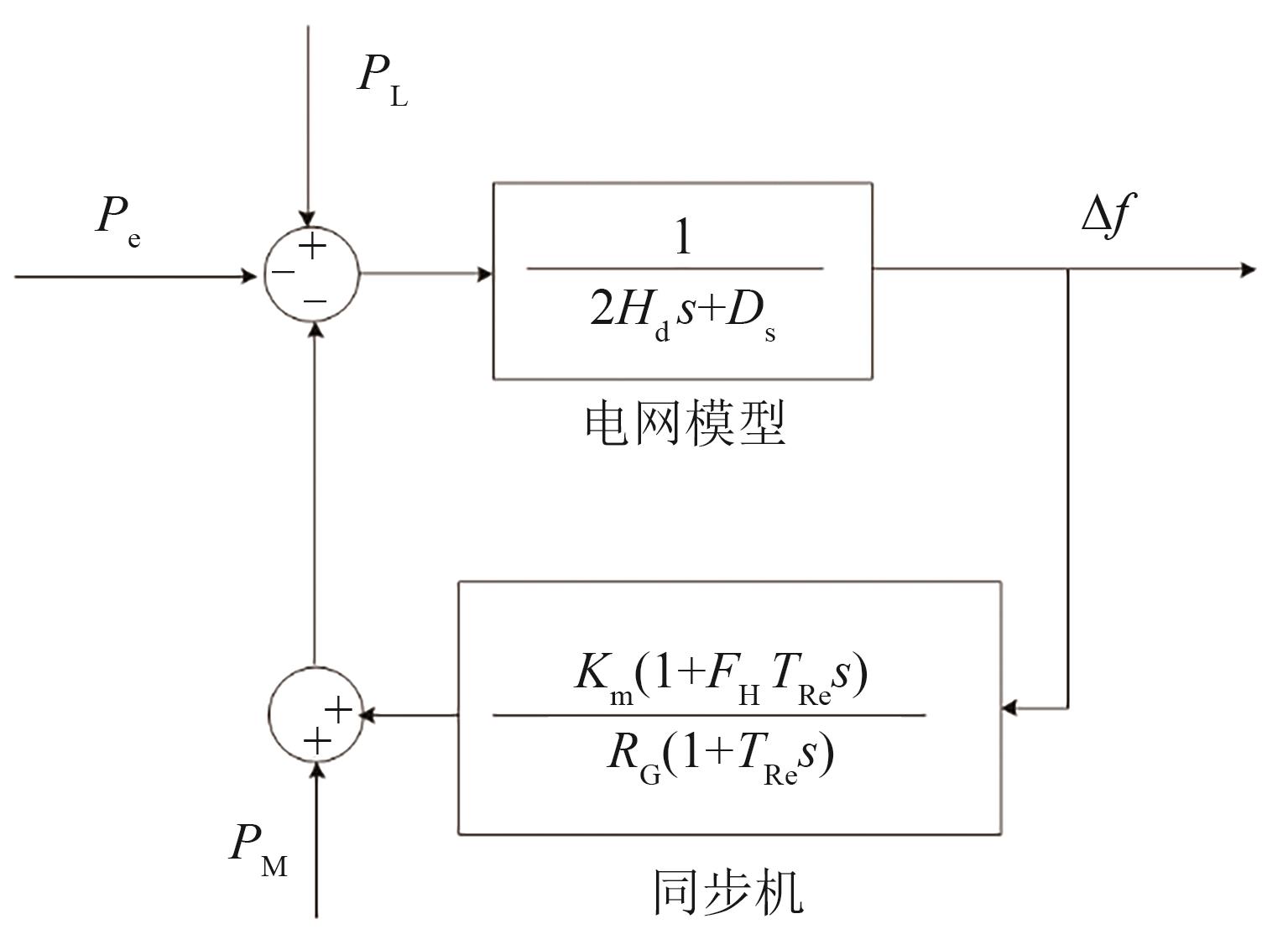
Fig. 1 First-order frequency response model of power grid
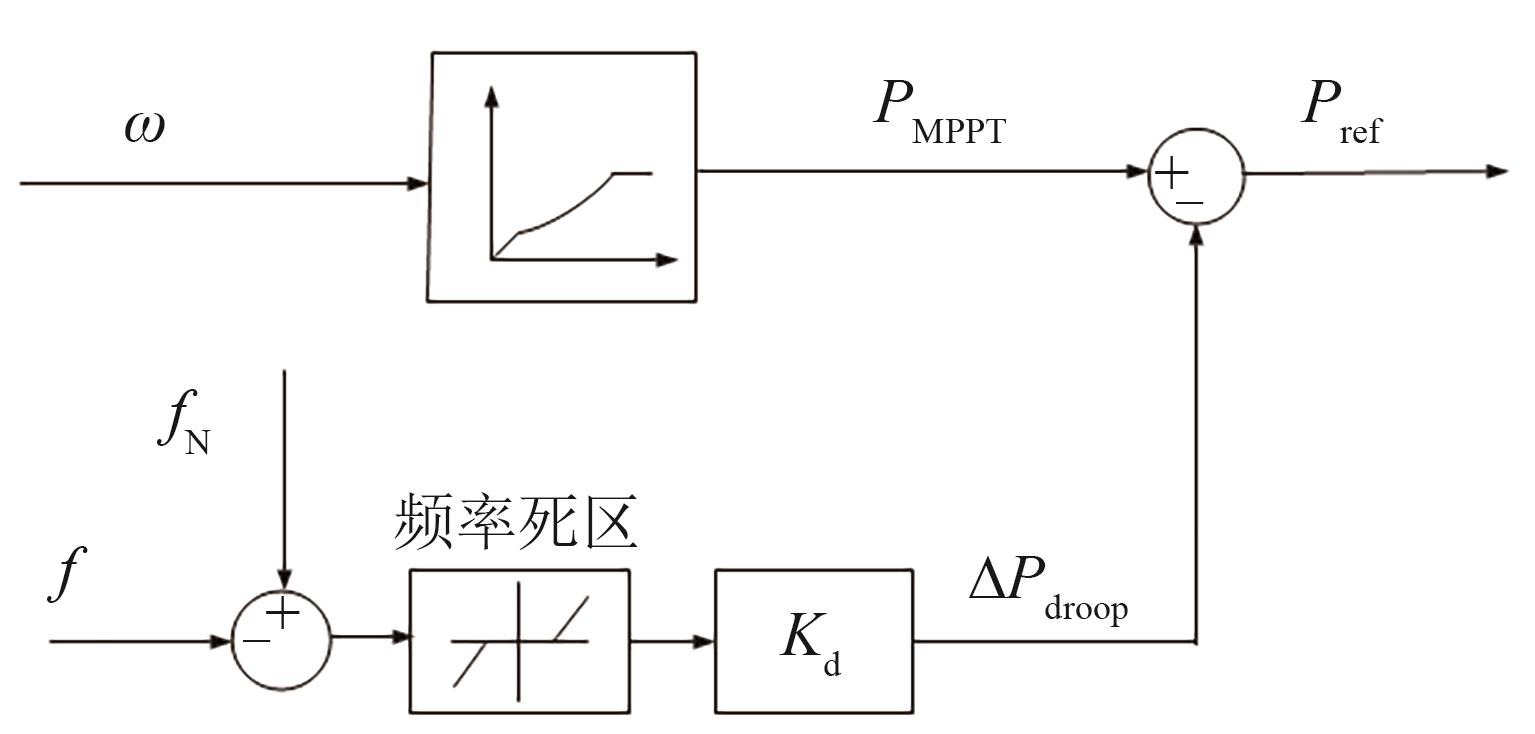
Fig. 2 Droop control flow
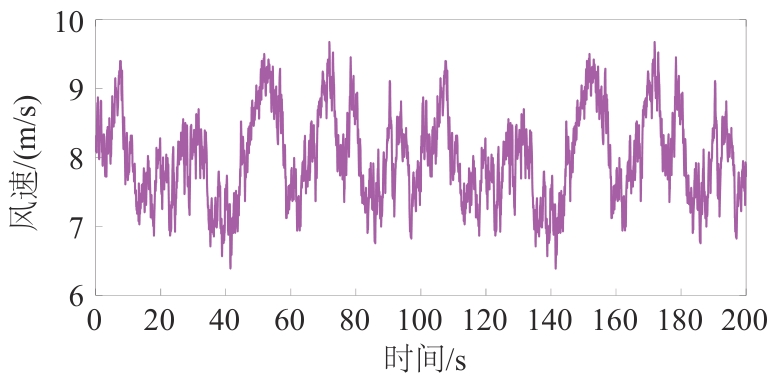
Fig. 3 8A wind speed
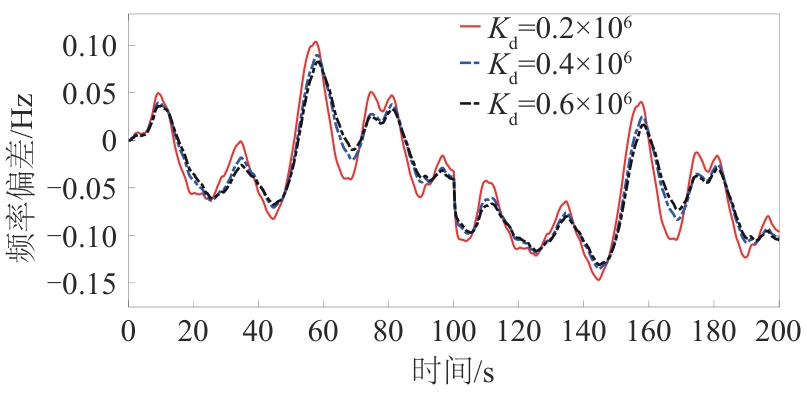
Fig. 4 Frequency deviation of 5% load fluctuation under 8A wind speed
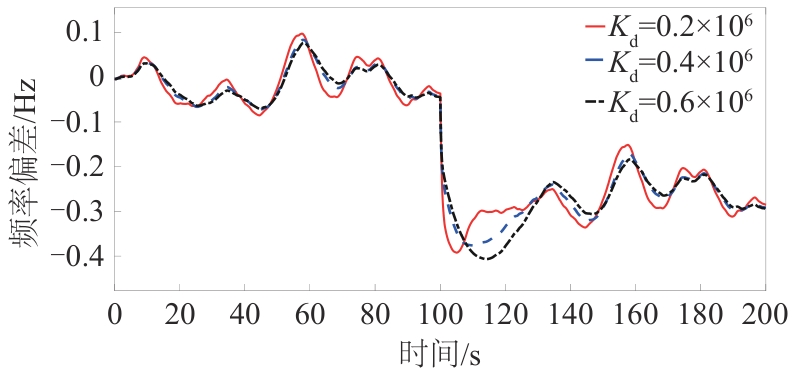
Fig. 5 Frequency deviation of 10% load fluctuation under 8A wind speed
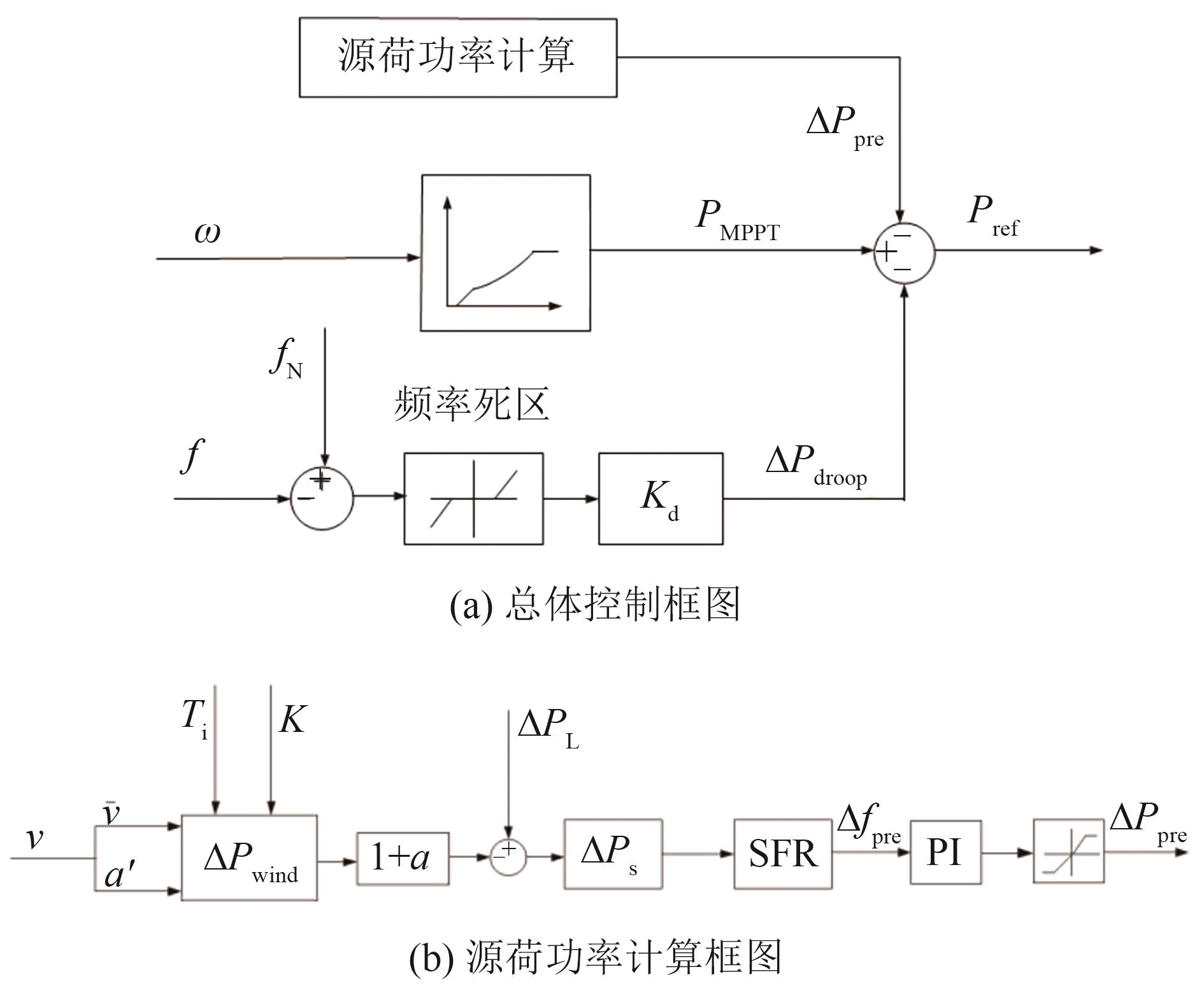
Fig. 6 Control block diagram considering source-load random fluctuation characteristics
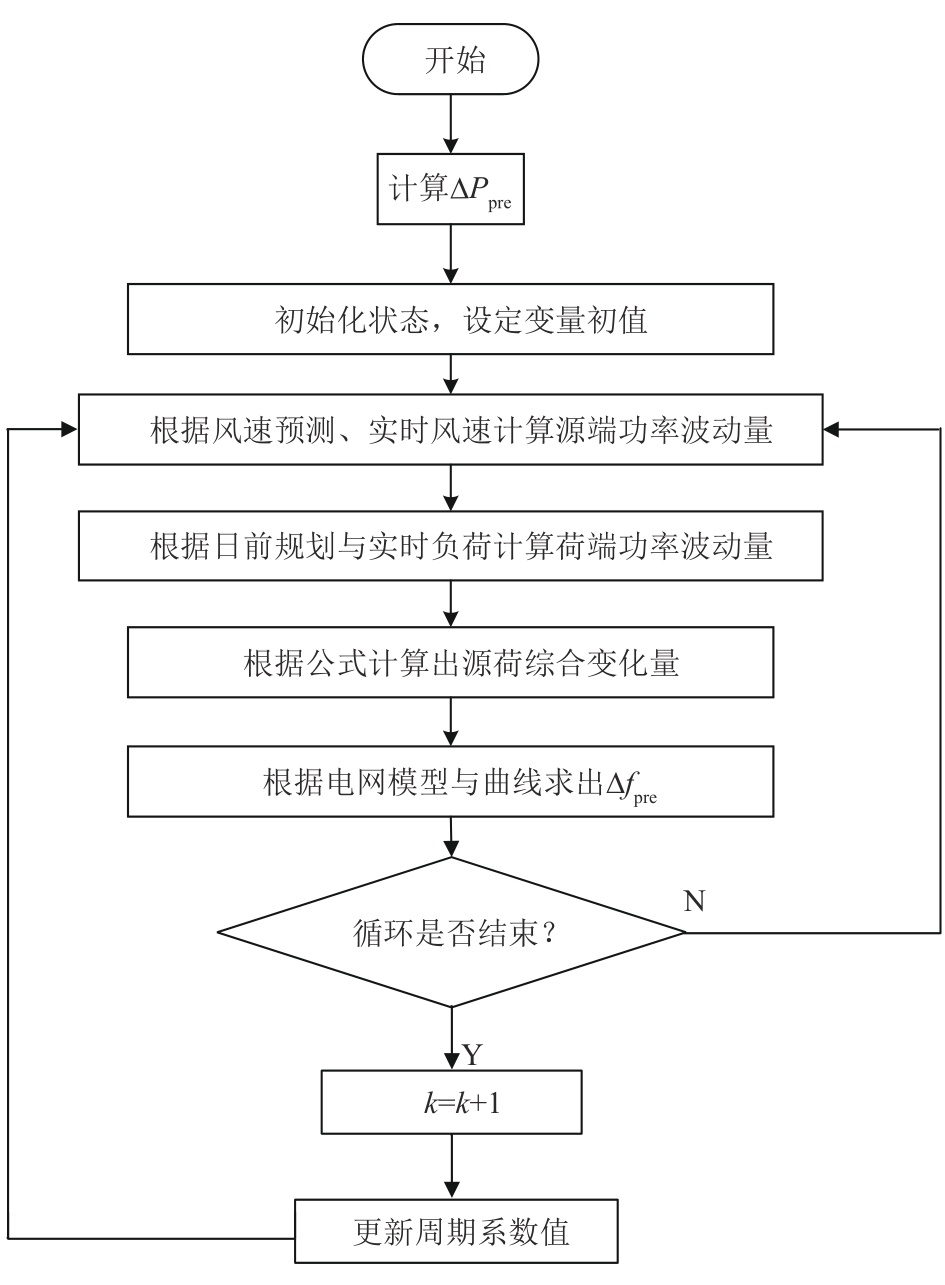
Fig. 7 Flow chart of feedforward source-load power calculation
| 场景 | 湍流等级 | 负荷突增突变时间/s |
|---|---|---|
| 1 | A | 100 |
| 2 | A | 155 |
| 3 | B | 100 |
| 4 | B | 155 |
| 5 | C | 100 |
| 6 | C | 155 |
Tab. 1 Wind speed scenario
| 场景 | 湍流等级 | 负荷突增突变时间/s |
|---|---|---|
| 1 | A | 100 |
| 2 | A | 155 |
| 3 | B | 100 |
| 4 | B | 155 |
| 5 | C | 100 |
| 6 | C | 155 |
| 对象 | 参数 | 数值 |
|---|---|---|
| 风机参数 | R/m | 20 |
| Hw/s | 5.54 | |
| λopt | 5.8 | |
| C | 0.460 3 | |
| 电网参数 | Hd/s | 4 |
| DS | 1 | |
| Km | 0.95 | |
| FH | 0.3 | |
| TRe/s | 8.0 | |
| RG | 0.05 | |
| 控制器参数 | Kd | 2×10⁵ |
Tab. 2 Simulation parameters
| 对象 | 参数 | 数值 |
|---|---|---|
| 风机参数 | R/m | 20 |
| Hw/s | 5.54 | |
| λopt | 5.8 | |
| C | 0.460 3 | |
| 电网参数 | Hd/s | 4 |
| DS | 1 | |
| Km | 0.95 | |
| FH | 0.3 | |
| TRe/s | 8.0 | |
| RG | 0.05 | |
| 控制器参数 | Kd | 2×10⁵ |
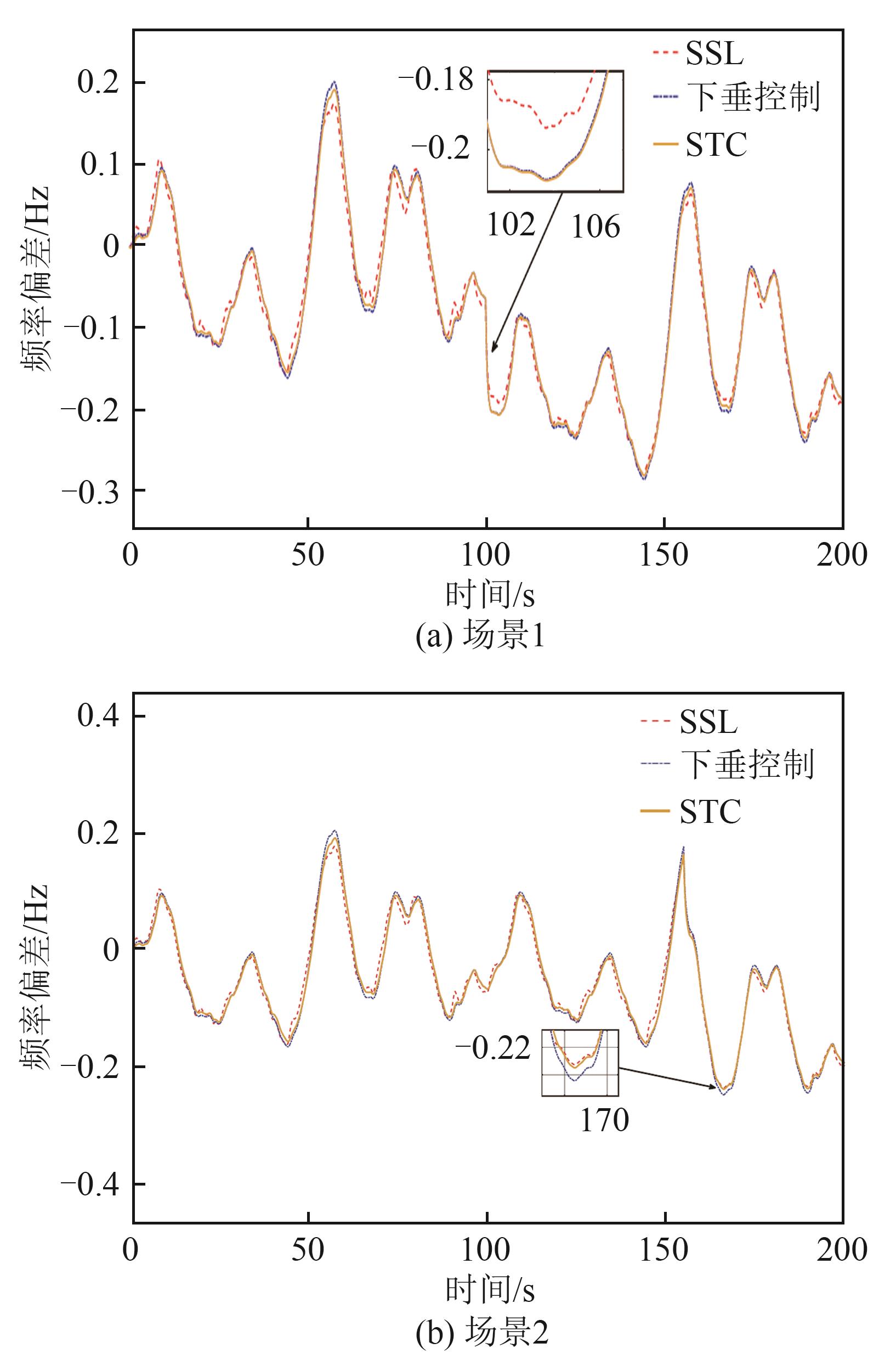
Fig. 8 Frequency deviation of level A turbulent wind
| 场景 | 评估指标 | SSL | STC | 下垂控制 |
|---|---|---|---|---|
| 场景1 | 平均频率偏差/Hz | -0.084 54 | -0.084 58 | -0.084 61 |
| 频率最低点/Hz | -0.193 8 | -0.208 6 | -0.208 9 | |
| 平均频率偏差提升率/% | 0.08 | 0.04 | ||
| 频率最低点提升率/% | 7.23 | 0.14 | ||
| 场景2 | 平均频率偏差/Hz | 0.049 79 | 0.050 18 | 0.050 13 |
| 频率最低点/Hz | -0.232 7 | -0.234 9 | -0.244 4 | |
| 平均频率偏差提升率/% | 0.69 | -0.09 | ||
| 频率最低点提升率/% | 4.79 | 3.87 |
Tab. 3 Level A turbulence data
| 场景 | 评估指标 | SSL | STC | 下垂控制 |
|---|---|---|---|---|
| 场景1 | 平均频率偏差/Hz | -0.084 54 | -0.084 58 | -0.084 61 |
| 频率最低点/Hz | -0.193 8 | -0.208 6 | -0.208 9 | |
| 平均频率偏差提升率/% | 0.08 | 0.04 | ||
| 频率最低点提升率/% | 7.23 | 0.14 | ||
| 场景2 | 平均频率偏差/Hz | 0.049 79 | 0.050 18 | 0.050 13 |
| 频率最低点/Hz | -0.232 7 | -0.234 9 | -0.244 4 | |
| 平均频率偏差提升率/% | 0.69 | -0.09 | ||
| 频率最低点提升率/% | 4.79 | 3.87 |
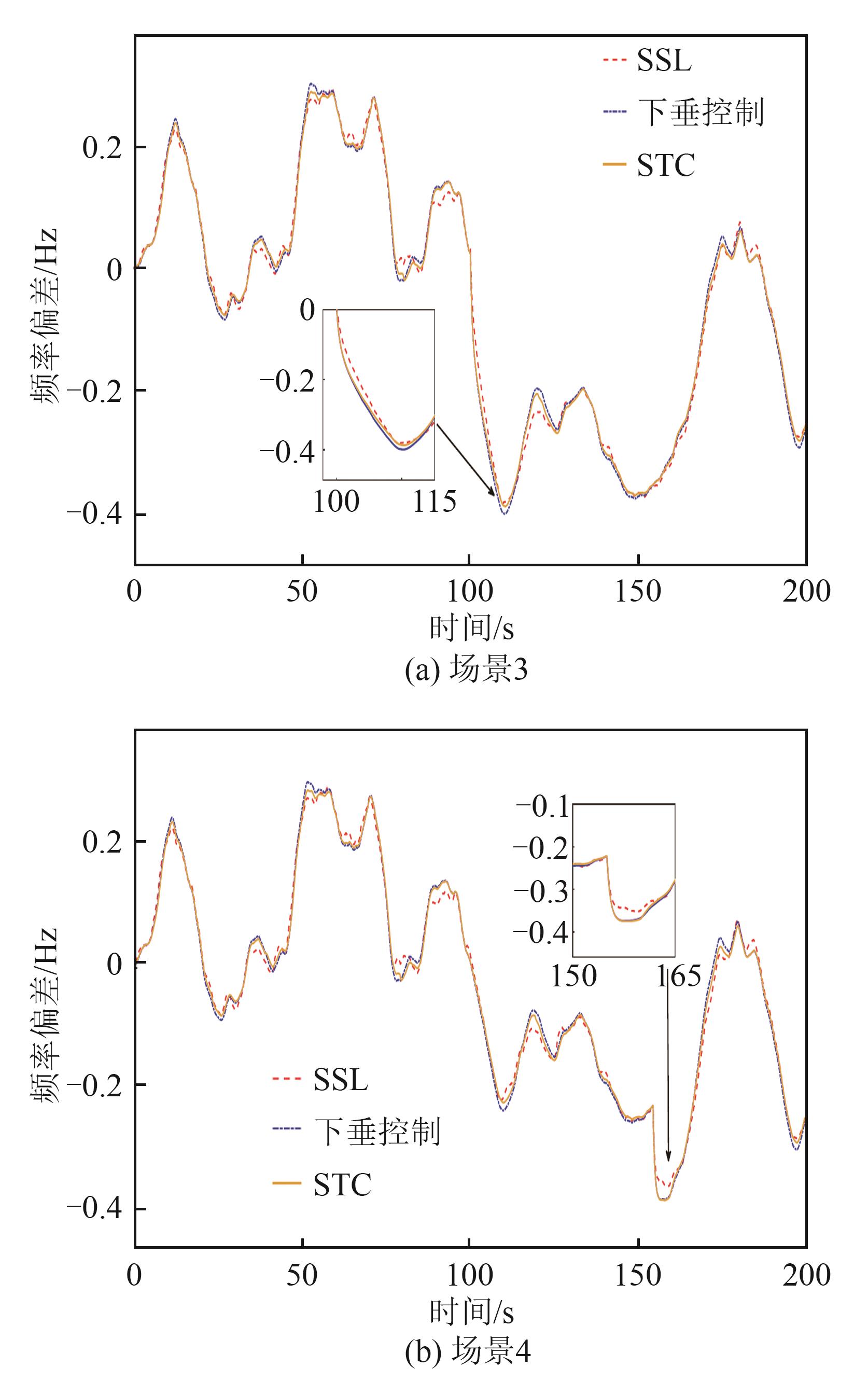
Fig. 9 Frequency deviation of level B turbulent wind
| 场景 | 评估指标 | SSL | STC | 下垂控制 |
|---|---|---|---|---|
| 场景3 | 平均频率偏差/Hz | -0.055 57 | -0.055 68 | -0.055 75 |
| 频率最低点/Hz | -0.383 5 | -0.387 6 | -0.399 6 | |
| 平均频率偏差提升率/% | 0.32 | 0.13 | ||
| 频率最低点提升率/% | 4.03 | 3.00 | ||
| 场景4 | 平均频率偏差/Hz | -0.021 23 | -0.021 61 | -0.021 61 |
| 频率最低点/Hz | -0.351 7 | -0.374 5 | -0.373 2 | |
| 平均频率偏差提升率/% | 1.76 | 0.00 | ||
| 频率最低点提升率/% | 5.76 | -0.35 |
Tab. 4 Level B turbulence data
| 场景 | 评估指标 | SSL | STC | 下垂控制 |
|---|---|---|---|---|
| 场景3 | 平均频率偏差/Hz | -0.055 57 | -0.055 68 | -0.055 75 |
| 频率最低点/Hz | -0.383 5 | -0.387 6 | -0.399 6 | |
| 平均频率偏差提升率/% | 0.32 | 0.13 | ||
| 频率最低点提升率/% | 4.03 | 3.00 | ||
| 场景4 | 平均频率偏差/Hz | -0.021 23 | -0.021 61 | -0.021 61 |
| 频率最低点/Hz | -0.351 7 | -0.374 5 | -0.373 2 | |
| 平均频率偏差提升率/% | 1.76 | 0.00 | ||
| 频率最低点提升率/% | 5.76 | -0.35 |
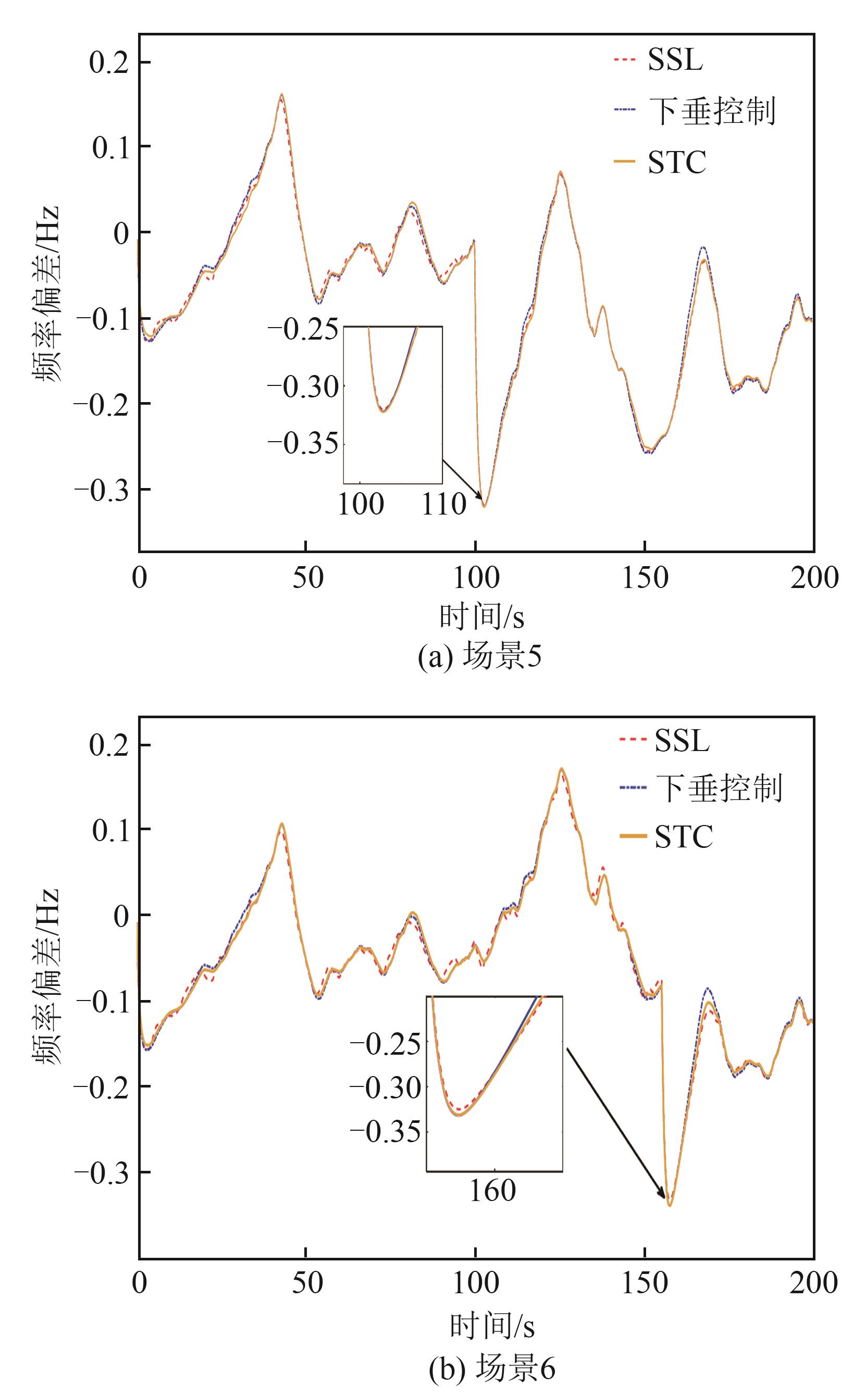
Fig. 10 Frequency deviations of level C turbulent wind
| 场景 | 评估指标 | SSL | STC | 下垂控制 |
|---|---|---|---|---|
| 场景5 | 平均频率偏差/Hz | -0.075 99 | -0.077 36 | -0.077 7 |
| 频率最低点/Hz | -0.320 3 | -0.322 5 | -0.322 | |
| 平均频率偏差提升率/% | 2.20 | 0.44 | ||
| 频率最低点提升率/% | 0.53 | -0.16 | ||
| 场景6 | 平均频率偏差/Hz | -0.054 3 | -0.055 4 | -0.055 9 |
| 频率最低点/Hz | -0.324 9 | -0.331 1 | -0.331 5 | |
| 平均频率偏差提升率/% | 2.86 | 0.89 | ||
| 频率最低点提升率/% | 1.99 | 0.12 |
Tab. 5 Level C turbulence data
| 场景 | 评估指标 | SSL | STC | 下垂控制 |
|---|---|---|---|---|
| 场景5 | 平均频率偏差/Hz | -0.075 99 | -0.077 36 | -0.077 7 |
| 频率最低点/Hz | -0.320 3 | -0.322 5 | -0.322 | |
| 平均频率偏差提升率/% | 2.20 | 0.44 | ||
| 频率最低点提升率/% | 0.53 | -0.16 | ||
| 场景6 | 平均频率偏差/Hz | -0.054 3 | -0.055 4 | -0.055 9 |
| 频率最低点/Hz | -0.324 9 | -0.331 1 | -0.331 5 | |
| 平均频率偏差提升率/% | 2.86 | 0.89 | ||
| 频率最低点提升率/% | 1.99 | 0.12 |
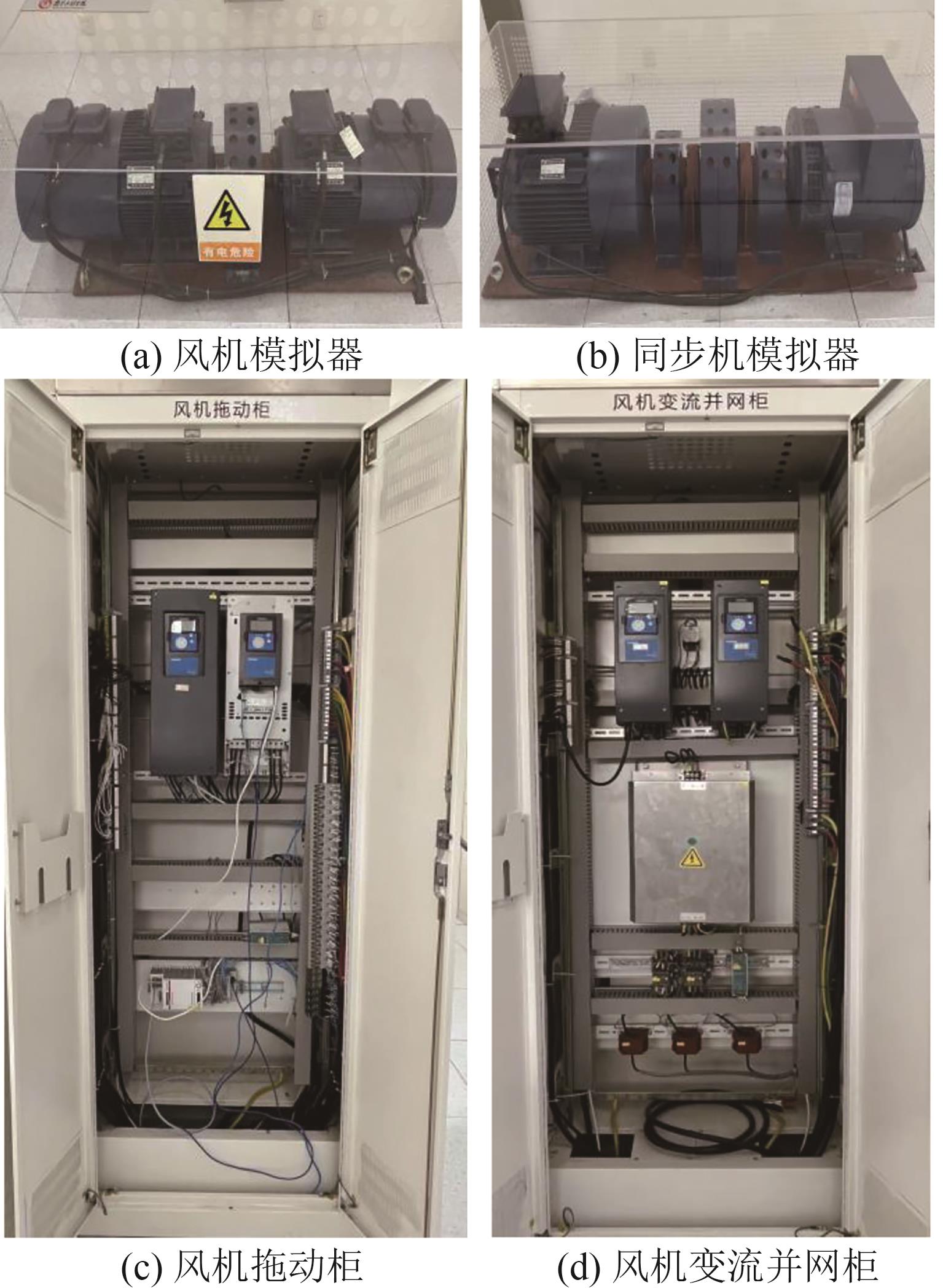
Fig. 11 Experimental platform
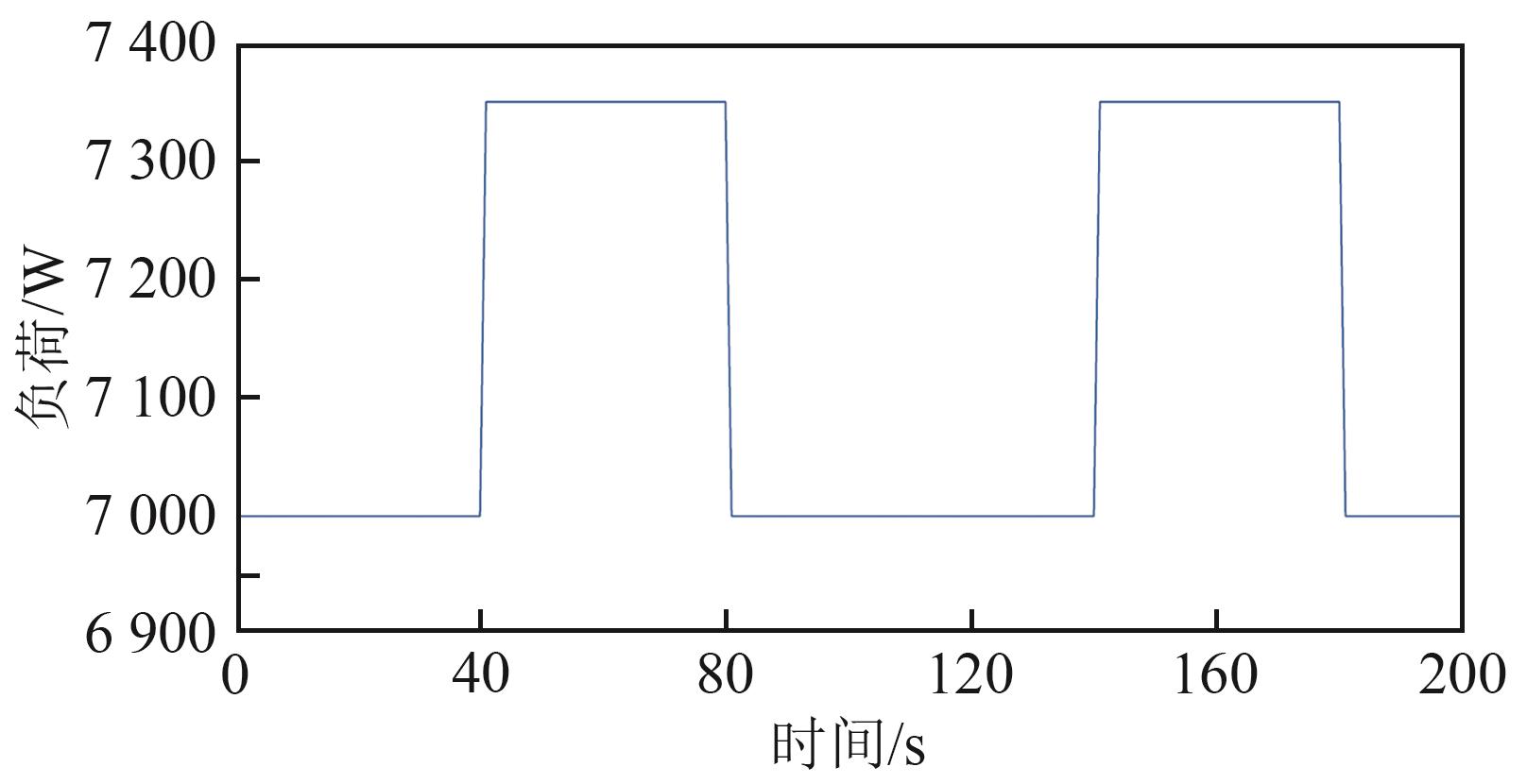
Fig. 12 Step load
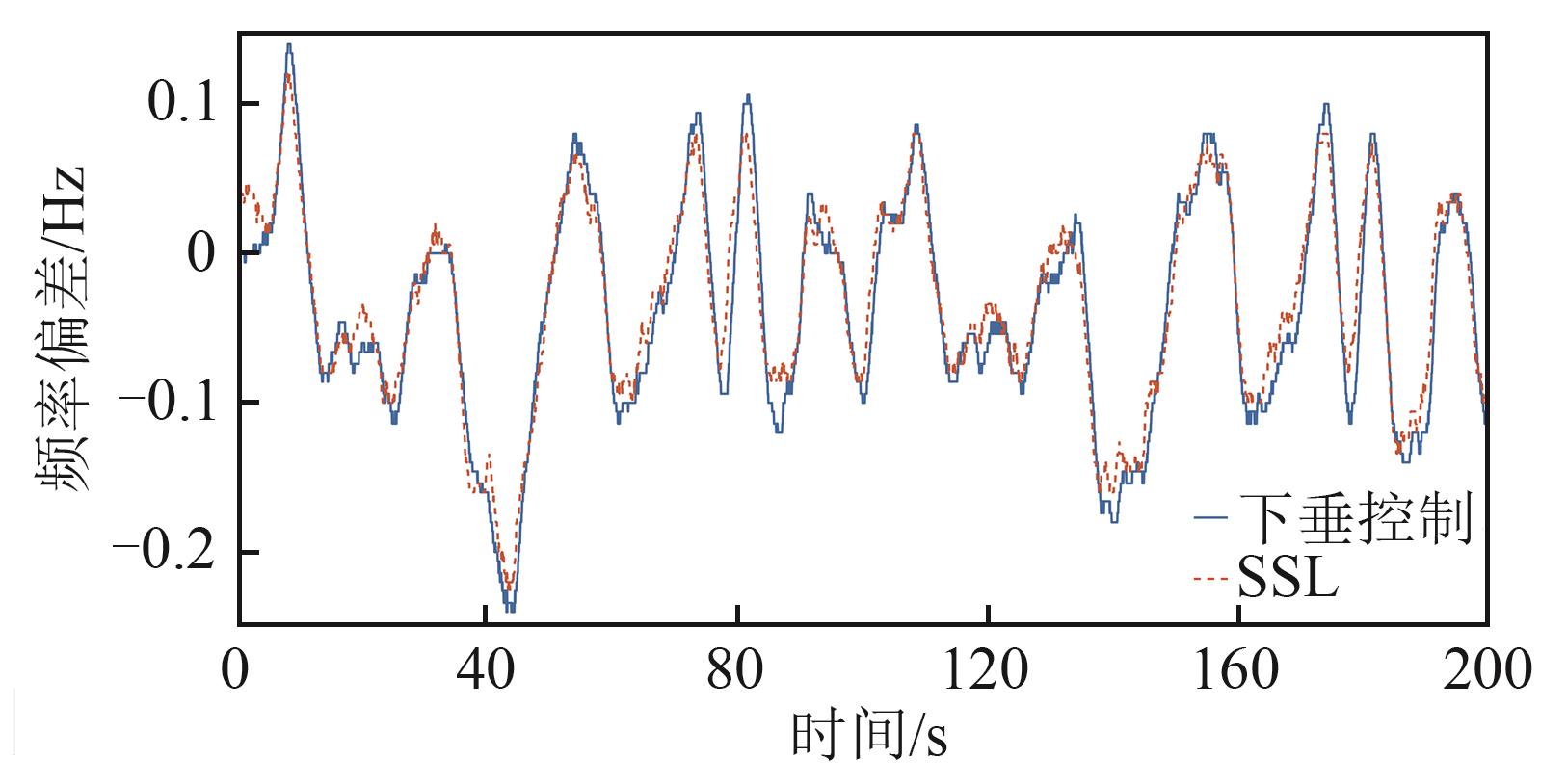
Fig. 13 Comparison of frequency regulation effects
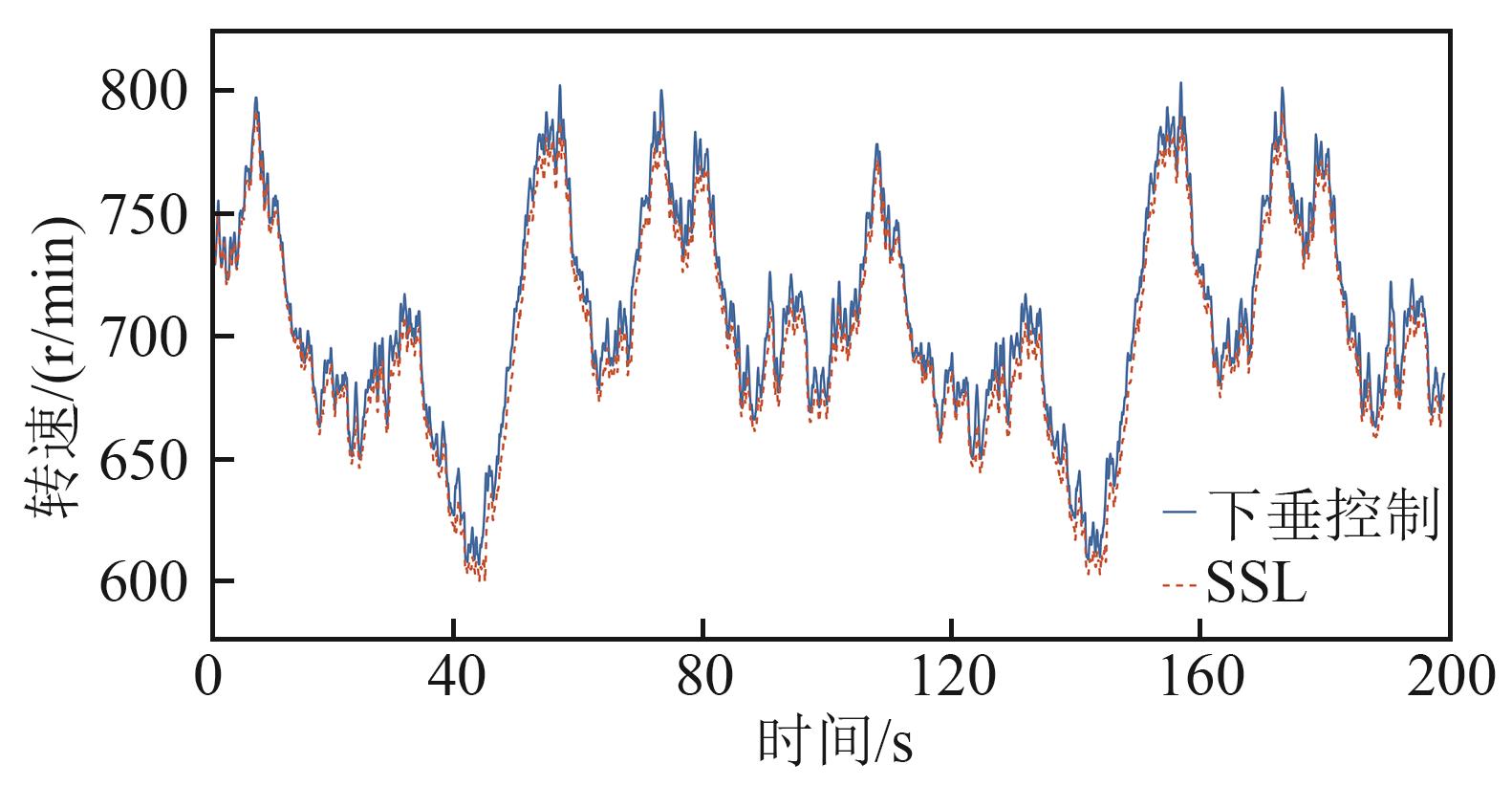
Fig. 14 Comparison of wind turbine rotor speeds
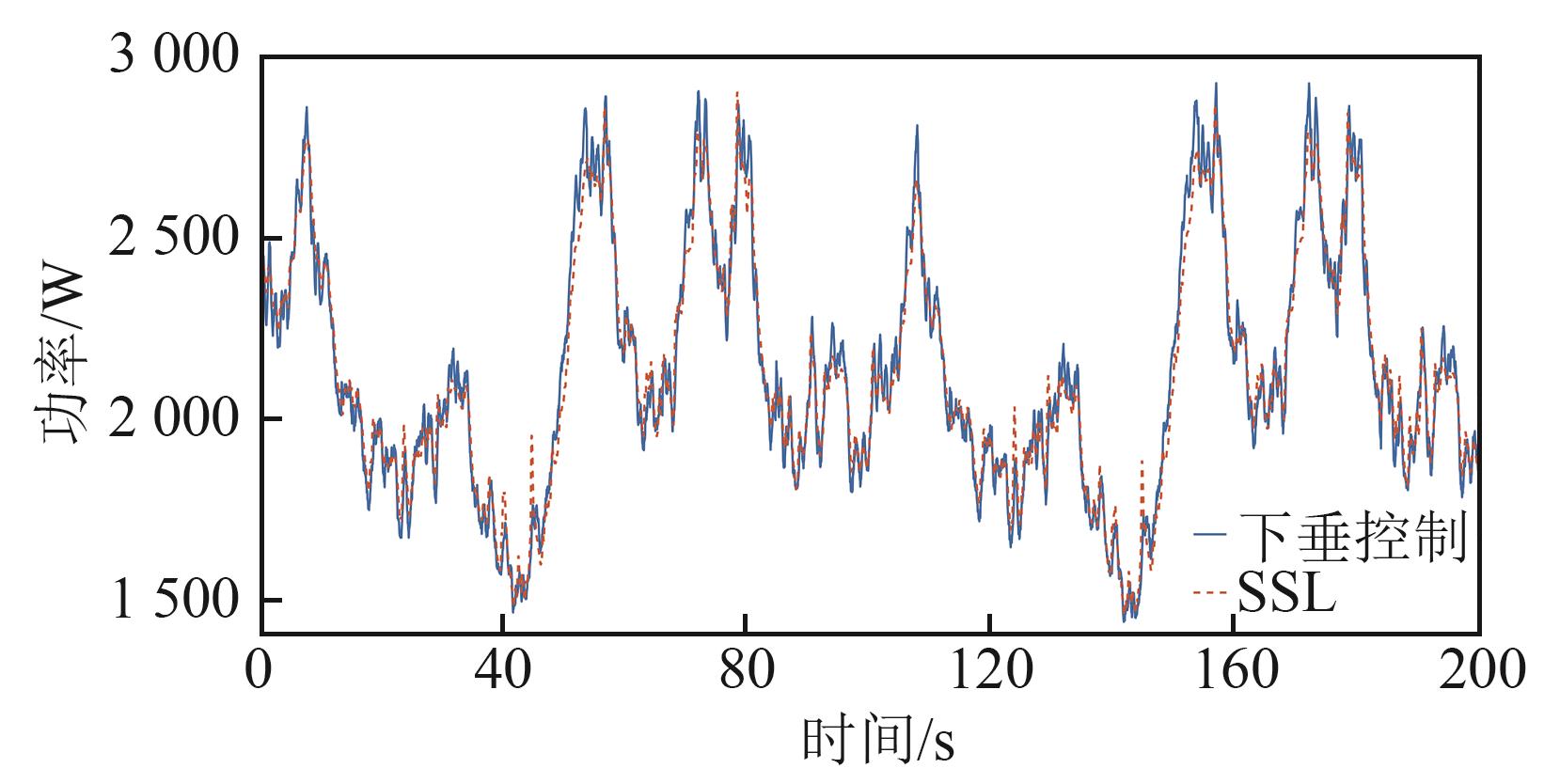
Fig. 15 Comparison of wind turbine output power
| 评估指标 | SSL | 下垂控制 |
|---|---|---|
| 平均频率偏差/Hz | 0.032 616 | 0.037 526 |
| 平均频率偏差提升率/% | 13.08 | |
| 第1次频率最低点/Hz | -0.226 | -0.240 |
| 第1次频率最低点提升率/% | 5.83 | |
| 第2次频率最低点/Hz | -0.16 | -0.18 |
| 第2次频率最低点提升率/% | 11.11 |
Tab. 6 Statistical comparison of experimental data
| 评估指标 | SSL | 下垂控制 |
|---|---|---|
| 平均频率偏差/Hz | 0.032 616 | 0.037 526 |
| 平均频率偏差提升率/% | 13.08 | |
| 第1次频率最低点/Hz | -0.226 | -0.240 |
| 第1次频率最低点提升率/% | 5.83 | |
| 第2次频率最低点/Hz | -0.16 | -0.18 |
| 第2次频率最低点提升率/% | 11.11 |
| [1] | 龙潇,张晋宾,陈令特 .未来能源技术展望[J].发电技术,2025,46(4):651-693. doi:10.12096/j.2096-4528.pgt.25090 |
| LONG X, ZHANG J B, CHEN L T .Prospects for future energy technologies[J].Power Generation Technology,2025,46(4):651-693. doi:10.12096/j.2096-4528.pgt.25090 | |
| [2] | 兰国芹,陆烨,阚严生,等 .综合能源服务发展趋势与对策研究[J].发电技术,2025,46(1):19-30. doi:10.12096/j.2096-4528.pgt.24184 |
| LAN G Q, LU Y, KAN Y S,et al .Research on the development trends and countermeasures of integrated energy services[J].Power Generation Technology,2025,46(1):19-30. doi:10.12096/j.2096-4528.pgt.24184 | |
| [3] | 朱益华,罗超,余佳微,等 .全功率直驱风机电网友好型控制策略[J].电力系统保护与控制,2024,52(2):177-187. |
| ZHU Y H, LUO C, YU J W,et al .Grid-friendly control strategy of full power rated direct drive wind turbines[J].Power System Protection and Control,2024,52(2):177-187. | |
| [4] | 何鑫,刘翠,李芸 .不同运行方式的大规模新能源接入电网后的调频特性研究[J].电力科学与技术学报,2024,39(3):168-176. |
| HE X, LIU C, LI Y .Study on frequency regulation characteristics of power grids after large-scale new energy integration under different operation modes[J].Journal of Electric Power Science and Technology,2024,39(3):168-176. | |
| [5] | LU L, SABORÍO-ROMANO O, CUTULULIS N A .Frequency control in power systems with large share of wind energy[J].Energies,2022,15(5):1922. doi:10.3390/en15051922 |
| [6] | LIU H, WANG P, ZHAO T,et al .A group-based droop control strategy considering pitch angle protection to deloaded wind farms[J].Energies,2022,15(8):2722. doi:10.3390/en15082722 |
| [7] | 丁磊,尹善耀,王同晓,等 .考虑惯性调频的双馈风电机组主动转速保护控制策略[J].电力系统自动化,2015,39(24):29-34. doi:10.7500/AEPS20150529018 |
| DING L, YIN S Y, WANG T X,et al .Active rotor speed protection strategy for DFIG-based wind turbines with inertia control[J].Automation of Electric Power Systems,2015,39(24):29-34. doi:10.7500/AEPS20150529018 | |
| [8] | 陈宇航,王刚,侍乔明,等 .一种新型风电场虚拟惯量协同控制策略[J].电力系统自动化,2015,39(5):27-33. doi:10.7500/AEPS20140212007 |
| CHEN Y H, WANG G, SHI Q M,et al .A new coordinated virtual inertia control strategy for wind farms[J].Automation of Electric Power Systems,2015,39(5):27-33. doi:10.7500/AEPS20140212007 | |
| [9] | 杨婷婷,徐永强,李浩千,等 .一种考虑频率二次跌落的风火联合调频控制策略[J].电力系统保护与控制,2025,53(21):62-71. |
| YANG T T, XU Y Q, LI H Q,et al .A wind-thermal coordinated frequency regulation strategy considering secondary frequency drop[J].Power System Protection and Control,2025,53(21):62-71. | |
| [10] | GHOSH S, KAMALASADAN S, SENROY N,et al .Doubly fed induction generator (DFIG)-based wind farm control framework for primary frequency and inertial response application[J].IEEE Transactions on Power Systems,2016,31(3):1861-1871. doi:10.1109/TPWRS.2015.2438861 |
| [11] | 张祥宇,胡剑峰,付媛,等 .风储联合系统的虚拟惯量需求与协同支撑[J].电工技术学报,2024,39(3):672-685. |
| ZHANG X Y, HU J F, FU Y,et al .Virtual inertia demand and collaborative support of wind power and energy storage system[J].Transactions of China Electrotechnical Society,2024,39(3):672-685. | |
| [12] | 王欣,谭永怡,秦斌 .改进MOGOA及其在风储容量优化配置中的应用[J].电力科学与技术学报,2024,39(2):159-169. |
| WANG X, TAN Y Y, QIN B .Improved multi-objective grasshopper algorithm applied in optimal capacity allocation of energy storage system in wind farms[J].Journal of Electric Power Science and Technology,2024,39(2):159-169. | |
| [13] | 林莉,林雨露,谭惠丹,等 .计及SOC自恢复的混合储能平抑风电功率波动控制[J].电工技术学报,2024,39(3):658-671. |
| LIN L, LIN Y L, TAN H D,et al .Hybrid energy storage control with SOC self-recovery to smooth out wind power fluctuations[J].Transactions of China Electrotechnical Society,2024,39(3):658-671. | |
| [14] | 刘军,朱世祥,柳盼攀,等 .考虑系统频率安全稳定约束的风储联合频率响应控制策略[J].电力系统保护与控制,2024,52(1):73-84. |
| LIU J, ZHU S X, LIU P P,et al .Coordinated control strategy for wind turbine and energy storage equipment considering system frequency safety and stability constraints[J].Power System Protection and Control,2024,52(1):73-84. | |
| [15] | 陈晓光,杨秀媛,王镇林,等 .考虑多目标优化模型的风电场储能容量配置方案[J].发电技术,2022,43(5):718-730. doi:10.12096/j.2096-4528.pgt.22020 |
| CHEN X G, YANG X Y, WANG Z L,et al .Energy storage capacity allocation scheme of wind farm considering multi-objective optimization model[J].Power Generation Technology,2022,43(5):718-730. doi:10.12096/j.2096-4528.pgt.22020 | |
| [16] | 李东东,张先明,姚寅,等 .考虑风速时空分布及机组运行状态差异的风电场有效惯量估计[J].电力建设,2024,45(1):112-124. doi:10.12204/j.issn.1000-7229.2024.01.011 |
| LI D D, ZHANG X M, YAO Y,et al .Estimation of effective inertia of wind farms considering temporal and spatial distribution of wind speed and differences in unit operating states[J].Electric Power Construction,2024,45(1):112-124. doi:10.12204/j.issn.1000-7229.2024.01.011 | |
| [17] | ZHANG X, ZHANG Y, HAO S,et al .An improved maximum power point tracking method based on decreasing torque gain for large scale wind turbines at low wind sites[J].Electric Power Systems Research,2019,176:105942. doi:10.1016/j.epsr.2019.105942 |
| [18] | ZHANG X, HUANG C, HAO S,et al .An improved adaptive-torque-gain MPPT control for direct-driven PMSG wind turbines considering wind farm turbulences[J].Energies,2016,9(11):977. doi:10.3390/en9110977 |
| [19] | YE H, PEI W, QI Z .Analytical modeling of inertial and droop responses from a wind farm for short-term frequency regulation in power systems[J].IEEE Transactions on Power Systems,2016,31(5):3414-3423. doi:10.1109/tpwrs.2015.2490342 |
| [20] | WANG H, YANG J, CHEN Z,et al .Model predictive control of PMSG-based wind turbines for frequency regulation in an isolated grid[J].IEEE Transactions on Industry Applications,2018,54(4):3077-3089. doi:10.1109/tia.2018.2817619 |
| [21] | 李军徽,侯涛,穆钢,等 .基于权重因子和荷电状态恢复的储能系统参与一次调频策略[J].电力系统自动化,2020,44(19):63-72. doi:10.7500/AEPS20200320002 |
| LI J H, HOU T, MU G,et al .Primary frequency regulation strategy with energy storage system based on weight factors and state of charge recovery[J].Automation of Electric Power Systems,2020,44(19):63-72. doi:10.7500/AEPS20200320002 | |
| [22] | 马喜平,何世恩,姚寅,等 .计及风速不确定性及相关性的风电场分区虚拟惯量估计[J].电力系统保护与控制,2022,50(10):123-131. |
| MA X P, HE S E, YAO Y,et al .Virtual inertia estimation of wind farm zones with wind speed uncertainty and correlation[J].Power System Protection and Control,2022,50(10):123-131. | |
| [23] | 冀宵玉,李岩,孙琦,等 .高湍流低风速下风电机组主动减载控制策略研究[J].电气自动化,2022,44(6):7-9. doi:10.3969/j.issn.1000-3886.2022.06.003 |
| JI X Y, LI Y, SUN Q,et al .Research on active load shedding control strategy of wind turbine unit under high turbulence and low wind speed[J].Electrical Automation,2022,44(6):7-9. doi:10.3969/j.issn.1000-3886.2022.06.003 | |
| [24] | 周连俊,殷明慧,杨炯明,等 .考虑变化湍流风速条件的风电机组改进自适应转矩控制[J].电力系统自动化,2021,45(1):184-191. doi:10.7500/AEPS20200603001 |
| ZHOU L J, YIN M H, YANG J M,et al .Improved adaptive torque control for wind turbine considering varying turbulence conditions[J].Automation of Electric Power Systems,2021,45(1):184-191. doi:10.7500/AEPS20200603001 | |
| [25] | 崔森,颜湘武,王雅婷,等 .考虑源-荷功率随机波动特性的双馈风力发电机一次频率平滑调节方法[J].中国电机工程学报,2021,41(S1):143-154. doi:10.13334/j.0258-8013.pcsee.201401 |
| CUI S, YAN X W, WANG Y T,et al .Smooth primary frequency adjustment method of doubly-fed wind turbine considering random fluctuation characteristics of source-load power[J].Proceedings of the CSEE,2021,41(S1):143-154. doi:10.13334/j.0258-8013.pcsee.201401 | |
| [26] | ZHANG X, LIN B, YIN M,et al .A novel frequency control method for smart buildings with wind power system integration considering turbulence characteristics[J].IEEE Transactions on Industry Applications,2023,59(1):15-25. doi:10.1109/tia.2022.3176259 |
| [27] | ZHANG X, LIN B, XU K,et al .An improved over-speed deloading control of wind power systems for primary frequency regulation considering turbulence characteristics[J].Energies,2023,16(6):2813. doi:10.3390/en16062813 |
| [28] | HUANG C, LI F, JIN Z .Maximum power point tracking strategy for large-scale wind generation systems considering wind turbine dynamics[J].IEEE Transactions on Industrial Electronics,2015,62(4):2530-2539. |
| Viewed | ||||||
|
Full text |
|
|||||
|
Abstract |
|
|||||
