

Power Generation Technology ›› 2025, Vol. 46 ›› Issue (3): 590-599.DOI: 10.12096/j.2096-4528.pgt.23184
• New Energy • Previous Articles
Zhiyong ZHANG1, Linggang KONG1, Duojin FAN1, Xiaojuan LU2
Received:2024-03-01
Revised:2024-06-02
Published:2025-06-30
Online:2025-06-16
Contact:
Linggang KONG
Supported by:CLC Number:
Zhiyong ZHANG, Linggang KONG, Duojin FAN, Xiaojuan LU. Modeling Simulation and Experimental Verification of Focal Length Optimization in Linear Fresnel Collector[J]. Power Generation Technology, 2025, 46(3): 590-599.
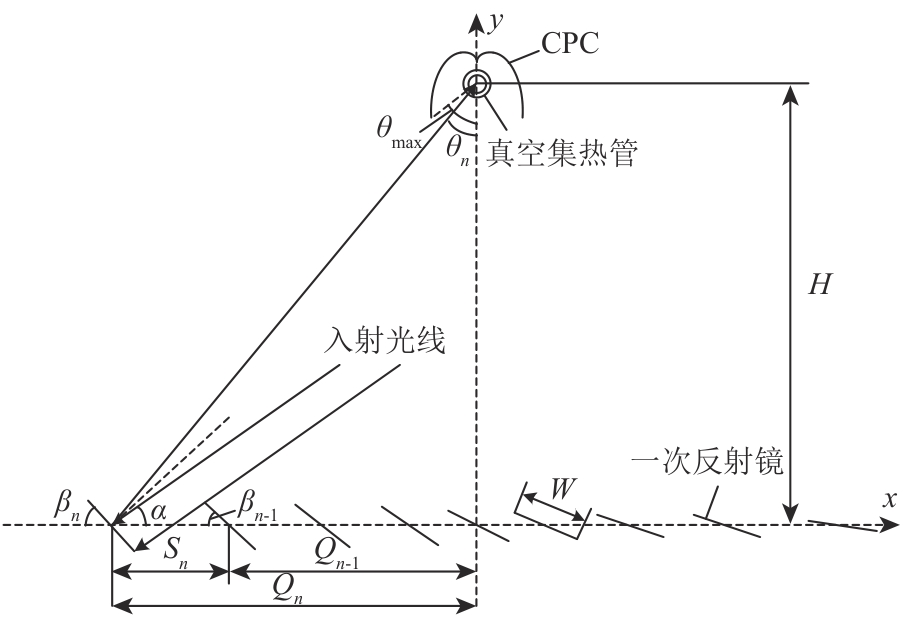
Fig. 1 Structure of linear Fresnel concentrating collector
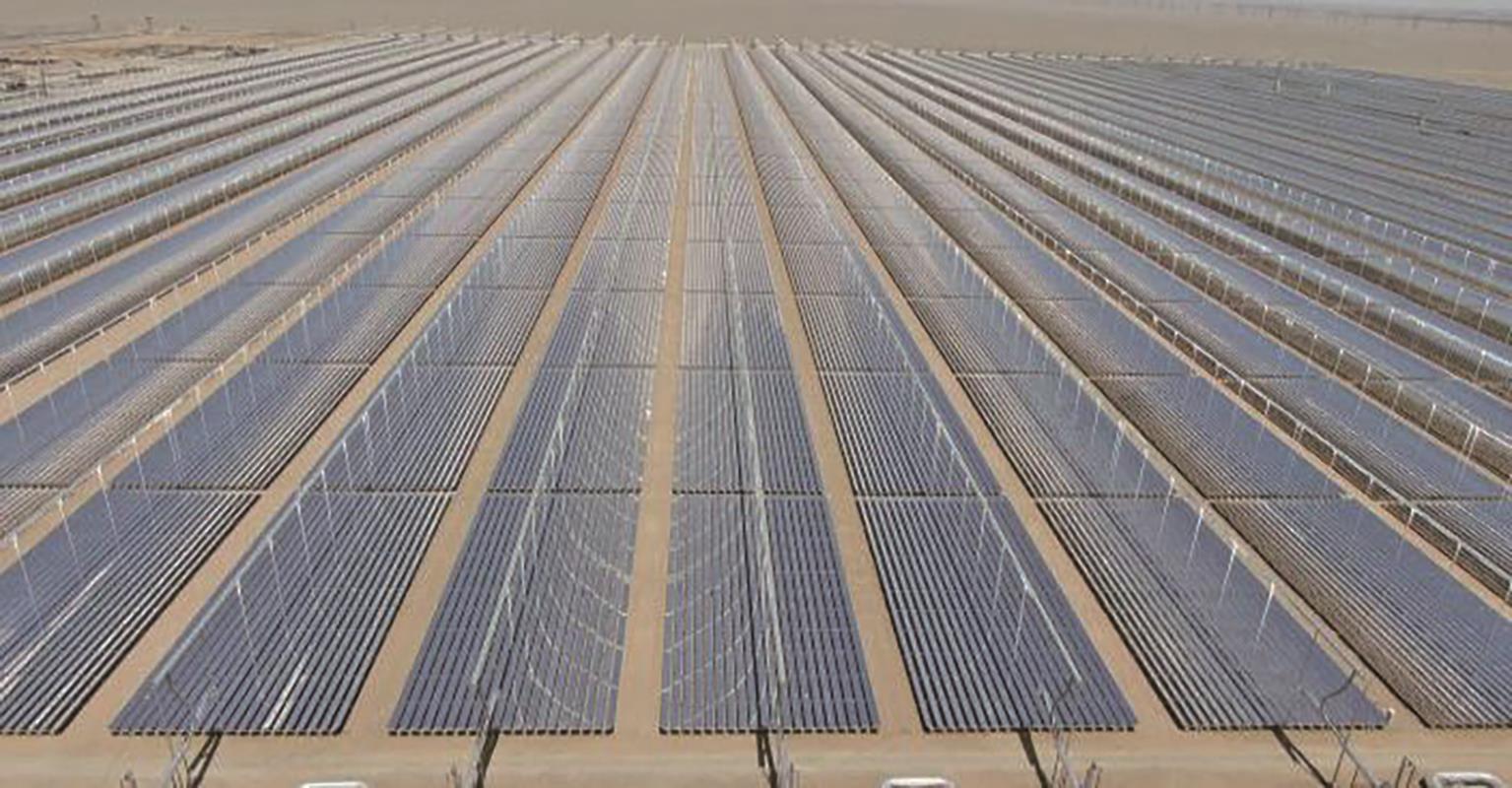
Fig. 2 Dunhuang 50 MW molten salt linear Fresnel photothermal power station
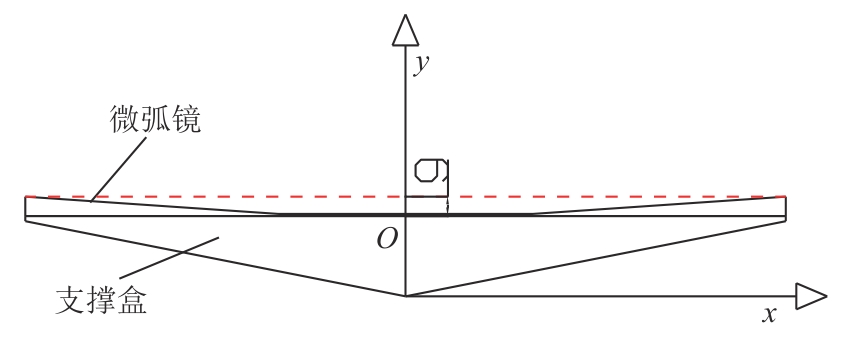
Fig. 3 Structure of micro-arc primary reflector
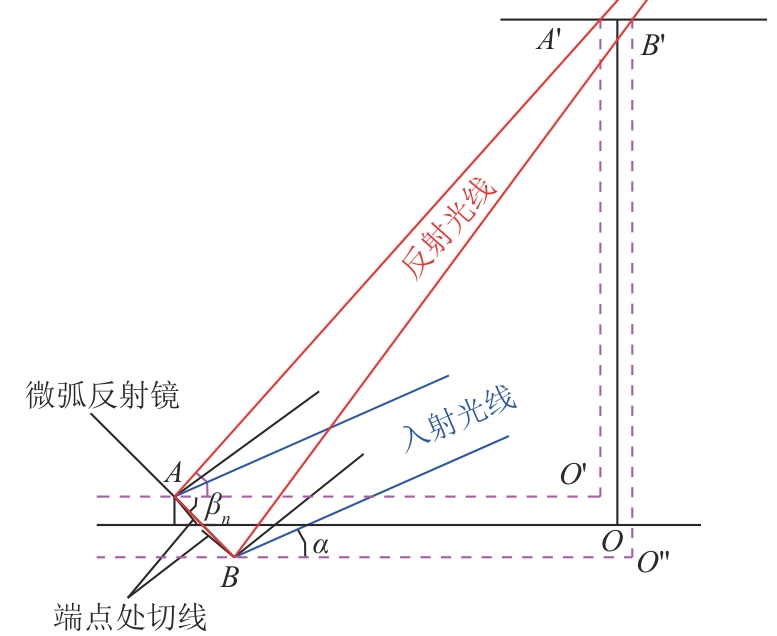
Fig. 4 Light reflection schematic diagram at the edge of micro-arc reflector
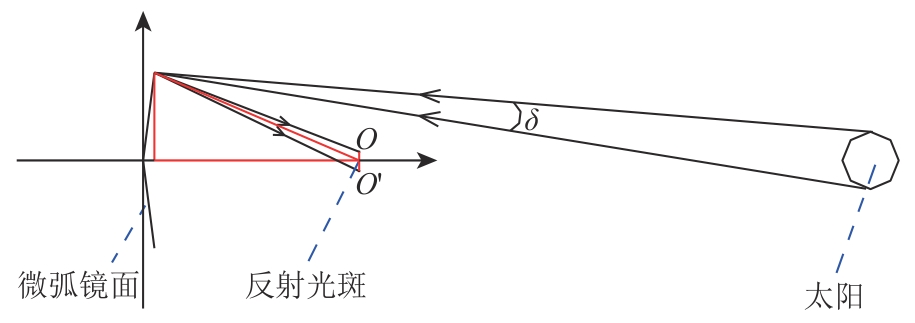
Fig. 5 Schematic diagram of the effect of solar angle on the reflected light path
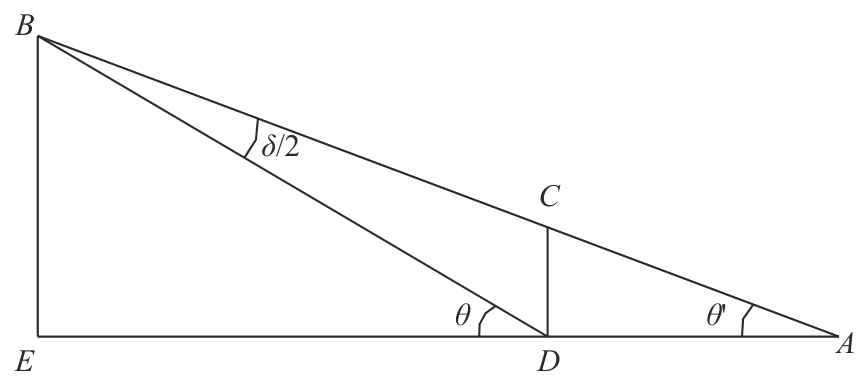
Fig. 6 Equivalent diagram of the relationship between solar angle, light spot width, and focal length
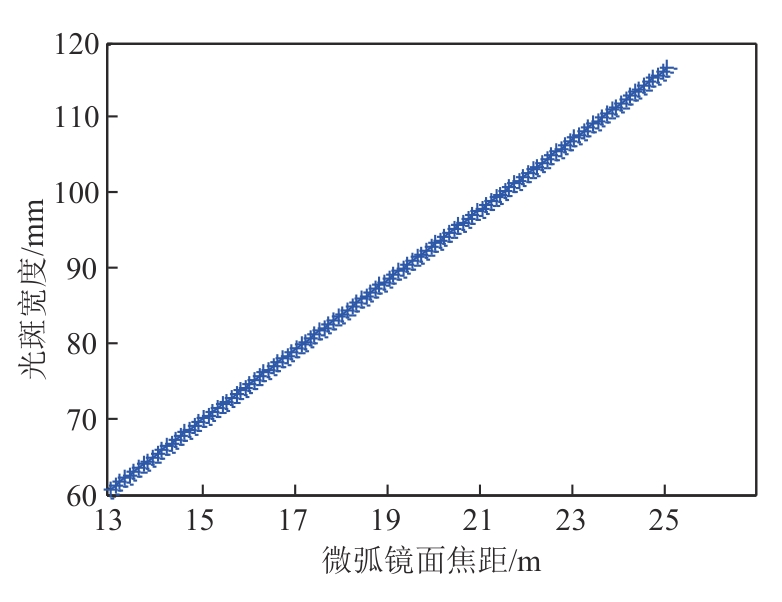
Fig. 7 The corresponding relationship between light spot width and focal length caused by the solar angle
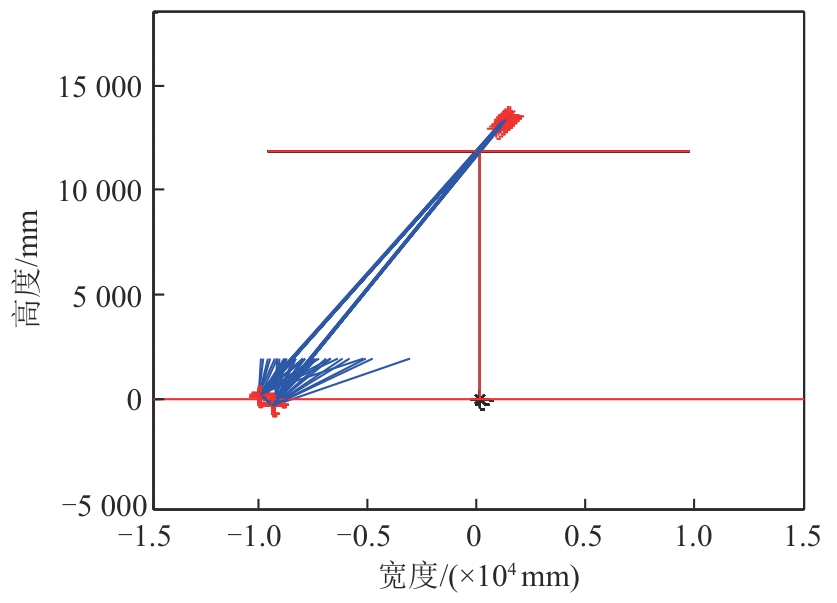
Fig. 8 Simulation path of reflected light at the edge of micro-arc reflector
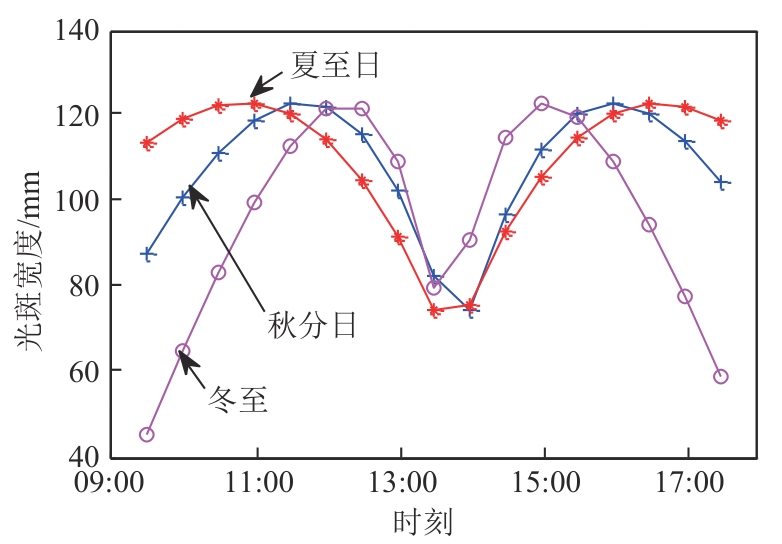
Fig. 9 Change curve of light spot widths of micro-arc reflector on typical day
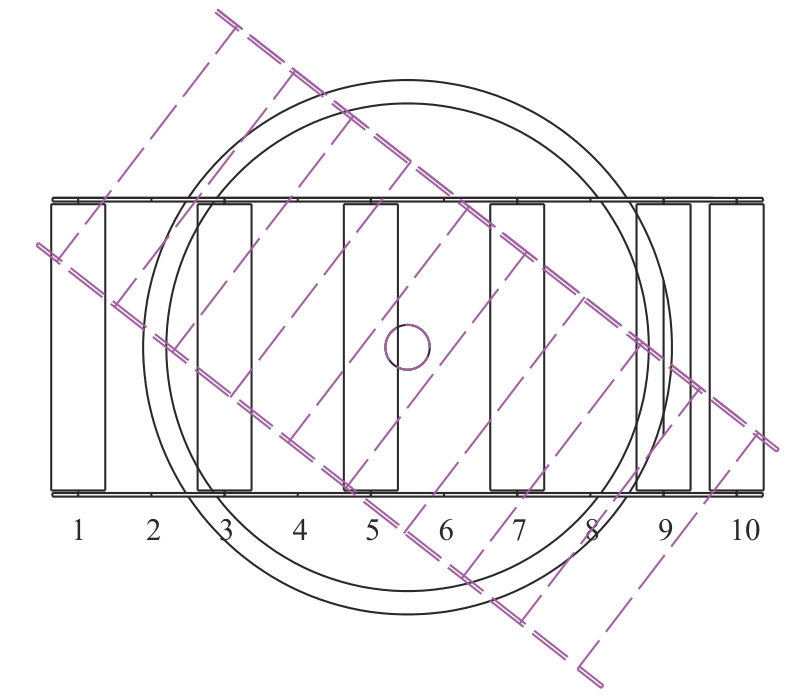
Fig. 10 Schematic diagram of rotating test platform structure
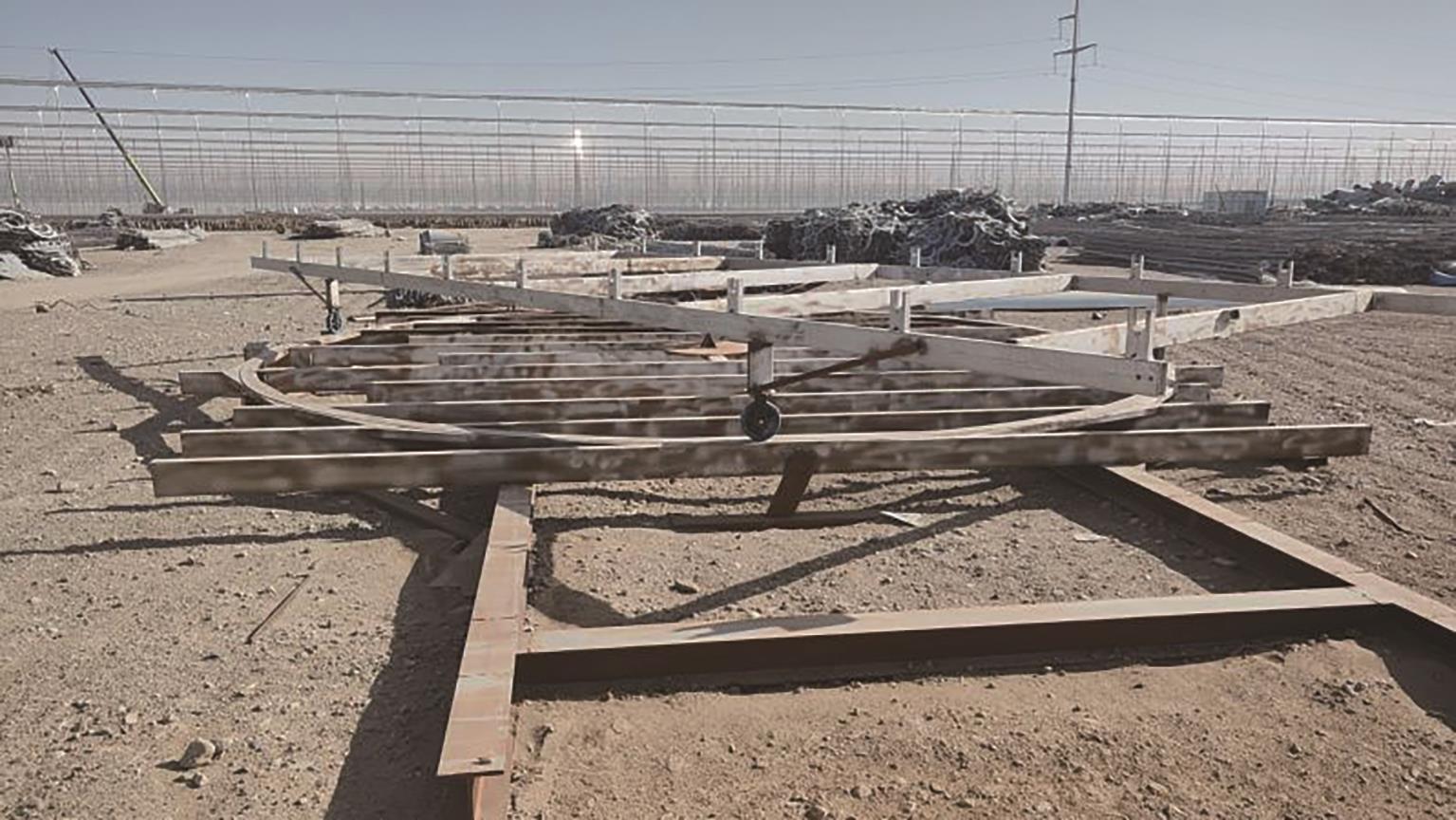
Fig. 11 Rotating test platform
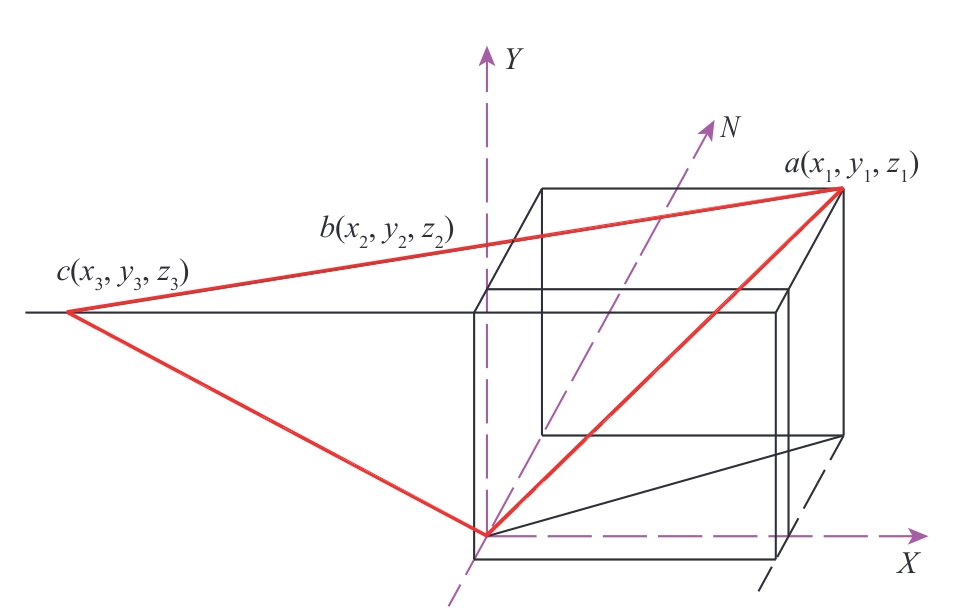
Fig. 12 Geometric relationship diagram of of reflected light spot position
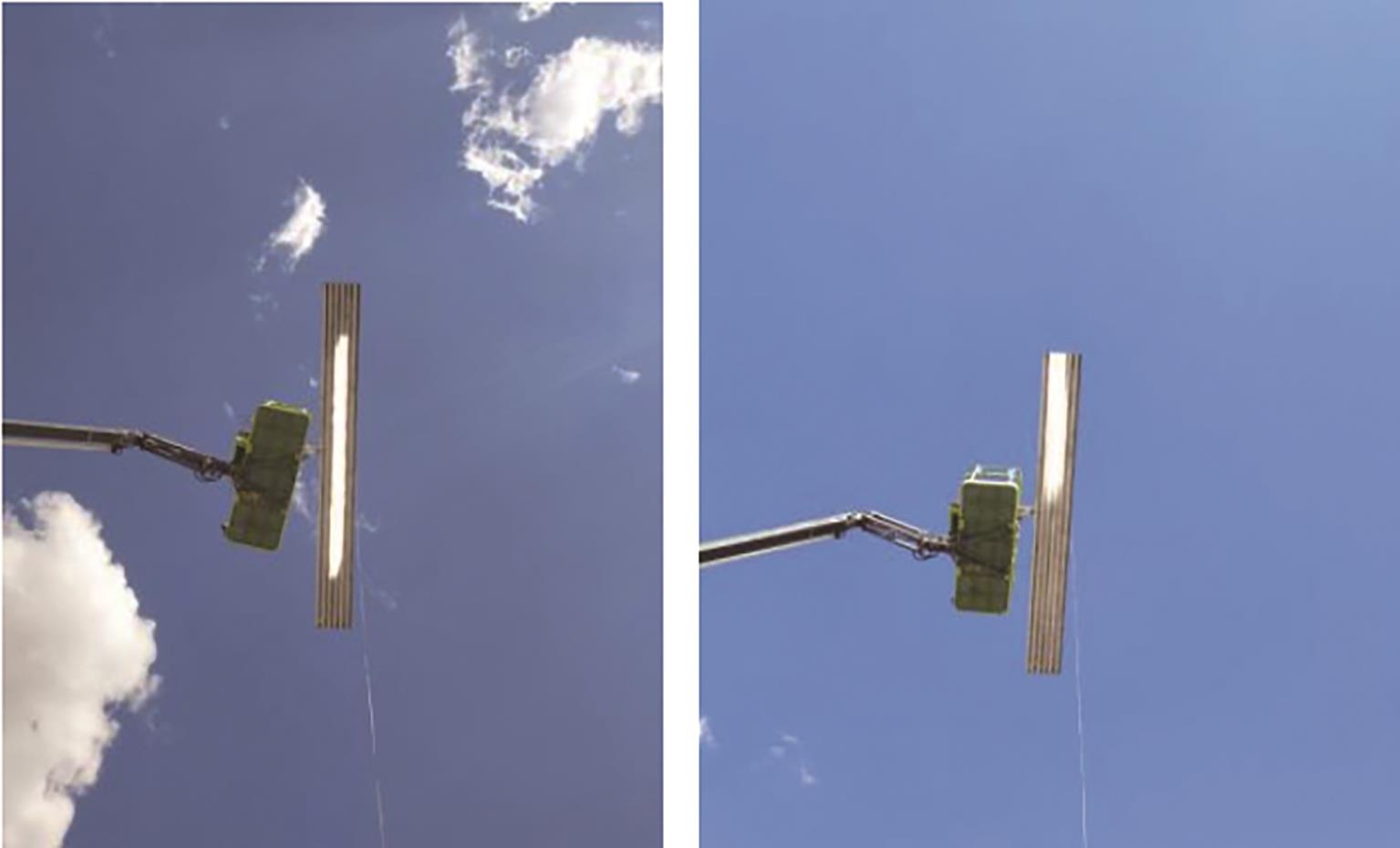
Fig. 13 Light spot test results
| 测试数据 | 09:30 | 10:30 | 11:30 | 12:30 | 13:30 |
|---|---|---|---|---|---|
| 测试结果/mm | 250 | 295 | 340 | 315 | 245 |
| 仿真结果(平行光)/mm | 88 | 112 | 122 | 115 | 80 |
| 仿真结果修正值(考虑太阳张角)/mm | 182 | 206 | 216 | 209 | 174 |
| (测试结果/仿真结果修正值)/% | 137 | 143 | 157 | 150 | 140 |
Tab. 1 Comparison of average light spot widths of D-type reflector at different times on spring equinox
| 测试数据 | 09:30 | 10:30 | 11:30 | 12:30 | 13:30 |
|---|---|---|---|---|---|
| 测试结果/mm | 250 | 295 | 340 | 315 | 245 |
| 仿真结果(平行光)/mm | 88 | 112 | 122 | 115 | 80 |
| 仿真结果修正值(考虑太阳张角)/mm | 182 | 206 | 216 | 209 | 174 |
| (测试结果/仿真结果修正值)/% | 137 | 143 | 157 | 150 | 140 |
| 测试数据 | 11:00 | 12:00 | 13:00 | 13:45 |
|---|---|---|---|---|
| 测试结果/mm | 335 | 360 | 345 | 315 |
| 仿真结果(平行光)/mm | 100 | 122 | 110 | 85 |
| 仿真结果修正值(考虑太阳张角)/mm | 194 | 216 | 204 | 179 |
| (测试结果/仿真结果修正值)/% | 172 | 166 | 169 | 175 |
Tab. 2 Comparison of average light spot widths of D-type reflector at different times on winter solstice
| 测试数据 | 11:00 | 12:00 | 13:00 | 13:45 |
|---|---|---|---|---|
| 测试结果/mm | 335 | 360 | 345 | 315 |
| 仿真结果(平行光)/mm | 100 | 122 | 110 | 85 |
| 仿真结果修正值(考虑太阳张角)/mm | 194 | 216 | 204 | 179 |
| (测试结果/仿真结果修正值)/% | 172 | 166 | 169 | 175 |
| 1 | 詹晶,王志峰 .太阳能热发电技术在新一代能源系统中定位的思考[J].电力与能源进展,2018,6(1):1-9. |
| ZHAN J, WANG Z F .Solar thermal power generation technology in a new generation of energy system positioning[J].Advances in Energy and Power Engineering,2018,6(1):1-9. | |
| 2 | 孙岩,于海龙,张长政 .我国太阳能发电技术现状及发展趋势分析[J].智能电网,2014,4(4):163-169. |
| SUN Y, YU H L, ZHANG C Z . Present situation and development trend analysis of solar power technology in China[J].Smart Grid,2014,4(4):163-169. | |
| 3 | 李富春,刘飞,邵成成,等 .光热与光伏发电综合对比[J].电力工程技术,2024,43(1):246-253. |
| LI F C, LIU F, SHAO C C,et al .Comprehensive comparison between photothermal power generation and photovoltaic power generation[J].Electric Power Engineering Technology,2024,43(1):246-253. | |
| 4 | 张涛,刘伉,陶然,等 .计及热惯性及光热电站的综合能源系统优化[J].电力建设,2023,44(1):109-117. doi:10.12204/j.issn.1000-7229.2023.01.013 |
| ZHANG T, LIU K, TAO R,et al .Integrated energy system optimization considering thermal inertia and CSP atation[J].Electric Power Construction,2023,44(1):109-117. doi:10.12204/j.issn.1000-7229.2023.01.013 | |
| 5 | 马云聪,武传涛,林湘宁,等 .计及碳排放权交易的光热电站市场竞价策略研究[J].电力系统保护与控制,2023,51(4):82-92. |
| MA Y C, WU C T, LIN X N,et al .Bidding strategy for a concentrated solar power plant participating in the electricity market with the background of carbon trading[J].Power System Protection and Control,2023,51(4):82-92. | |
| 6 | 王立,张智,施瑶璐,等 .基于数值仿真的抛物槽式太阳能集热器研究进展[J].发电技术,2021,42(6):643-652. doi:10.12096/j.2096-4528.pgt.21061 |
| WANG L, ZHANG Z, SHI Y L,et al .Research progress of parabolic trough solar collector based on numerical simulation[J].Power Generation Technology,2021,42(6):643-652. doi:10.12096/j.2096-4528.pgt.21061 | |
| 7 | 刘兰华,王瑞林,洪慧 .塔式太阳能辅助燃气蒸汽联合循环钙基碳捕集系统设计[J].发电技术,2021,42(4):517-524. doi:10.12096/j.2096-4528.pgt.21081 |
| LIU L H, WANG R L, HONG H .Design of calcium-based carbon capture system for gas-steam combined cycle assisted by solar thermal tower[J].Power Generation Technology,2021,42(4):517-524. doi:10.12096/j.2096-4528.pgt.21081 | |
| 8 | 潘康,庞玉昌 .太阳能光热发电技术研究综述[J].中国太阳能工程,2019(3):35-36. |
| PAN K, PANG Y C .A review of solar photothermal power generation technology[J].Solar Engineering in China,2019(3):35-36. | |
| 9 | 陈昕,范海涛 .太阳能光热发电技术发展现状[J].能源与环境,2012(1):90-92. |
| CHEN X, FAN H T .Development status of solar photothermal power generation technology[J].Energy and Environment,2012(1):90-92. | |
| 10 | 李英峰,张涛,张衡,等 .太阳能光伏光热高效综合利用技术[J].发电技术,2022,43(3):373-391. doi:10.12096/j.2096-4528.pgt.22052 |
| LI Y F, ZHANG T, ZHANG H,et al .Efficient and comprehensive photovoltaic/photothermal utilization technologies for solar energy[J].Power Generation Technology,2022,43(3):373-391. doi:10.12096/j.2096-4528.pgt.22052 | |
| 11 | QIU Y, HE Y L, WU M,et al .A comprehensive model for optical and thermal characterization of a linear Fresnel solar reflector with a trapezoidal cavity receiver[J].Renewable Energy,2016,97:129-144. doi:10.1016/j.renene.2016.05.065 |
| 12 | BELLOS E, TZIVANIDIS C .Multi-criteria evaluation of a nanofluid-based linear Fresnel solar collector[J].Solar Energy,2018,163:200-214. doi:10.1016/j.solener.2018.02.007 |
| 13 | 孟庆宇,汪洪源,王维,等 .基于光程变化量的反射式光学系统敏感度理论分析与降敏设计方法[J].光学精密工程,2021,29(1):72-83. doi:10.37188/ope.20212901.0072 |
| MENG Q Y, WANG H Y, WANG W,et al .Sensitivity theoretical analysis and desensitization design method for reflective optical system based on optical path variation[J].Optics and Precision Engineering,2021,29(1):72-83. doi:10.37188/ope.20212901.0072 | |
| 14 | 雷德胜,杨谋存,朱跃钊 .微型抛物面槽式聚光集热器光学性能研究[J].南京工业大学学报(自然科学版),2018,40(5):85-89. |
| LEI D S, YANG M C, ZHU Y Z .Study on optical efficiency of a microparabolic trough concentrator[J].Journal of Nanjing Tech University (Natural Science Edition),2018,40(5):85-89. | |
| 15 | 马军,王成龙,夏养君 .线性菲涅尔式太阳能聚光系统二次聚光器研究进展[J].中国科学:技术科学,2020,50(8):997-1008. doi:10.1360/sst-2020-0190 |
| MA J, WANG C L, XIA Y J .Research progress on secondary concentrator for linear Fresnel reflector[J].Scientia Sinica (Technologica),2020,50(8):997-1008. doi:10.1360/sst-2020-0190 | |
| 16 | 宋景慧,马继帅,湛志钢,等 .线性菲涅尔集热器光学特性实例分析与模拟[J].动力工程学报,2016,36(7):563-568. |
| SONG J H, MA J S, ZHAN Z G,et al .Optical analysis and simulation of a linear Fresnel solar collector[J].Journal of Chinese Society of Power Engineering,2016,36(7):563-568. | |
| 17 | GÜVEN H M, BANNEROT R B .Derivation of universal error parameters for comprehensive optical analysis of parabolic troughs[J].Journal of Solar Energy Engineering,1986,108(4):275-281. doi:10.1115/1.3268106 |
| 18 | 杨妮,燕必希,董明利,等 .跟踪与装配误差对PTC截断因子的影响分析[J].可再生能源,2016,34(2):159-165. |
| YANG N, YAN B X, DONG M L,et al .Influence analysis of tracking and assembly error on PTC intercept factor[J].Renewable Energy Resources,2016,34(2):159-165. | |
| 19 | BINOTTI M, ZHU G, GRAY A,et al .Geometric analysis of three-dimensional effects of parabolic trough collectors[J].Solar Energy,2013,88:88-96. doi:10.1016/j.solener.2012.10.025 |
| 20 | 王显龙,姚远,李华山,等 .槽式集热器反射镜抛物变形对允许跟踪误差的影响[J].热力发电,2019,48(7):86-91. |
| WANG X L, YAO Y, LI H S,et al .Influence of reflector deformation on allowed tracking error of parabolic trough collector[J].Thermal Power Generation,2019,48(7):86-91. | |
| 21 | 马保宏,葛素红,李守义 .槽式抛物面聚光器能流密度分布的理论研究[J].激光与光电子学进展,2015,52(8):124-129. doi:10.3788/lop52.080801 |
| MA B H, GE S H, LI S Y .Investigation of energy-flux-density distribution of parabolic trough solar concentrators[J].Laser & Optoelectronics Progress,2015,52(8):124-129. doi:10.3788/lop52.080801 | |
| 22 | HUANG F, LI L, HUANG W .Optical performance of an azimuth tracking linear Fresnel solar concentrator[J].Solar Energy,2014,108:1-12. doi:10.1016/j.solener.2014.06.028 |
| 23 | HOFER A, BÜCHNER D, KRAMER K,et al .Comparison of two different (quasi-) dynamic testing methods for the performance evaluation of a linear Fresnel process heat collector[J].Energy Procedia,2015,69:84-95. doi:10.1016/j.egypro.2015.03.011 |
| 24 | 王成龙,马军,范多旺,等 .用于线性菲涅尔式聚光系统的CPC仿真研究[J].红外与激光工程,2015,44(2):556-560. |
| WANG C L, MA J, FAN D W,et al .Simulation study of a CPC for linear Fresnel reflector system[J].Infrared and Laser Engineering,2015,44(2):556-560. | |
| 25 | 马军,王成龙,夏养君 .用于线性菲涅尔式聚光系统的复合抛物面聚光器[J].光学 精密工程,2019,27(12):2542-2548. doi:10.3788/ope.20192712.2542 |
| MA J, WANG C L, XIA Y J .Compound parabolic collector for linear Fresnel reflector system[J].Optics and Precision Engineering,2019,27(12):2542-2548. doi:10.3788/ope.20192712.2542 | |
| 26 | 杜春旭,王普,马重芳,等 .一种高精度太阳位置算法[J].能源工程,2010,30(2):41-44. |
| DU C X, WANG P, MA C F,et al .A high accuracy algorithm for the calculation of solar position[J].Energy Engineering,2010,30(2):41-44. | |
| 27 | 杜春旭,王普,马重芳,等 .用天文测量简历精确计算太阳位置的方法[J].可再生能源,2010,28(3):85-88. |
| DU C X, WANG P, MA C F,et al .Algorithm for the calculation of solar position by using astronomical almanac[J].Renewable Energy Resources,2010,28(3):85-88. | |
| 28 | 张志勇,孔令刚,范多进,等 .线性菲涅耳集热器聚光误差分析及其补偿算法研究[J].激光与光电子学进展,2022,59(7):140-147. doi:10.3788/LOP202259.0708001 |
| ZHANG Z Y, KONG L G, FAN D J,et al .Analysis of light concentration error and compensation algorithm of linear Fresnel collector[J].Laser & Optoelectronics Progress,2022,59(7):140-147. doi:10.3788/LOP202259.0708001 | |
| 29 | 肖瑶,钮文泽,魏高升,等 .太阳能光伏/光热技术研究现状与发展趋势综述[J].发电技术,2022,43(3):392-404. doi:10.12096/j.2096-4528.pgt.21145 |
| XIAO Y, NIU W Z, WEI G S,et al .Review on research status and developing tendency of solar photovoltaic/thermal technology[J].Power Generation Technology,2022,43(3):392-404. doi:10.12096/j.2096-4528.pgt.21145 |
| [1] | Bin HUANG, Wei ZHAO, Lida LIAO, Meng XIAO, Jialiang HUANG, Ke XING. Research on Shadow Mitigation Strategy for Sloped Photovoltaic Arrays Based on Environmental Parameter Model [J]. Power Generation Technology, 2025, 46(3): 579-589. |
| [2] | Nan TU, Jiachen LIU, Jing XU, Jiabin FANG, Yanhua MA. Performance Analysis of Heat Storage and Release Process for a Shell-and-Tube Phase Change Heat Exchanger [J]. Power Generation Technology, 2024, 45(3): 508-516. |
| [3] | Xiaowen WANG, Nan TU, Jiabin FANG, Xiaoqun LIU, Chiyu WANG, Jiachen LIU. Simulation of Optical Performance for a Solar Cavity Receiver Arranged With Spiral Tubes [J]. Power Generation Technology, 2023, 44(2): 221-228. |
| [4] | ABD-HAMID Mohamed, Longyu XIA, Gaosheng WEI, Liu CUI, Chao XU, Xiaoze DU. Performance Analysis of Photovoltaic/Thermal Hybrid System Integrated With Phase Change Heat Storage Materials [J]. Power Generation Technology, 2023, 44(1): 53-62. |
| [5] | Yao XIAO, Wenze NIU, Gaosheng WEI, Liu CUI, Xiaoze DU. Review on Research Status and Developing Tendency of Solar Photovoltaic/Thermal Technology [J]. Power Generation Technology, 2022, 43(3): 392-404. |
| [6] | Yingfeng LI, Tao ZHANG, Heng ZHANG, Peng CUI, Zaiguo FU, Zhongliang GAO, Qi GENG, Zhihan LIU, Qunzhi ZHU, Hexing LI, Meicheng LI. Efficient and Comprehensive Photovoltaic/Photothermal Utilization Technologies for Solar Energy [J]. Power Generation Technology, 2022, 43(3): 373-391. |
| [7] | Chunxu DU, Yancheng MA, Yanquan WANG, Jihao XIE, Jinkai LIU, Yuanwei LU. Development of Molten Salt Electric Heating Control System Based on Monitor and Control Generated System and Programmable Logic Controller [J]. Power Generation Technology, 2021, 42(6): 727-733. |
| [8] | Ding WANG, Yuxuan CHEN, Hu XIAO, Yanping ZHANG. Comparative Analysis of Heat Transfer Characteristics of Conical Cavity Receivers With Different Heat Transfer Fluids [J]. Power Generation Technology, 2021, 42(6): 682-689. |
| [9] | Kai XUE, Yihan WANG, Heng CHEN, Gang XU, Jing LEI. Thermodynamic Performance Analysis of a Parabolic Trough Solar-assisted Biomass-fired Cogeneration System [J]. Power Generation Technology, 2021, 42(6): 653-664. |
| [10] | Zheyang ZHANG,Xing JU,Xinyu PAN,Yu YANG,Chao XU,Xiaoze DU. Photovoltaic/Concentrated Solar Power Hybrid Technology and Its Commercial Application [J]. Power Generation Technology, 2020, 41(3): 220-230. |
| [11] | Kexun LI,Mingzhu ZONG,Gaosheng WEI. Overview of Geothermal Power Generation and Joint Power Generation With Other New Energy Sources [J]. Power Generation Technology, 2020, 41(1): 79-87. |
| [12] | Zhengzheng ZHAO,Yao WANG,Bin LIU,Gaosheng WEI. Experimental Study on Corrosion Characteristics of Ternary Mixed Chloride Salt NaCl-KCl-MgCl2 [J]. Power Generation Technology, 2018, 39(6): 561-565. |
| [13] | Yujiong GU,Limin CHEN,Zhi GENG. Performance Analysis of ORC System for Non-Zeotropic Mixtures Under Different Solar Energy Sources [J]. Power Generation Technology, 2018, 39(2): 177-187. |
| Viewed | ||||||
|
Full text |
|
|||||
|
Abstract |
|
|||||
