

Power Generation Technology ›› 2025, Vol. 46 ›› Issue (3): 421-437.DOI: 10.12096/j.2096-4528.pgt.24240
• Application of AI in New Power System •
Jun ZHANG1, Tianjiao PU2, Wenzhong GAO1, Youbo LIU3, Wei PEI4, Peidong XU1, Tianlu GAO1, Yuyang BAI1
Received:2024-11-15
Revised:2025-02-18
Published:2025-06-30
Online:2025-06-16
Supported by:CLC Number:
Jun ZHANG, Tianjiao PU, Wenzhong GAO, Youbo LIU, Wei PEI, Peidong XU, Tianlu GAO, Yuyang BAI. Key Technologies and Application Prospects of Intelligent Computing in Power Systems[J]. Power Generation Technology, 2025, 46(3): 421-437.
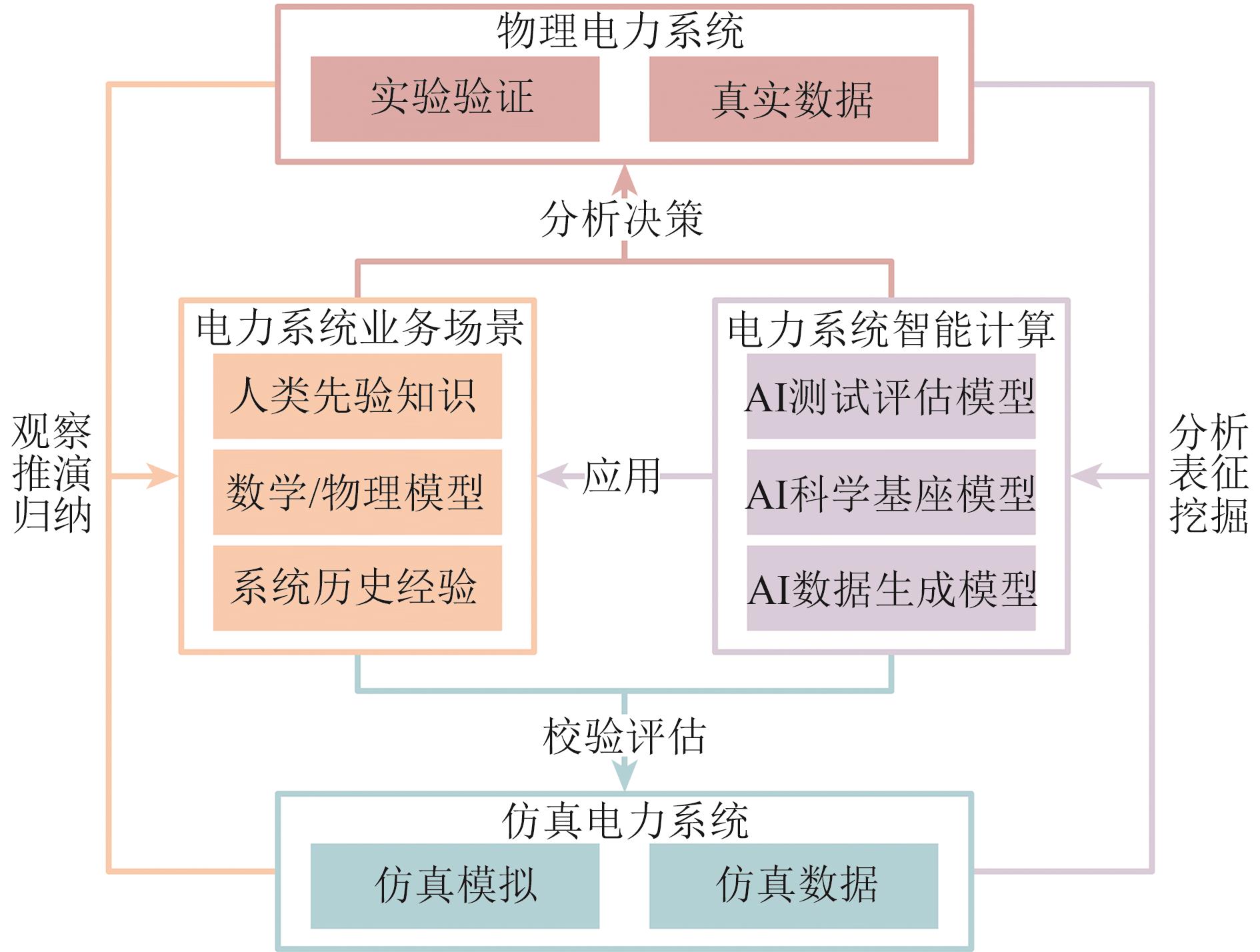
Fig. 1 Three key elements of intelligent computing in power systems
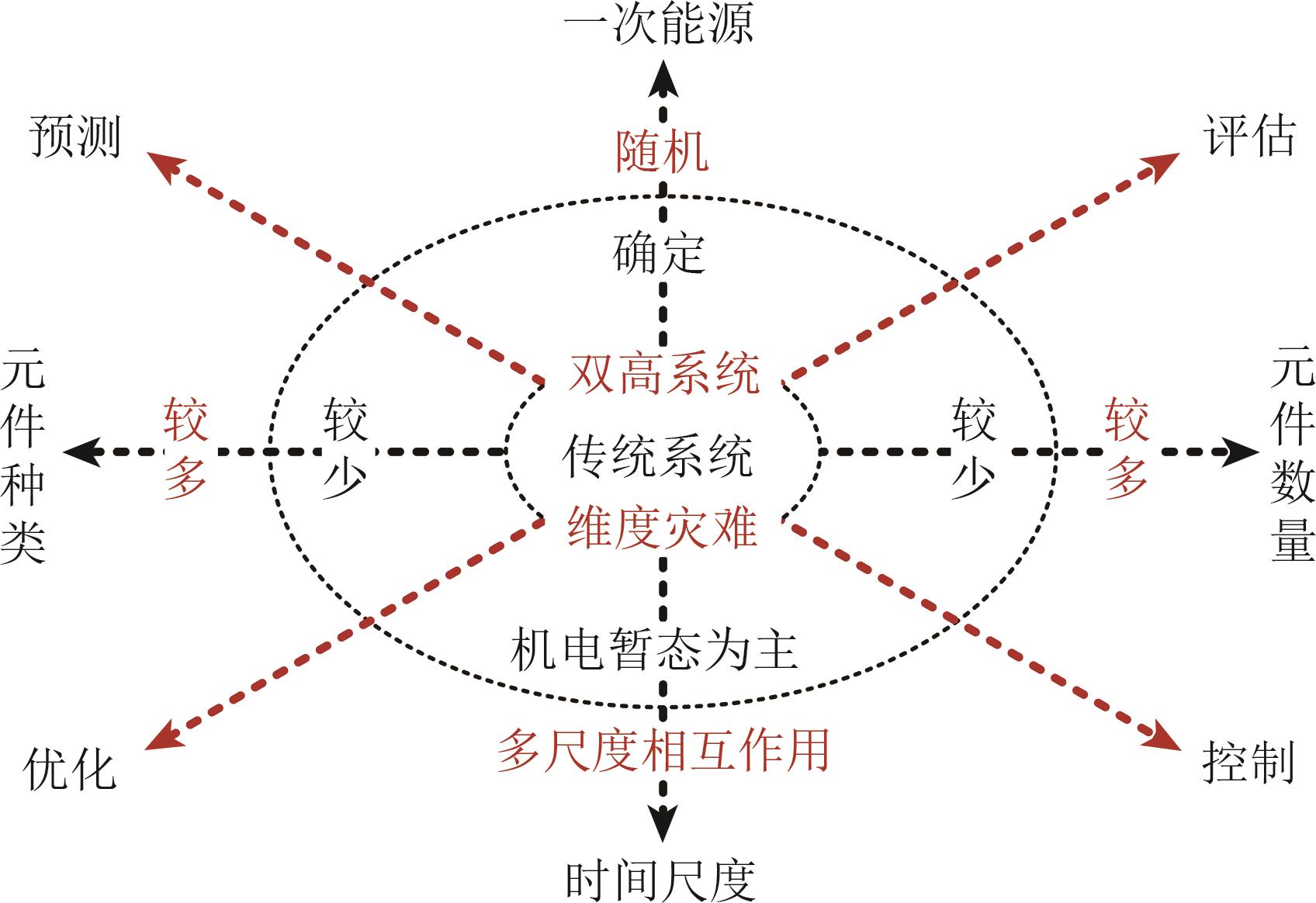
Fig. 2 Four-dimensional development trends of new-type power systems
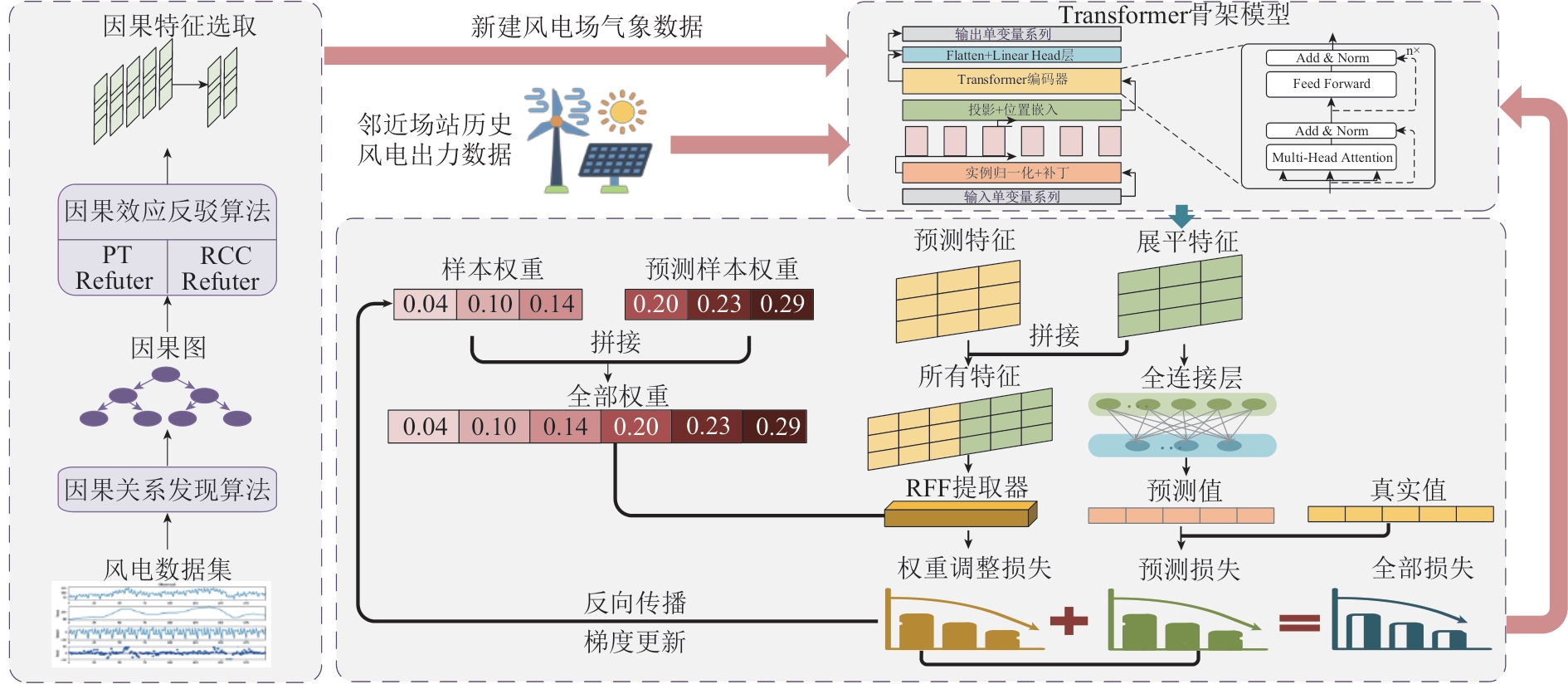
Fig. 3 Overall structure of CPTCFS prediction model for new wind farms empowered by intelligent computing
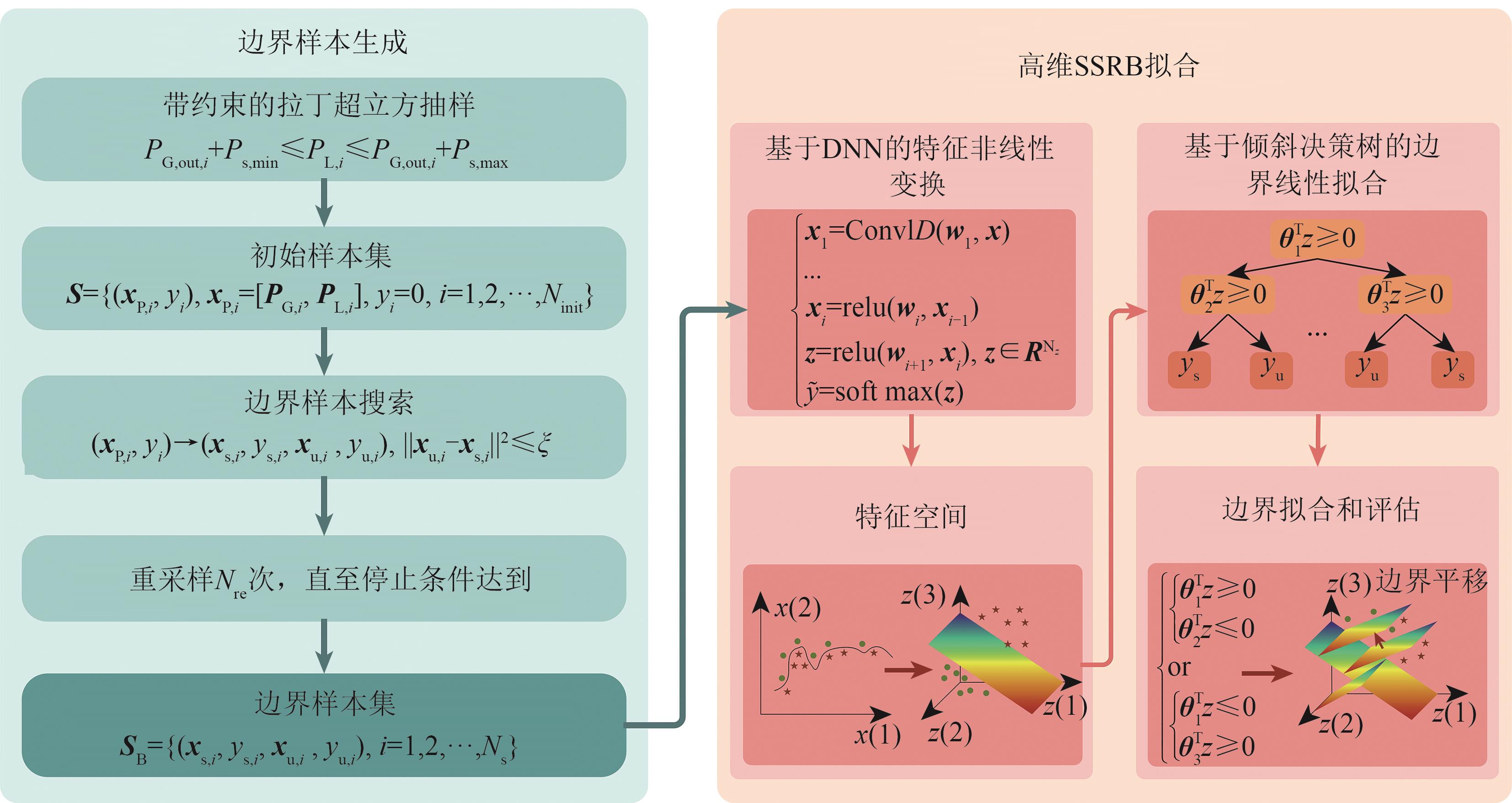
Fig. 4 Optimization of high-dimensional static security region boundary fitting empowered by intelligent computing
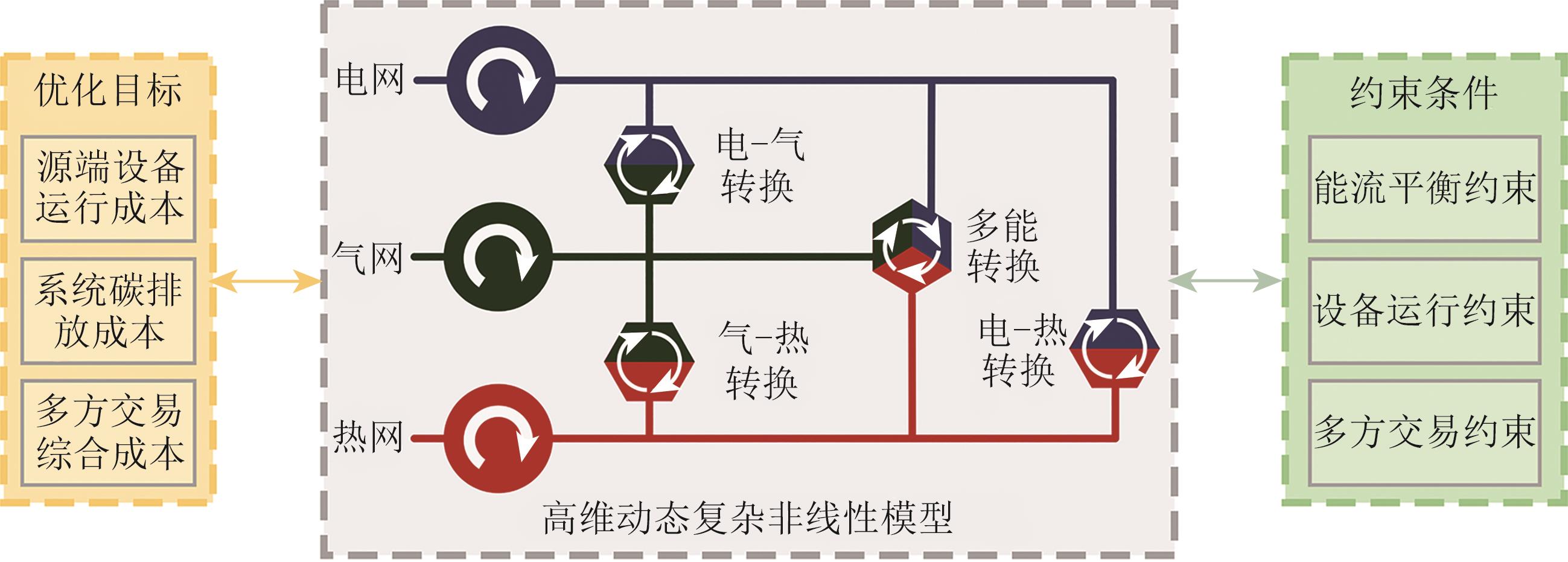
Fig. 5 Characteristics of optimization problems in multi-energy coupling systems
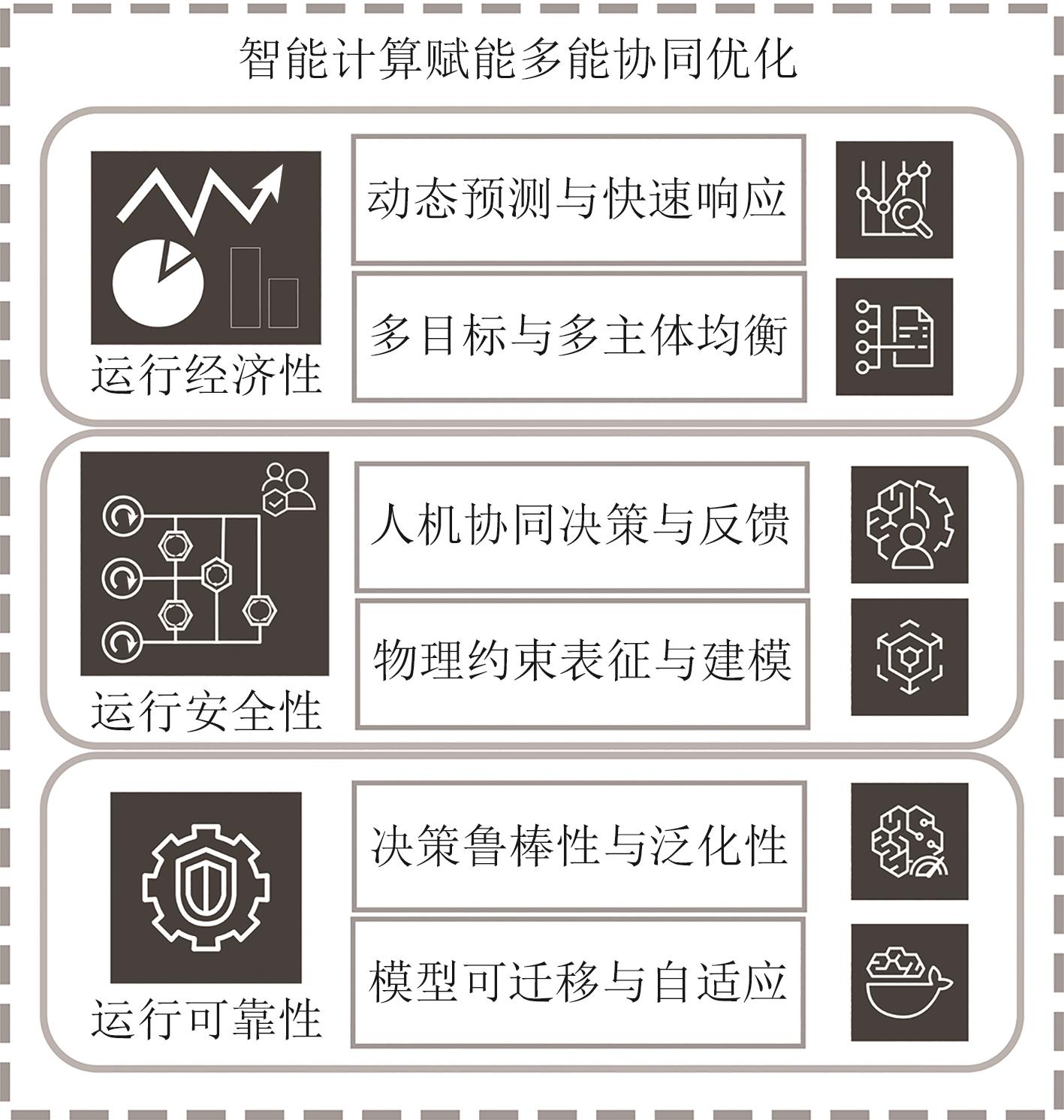
Fig. 6 Coordinated optimization of multi-energy microgrids empowered by intelligent computing
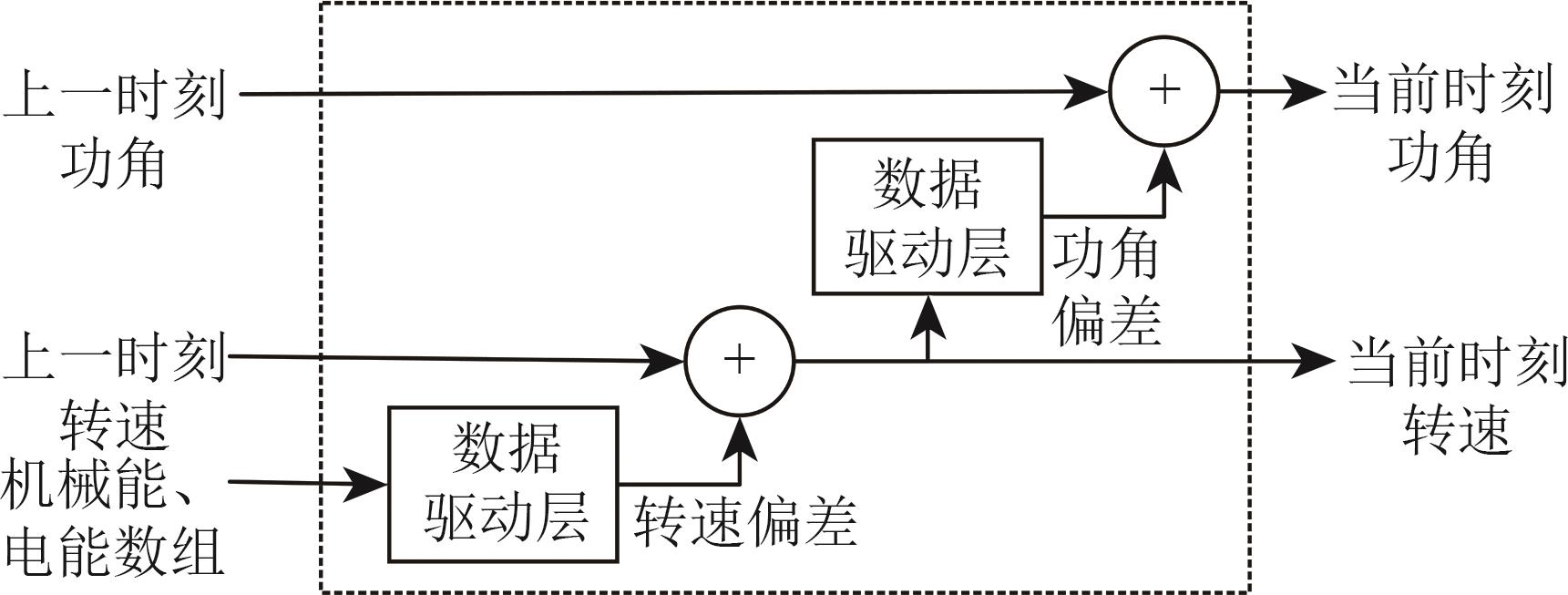
Fig. 7 Hybrid physics-informed recurrent neural network unit
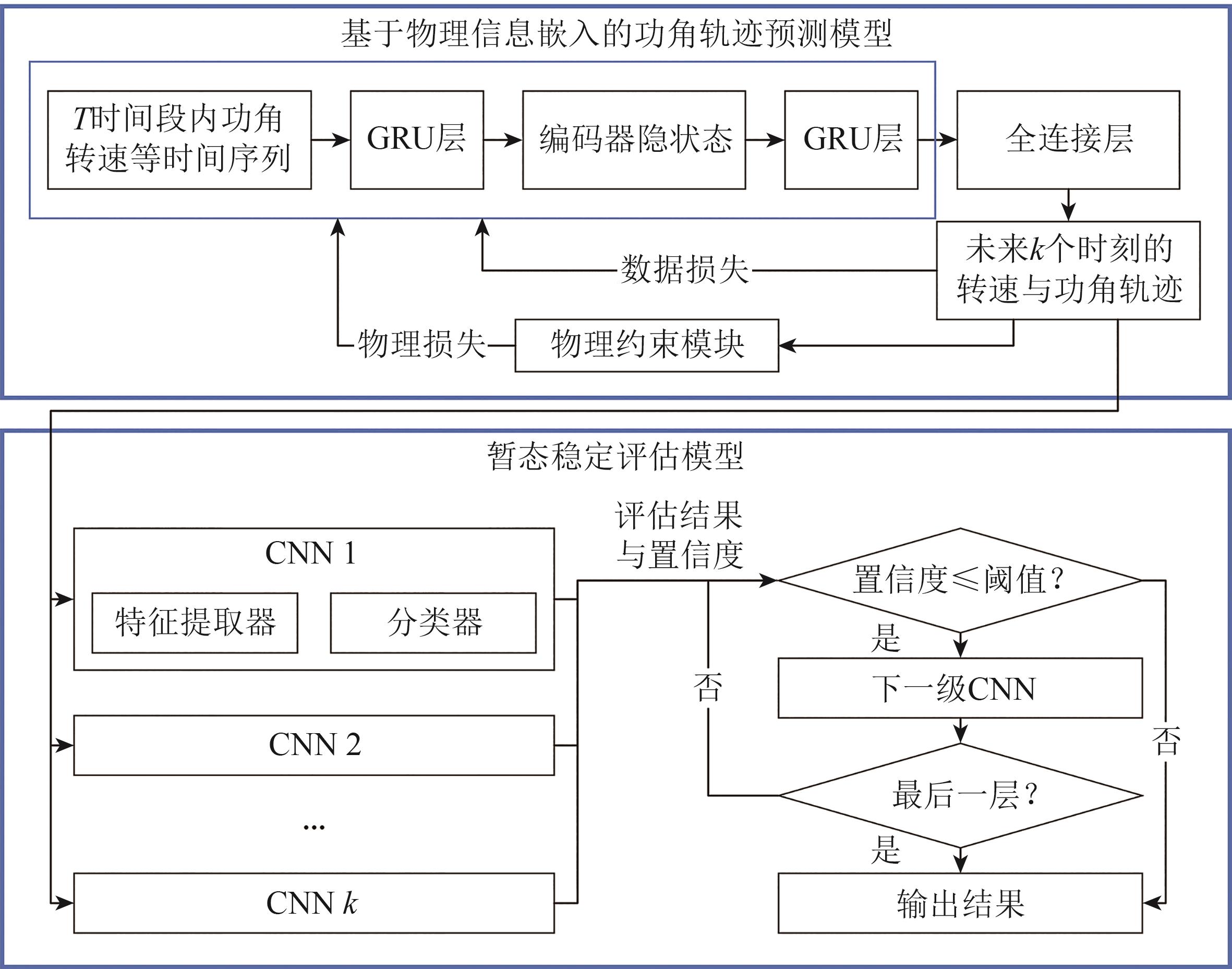
Fig. 8 Transient power angle control empowered by intelligent computing
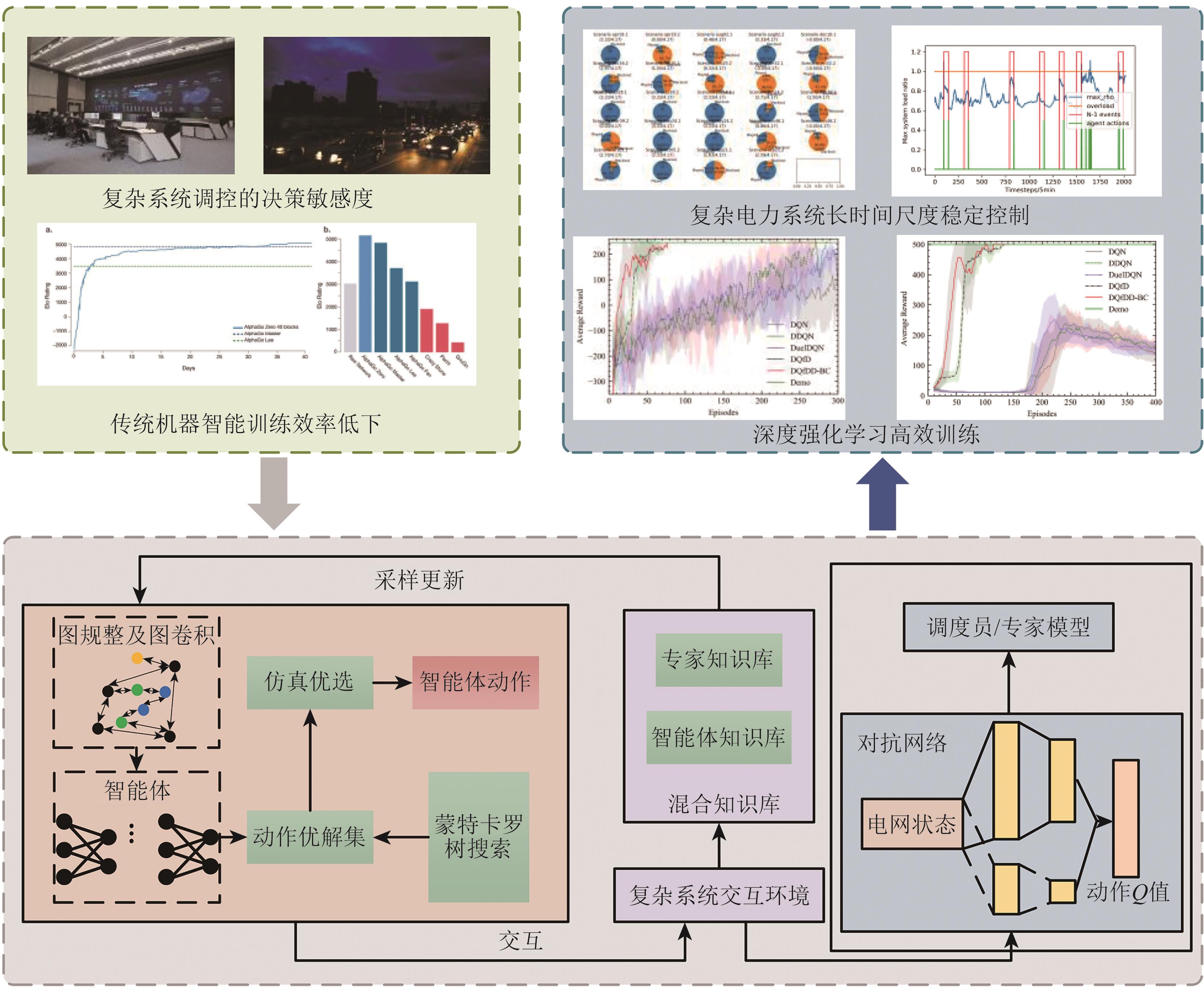
Fig. 9 Simulation-driven graph attention reinforcement learning method
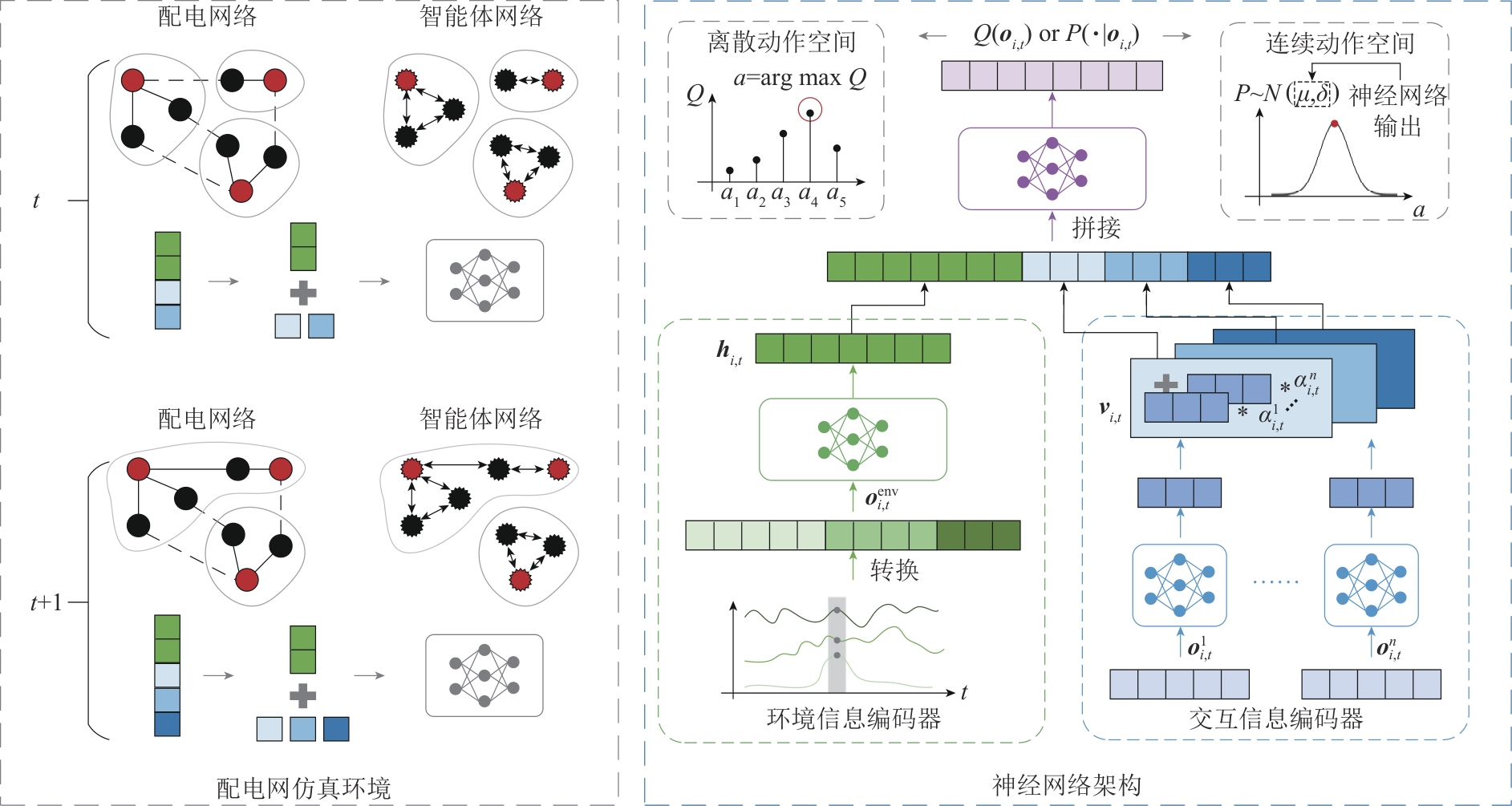
Fig. 10 Operation control of distribution network empowered by intelligent computing
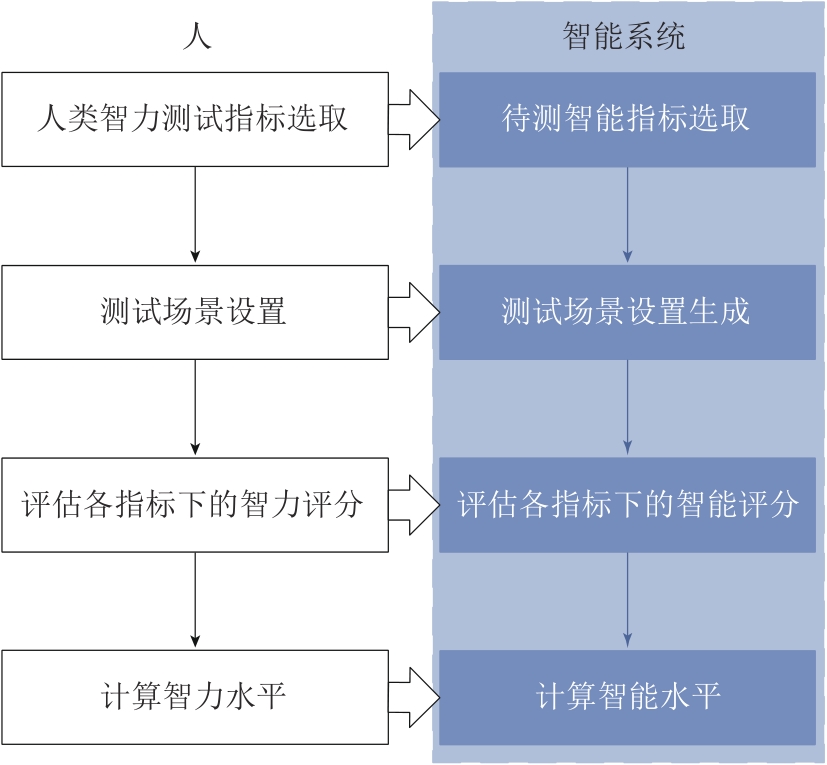
Fig. 11 Intelligent quantitative evaluation process of intelligent agents in new-type power systems
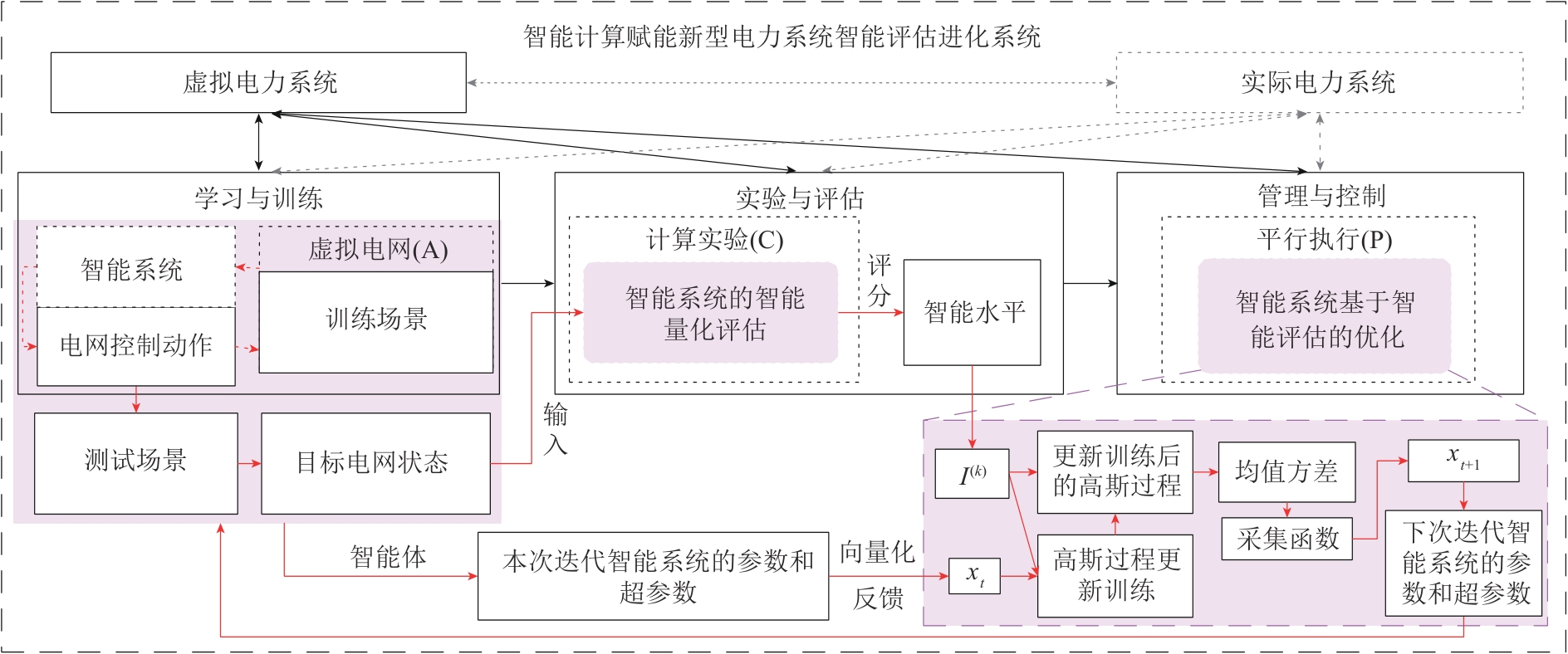
Fig. 12 Intelligent evaluation of new-type power systems empowered by intelligent computing
| 1 | 国家能源局 .新型电力系统发展蓝皮书[EB/OL].[2024-10-12].. |
| National Energy Administration .Blue book of new power system development[EB/OL].[2024-10-12].. | |
| 2 | 蒲天骄,王新迎,赵琦 .“科学智能”为电力发展按下快进键[J].能源评论,2024(7):66-69. |
| PU T J, WANG X Y, ZHAO Q .“AI for Science(AI4S)” press the fast forward key for power development[J].Energy Review,2024(7):66-69. | |
| 3 | 国家发展改革委,国家能源局,国家数据局 .加快构建新型电力系统行动方案(2024—2027年)[EB/OL].(2024-07-25)[2024-11-06].. |
| National Development and Reform Commission,National Energy Administration,National Data Bureau .Action plan for accelerating the construction of new-type power system (2024-2027)[EB/OL].(2024-07-25)[2024-11-06].. | |
| 4 | YAROTSKY D .Error bounds for approximations with deep ReLU networks[J].Neural Networks,2017,94:103-114. doi:10.1016/j.neunet.2017.07.002 |
| 5 | 周孝信,陈树勇,鲁宗相,等 .能源转型中我国新一代电力系统的技术特征[J].中国电机工程学报,2018,38(7):1893-1904. |
| ZHOU X X, CHEN S Y, LU Z X,et al .Technology features of the new generation power system in China[J].Proceedings of the CSEE,2018,38(7):1893-1904. | |
| 6 | 郭剑波,范士雄,蔡忠闽,等 .大电网调控人机混合增强智能:概念内涵、应用框架、关键技术以及系统验证[J].中国电机工程学报,2024,44(17):6787-6810. |
| GUO J B, FAN S X, CAI Z M,et al .Human-machine hybrid-augmented intelligence for power system dispatching:concept connotation,application framework,key technologies and system verification[J].Proceedings of the Chinese Society for Electrical Engineering,2024,44(17):6787-6810. | |
| 7 | 鄂维南 .AI助力打造科学研究新范式[J].中国科学院院刊,2024,39(1):10-16. |
| E W N .AI helps to establish a new paradigm for scientific research[J].Bulletin of Chinese Academy of Sciences,2024,39(1):10-16. | |
| 8 | WANG H, FU T, DU Y,et al .Scientific discovery in the age of artificial intelligence[J].Nature,2023,620(7972):47-60. doi:10.1038/s41586-023-06221-2 |
| 9 | BI K, XIE L, ZHANG H,et al .Accurate medium-range global weather forecasting with 3D neural networks[J].Nature,2023,619:533-538. doi:10.1038/s41586-023-06185-3 |
| 10 | KOCHKOV D, YUVAL J, LANGMORE I,et al .Neural general circulation models for weather and climate[J].Nature,2024,632:1060-1066. doi:10.1038/s41586-024-07744-y |
| 11 | JUMPER J, EVANS R, PRITZEL A,et al .Highly accurate protein structure prediction with AlphaFold[J].Nature,2021,596:583-589. doi:10.1038/s41586-021-03819-2 |
| 12 | THORNTON J M, LASKOWSKI R A, BORKAKOTI N .AlphaFold heralds a data-driven revolution in biology and medicine[J].Nature Medicine,2021,27(10):1666-1669. doi:10.1038/s41591-021-01533-0 |
| 13 | SZYMANSKI N J, RENDY B, FEI Y,et al .An autonomous laboratory for the accelerated synthesis of novel materials[J].Nature,2023,624:86-91. doi:10.1038/s41586-023-06734-w |
| 14 | 张漫子,黄红华 .AI for Science:科学研究新范式[EB/OL].(2023-05-17)[2024-10-17].. |
| ZHANG M Z, HUANG H H .AI for Science:a new paradigm for scientific research[EB/OL].(2023-05-17)[024-10-17].. | |
| 15 | 张林峰,孙伟杰,李鑫宇,等 .AI4S 全球发展观察与展望[R].北京:2023 科学智能峰会,2023. |
| ZHANG L F, SUN W J, LI X Y,et al .AI for science global outlook 2023 edition[R].Beijing:AI for Science Congress,2023. | |
| 16 | 新华社 .国家电网发布国内首个千亿级多模态电力行业大模型[EB/OL].(2024-12-19)[2024-12-19].. |
| Xinhua .State Grid release the first multi-modal power industry model of 100 billion level in China [EB/OL].(2024-12-19)[2024-12-19].. | |
| 17 | 中国能源新闻网 .全球首款!“大瓦特·驭电”智能仿真大模型将在南方区域应用[EB/OL].(2024-12-18)[2024-12-18].. |
| China Energy News Network .The world’s first!“Big Watt·YuDian” intelligent simulation model will be applied in the southern region[EB/OL].(2024-12-18)[2024-12-18].. | |
| 18 | ZHAO W .A panel discussion on AI for science:the opportunities,challenges and reflections[J].National Science Review,2024,11(8):119. doi:10.1093/nsr/nwae119 |
| 19 | WEINAN E .AI for Science[J].Collections,2023,56(10):118-127. |
| 20 | ZHAO H, XU P, GAO T,et al .CPTCFS:CausalPatchTST incorporated causal feature selection model for short-term wind power forecasting of newly built wind farms[J].International Journal of Electrical Power & Energy Systems,2024,160:110059. doi:10.1016/j.ijepes.2024.110059 |
| 21 | SUN S, LIU Y, LI Q,et al .Short-term multi-step wind power forecasting based on spatio-temporal correlations and transformer neural networks[J].Energy Conversion and Management,2023,283:116916. doi:10.1016/j.enconman.2023.116916 |
| 22 | JALALI S M J, AHMADIAN S, KHODAYAR M,et al .An advanced short-term wind power forecasting framework based on the optimized deep neural network models[J].International Journal of Electrical Power & Energy Systems,2022,141:108143. doi:10.1016/j.ijepes.2022.108143 |
| 23 | LIN Z, LIU X .Wind power forecasting of an offshore wind turbine based on high-frequency SCADA data and deep learning neural network[J].Energy,2020,201:117693. doi:10.1016/j.energy.2020.117693 |
| 24 | DUAN J, WANG P, MA W,et al .Short-term wind power forecasting using the hybrid model of improved variational mode decomposition and Correntropy Long Short-term memory neural network[J].Energy,2021,214:118980. doi:10.1016/j.energy.2020.118980 |
| 25 | XIAO J, ZU G, GONG X,et al .Observation of security region boundary for smart distribution grid[J].IEEE Transactions on Smart Grid,2015,8(4):1731-1738. |
| 26 | NGUYEN H D, DVIJOTHAM K, YU S,et al .A framework for robust long-term voltage stability of distribution systems[J].IEEE Transactions on Smart Grid,2018,10(5):4827-4837. doi:10.1109/tsg.2018.2869032 |
| 27 | CHEN S, WEI Z, SUN G,et al .Convex hull based robust security region for electricity-gas integrated energy systems[J].IEEE Transactions on Power Systems,2018,99:1-12. doi:10.1109/tpwrs.2018.2888605 |
| 28 | DING T, BO R, SUN H,et al .A robust two-level coordinated static voltage security region for centrally integrated wind farms[J].IEEE Transactions on Smart Grid,2015,7(1):460-470. doi:10.1109/tsg.2015.2396688 |
| 29 | CHEN S J, CHEN Q X, XIA Q,et al .Steady-state security assessment method based on distance to security region boundaries[J].IET Generation,Transmission & Distribution,2013,7(3):288-297. doi:10.1049/iet-gtd.2012.0288 |
| 30 | YU Y, LIU Y, QIN C,et al .Theory and method of power system integrated security region irrelevant to operation states:an introduction[J].Engineering,2020,6(7):754-777. doi:10.1016/j.eng.2019.11.016 |
| 31 | WU F, KUMAGAI S .Steady-state security regions of power systems[J].IEEE Transactions on Circuits and Systems,1982,29(11):703-711. doi:10.1109/tcs.1982.1085091 |
| 32 | NGUYEN HUNG D, KRISHNAMURTHY D, KONSTANTIN T .Constructing convex inner approximations of steady-state security regions[J].IEEE Transactions on Power Systems,2019,34(1):257-267. doi:10.1109/tpwrs.2018.2868752 |
| 33 | LEE D, NGUYEN H D, DVIJOTHAM K,et al .Convex restriction of power flow feasibility sets[J].IEEE Transactions on Control of Network Systems,2019,6(3):1235-1245. doi:10.1109/tcns.2019.2930896 |
| 34 | LI X, JIANG T, BAI L,et al .Orbiting optimization model for tracking voltage security region boundary in bulk power grids[J].CSEE Journal of Power and Energy Systems,2022,8(2):476-487. |
| 35 | LECUN Y, BENGIO Y, HINTON G .Deep learning[J].Nature,2015,521:436-444. doi:10.1038/nature14539 |
| 36 | WU S, ZHENG L, HU W,et al .Improved deep belief network and model interpretation method for power system transient stability assessment[J].Journal of Modern Power Systems and Clean Energy,2019,8(1):27-37. doi:10.35833/mpce.2019.000058 |
| 37 | ZHU L, HILL D J .Data/model jointly driven high-quality case generation for power system dynamic stability assessment[J].IEEE Transactions on Industrial Informatics,2021,18(8):5055-5066. doi:10.1109/tii.2021.3123823 |
| 38 | 张峥,原帅,时伟光,等 .基于深度神经网络的UHVDC输电系统故障诊断[J].电网与清洁能源,2024,40(7):88-94. |
| ZHANG Z, YUAN S, SHI W G,et al .Fault diagnosis of UHVDC transmission lines based on deep neural network[J].Power System and Clean Energy,2024,40(7):88-94. | |
| 39 | 宋继明,毛继兵,马卫华,等 .基于深度神经网络的特高压变压器滤油注油过程故障诊断技术研究[J].电网与清洁能源,2023,39(12):95-103. |
| SONG J M, MAO J B, MA W H,et al .Research on oil filtration and injection process fault diagnosis for ultrahigh voltage transformers based on deep neural networks[J].Power System and Clean Energy,2023,39(12):95-103. | |
| 40 | 申洪涛,李飞,史轮,等 .基于气象数据降维与混合深度学习的短期电力负荷预测[J].电力建设,2024,45(1):13-21. |
| SHEN H T, LI F, SHI L,et al .Short-term power load forecasting based on reduction of meteorological data dimensionality and hybrid deep learning[J].Electric Power Construction,2024,45(1):13-21. | |
| 41 | HU C, ZHANG J, YUAN H,et al .Black swan event small-sample transfer learning (BEST-L) and its case study on electrical power prediction in COVID-19[J].Applied Energy,2022,309:118458. doi:10.1016/j.apenergy.2021.118458 |
| 42 | HOU Q, ZHANG N, KIRSCHEN D S,et al .Sparse oblique decision tree for power system security rules extraction and embedding[EB/OL].(2020-4-20)[2024-12-15]..org/abs/2004.09579v1. |
| 43 | BEHDADNIA T, YASLAN Y, GENC I .A new method of decision tree based transient stability assessment using hybrid simulation for real-time PMU measurements[J].IET Generation,Transmission & Distribution,2021,15(4):678-693. doi:10.1049/gtd2.12051 |
| 44 | DAI Y, ZHANG J, XU P,et al .High-dimensional steady-state security region boundary approximation in power systems using feature non-linear converter and improved oblique decision tree[J].Journal of Modern Power Systems and Clean Energy,2024,12(6):1786-1797. doi:10.35833/mpce.2024.000188 |
| 45 | 李承周,王宁玲,窦潇潇,等 .多能源互补分布式能源系统集成研究综述及展望[J].中国电机工程学报,2023,43(18):7127-7150. |
| LI C Z, WANG N L, DOU X X,et al .Review and prospect on the system integration of distributed energy system with the complementation of multiple energy sources[J].Proceedings of the CSEE,2023,43(18):7127-7150. | |
| 46 | DONG J, WANG H, YANG J,et al .Optimal scheduling framework of electricity-gas-heat integrated energy system based on asynchronous advantage actor-critic algorithm[J].IEEE Access,2021,9:139685-139696. doi:10.1109/access.2021.3114335 |
| 47 | CUI F, AN D, XI H .Integrated energy hub dispatch with a multi-mode CAES-BESS hybrid system:an option-based hierarchical reinforcement learning approach[J].Applied Energy,2024,374:123950. doi:10.1016/j.apenergy.2024.123950 |
| 48 | DOLATABADI A, ABDELTAWAB H, MOHAMED Y A R I .A novel model-free deep reinforcement learning framework for energy management of a PV integrated energy hub[J].IEEE Transactions on Power Systems,2022,38(5):4840-4852. doi:10.1109/tpwrs.2022.3212938 |
| 49 | YANG L, SUN Q, ZHANG N,et al .Indirect multi-energy transactions of energy internet with deep reinforcement learning approach[J].IEEE Transactions on Power Systems,2022,37(5):4067-4077. doi:10.1109/tpwrs.2022.3142969 |
| 50 | SAYED A R, ZHANG X, WANG G,et al .Online operational decision-making for integrated electric-gas systems with safe reinforcement learning[J].IEEE Transactions on Power Systems,2024,39(2):2893-2906. doi:10.1109/tpwrs.2023.3320172 |
| 51 | YANG L, SUN Q, ZHANG N,et al .Optimal energy operation strategy for we-energy of energy internet based on hybrid reinforcement learning with human-in-the-loop[J].IEEE Transactions on Systems,Man,and Cybernetics:Systems,2020,52(1): 32-42. doi:10.1109/TSMC.2020.3035406 |
| 52 | WANG Y, QIU D, SUN X,et al .Coordinating multi-energy microgrids for integrated energy system resilience:a multi-task learning approach[J].IEEE Transactions on Sustainable Energy,2023,15(2):920-937. doi:10.1109/tste.2023.3317133 |
| 53 | YANG T, ZHAO L, LI W,et al .Dynamic energy dispatch strategy for integrated energy system based on improved deep reinforcement learning[J].Energy,2021,235:121377. doi:10.1016/j.energy.2021.121377 |
| 54 | ZHENG L, WU H, GUO S,et al .Real-time dispatch of an integrated energy system based on multi-stage reinforcement learning with an improved action-choosing strategy[J].Energy,2023,277:127636. doi:10.1016/j.energy.2023.127636 |
| 55 | WANG T, ZHAO J, LEUNG H,et al .A condition knowledge representation and feedback learning framework for dynamic optimization of integrated energy systems[J].IEEE Transactions on Cybernetics,2024,54(5):2880-2890. doi:10.1109/tcyb.2023.3234077 |
| 56 | LI X, CHEN S, ZHANG J,et al .A physics-informed deep learning paradigm for transient power angle stability assessment[J].IEEE Journal of Radio Frequency Identification,2022,6:948-952. doi:10.1109/jrfid.2022.3213882 |
| 57 | 李湘,陈思远,张俊,等 .基于物理信息嵌入的非固定长度电力系统暂态稳定快速评估[J/OL].上海交通大学学报,1-15[2024-0913. . |
| LI X, CHEN S Y, ZHANG J,et al .Rapid non-fixed length transient stability assessment of power system based on physics-lnformed neural networks[J/OL].Journal of Shanghai Jiaotong University,1-15[2024-0913. . | |
| 58 | GAO J, CHEN S, LI X,et al .Transient voltage control based on physics-informed reinforcement learning[J].IEEE Journal of Radio Frequency Identification,2022,6:905-910. doi:10.1109/jrfid.2022.3213895 |
| 59 | QIU J, YANG H, ZHANG J,et al .Parameter tuning of new type energy virtual synchronous generator based on physics-informed reinforcement learning[C]//2023 8th International Conference on Power and Renewable Energy (ICPRE).Shanghai,China:IEEE,2023:888-893. doi:10.1109/icpre59655.2023.10353614 |
| 60 | 张剑,崔明建,何怡刚 .结合数据驱动与物理模型的主动配电网双时间尺度电压协调优化控制[J].电工技术学报,2024,39(5):1327-1339. |
| ZHANG J, CUI M J, HE Y G .Dual timescales coordinated and optimal voltages control in distribution systems using data-driven and physical optimization[J].Transactions of China Electrotechnical Society,2024,39(5):1327-1339. | |
| 61 | 李成翔,杜艳丽,朱益华,等 .基于风电机组频率主动支撑的多时间尺度调频控制策略[J].南方电网技术,2024,18(3):83-92. |
| LI C X, DU Y L, ZHU Y H,et al .Multi-time scale frequency regulation control strategy based on frequency active support of wind turbines[J].Southern Power System Technology,2024,18(3):83-92. | |
| 62 | 车志远,余海涛,庞玉毅,等 .基于跟踪微分器的永磁同步电机双时间尺度滑模控制研究[J/OL].上海交通大学学报,1-23[2024-09-13].. |
| CHE Z Y, YU H T, PANG Y Y,et al .Research on tracking differentiator-based dual-time- scale sliding mode control for permanent magnet synchronous motors[J/OL].Journal of Shanghai Jiaotong University,1-23[2024-09-13].. | |
| 63 | XU P, DUAN J, ZHANG J,et al .Active power correction strategies based on deep reinforcement learning—Part I:a simulation-driven solution for robustness[J].CSEE Journal of Power and Energy Systems,2021,8(4):1122-1133. |
| 64 | XU P, ZHANG J, LU J,et al .A prior knowledge-embedded reinforcement learning method for real-time active power corrective control in complex power systems[J].Frontiers in Energy Research,2022,10:1009545. doi:10.3389/fenrg.2022.1009545 |
| 65 | JIAHAO Y, WENBO M, KE W,et al .Architecture of intelligent decision embedding knowledge for power grid generation-load look-ahead dispatch based on deep reinforcement learning[C]//2023 IEEE 6th International Electrical and Energy Conference (CIEEC).Hefei,China:IEEE,2023:2723-2726. doi:10.1109/cieec58067.2023.10166017 |
| 66 | DU Y, LI F, ZANDI H,et al .Approximating Nash equilibrium in day-ahead electricity market bidding with multi-agent deep reinforcement learning[J].Journal of Modern Power Systems and Clean Energy,2021,9(3):534-544. doi:10.35833/mpce.2020.000502 |
| 67 | WANG X, ZHONG H, ZHANG G,et al .Adaptive look-ahead economic dispatch based on deep reinforcement learning[J].Applied Energy,2024,353:122121. doi:10.1016/j.apenergy.2023.122121 |
| 68 | BAI Y, CHEN S, ZHANG J,et al .An adaptive active power rolling dispatch strategy for high proportion of renewable energy based on distributed deep reinforcement learning[J].Applied Energy,2023,330:120294. doi:10.1016/j.apenergy.2022.120294 |
| 69 | 胡丹尔,彭勇刚,韦巍,等 .多时间尺度的配电网深度强化学习无功优化策略[J].中国电机工程学报,2022,42(14):5034-5044. |
| HU D E, PENG Y G, WEI W,et al .Multi-timescale deep reinforcement learning for reactive power optimization of distribution network[J].Proceedings of the CSEE,2022,42(14):5034-5044. | |
| 70 | SI R, CHEN S, ZHANG J,et al .A multi-agent reinforcement learning method for distribution system restoration considering dynamic network reconfiguration[J].Applied Energy,2024,372:123625. doi:10.1016/j.apenergy.2024.123625 |
| 71 | 刘祺,王承民,谢宁,等 .新型配电系统中考虑电动汽车差异化行为特性的充换电站规划方法[J].智慧电力,2024,52(9):18-24. |
| LIU Q, WANG C M, XIE N,et al .Charging and swapping stations planning method considering differentiated behavior characteristics of electric vehicles in new distribution system[J].Smart Power,2024,52(9):18-24. | |
| 72 | 王安宁,范荣奇,张旸,等 .基于多特征量判据的新型配电系统早期故障检测[J].中国电力,2024,57(9):181-193. |
| WANG A N, FAN R Q, ZHANG Y,et al .Multiple characteristics criterion based incipient fault detection of distribution systems[J].Electric Power,2024,57(9):181-193. | |
| 73 | 郭镥,刘永礼,张媛,等 .实用化数据同步技术在新型配电系统规划多人协同机制中的应用[J].发电技术,2024,45(2):363-372. |
| GUO L, LIU Y L, ZHANG Y,et al .Application of practical data synchronization technology in multi person cooperation mechanism of new distribution system planning[J].Power Generation Technology,2024,45(2):363-372. | |
| 74 | 张汪洋,樊艳芳,侯俊杰,等 .基于集成深度神经网络的配电网分布式状态估计方法[J].电力系统保护与控制,2024,52(3):128-140. |
| ZHANG W Y, FAN Y F, HOU J J,et al .Distribution network distributed state estimation method based on an integrated deep neural network[J].Power System Protection and Control,2024,52(3):128-140. | |
| 75 | 黄奕俊,肖健,彭依明,等 .基于边缘计算的新型电力系统分布式状态估计[J].电力科学与技术学报,2025,40(1):77-84. |
| HUANG Y J, XIAO J, PENGY M,et al .Distributed state estimation of new power system based on edge computing[J].Journal of Electric Power Science and Technology,2025,40(1):77-84. | |
| 76 | 张明泽,栾文鹏,艾欣,等 .基于边缘计算的台区短期负荷预测方法[J].电测与仪表,2024,61(4):93-99. |
| ZHANG M Z, LUAN W P, AI X,et al .Short-term substation load forecasting method based on edge computing[J].Electrical Measurement & Instrumentation,2024,61(4):93-99. | |
| 77 | 张丽,李世情,艾恒涛,等 .基于改进Q学习算法和组合模型的超短期电力负荷预测[J].电力系统保护与控制,2024,52(9):143-153. |
| ZHANG L, LI S Q, AI H T,et al .Ultra-short-term power load forecasting based on an improved Q-learning algorithm and combination model[J].Power System Protection and Control,2024,52(9):143-153. | |
| 78 | 黄一川,宋瑜辉,荆朝霞 .基于联邦学习的能源聚合服务商负荷预测[J].电力建设,2025,46(1):37-47. |
| HUANG Y C, SONG Y H, JING Z X .Federated learning-based load forecasting for energy aggregation service providers[J].Electric Power Construction,2025,46(1):37-47. | |
| 79 | CAO D, ZHAO J, HU W,et al .Deep reinforcement learning enabled physical-model-free two-timescale voltage control method for active distribution systems[J].IEEE Transactions on Smart Grid,2022(13-1).DOI:10.1109/TSG.2021.3113085. |
| 80 | 李付强,张文朝,潘艳,等 .基于改进深度确定性策略梯度算法的电压无功优化策略[J].智慧电力,2024,52(5):1-7. |
| LI F Q, ZHANG W C, PAN Y,et al .Reactive voltage optimization strategy based on improved depth deterministic strategy gradient algorithm[J].Smart Power,2024,52(5):1-7. | |
| 81 | ZHAO J,MEMBER, LI F,et al .Deep reinforcement learning based model-free on-line dynamic multi-microgrid formation to enhance resilience[EB/OL].(2022-05-06)[2024-10-18].. doi:10.1109/tsg.2022.3160387 |
| 82 | SI R, QIAO J, WANG X,et al .A transferable multi-agent reinforcement learning method for distribution service restoration[C]//2023 IEEE International Conference on Systems,Man,and Cybernetics (SMC).Hawaii,USA:IEEE,2023:1866-1871. doi:10.1109/smc53992.2023.10394147 |
| 83 | CHOLLET F .On the measure of intelligence[EB/OL].(2019-11-06)[2024-10-18].. doi:10.1023/a:1010650624155 |
| 01547v2. doi:10.1023/a:1010650624155 | |
| 84 | SCHAUL T, TOGELIUS J, SCHMIDHUBER J .Measuring intelligence through games[EB/OL].(2011-09-06)[2024-10-18].. |
| 85 | ZHANG T .Parallel system based quantitative assessment and self-evolution for artificial intelligence of active power corrective control[J].CSEE Journal of Power and Energy Systems,2023,10(1):13-28. |
| 86 | HERNÁNDEZ-LOBATO J M, GELBART M A, ADAMS R P,et al .A general framework for constrained Bayesian optimization using information-based search[J].Journal of Machine Learning Research,2016,17(1):5549-5601. |
| 87 | WANG Z, GEHRING C, KOHLI P,et al .Batched large-scale Bayesian optimization in high-dimensional spaces[C]//International Conference on Artificial Intelligence and Statistics.Playa Blanca,Canary Islands:PMLR,2018:745-754. |
| 88 | LÉVESQUE J C, GAGNÉ C, SABOURIN R .Bayesian hyperparameter optimization for ensemble learning[EB/OL].(2016-05-20)[2024-10-18]..org/abs/1605.06394v1. |
| 89 | LÉVESQUE J C, DURAND A, GAGNÉ C,et al .Bayesian optimization for conditional hyperparameter spaces[C]//2017 International Joint Conference on Neural Networks (IJCNN).Anchorage,Alaska:IEEE,2017:286-293. doi:10.1109/ijcnn.2017.7965867 |
| [1] | Langbo HOU, Hao SUN, Heng CHEN, Yue GAO. Optimization Scheduling of Integrated Energy Systems in Communities Based on Demand Response and Stackelberg Game [J]. Power Generation Technology, 2025, 46(2): 219-230. |
| [2] | Kui WANG, Meng YU, Haijing ZHANG, Yan LI, Zhe LIU, Junhong GUO. Multi-Time Scale Optimization Strategy for New Distribution System Oriented to Photovoltaic Consumption and Low Carbon Demand Response of Ice Storage Air Conditioning Groups [J]. Power Generation Technology, 2025, 46(2): 284-295. |
| [3] | Lidong ZHANG, Zhixiang YANG, Wenfeng LI, Jiangzhe FENG, Bo ZHANG, Huaihui REN, Zhe CHEN, Zhaoxin WANG. Numerical Simulation Study on Effect of Deflectors on Aerodynamic Characteristics of Horizontal Axis Wind Turbines [J]. Power Generation Technology, 2025, 46(2): 336-343. |
| [4] | Shanying HU, Yong JIN, Zhenye ZHANG. Developing New Quality Productive Forces to Achieve Carbon Neutrality [J]. Power Generation Technology, 2025, 46(1): 1-8. |
| [5] | Guoqin LAN, Ye LU, Yansheng KAN, Jiguang ZHANG, Huanhuan WANG, Fang ZHONG, Chengcai WANG, Liming XIAO, Zhaoyang WANG. Research on the Development Trends and Countermeasures of Integrated Energy Services [J]. Power Generation Technology, 2025, 46(1): 19-30. |
| [6] | Lu CUI, Shilin LIU, Wan MIAO, Qing WANG. Optimized Operation Strategy of Wind-Solar-Storage Integrated Charging Station Considering Power-to-Hydrogen and Demand Response [J]. Power Generation Technology, 2025, 46(1): 31-41. |
| [7] | Lidong ZHANG, Hao TIE, Huiwen LIU, Qinwei LI, Wenxin TIAN, Xiuyong ZHAO, Zihan CHANG. Experimental Study on the Influence of Wind Turbine Yaw on Wake Evolution [J]. Power Generation Technology, 2024, 45(6): 1153-1162. |
| [8] | Wen LI, Fanpeng BU, Xiaotong ZHANG, Chuangdong YANG, Jing ZHANG. Optimal Operation Method of Electric-Hydrogen Hybrid Energy Storage Microgrid System Based on Typical Commercial Operation Mode [J]. Power Generation Technology, 2024, 45(6): 1186-1200. |
| [9] | Renbo WU, Yijun HUANG. Research on Reconfiguration Strategy of Distributed Distribution Network With Self-Healing Performance Under High-Proportion Renewable Energy Access [J]. Power Generation Technology, 2024, 45(5): 975-982. |
| [10] | Weijie WANG, Xinjie ZENG, Yuantu XU, Shuyi LI, Canhua RUAN, Ning TONG, Xiaomei WU. Renewable Energy Distribution Network Overcurrent Protection Based on Positive-Sequence Sudden-Change Component Locus Identification [J]. Power Generation Technology, 2024, 45(4): 753-764. |
| [11] | Lin LIU, Dalong WANG, Xiao QI, Zhenbo ZHOU, Huanxin LIN, Chuanwei CAI. Study on Double Phase-Locked Loop on the Synthetic Inertia Control of Offshore Wind Farm Frequency Regulation [J]. Power Generation Technology, 2024, 45(2): 282-290. |
| [12] | Xingyuan XU, Haoyong CHEN, Yuxiang HUANG, Xiaobin WU, Yushen WANG, Junhao LIAN, Jianbin ZHANG. Challenges, Strategies and Key Technologies for Virtual Power Plants in Market Trading [J]. Power Generation Technology, 2023, 44(6): 745-757. |
| [13] | Daogang PENG, Jijun SHUI, Danhao WANG, Huirong ZHAO. Review of Virtual Power Plant Under the Background of “Dual Carbon” [J]. Power Generation Technology, 2023, 44(5): 602-615. |
| [14] | Ning ZHANG, Hao ZHU, Lingxiao YANG, Cungang HU. Optimal Scheduling Strategy of Multi-Energy Complementary Virtual Power Plant Considering Renewable Energy Consumption [J]. Power Generation Technology, 2023, 44(5): 625-633. |
| [15] | Yu LAN, Yan LONG, Zhehao ZHANG, Jingang RUAN. Technical and Economic Feasibility of Inter-Provincial Supply of Renewable Energy Hydrogen Production [J]. Power Generation Technology, 2023, 44(4): 473-483. |
| Viewed | ||||||
|
Full text |
|
|||||
|
Abstract |
|
|||||
