

Power Generation Technology ›› 2026, Vol. 47 ›› Issue (2): 325-335.DOI: 10.12096/j.2096-4528.pgt.260210
• New Power System • Previous Articles
Liming SUN1, Bo YANG2
Received:2025-10-01
Revised:2025-12-30
Published:2026-04-30
Online:2026-04-21
Supported by:CLC Number:
Liming SUN, Bo YANG. Optimal Planning of Electric Vehicle Charging Station Based on Spatio-Temporal Distribution Prediction of Charging Demand[J]. Power Generation Technology, 2026, 47(2): 325-335.
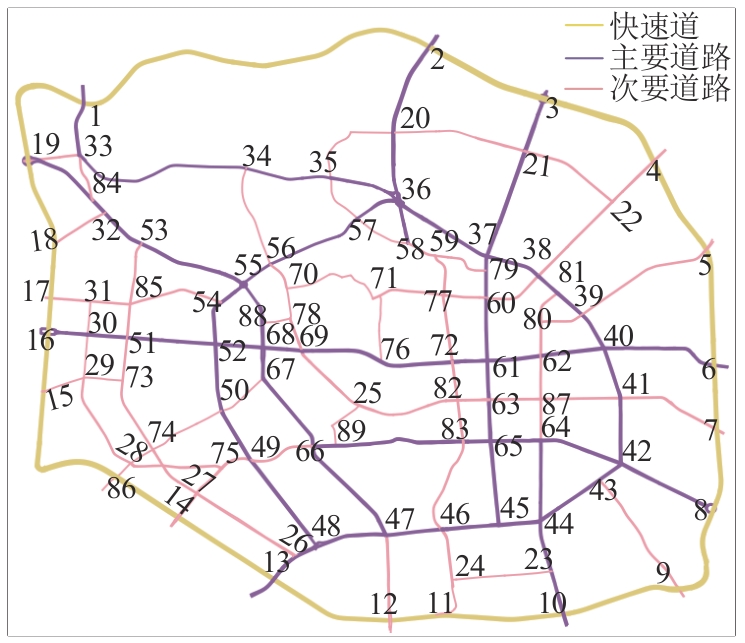
Fig. 1 Road network topology
| 道路类型 | 设计时速/ (km/h) | 设计通行能力/(台/h) | |||
|---|---|---|---|---|---|
| 快速道 | 80 | 1 750 | 1.0 | 1.88 | 4.90 |
| 主要道路 | 60 | 1 400 | 1.1 | 1.89 | 4.85 |
| 次要道路 | 40 | 1 300 | 1.4 | 1.88 | 6.97 |
Tab. 1 Relevant parameters of different road classes
| 道路类型 | 设计时速/ (km/h) | 设计通行能力/(台/h) | |||
|---|---|---|---|---|---|
| 快速道 | 80 | 1 750 | 1.0 | 1.88 | 4.90 |
| 主要道路 | 60 | 1 400 | 1.1 | 1.89 | 4.85 |
| 次要道路 | 40 | 1 300 | 1.4 | 1.88 | 6.97 |
| 功能区类别 | 路网节点 |
|---|---|
| 居民区 | 2, 3, 5, 8, 15, 17, 19, 21, 22, 33, 34, 35, 43, 47, 74, 84 |
| 工作区 | 25, 44, 45, 48, 49, 50, 51, 52, 63, 65, 67, 68, 75, 80, 81 |
| 商业区 | 4, 9, 10, 14, 23, 27, 32, 38, 41, 42, 46, 53, 61, 66, 82, 83, 89 |
| 公共服务区 | 1, 6, 7, 11, 12, 13, 16, 18, 20, 24, 26, 29, 30, 31, 39, 40, 54, 55, 62, 64, 73, 85, 88 |
| 绿地公园区 | 28, 36, 37, 56, 57, 58, 59, 60, 69, 70, 71, 76, 77, 78, 79, 86 |
Tab. 2 Functional zoning of road network nodes
| 功能区类别 | 路网节点 |
|---|---|
| 居民区 | 2, 3, 5, 8, 15, 17, 19, 21, 22, 33, 34, 35, 43, 47, 74, 84 |
| 工作区 | 25, 44, 45, 48, 49, 50, 51, 52, 63, 65, 67, 68, 75, 80, 81 |
| 商业区 | 4, 9, 10, 14, 23, 27, 32, 38, 41, 42, 46, 53, 61, 66, 82, 83, 89 |
| 公共服务区 | 1, 6, 7, 11, 12, 13, 16, 18, 20, 24, 26, 29, 30, 31, 39, 40, 54, 55, 62, 64, 73, 85, 88 |
| 绿地公园区 | 28, 36, 37, 56, 57, 58, 59, 60, 69, 70, 71, 76, 77, 78, 79, 86 |
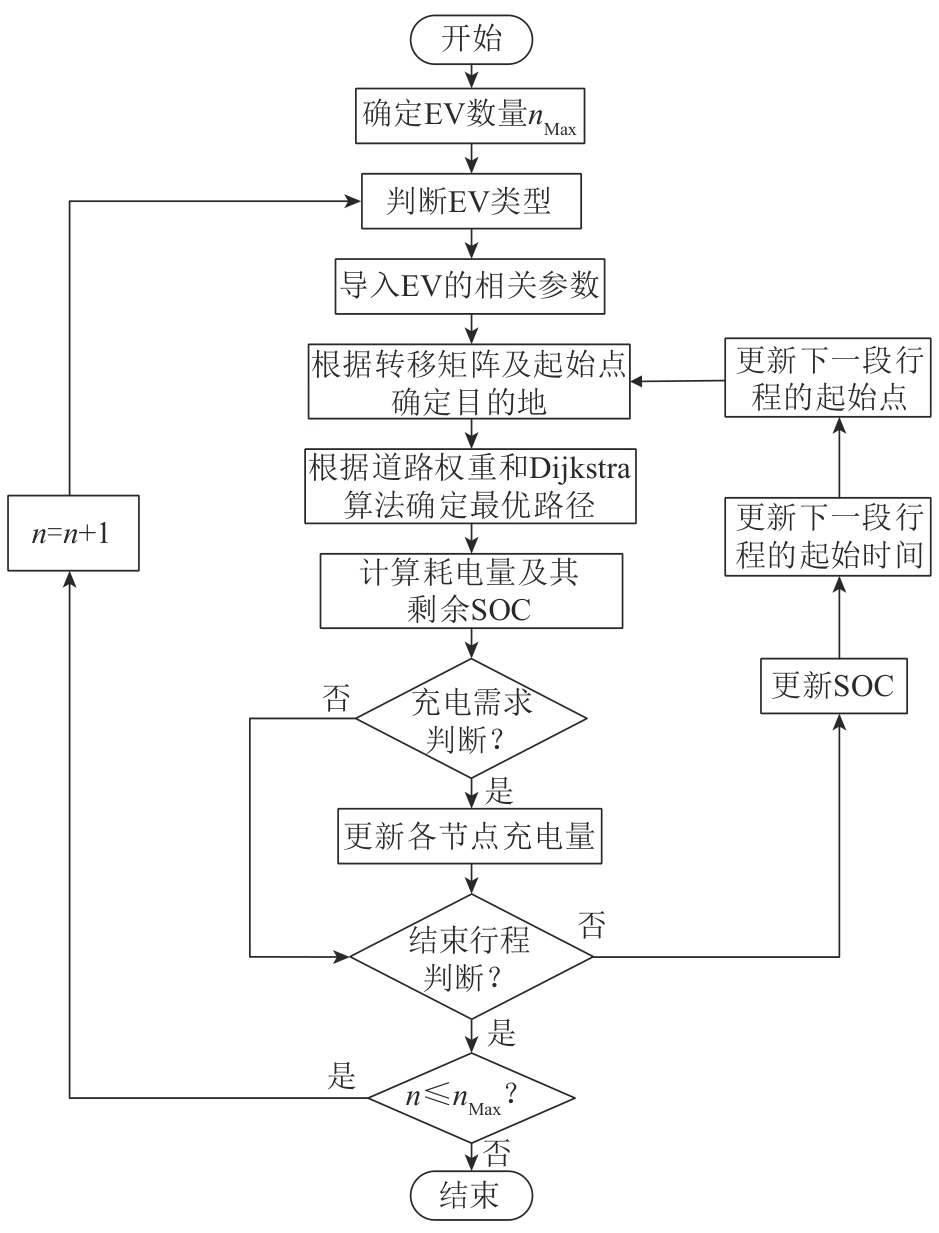
Fig. 2 Flow chart for spatio-temporal distribution prediction of charging demand
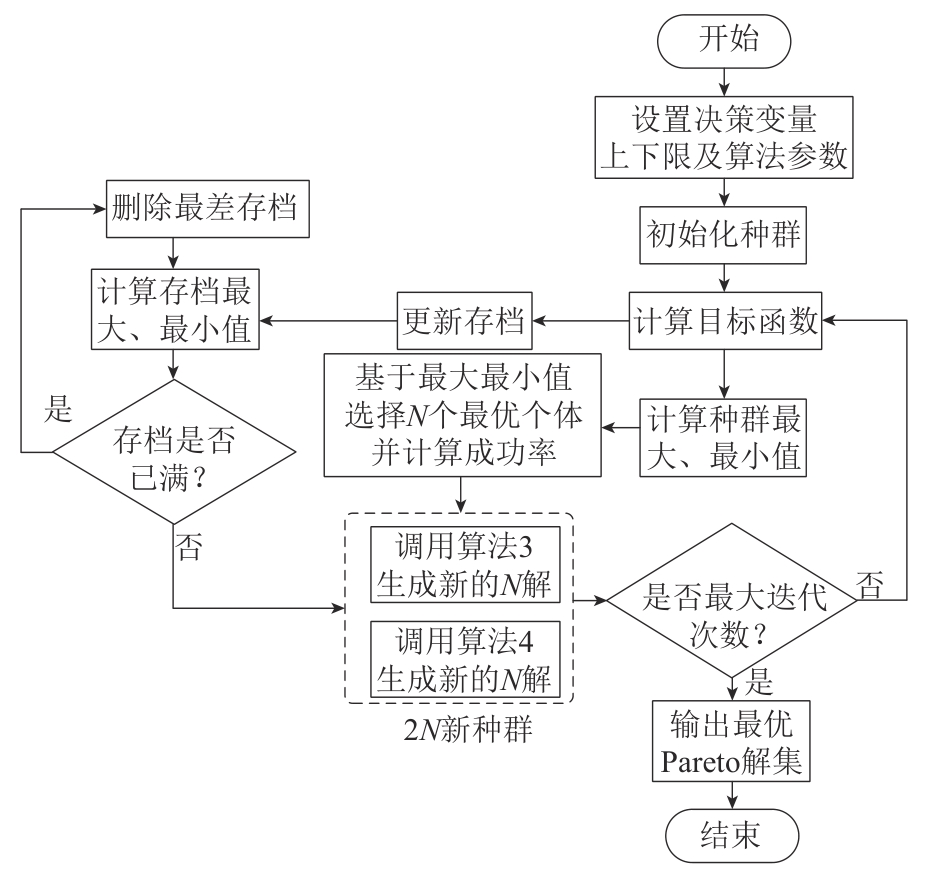
Fig. 3 Solution flow chart based on FC-MOEO/AEP model
| EV类型 | 型号 | 电池容量/(kW⋅h) | 质量/kg | 占比/% |
|---|---|---|---|---|
| 私家车 | 特斯拉Model S (长续航版) | 100 | 1 840 | 60 |
| 出租车 | 比亚迪 E5 | 60 | 1 900 | 30 |
| 公交车 | 比亚迪 K7 | 222 | 8 800 | 10 |
Tab. 3 EV parameters and their proportions
| EV类型 | 型号 | 电池容量/(kW⋅h) | 质量/kg | 占比/% |
|---|---|---|---|---|
| 私家车 | 特斯拉Model S (长续航版) | 100 | 1 840 | 60 |
| 出租车 | 比亚迪 E5 | 60 | 1 900 | 30 |
| 公交车 | 比亚迪 K7 | 222 | 8 800 | 10 |
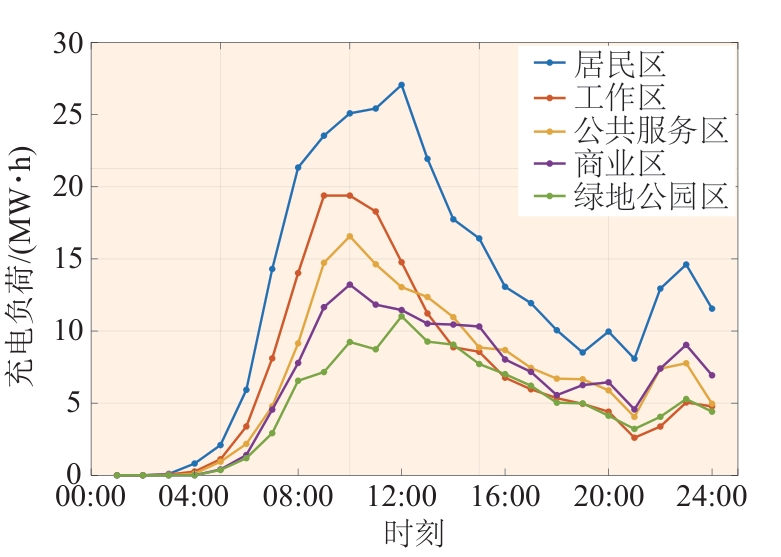
Fig. 4 Distribution map of charging demand in each region
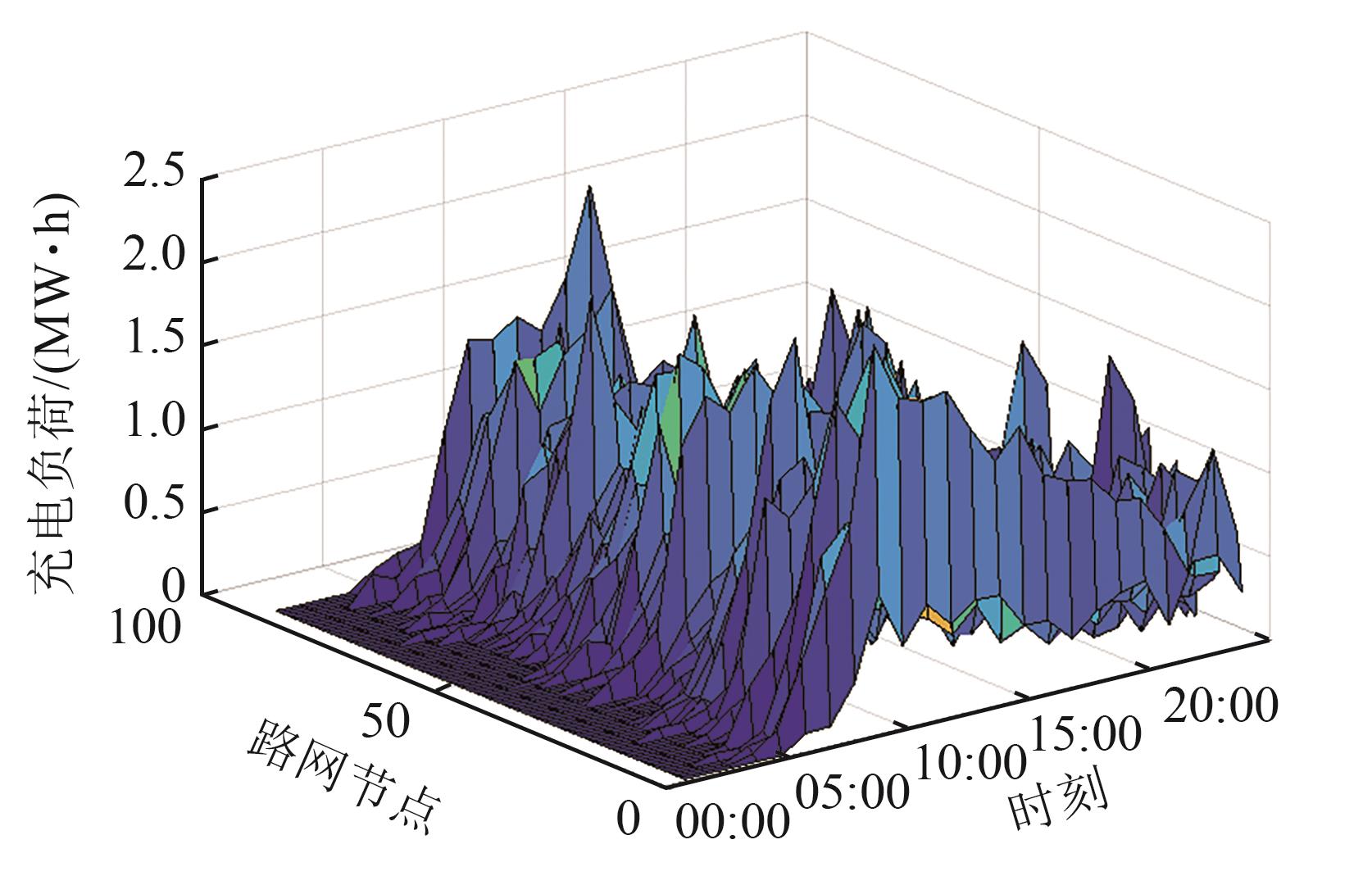
Fig. 5 Distribution of charging demand of each network node
| 目标函数 | 综合成本/万元 | 用户不满意度 | 电压波动/pu |
|---|---|---|---|
| FC-MOEO/AEP | 1 684.1 | 0.054 2 | 0.001 25 |
| MOLA | 1 749.0 | 0.055 6 | 0.002 48 |
| MOPSO | 1 735.7 | 0.063 3 | 0.001 77 |
| MOTEO | 1 704.5 | 0.040 7 | 0.001 74 |
Tab. 4 Optimization result comparison of each algorithm
| 目标函数 | 综合成本/万元 | 用户不满意度 | 电压波动/pu |
|---|---|---|---|
| FC-MOEO/AEP | 1 684.1 | 0.054 2 | 0.001 25 |
| MOLA | 1 749.0 | 0.055 6 | 0.002 48 |
| MOPSO | 1 735.7 | 0.063 3 | 0.001 77 |
| MOTEO | 1 704.5 | 0.040 7 | 0.001 74 |
| EVCS编号 | 慢充桩数量/个 | 快充桩数量/个 | 路网节点 | 电网节点 |
|---|---|---|---|---|
| #1 | 10 | 5 | 41 | 59 |
| #2 | 35 | 5 | 16 | 25 |
| #3 | 17 | 11 | 78 | 103 |
| #4 | 53 | 38 | 2 | 2/4 |
| #5 | 30 | 15 | 70 | 94 |
| #6 | 11 | 5 | 3 | 6 |
| #7 | 52 | 73 | 45 | 65/66 |
| #8 | 32 | 5 | 31 | 46 |
| #9 | 23 | 29 | 86 | 113 |
| #10 | 35 | 8 | 50 | 73 |
| #11 | 33 | 30 | 58 | 81 |
| #12 | 10 | 19 | 22 | 37 |
Tab. 5 FC-MOEO/AEP configuration scheme
| EVCS编号 | 慢充桩数量/个 | 快充桩数量/个 | 路网节点 | 电网节点 |
|---|---|---|---|---|
| #1 | 10 | 5 | 41 | 59 |
| #2 | 35 | 5 | 16 | 25 |
| #3 | 17 | 11 | 78 | 103 |
| #4 | 53 | 38 | 2 | 2/4 |
| #5 | 30 | 15 | 70 | 94 |
| #6 | 11 | 5 | 3 | 6 |
| #7 | 52 | 73 | 45 | 65/66 |
| #8 | 32 | 5 | 31 | 46 |
| #9 | 23 | 29 | 86 | 113 |
| #10 | 35 | 8 | 50 | 73 |
| #11 | 33 | 30 | 58 | 81 |
| #12 | 10 | 19 | 22 | 37 |
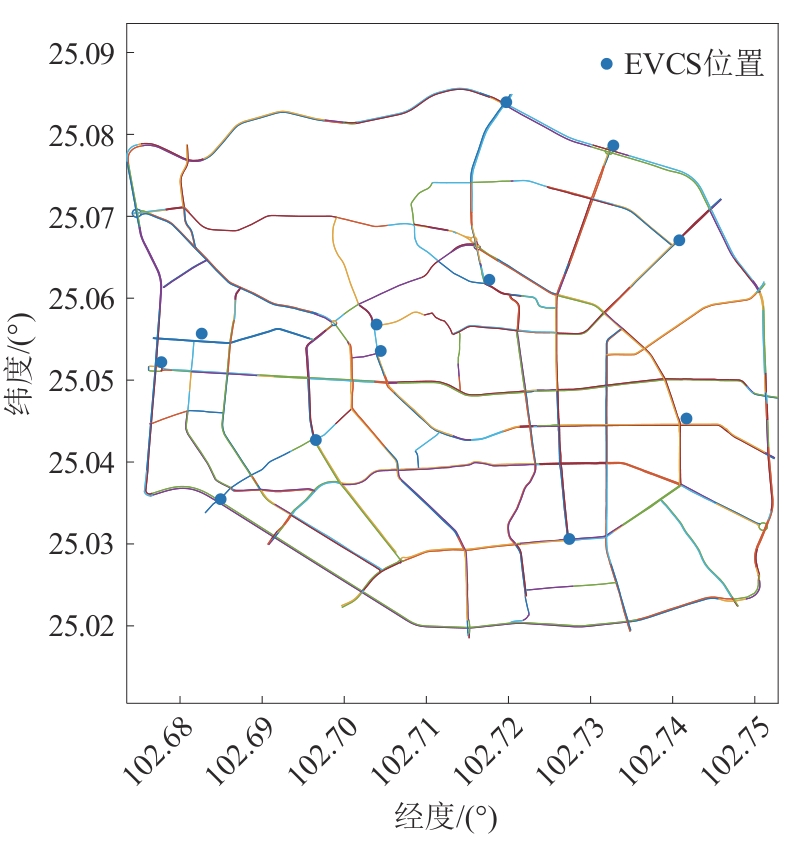
Fig. 6 EVCS optimal planning location distribution map
| [1] | 张琳娟,李文峰,许长清,等 .计及充电排队与实时SOC的电动汽车充电负荷时空分布预测[J].电力建设,2025,46(8):54-66. |
| ZHANG L J, LI W F, XU C Q,et al .Spatial-temporal distribution prediction of electric vehicle charging load considering charging behavior and real-time SOC[J].Electric Power Construction,2025,46(8):54-66. | |
| [2] | 张宇,何奇,王海亮,等 .基于改进出行链的电动汽车充电负荷预测及其对配电网的影响[J].电网与清洁能源,2025,41(3):67-77. |
| ZHANG Y, HE Q, WANG H L,et al .The spatial-temporal prediction of electric vehicle charging load based on optimized trip chain and its impacts on distribution networks[J].Power System and Clean Energy,2025,41(3):67-77. | |
| [3] | 杨晓辉,王晓鹏,邓叶恒 .含电动汽车的主动配电网多目标分层优化调度[J].电力工程技术,2024,43(4):156-165. doi:10.12158/j.2096-3203.2024.04.016 |
| YANG X H, WANG X P, DENG Y H .Multi-objective hierarchical optimization dispatch of active distribution network with electric vehicles[J].Electric Power Engineering Technology,2024,43(4):156-165. doi:10.12158/j.2096-3203.2024.04.016 | |
| [4] | KUNJ T,PAL K .Optimal location planning of EV charging station in existing distribution network with stability condition[C]//2020 7th International Conference on Signal Processing and Integrated Networks (SPIN).Noida,India:IEEE,2020:1060-1065. doi:10.1109/spin48934.2020.9071396 |
| [5] | YANG B, LI J L, SHU H C,et al .Recent advances of optimal sizing and location of charging stations: a critical overview[J].International Journal of Energy Research,2022,46(13):17899-17925. doi:10.1002/er.8476 |
| [6] | 程杉,王豪杰,徐其平,等 .含超大功率充电的多类型充电设施两阶段选址定容方法[J].电力系统保护与控制,2024,52(23):33-44. |
| CHENG S, WANG H J, XU Q P,et al .Two-stage siting and capacity determination method for multi-type charging facilities with ultra-high-power charging[J].Power System Protection and Control,2024,52(23):33-44. | |
| [7] | 郑佳俊,段小宇,胡泽春,等 .组件式移动充电设施布局优化方法与投放策略[J].中国电力,2025,58(4):107-118. doi:10.11930/j.issn.1004-9649.202501026 |
| ZHENG J J, DUAN X Y, HU Z C,et al .Modular mobile charging facility layout optimization method and deployment strategy[J].Electric Power,2025,58(4):107-118. doi:10.11930/j.issn.1004-9649.202501026 | |
| [8] | 韩一鸣,贺彬,杨博,等 .考虑行驶特性的电动汽车充电站联合电储能系统最优规划[J].上海交通大学学报,2025,59(11):1720-1731. doi:10.16183/j.cnki.jsjtu.2023.629 |
| HAN Y M, HE B, YANG B,et al .Optimal planning of electric vehicle charging stations combined with battery energy storage systems considering driving characteristics[J].Journal of Shanghai Jiaotong University,2025,59(11):1720-1731. doi:10.16183/j.cnki.jsjtu.2023.629 | |
| [9] | 孙志颖,李青,张凯 .考虑活动-出行需求特性的大规模电动汽车入网影响力分析[J].南方电网技术,2024,18(12):138-147. doi:10.13648/j.cnki.issn1674-0629.2024.12.015 |
| SUN Z Y, LI Q, ZHANG K .Influences analysis of large-scale electric vehicles interconnected with power system regarding activity-travel demand characteristics[J].Southern Power System Technology,2024,18(12):138-147. doi:10.13648/j.cnki.issn1674-0629.2024.12.015 | |
| [10] | 陈文颖,刘蓓迪 .基于粒子群算法的电动汽车有序充放电优化[J].山东电力技术,2023,50(1):52-58. doi:10.3969/j.issn.1007-9904.2023.01.009 |
| CHEN W Y, LIU B D .Sequential charging and discharging optimization of electric vehicles based on particle swarm optimization[J].Shandong Electric Power,2023,50(1):52-58. doi:10.3969/j.issn.1007-9904.2023.01.009 | |
| [11] | 丁乐言,柯松,张帆,等 .考虑出行需求和引导策略的电动汽车充电负荷预测[J].电力建设,2024,45(6):10-26. doi:10.12204/j.issn.1000-7229.2024.06.002 |
| DING L Y, KE S, ZHANG F,et al .Forecasting of electric-vehicle charging load considering travel demand and guidance strategy[J].Electric Power Construction,2024,45(6):10-26. doi:10.12204/j.issn.1000-7229.2024.06.002 | |
| [12] | WU C, JIANG S, GAO S,et al .Charging demand forecasting of electric vehicles considering uncertainties in a microgrid[J].Energy,2022,247:123475. doi:10.1016/j.energy.2022.123475 |
| [13] | LUO L, GU W, ZHOU S,et al .Optimal planning of electric vehicle charging stations comprising multi-types of charging facilities[J].Applied Energy,2018,226:1087-1099. doi:10.1016/j.apenergy.2018.06.014 |
| [14] | 罗平,杨泽喆,张嘉昊,等 .考虑多场景充电需求预测的电动汽车充电站规划[J].高电压技术,2025,51(1):368-378. |
| LUO P, YANG Z Z, ZHANG J H,et al .Electric vehicle charging station planning considering multi-scene charging demand forecasting[J].High Voltage Engineering,2025,51(1):368-378. | |
| [15] | XU D, PEI W, ZHANG Q .Optimal planning of electric vehicle charging stations considering user satisfaction and charging convenience[J].Energies,2022,15(14):5027. doi:10.3390/en15145027 |
| [16] | ASNA M, SHAREEF H, ACHIKKULATH P,et al .Analysis of an optimal planning model for electric vehicle fast-charging stations in Alain City,United Arab Emirates[J].IEEE Access,1020:73678-73694. |
| [17] | 陈卓旭,宛玉健,胡泽春,等 .考虑随机用户均衡的区县级电动汽车快充站规划[J].电力系统自动化,2024,48(15):25-34. doi:10.7500/AEPS20230731007 |
| CHEN Z X, WAN Y J, HU Z C,et al .District and county level electric vehicle fast charging station planning considering stochastic user equilibrium[J].Automation of Electric Power Systems,2024,48(15):25-34. doi:10.7500/AEPS20230731007 | |
| [18] | 吴豫,董智,赵阳,等 .基于LSTM算法的配电网分布式电源和电动汽车充电站联合优化规划[J].供用电,2023,40(6):64-74. |
| WU Y, DONG Z, ZHAO Y,et al .Joint optimization planning of distribution network DG and EV charging station based on LSTM algorithm[J].Distribution & Utilization,2023,40(6):64-74. | |
| [19] | ZHU J, LI Y, YANG J,et al .Planning of electric vehicle charging station based on queuing theory[J].The Journal of Engineering,2017(13):1867-1871. doi:10.1049/joe.2017.0655 |
| [20] | 江昌旭,卢玥君,袁羽娟,等 .考虑里程焦虑的高速公路充电站及配电网扩展规划[J].电网技术,2025,49(9):3881-3890. |
| JIANG C X, LU Y J, YUAN Y J,et al .Highway charging station and distribution network expansion planning considering range anxiety[J].Power System Technology,2025,49(9):3881-3890. | |
| [21] | HAKLAY M, WEBER P .OpenStreetMap:user-generated street maps[J].IEEE Pervasive Computing,2008,7(4):12-18. doi:10.1109/mprv.2008.80 |
| [22] | 张美霞,高凌霄,杨秀 .基于模糊Borda法的电动汽车负荷对配电网影响综合评估研究[J].电力科学与技术学报,2024,39(3):67-77. |
| ZHANG M X, GAO L X, YANG X .A comprehensive assessment of the electric vehicle load impact on distribution network based on fuzzy Borda method[J].Journal of Electric Power Science and Technology,2024,39(3):67-77. | |
| [23] | 袁洪涛,徐潇源,严正,等 .电动汽车集中充换电设施规划和优化运行研究综述[J].电力系统保护与控制,2024,52(19):157-174. |
| YUAN H T, XU X Y, YAN Z,et al .Review of centralized EV charging and battery swapping facility planning and optimal scheduling[J].Power System Protection and Control,2024,52(19):157-174. | |
| [24] | 张美霞,徐立成,杨秀 .基于城市网格属性划分的电动汽车充电需求预测[J].电测与仪表,2025,62(3):10-19. |
| ZHANG M X, XU L C, YANG X .EV charging demand prediction based on city grid attribute division[J].Electrical Measurement & Instrumentation,2025,62(3):10-19. | |
| [25] | 胡俊杰,潘羿,徐成明,等 .基于动态交通推演的电动汽车充电快速引导策略[J].电工技术学报,2025,40(9):2880-2896. |
| HU J J, PAN Y, XU C M,et al .Fast guidance strategy for electric vehicle charging based on dynamic traffic inference[J].Transactions of China Electrotechnical Society,2025,40(9):2880-2896. | |
| [26] | 张美霞,王晓晴,杨秀,等 .考虑路网和用户满意度的集群电动汽车主从博弈优化调度策略[J].电力系统保护与控制,2024,52(3):1-11. |
| ZHANG M X, WANG X Q, YANG X,et al .Stackelberg game optimization scheduling strategy for aggregated electric vehicles considering customer satisfaction and the road network[J].Power System Protection and Control,2024,52(3):1-11. | |
| [27] | 张美霞,徐立成,杨秀,等 .基于电动汽车充电需求时空分布特性的充电站规划研究[J].电网技术,2023,47(1):256-265. |
| ZHANG M X, XU L C, YANG X,et al .Planning of charging stations based on spatial and temporal distribution characteristics of electric vehicle charging demand[J].Power System Technology,2023,47(1):256-265. | |
| [28] | U.S.Department of Transportation .2009 national household travel survey[EB/OL].[2024-08-30].. doi:10.1123/jpah.2014-0052 |
| [29] | 董晓红,孔华志,丁飞,等 .考虑电池老化的电动汽车中长期充电负荷预测方法[J].电力系统自动化,2024,48(13):159-173. |
| DONG X H, KONG H Z, DING F,et al .Medium- and long-term charging load forecasting method for electric vehicles considering battery aging[J].Automation of Electric Power Systems,2024,48(13):159-173. | |
| [30] | 张夏韦,梁军,王要强,等 .电动汽车充电负荷时空分布预测研究综述[J].电力建设,2023,44(12):161-173. doi:10.12204/j.issn.1000-7229.2023.12.014 |
| ZHANG X W, LIANG J, WANG Y Q,et al .Overview of research on spatiotemporal distribution prediction of electric vehicle charging[J].Electric Power Construction,2023,44(12):161-173. doi:10.12204/j.issn.1000-7229.2023.12.014 | |
| [31] | ZHANG J, YAN J, LIU Y,et al .Daily electric vehicle charging load profiles considering demographics of vehicle users[J].Applied Energy,2020,274:115063. doi:10.1016/j.apenergy.2020.115063 |
| [32] | 喻磊,王锐,程杉,等 .基于多主体主从博弈的电动汽车充电站双层定价策略[J].电力科学与技术学报,2025,40(3):243-254. |
| YU L, WANG R, CHENG S,et al .Two-level pricing strategy for electric vehicle charging stations based on multi-agent Stackelberg game[J].Journal of Electric Power Science and Technology,2025,40(3):243-254. | |
| [33] | FIORI C,AHN K, RAKHA H A .Power-based electric vehicle energy consumption model:model development and validation[J].Applied Energy,2016,168:257-268. doi:10.1016/j.apenergy.2016.01.097 |
| [34] | 刘宗,何俊,黄文涛,等 .基于态势感知的高渗透率电动汽车接入电网后电压调整策略[J].中国电力,2023,56(2):32-44. doi:10.11930/j.issn.1004-9649.202204108 |
| LIU Z, HE J, HUANG W T,et al .Voltage adjustment strategy for high-penetration electric vehicles connected to power grid based on situation awareness[J].Electric Power,2023,56(2):32-44. doi:10.11930/j.issn.1004-9649.202204108 | |
| [35] | 毕军,杜宇佳,王永兴,等 .基于用户综合满意度的电动汽车充电诱导优化模型[J].清华大学学报(自然科学版),2023,63(11):1750-1759. doi:10.16511/j.cnki.qhdxxb.2023.26.038 |
| BI J, DU Y J, WANG Y X,et al .Optimization model of electric vehicle charging induction based on comprehensive satisfaction of users[J].Journal of Tsinghua University (Science and Technology),2023,63(11):1750-1759. doi:10.16511/j.cnki.qhdxxb.2023.26.038 | |
| [36] | 肖白,赵雪纯,董光德 .电能质量综合评估方法综述与展望[J].发电技术,2024,45(4):716-733. doi:10.12096/j.2096-4528.pgt.23083 |
| XIAO B, ZHAO X C, DONG G D .Summary and prospect of comprehensive evaluation methods of power quality[J].Power Generation Technology,2024,45(4):716-733. doi:10.12096/j.2096-4528.pgt.23083 | |
| [37] | ILCHI GHAZAAN M, GHADERI P, REZAEIZADEH A .A fast convergence EO-based multi-objective optimization algorithm using archive evolution path and its application to engineering design problems[J].The Journal of Supercomputing,2023,79(16):18849-18885. doi:10.1007/s11227-023-05362-5 |
| [1] | Yongkang XIONG, Yun DU, Zhenfeng ZENG, Zhan SHU, Jianbo XIN, Guanhong SONG. Enhancing Resilience of Distributed Resource Coordinated Configuration in Distribution Networks Under Typhoon Disaster [J]. Power Generation Technology, 2026, 47(1): 204-213. |
| [2] | Hongsi SHI, Xinwei SUN, Kai WANG. State of Health Estimation for Lithium-Ion Batteries Based on Electrochemical Impedance Spectroscopy [J]. Power Generation Technology, 2026, 47(1): 133-144. |
| [3] | Xiaowei ZHANG, Zhenxiao YI, Kai WANG. State of Health Estimation of On-Board Lithium-Ion Batteries Using Temporal Convolutional Network Optimized by Improved Self-Adaptive Honey Badger Algorithm [J]. Power Generation Technology, 2025, 46(6): 1154-1163. |
| [4] | Jianlin LI, Yuchen PENG, Qian WANG, Xiaoxia JIANG, Lei WANG. Research Status and Prospect of Lithium-Ion Battery Modelling [J]. Power Generation Technology, 2025, 46(5): 857-871. |
| [5] | Zonglong LUO, Shilin LIU. Optimal Operation of Residential Microgrids Based on a Robust Model Using Information Gap Decision Theory [J]. Power Generation Technology, 2025, 46(4): 705-714. |
| [6] | Jun JIA, Weihao FAN, Zhipeng LÜ, Jianguang YAO, Shan ZHOU, Jian WANG, Jintao ZHANG. Research on Startup of DC Transformer for Electric Vehicle Cluster Grid-Connection [J]. Power Generation Technology, 2023, 44(6): 875-882. |
| [7] | Xiaohan WU, Qian ZHANG, Yaojia SU, Yaoyu HUANG, Jiaqi WU. Sharing Platform Trading Strategy of Private Charging Pile Based on Blockchain [J]. Power Generation Technology, 2022, 43(3): 439-451. |
| [8] | Xiaobo CHEN, Xiuyuan YANG. Research on Charging-Discharging Control Strategy of Electric Vehicles Considering Wind Power Consumption in Ubiquitous Power Internet of Things [J]. Power Generation Technology, 2021, 42(5): 561-567. |
| [9] | Wenbo XUAN, Hui LI, Zhongyi LIU, Yeguang SUN, Kai HOU. A Method for Improving the Accommodating Capability of Urban Renewable Energy Based on Virtual Power Plant Technology [J]. Power Generation Technology, 2021, 42(3): 289-297. |
| [10] | Yuhuan HE, Xiuyuan YANG, Qiyu CHEN, Siqi BU, Zhiqiang XU, Tianying XIAO. Review of Intelligent Charging and Discharging Control and Application of Electric Vehicles [J]. Power Generation Technology, 2021, 42(2): 180-192. |
| [11] | Yanping JIANG,Peijun CHEN,Haiyan CHEN. Research and Design on Intensive Power Exchange Facility of Electric Vehicles [J]. Power Generation Technology, 2019, 40(6): 535-539. |
| [12] | Qiyu CHEN. Research on Implementation Strategy of Ubiquitous Power Internet of Things [J]. Power Generation Technology, 2019, 40(2): 99-106. |
| [13] | Yu CHEN,Xiao PENG,Jing DING,Yazhou WANG,Jingping SHAO. Research on the Method of Stabilizing the Power Output Fluctuation of Wind Farm by Electric Vehicles [J]. Power Generation Technology, 2019, 40(1): 91-98. |
| [14] | Zuping ZHANG,Qiyu CHEN,Xiuyuan YANG,Yuhuan HE. Study of the Group Controlling on Large-Capacity DC Charging Piles for Peak Load Regulation [J]. Power Generation Technology, 2019, 40(1): 11-16. |
| [15] | Junliang WANG,Yong LI,Jianshe LI,Qiyu CHEN. Research of Safety Risk Impact and Management Controls of Electric Vehicle Charging on Power Grid [J]. Power Generation Technology, 2018, 39(5): 405-411. |
| Viewed | ||||||
|
Full text |
|
|||||
|
Abstract |
|
|||||
