

发电技术 ›› 2026, Vol. 47 ›› Issue (2): 383-394.DOI: 10.12096/j.2096-4528.pgt.260215
• 虚拟电厂 • 上一篇
李恒杰1, 张尊康1, 周云2, 冯冬涵2, 马喜平3
收稿日期:2025-04-12
修回日期:2026-06-20
出版日期:2026-04-30
发布日期:2026-04-21
作者简介:基金资助:Hengjie LI1, Zunkang ZHANG1, Yun ZHOU2, Donghan FENG2, Xiping MA3
Received:2025-04-12
Revised:2026-06-20
Published:2026-04-30
Online:2026-04-21
Supported by:摘要:
目的 在电动汽车充电引导过程中,用户在选择充电站中存在不同偏好,导致用户的充电站选择标准不同,影响用户参与优化调度。因此,针对用户选择充电站习惯以及用户与充电聚合商利益冲突,提出了一种考虑目标充电站选择习惯的电动汽车充电引导策略。 方法 采用自组织特征映射(self-organizing feature mapping,SOFM)来进行用户画像,再使用SHAP(Shapley additive explanations)确定最佳画像结果。使用熵权法来确定每类用户在选择充电站过程中时间成本和经济成本所占的权重;根据权重结果将用户的费用成本和时间成本归化为用户满意度;然后,根据用户满意度对用户进行充电引导。 结果 算例表明,该策略相比于最短路径算法显著提升了用户选择充电站的满意度和充电桩的单位时间盈利,同时在不同的交通情况下该策略受影响较小。 结论 该策略有效地解决了用户充电决策偏好对充电引导的影响,对提高用户的充电利益和减少用户的充电拥堵有重要意义。
中图分类号:
李恒杰, 张尊康, 周云, 冯冬涵, 马喜平. 考虑用户决策偏好的电动汽车充电引导策略[J]. 发电技术, 2026, 47(2): 383-394.
Hengjie LI, Zunkang ZHANG, Yun ZHOU, Donghan FENG, Xiping MA. Electric Vehicle Charging Guidance Strategy Considering User Decision Preferences[J]. Power Generation Technology, 2026, 47(2): 383-394.
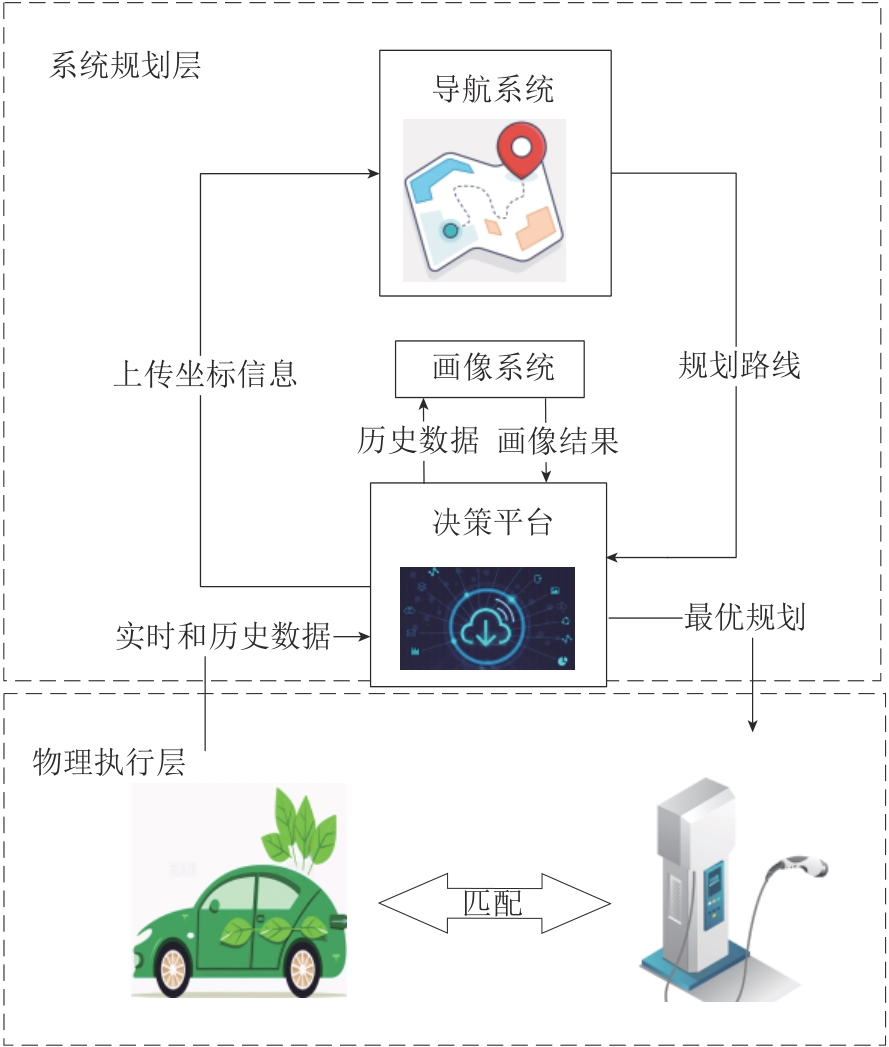
图1 EV用户充电服务平台
Fig. 1 EV user charging service platform
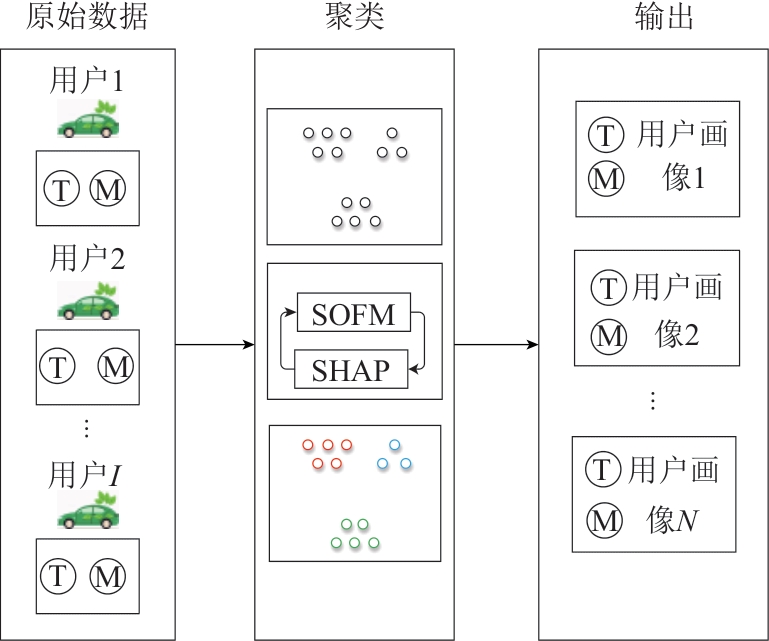
图2 画像流程图
Fig. 2 Profiling flowchart
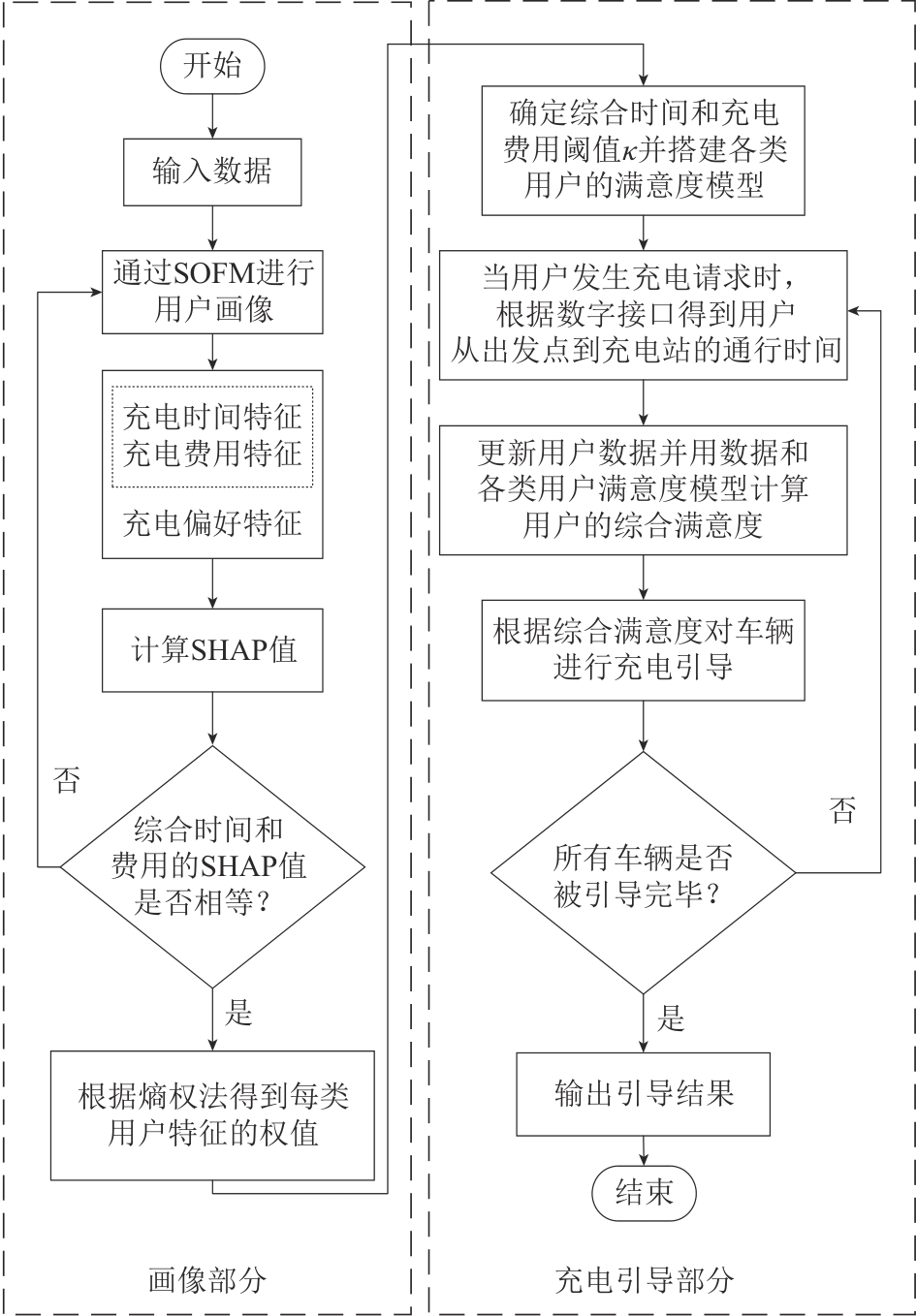
图3 充电引导流程图
Fig. 3 Charging guidance flowchart
充电站 编号 | 经度/(°) | 纬度/(°) | 快充桩数/个 | 充电功率/kW |
|---|---|---|---|---|
| 1 | 121.435 761 | 31.030 488 | 4 | 120 |
| 2 | 121.437 324 | 31.024 187 | 3 | 120 |
| 3 | 121.438 716 | 31.032 043 | 6 | 120 |
| 4 | 121.442 952 | 31.032 809 | 3 | 120 |
| 5 | 121.445 364 | 31.027 119 | 15 | 120 |
| 6 | 121.446 612 | 31.036 348 | 6 | 120 |
表1 测试区域充电站信息
Tab. 1 Charging station information in test area
充电站 编号 | 经度/(°) | 纬度/(°) | 快充桩数/个 | 充电功率/kW |
|---|---|---|---|---|
| 1 | 121.435 761 | 31.030 488 | 4 | 120 |
| 2 | 121.437 324 | 31.024 187 | 3 | 120 |
| 3 | 121.438 716 | 31.032 043 | 6 | 120 |
| 4 | 121.442 952 | 31.032 809 | 3 | 120 |
| 5 | 121.445 364 | 31.027 119 | 15 | 120 |
| 6 | 121.446 612 | 31.036 348 | 6 | 120 |
电动汽车 编号 | 经度/(°) | 纬度/(°) | 平均时间 成本/min | 平均费用 成本/元 |
|---|---|---|---|---|
| 1 | 121.444 817 | 31.037 233 | 10.57 | 52.93 |
| 2 | 121.444 861 | 31.037 296 | 48.13 | 51.55 |
| 3 | 121.444 613 | 31.036 693 | 47.97 | 41.24 |
| 4 | 121.453 379 | 31.037 606 | 63.17 | 50.86 |
| 5 | 121.453 878 | 31.037 655 | 62.22 | 49.49 |
| 6 | 121.453 588 | 31.036 732 | 49.07 | 53.61 |
| 7 | 121.447 221 | 31.039 355 | 37.12 | 51.55 |
| 8 | 121.454 439 | 31.034 745 | 39.00 | 48.80 |
| 9 | 121.445 932 | 31.038 703 | 41.15 | 54.30 |
| 10 | 121.447 353 | 31.039 620 | 30.22 | 43.30 |
表2 测试区域部分电动汽车历史数据
Tab. 2 Historical data of some electric vehicles in test area
电动汽车 编号 | 经度/(°) | 纬度/(°) | 平均时间 成本/min | 平均费用 成本/元 |
|---|---|---|---|---|
| 1 | 121.444 817 | 31.037 233 | 10.57 | 52.93 |
| 2 | 121.444 861 | 31.037 296 | 48.13 | 51.55 |
| 3 | 121.444 613 | 31.036 693 | 47.97 | 41.24 |
| 4 | 121.453 379 | 31.037 606 | 63.17 | 50.86 |
| 5 | 121.453 878 | 31.037 655 | 62.22 | 49.49 |
| 6 | 121.453 588 | 31.036 732 | 49.07 | 53.61 |
| 7 | 121.447 221 | 31.039 355 | 37.12 | 51.55 |
| 8 | 121.454 439 | 31.034 745 | 39.00 | 48.80 |
| 9 | 121.445 932 | 31.038 703 | 41.15 | 54.30 |
| 10 | 121.447 353 | 31.039 620 | 30.22 | 43.30 |
| 成本类型 | 簇数 | ||||
|---|---|---|---|---|---|
| 3 | 4 | 5 | 6 | 7 | |
| 时间成本SHAP值 | 0.523 | 0.702 | 0.516 | 0.516 | 0.516 |
| 费用成本SHAP值 | 0.477 | 0.298 | 0.484 | 0.484 | 0.484 |
表3 时间成本和费用成本SHAP值
Tab. 3 SHAP values of time cost and economic cost
| 成本类型 | 簇数 | ||||
|---|---|---|---|---|---|
| 3 | 4 | 5 | 6 | 7 | |
| 时间成本SHAP值 | 0.523 | 0.702 | 0.516 | 0.516 | 0.516 |
| 费用成本SHAP值 | 0.477 | 0.298 | 0.484 | 0.484 | 0.484 |
| 用户类别 | 平均时间/min | 平均费用/元 | 频数 |
|---|---|---|---|
| A类用户 | 13.97 | 48.21 | 21 |
| B类用户 | 22.24 | 45.31 | 24 |
| C类用户 | 8.04 | 44.84 | 17 |
| D类用户 | 11.15 | 53.27 | 18 |
| E类用户 | 23.13 | 52.31 | 20 |
表4 画像结果信息
Tab. 4 Profiling result information
| 用户类别 | 平均时间/min | 平均费用/元 | 频数 |
|---|---|---|---|
| A类用户 | 13.97 | 48.21 | 21 |
| B类用户 | 22.24 | 45.31 | 24 |
| C类用户 | 8.04 | 44.84 | 17 |
| D类用户 | 11.15 | 53.27 | 18 |
| E类用户 | 23.13 | 52.31 | 20 |
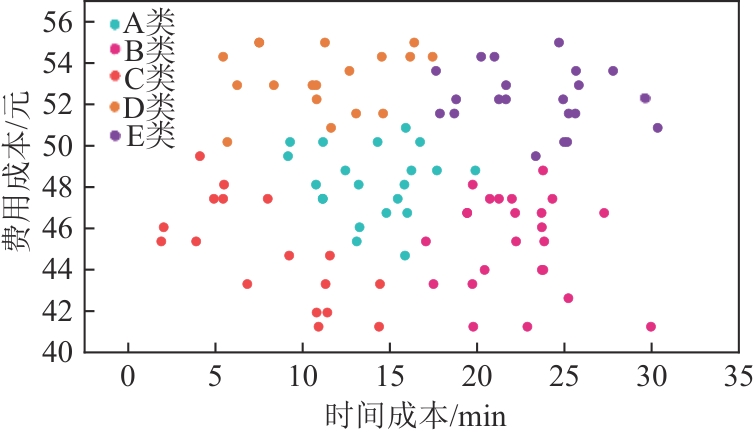
图4 画像结果图
Fig. 4 Profiling results
| 用户类别 | 时间成本权重 | 费用成本权重 | 平均时间/min | 平均费用/元 |
|---|---|---|---|---|
| A类用户 | 0.556 3 | 0.443 7 | 13.97 | 48.21 |
| B类用户 | 0.225 2 | 0.774 8 | 22.24 | 45.31 |
| C类用户 | 0.525 3 | 0.474 7 | 8.04 | 44.84 |
| D类用户 | 0.892 3 | 0.107 7 | 11.15 | 53.27 |
| E类用户 | 0.563 2 | 0.436 8 | 23.13 | 52.31 |
表5 用户选择充电站习惯的权重
Tab. 5 Weights of users’ charging station selection habits
| 用户类别 | 时间成本权重 | 费用成本权重 | 平均时间/min | 平均费用/元 |
|---|---|---|---|---|
| A类用户 | 0.556 3 | 0.443 7 | 13.97 | 48.21 |
| B类用户 | 0.225 2 | 0.774 8 | 22.24 | 45.31 |
| C类用户 | 0.525 3 | 0.474 7 | 8.04 | 44.84 |
| D类用户 | 0.892 3 | 0.107 7 | 11.15 | 53.27 |
| E类用户 | 0.563 2 | 0.436 8 | 23.13 | 52.31 |
| 指标 | ||
|---|---|---|
| 时间成本/min | 0 | 240 |
| 价格成本/元 | 0 | 100 |
表6 时间成本和费用成本阈值
Tab. 6 Thresholds of time cost and economic cost
| 指标 | ||
|---|---|---|
| 时间成本/min | 0 | 240 |
| 价格成本/元 | 0 | 100 |
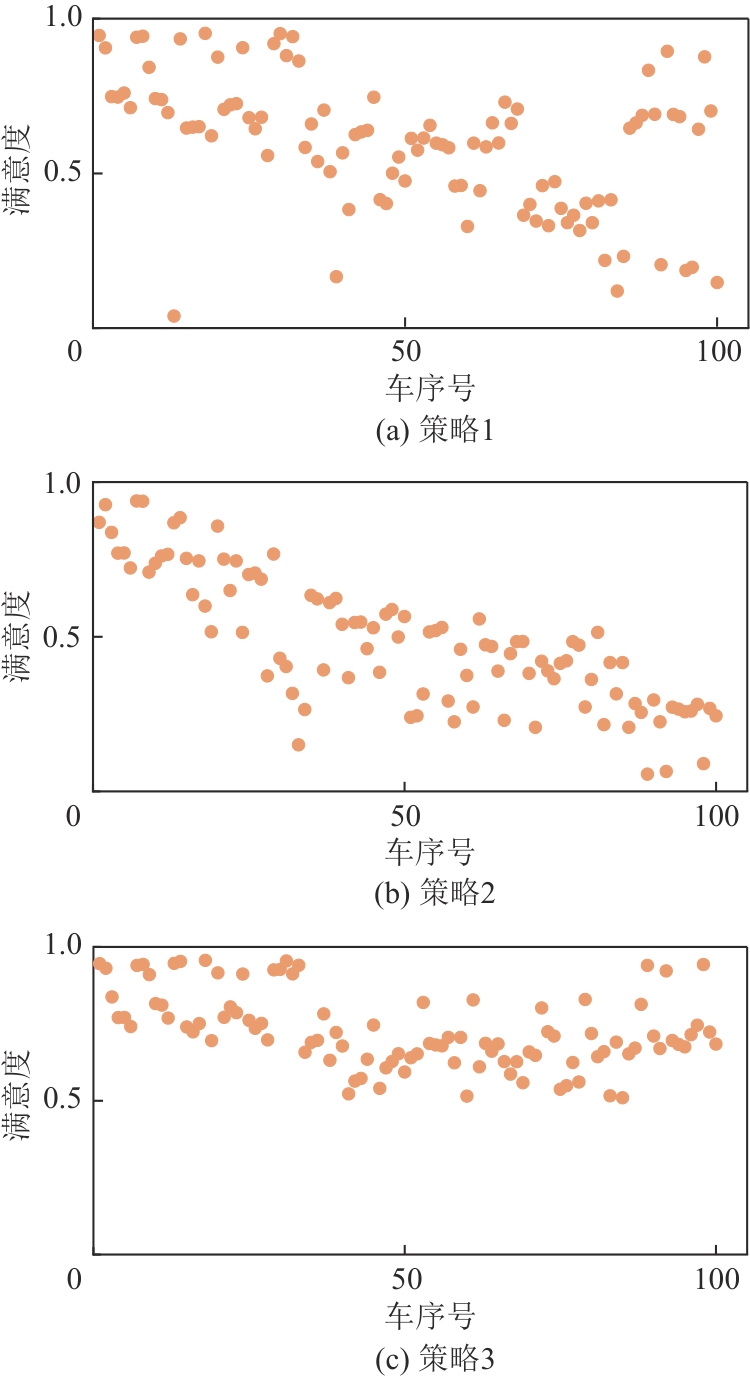
图5 用户满意度结果图
Fig. 5 User satisfaction results
| 策略 | 排队时间/h | 行驶时长/h | 充电费用/元 | 总体满意度 |
|---|---|---|---|---|
| 1 | 78.2 | 22.3 | 5 775.5 | 0.595 |
| 2 | 276.1 | 29.2 | 4 577.9 | 0.484 |
| 3 | 53.7 | 26.1 | 5 173.2 | 0.728 |
表7 不同策略下的用户满意度
Tab. 7 User satisfaction under different strategies
| 策略 | 排队时间/h | 行驶时长/h | 充电费用/元 | 总体满意度 |
|---|---|---|---|---|
| 1 | 78.2 | 22.3 | 5 775.5 | 0.595 |
| 2 | 276.1 | 29.2 | 4 577.9 | 0.484 |
| 3 | 53.7 | 26.1 | 5 173.2 | 0.728 |
| 策略 | 总服务时长/h | 总费用/元 | 单位时间盈利/(元⋅h-1) |
|---|---|---|---|
| 1 | 185.2 | 5 775.5 | 31.2 |
| 2 | 345.6 | 4 577.9 | 13.2 |
| 3 | 123.5 | 5 173.2 | 41.9 |
表8 不同策略下的充电站单位时间盈利
Tab. 8 Profit per unit time of charging stations under different strategies
| 策略 | 总服务时长/h | 总费用/元 | 单位时间盈利/(元⋅h-1) |
|---|---|---|---|
| 1 | 185.2 | 5 775.5 | 31.2 |
| 2 | 345.6 | 4 577.9 | 13.2 |
| 3 | 123.5 | 5 173.2 | 41.9 |
| 场景 | 满意度 | |||||
|---|---|---|---|---|---|---|
| A类用户 | B类用户 | C类用户 | D类用户 | E类用户 | 总体 | |
| 1 | 0.75 | 0.60 | 0.70 | 0.93 | 0.71 | 0.731 |
| 2 | 0.75 | 0.59 | 0.70 | 0.93 | 0.71 | 0.728 |
| 3 | 0.75 | 0.59 | 0.70 | 0.94 | 0.71 | 0.731 |
表9 3种典型场景下的引导结果
Tab. 9 Guidance results under three typical scenarios
| 场景 | 满意度 | |||||
|---|---|---|---|---|---|---|
| A类用户 | B类用户 | C类用户 | D类用户 | E类用户 | 总体 | |
| 1 | 0.75 | 0.60 | 0.70 | 0.93 | 0.71 | 0.731 |
| 2 | 0.75 | 0.59 | 0.70 | 0.93 | 0.71 | 0.728 |
| 3 | 0.75 | 0.59 | 0.70 | 0.94 | 0.71 | 0.731 |
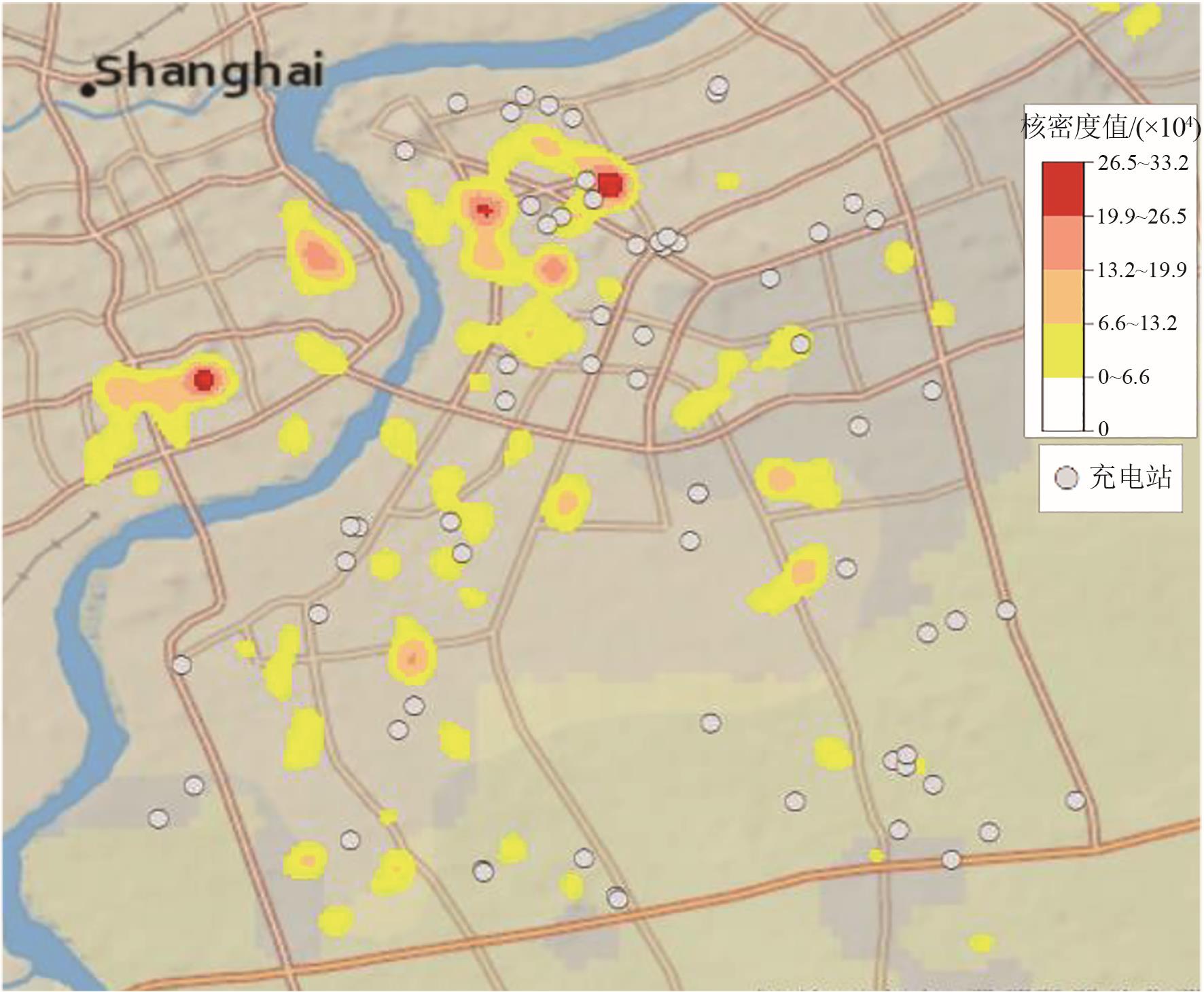
图6 浦东测试区域充电站地理位置及充电需求分布示意图
Fig. 6 Schematic diagram of geographical locations of charging stations and charging demand distribution in Pudong test area
| 策略 | 总费用/元 | 充电桩总服务时间/h | 充电桩单位时间盈利/(元⋅h-1) | 用户平均满意度 |
|---|---|---|---|---|
| 1 | 595 493.9 | 32 147 | 18.5 | 0.22 |
| 3 | 564 262.6 | 14 976 | 37.7 | 0.61 |
表10 不同策略下充电桩的单位时间盈利
Tab. 10 Profit per unit time of charging piles under different strategies
| 策略 | 总费用/元 | 充电桩总服务时间/h | 充电桩单位时间盈利/(元⋅h-1) | 用户平均满意度 |
|---|---|---|---|---|
| 1 | 595 493.9 | 32 147 | 18.5 | 0.22 |
| 3 | 564 262.6 | 14 976 | 37.7 | 0.61 |
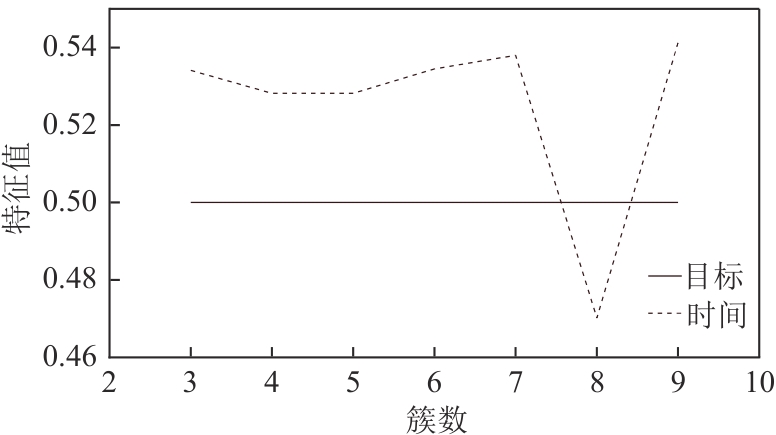
图7 不同簇数的时间成本特征值
Fig. 7 Time cost eigenvalues for different cluster numbers
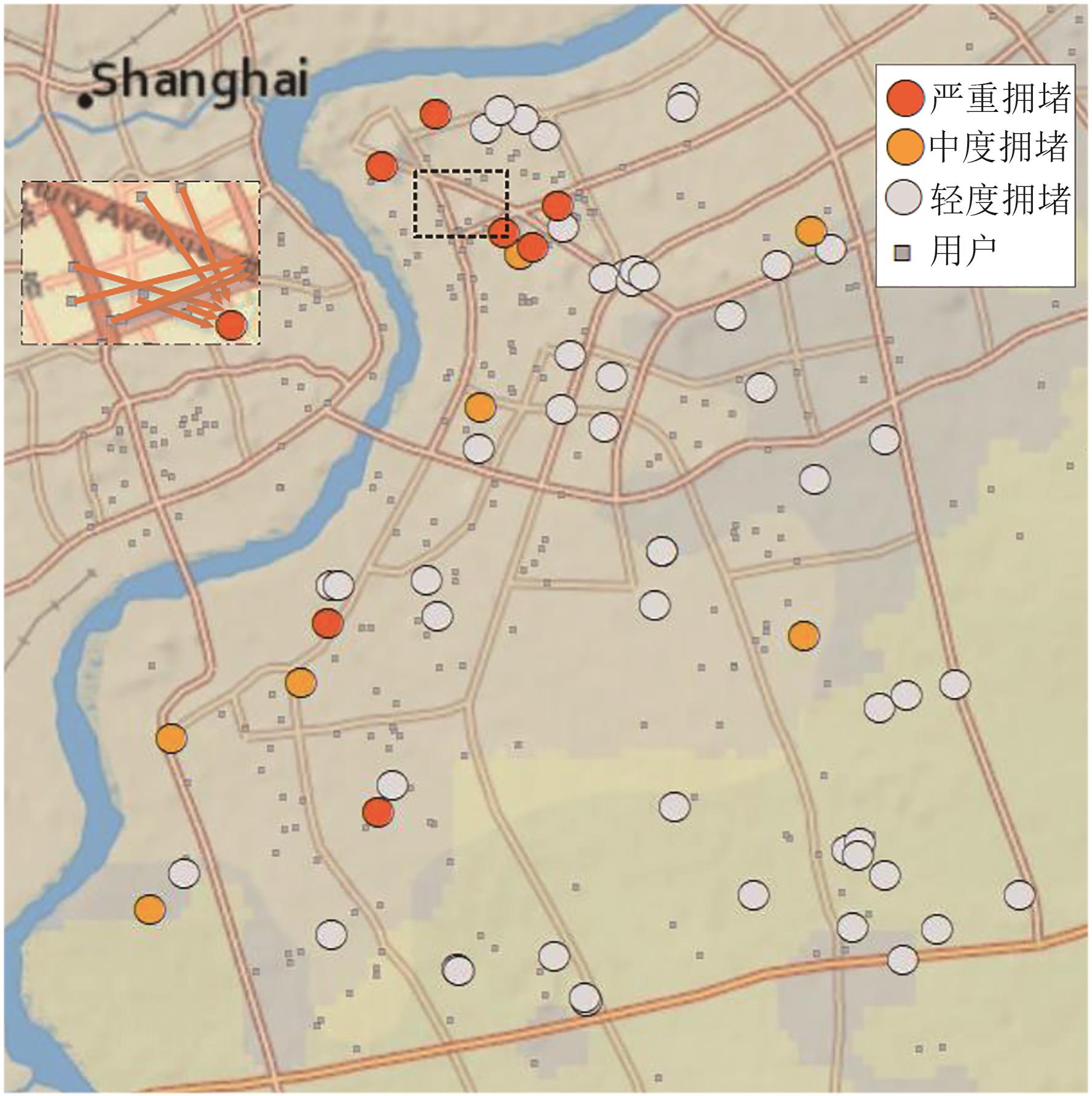
图8 策略1充电引导结果示意图
Fig. 8 Schematic diagram of charging guidance results under strategy 1
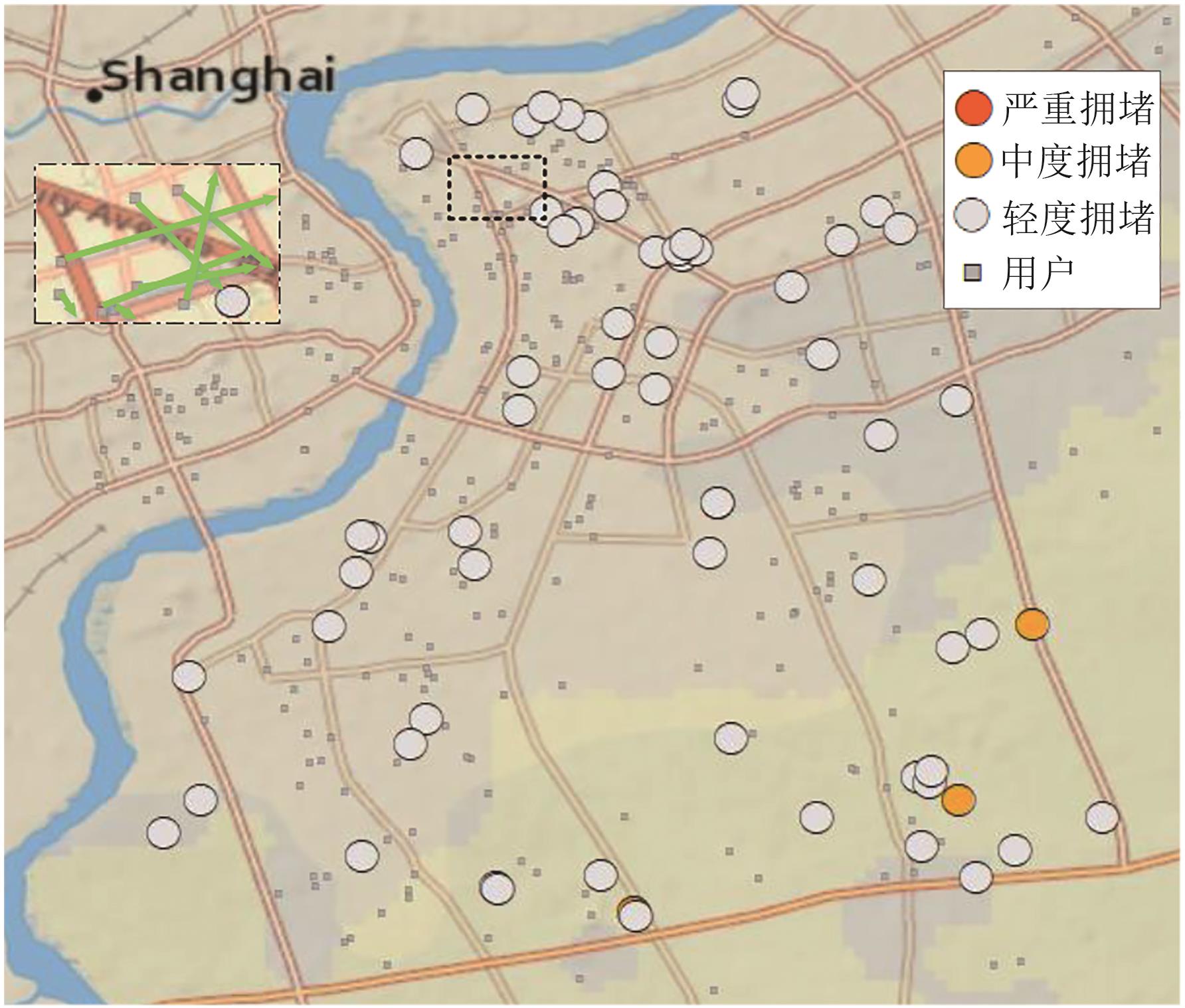
图9 策略3充电引导结果示意图
Fig. 9 Schematic diagram of charging guidance results under strategy 3
| [1] | 刘祺,王承民,谢宁,等 .新型配电系统中考虑电动汽车差异化行为特性的充换电站规划方法[J].智慧电力,2024,52(9):18-24. |
| LIU Q, WANG C M, XIE N,et al .Charging and swapping stations planning method considering differentiated behavior characteristics of electric vehicles in new distribution system[J].Smart Power,2024,52(9):18-24. | |
| [2] | 陈腾生,杨汝泉,隋坤明,等 .考虑用户决策不确定性的电动汽车充电站用户参与度优化方法[J].电力科学与技术学报,2024,39(4):128-137. |
| CHEN T S, YANG R Q, SUI K M,et al .Optimization of user participation in electric vehicle charging stations considering uncertainty of user decision[J].Journal of Electric Power Science and Technology,2024,39(4):128-137. | |
| [3] | 庞松岭,赵海龙,张晨佳 .计及充电需求差异的电动汽车充电设施协同优化配置[J].电测与仪表,2024,61(12):171-177. doi:10.19753/i.issnlOOl-1390.2024.12.021 |
| PANG S L, ZHAO H L, ZHANG C J .Collaborative optimization configuration of electric vehicle charging facilities considering differences in charging demand[J].Electrical Measurement & Instrumentation,2024,61(12):171-177. doi:10.19753/i.issnlOOl-1390.2024.12.021 | |
| [4] | 袁建华,张天宇,陈广生,等 .基于补偿机制的电动汽车区域多维补电优化调度策略[J].中国电力,2025,58(4):119-130. doi:10.11930/j.issn.1004-9649.202404112 |
| YUAN J H, ZHANG T Y, CHEN G S,et al .Optimization and scheduling strategy for regional multi-dimensional charging of electric vehicles based on compensation mechanism[J].Electric Power,2025,58(4):119-130. doi:10.11930/j.issn.1004-9649.202404112 | |
| [5] | 胡俊杰,潘羿,徐成明,等 .基于动态交通推演的电动汽车充电快速引导策略[J].电工技术学报,2025,40(9):2880-2896. |
| HU J J, PAN Y, XU C M,et al .Fast guidance strategy for electric vehicle charging based on dynamic traffic inference[J].Transactions of China Electrotechnical Society,2025,40(9):2880-2896. | |
| [6] | 崔露,刘世林,苗婉,等 .考虑电转氢和需求响应的风光储综合充能站优化运行策略[J].发电技术,2025,46(1):31-41. doi:10.12096/j.2096-4528.pgt.24090 |
| CUI L, LIU S L, MIAO W,et al .Optimized operation strategy of wind-solar-storage integrated charging station considering power-to-hydrogen and demand response[J].Power Generation Technology,2025,46(1):31-41. doi:10.12096/j.2096-4528.pgt.24090 | |
| [7] | 马永翔,韩子悦,闫群民,等 .考虑电动汽车充电负荷及储能寿命的充电站储能容量配置优化[J].电网与清洁能源,2024,40(4):92-101 |
| MA Y X, HAN Z Y, YAN Q M,et al .Optimization of storage capacity allocation at charging stations considering EV charging load and storage lifetime[J].Advances of Power System & Hydroelectric Engineering,2024,40(4):92-101. | |
| [8] | 庞松岭,赵雨楠,张瑞恩,等 .市场环境下计及用户响应的电动汽车充电站优化运行策略[J].电力建设,2024,45(10):59-68. |
| PANG S L, ZHAO Y N, ZHANG R E,et al .The optimal operation strategy of electric vehicle charging stations considering user response in market environment[J].Electric Power Construction,2024,45(10):59-68. | |
| [9] | 吴小汉,张谦,粟尧嘉,等 .基于区块链的私有充电桩共享平台交易策略[J].发电技术,2022,43(3):439-451. doi:10.12096/j.2096-4528.pgt.21134 |
| WU X H, ZHANG Q, SU Y J,et al .Sharing platform trading strategy of private charging pile based on blockchain[J].Power Generation Technology,2022,43(3):439-451. doi:10.12096/j.2096-4528.pgt.21134 | |
| [10] | 詹华,江昌旭,苏庆列 .基于分层强化学习的电动汽车充电引导方法[J].电力自动化设备,2022,42(10):264-272. |
| ZHAN H, JIANG C X, SU Q L .Electric vehicle charging navigation method based on hierarchical reinforcement learning[J].Electric Power Automation Equipment,2022,42(10):264-272. | |
| [11] | 杨有为,徐春梅,彭道刚,等 .动态能源与地理信息融合的光储充电站电动汽车充电路径引导[J].电力自动化设备,2024,44(2):72-80. doi:10.16081/j.epae.202303040 |
| YANG Y W, XU C M, PENG D G,et al .Charging path guidance of electric vehicles at photovoltaic-storage charging stations based on dynamic energy and geographic information fusion[J].Electric Power Automation Equipment,2024,44(2):72-80. doi:10.16081/j.epae.202303040 | |
| [12] | 江昌旭,卢玥君,邵振国,等 .基于图神经网络多智能体强化学习的电力-交通融合网协同优化运行[J].高电压技术,2023,49(11):4622-4631. doi:10.13336/j.1003-6520.hve.20221965 |
| JIANG C X, LU Y J, SHAO Z G,et al .Collaborative optimization operation of integrated electric power and traffic network based on graph neural network multi-agent reinforcement learning[J].High Voltage Engineering,2023,49(11):4622-4631. doi:10.13336/j.1003-6520.hve.20221965 | |
| [13] | LIU L, ZHOU K .Electric vehicle charging scheduling considering urgent demand under different charging modes[J].Energy,2022,249:123714. doi:10.1016/j.energy.2022.123714 |
| [14] | 刘丽军,陈昌,胡鑫,等 .基于“车-路-站-网”信息耦合的电动汽车有序充电策略[J].高电压技术,2024,50(2):693-703. |
| LIU L J, CHEN C, HU X,et al .Ordered charging strategy for electric vehicles based on the information coupling of vehicle-road-station-grid[J].High Voltage Engineering,2024,50(2):693-703. | |
| [15] | 房宇轩,胡俊杰,马文帅 .计及用户意愿的电动汽车聚合商主从博弈优化调度策略[J].电工技术学报,2024,39(16):5091-5103. |
| FANG Y X, HU J J, MA W S .Optimal dispatch strategy for electric vehicle aggregators based on stackelberg game theory considering user intention[J].Transactions of China Electrotechnical Society,2024,39(16):5091-5103. | |
| [16] | 谢龙韬,谢仕炜,陈铠悦,等 .考虑用户出行成本预算的电力-交通耦合网络充电站定价策略[J].电力系统自动化,2024,48(7):201-209. |
| XIE L T, XIE S W, CHEN K Y,et al .Pricing strategy of charging station in power-transportation coupling network considering user travel cost budget[J].Automation of Electric Power Systems,2024,48(7):201-209. | |
| [17] | 杨帅,戴朝华,郭爱,等 .考虑负荷空间均衡和充电站合作博弈的快速充电定价机制[J].电力系统自动化,2024,48(7):190-200. doi:10.7500/AEPS20230614001 |
| YANG S, DAI C H, GUO A,et al .Fast charging pricing mechanism considering load space balance and cooperative game of charging stations[J].Automation of Electric Power Systems,2024,48(7):190-200. doi:10.7500/AEPS20230614001 | |
| [18] | HE Z, HOU H, HOU T,et al .Multi-objective optimization for improving EV users’ adhesion with hybrid demand response strategy[J].Energy Reports,2023,9:316-322. doi:10.1016/j.egyr.2023.04.306 |
| [19] | 毕军,杜宇佳,王永兴,等 .基于用户综合满意度的电动汽车充电诱导优化模型[J].清华大学学报(自然科学版),2023,63(11):1750-1759. doi:10.16511/j.cnki.qhdxxb.2023.26.038 |
| BI J, DU Y J, WANG Y X,et al .Optimization model of electric vehicle charging induction based on comprehensive satisfaction of users[J].Journal of Tsinghua University (Science and Technology),2023,63(11):1750-1759. doi:10.16511/j.cnki.qhdxxb.2023.26.038 | |
| [20] | 李振华,张成浩,刘奕舟,等 .基于多特征提取和多层级迁移学习的电动汽车充电站充电量预测[J].电力系统保护与控制,2025,53(6):150-162. |
| LI Z H, ZHANG C H, LIU Y Z,et al .Electric vehicle charging station charging forecasting based on multi-feature extraction and multi-level transfer learning[J].Power System Protection and Control,2025,53(6):150-162. | |
| [21] | 李宏胜,李鵾,汪洋,等 .基于SVC的电动汽车集群并网鲁棒优化调度模型[J].高电压技术,2024,50(1):386-393. |
| LI H S, LI K, WANG Y,et al .Robust optimal scheduling model of grid-connected electric vehicle clusters based on SVC[J].High Voltage Engineering,2024,50(1):386-393. | |
| [22] | 石天琛,杨烨,刘明光,等 .基于有限信息的电动汽车用户充电行为特征识别[J].电力建设,2024,45(10):69-77. |
| SHI T C, YANG Y, LIU M G,et al .Identification of charging behavior characteristics of electric vehicle users based on limited information[J].Electric Power Construction,2024,45(10):69-77. | |
| [23] | CUI D, WANG Z, LIU P,et al .Stacking regression technology with event profile for electric vehicle fast charging behavior prediction[J].Applied Energy,2023,336:120798. doi:10.1016/j.apenergy.2023.120798 |
| [24] | 李浩,陈钰,俞璐,等 .实际数据驱动的纯电动汽车途中充电潜在偏好行为分析[J].同济大学学报(自然科学版),2022,50(1):104-113. doi:10.11908/j.issn.0253-374x.21132 |
| LI H, CHEN Y, YU L,et al .Empirical data driven approach for modeling the latent en-route charging preference behavior of battery electric vehicle users[J].Journal of Tongji University (Natural Science),2022,50(1):104-113. doi:10.11908/j.issn.0253-374x.21132 | |
| [25] | 苏粟,李玉璟,贾泽瑞,等 .基于GPS轨迹挖掘的电动出租车充电站规划[J].电力自动化设备,2022,42(10):255-263. |
| SU S, LI Y J, JIA Z R,et al .Electric taxi charging station planning based on GPS trajectory mining[J].Electric Power Automation Equipment,2022,42(10):255-263. | |
| [26] | ULLAH I, LIU K, YAMAMOTO T,et al .Modeling of machine learning with SHAP approach for electric vehicle charging station choice behavior prediction[J].Travel Behaviour and Society,2023,31:78-92. doi:10.1016/j.tbs.2022.11.006 |
| [27] | 黄学劲,钟锦星,路京雨,等 .基于用户画像的电动汽车充电负荷预测方法[J].吉林大学学报(工学版),2023,53(8):2193-2200. |
| HUANG X J, ZHONG J X, LU J Y,et al .Electric vehicle charging load forecasting method based on user portrait[J].Journal of Jilin University (Engineering and Technology Edition),2023,53(8):2193-2200. | |
| [28] | 李恒杰,夏宇轩,余苏敏,等 .基于用户侧主动充电引导的城市电动汽车充电站扩容规划研究[J].中国电机工程学,2023,43(14):5342-5358. doi:10.13334/j.0258-8013.pcsee.220233 |
| LI H J, XIA Y X, YU S M,et al .Research on capacity expansion and planning for urban electric vehicle charging station based on user-side active charging guidance[J].Proceedings of the CSEE,2023,43(14):5342-5358. doi:10.13334/j.0258-8013.pcsee.220233 |
| [1] | 何耀耀, 王雅生. 燃气掺氢和储液式碳捕集系统耦合电转气的虚拟电厂低碳经济调度[J]. 发电技术, 2026, 47(2): 370-382. |
| [2] | 吴丽珍, 张永朋, 魏建平, 陈伟. 抵抗虚假数据注入攻击的综合能源系统弹性提升策略[J]. 发电技术, 2026, 47(2): 345-358. |
| [3] | 宋立业, 孟凡宇, 陈郁林, 宋信萍. 基于频域增强Transformer的多用户短期负荷预测方法[J]. 发电技术, 2026, 47(2): 336-344. |
| [4] | 甄箫斐, 张沥, 张永恒. 超临界CO2再压缩循环吸热温差的热力学分析[J]. 发电技术, 2026, 47(2): 266-273. |
| [5] | 朱法华, 徐静馨, 沈凡卉, 张西, 李辉, 田文鑫, 赵秀勇, 柏源. 中国火电低碳发展现状及展望[J]. 发电技术, 2026, 47(2): 237-247. |
| [6] | 王秀云, 章婉钰. 考虑电转气-碳捕集电厂联动的综合能源系统㶲经济分析[J]. 发电技术, 2026, 47(1): 14-25. |
| [7] | 陈禄, 王波, 王登亮, 陈伟雄, 刘继平. 燃煤发电机组瞬态变负荷过程性能优化研究[J]. 发电技术, 2026, 47(1): 157-167. |
| [8] | 吴宇轩, 欧阳森, 杨向宇, 陈汉栋, 黎人玮, 廖键. 基于改进支持向量机的有源配电网单相断线故障检测方法[J]. 发电技术, 2026, 47(1): 185-194. |
| [9] | 刘素梅, 徐文成, 孙曦冉, 余非, 胡春鹤. 交直流微电网互联变换器功率协调自抗扰控制策略[J]. 发电技术, 2026, 47(1): 195-203. |
| [10] | 熊永康, 杜昀, 曾振锋, 舒展, 辛建波, 宋冠宏. 台风灾害下分布式资源协同配置的配电网弹性提升策略[J]. 发电技术, 2026, 47(1): 204-213. |
| [11] | 刘可文, 侯朗博, 孙昊, 陈衡. 含高密度光伏与储能的配电网多目标优化调度策略[J]. 发电技术, 2026, 47(1): 214-224. |
| [12] | 严新荣, 董联鑫, 赵大周, 郑成航. 多能互补新能源大基地的三阶段多模式优化运行研究[J]. 发电技术, 2026, 47(1): 26-37. |
| [13] | 张萍, 邸宏亮, 胡龙, 薛延刚, 刘海涛. 基于分层自适应控制的混合储能参与二次调频控制策略[J]. 发电技术, 2026, 47(1): 99-110. |
| [14] | 罗斌, 白小龙, 臧天磊, 黄燕, 张琳, 李萌, 张雪霞, 蒋永龙. 风光水互补发电系统研究综述[J]. 发电技术, 2025, 46(6): 1097-1111. |
| [15] | 陈锋, 路小敏, 沈冰, 王军鹏. 基于消纳-保供博弈的分布式储能双层规划模型[J]. 发电技术, 2025, 46(6): 1133-1143. |
| 阅读次数 | ||||||
|
全文 |
|
|||||
|
摘要 |
|
|||||
