

发电技术 ›› 2026, Vol. 47 ›› Issue (1): 65-74.DOI: 10.12096/j.2096-4528.pgt.260106
韩斌1, 曾志祥2, 孔繁新1, 谢楠2, 刘志强2
收稿日期:2025-01-08
修回日期:2025-02-20
出版日期:2026-02-28
发布日期:2026-02-12
作者简介:基金资助:Bin HAN1, Zhixiang ZENG2, Fanxin KONG1, Nan XIE2, Zhiqiang LIU2
Received:2025-01-08
Revised:2025-02-20
Published:2026-02-28
Online:2026-02-12
Supported by:摘要:
目的 在寒冷地区,风力发电机叶片结冰问题会显著降低发电效率并增加安全隐患,因此精准的结冰预测技术至关重要。为了提高风力发电机叶片结冰预测的准确性,提出一种基于多层感知器神经网络的覆冰预测模型。 方法 采用正交试验与计算流体力学相结合的方法,收集了不同工况下风力发电机叶片的结冰特征数据,并基于这些数据构建了多元线性回归和多层感知器神经网络2种预测模型。 结果 通过平均相对误差和最大相对误差等评价指标进行性能评估,发现多层感知器神经网络的覆冰预测模型对于明冰的预测,其覆冰质量、覆冰最大厚度的平均相对误差均小于7%,最大相对误差均小于20%;对于霜冰的预测,其覆冰质量、覆冰最大厚度的平均相对误差均小于3%,最大相对误差均小于13%。经对比,多层感知器神经网络模型在相对误差等指标上优于多元线性回归模型。 结论 该研究为风电行业提供了一种新的、更精确的结冰预测方法,有助于提升风力发电的安全性和效率。
中图分类号:
韩斌, 曾志祥, 孔繁新, 谢楠, 刘志强. 基于多层感知器神经网络的风机叶片覆冰预测模型研究[J]. 发电技术, 2026, 47(1): 65-74.
Bin HAN, Zhixiang ZENG, Fanxin KONG, Nan XIE, Zhiqiang LIU. Research on Ice Accretion Prediction Model for Wind Turbine Blades Based on Multi-Layer Perceptron Neural Network[J]. Power Generation Technology, 2026, 47(1): 65-74.
| 编号 | 合速度/(m/s) | 液态水质量浓度/(g/m3) | 温度/℃ | 编号 | 合速度/(m/s) | 液态水质量浓度/(g/m3) | 温度/℃ | 编号 | 合速度/(m/s) | 液态水质量浓度/(g/m3) | 温度/℃ |
|---|---|---|---|---|---|---|---|---|---|---|---|
| 1 | 100 | 3.00 | -9 | 10 | 100 | 3.00 | -8 | 37 | 75 | 1.50 | -5 |
| 2 | 85 | 1.00 | -9 | 11 | 85 | 1.00 | -8 | 38 | 90 | 3.50 | -5 |
| 3 | 95 | 4.00 | -9 | 21 | 85 | 1.50 | -7 | 39 | 95 | 1.00 | -5 |
| 4 | 70 | 5.00 | -9 | 22 | 65 | 2.00 | -7 | 40 | 65 | 3.00 | -5 |
| 5 | 90 | 2.00 | -9 | 23 | 95 | 4.50 | -7 | 41 | 100 | 4.50 | -5 |
| 6 | 60 | 2.50 | -9 | 24 | 70 | 4.00 | -7 | 42 | 85 | 2.50 | -5 |
| 7 | 65 | 1.50 | -9 | 25 | 60 | 3.00 | -7 | 43 | 60 | 4.00 | -5 |
| 8 | 80 | 3.50 | -9 | 26 | 80 | 2.50 | -7 | 44 | 80 | 5.00 | -5 |
| 9 | 75 | 4.50 | -9 | 27 | 90 | 1.00 | -7 | 45 | 70 | 2.00 | -5 |
| 10 | 100 | 3.00 | -8 | 28 | 100 | 3.50 | -6 | 46 | 75 | 1.50 | -4 |
| 11 | 85 | 1.00 | -8 | 29 | 75 | 5.00 | -6 | 47 | 90 | 3.50 | -4 |
| 12 | 95 | 4.00 | -8 | 30 | 85 | 1.50 | -6 | 48 | 95 | 1.00 | -4 |
| 13 | 70 | 5.00 | -8 | 31 | 65 | 2.00 | -6 | 49 | 65 | 3.00 | -4 |
| 14 | 90 | 2.00 | -8 | 32 | 95 | 4.50 | -6 | 50 | 100 | 4.50 | -4 |
| 15 | 60 | 2.50 | -8 | 33 | 70 | 4.00 | -6 | 51 | 85 | 2.50 | -4 |
| 16 | 65 | 1.50 | -8 | 34 | 60 | 3.00 | -6 | 52 | 60 | 4.00 | -4 |
| 17 | 80 | 3.50 | -8 | 35 | 80 | 2.50 | -6 | 53 | 80 | 5.00 | -4 |
| 18 | 75 | 4.50 | -8 | 36 | 90 | 1.00 | -6 | 54 | 70 | 2.00 | -4 |
表1 明冰正交试验表
Tab. 1 Orthogonal test table for glaze ice
| 编号 | 合速度/(m/s) | 液态水质量浓度/(g/m3) | 温度/℃ | 编号 | 合速度/(m/s) | 液态水质量浓度/(g/m3) | 温度/℃ | 编号 | 合速度/(m/s) | 液态水质量浓度/(g/m3) | 温度/℃ |
|---|---|---|---|---|---|---|---|---|---|---|---|
| 1 | 100 | 3.00 | -9 | 10 | 100 | 3.00 | -8 | 37 | 75 | 1.50 | -5 |
| 2 | 85 | 1.00 | -9 | 11 | 85 | 1.00 | -8 | 38 | 90 | 3.50 | -5 |
| 3 | 95 | 4.00 | -9 | 21 | 85 | 1.50 | -7 | 39 | 95 | 1.00 | -5 |
| 4 | 70 | 5.00 | -9 | 22 | 65 | 2.00 | -7 | 40 | 65 | 3.00 | -5 |
| 5 | 90 | 2.00 | -9 | 23 | 95 | 4.50 | -7 | 41 | 100 | 4.50 | -5 |
| 6 | 60 | 2.50 | -9 | 24 | 70 | 4.00 | -7 | 42 | 85 | 2.50 | -5 |
| 7 | 65 | 1.50 | -9 | 25 | 60 | 3.00 | -7 | 43 | 60 | 4.00 | -5 |
| 8 | 80 | 3.50 | -9 | 26 | 80 | 2.50 | -7 | 44 | 80 | 5.00 | -5 |
| 9 | 75 | 4.50 | -9 | 27 | 90 | 1.00 | -7 | 45 | 70 | 2.00 | -5 |
| 10 | 100 | 3.00 | -8 | 28 | 100 | 3.50 | -6 | 46 | 75 | 1.50 | -4 |
| 11 | 85 | 1.00 | -8 | 29 | 75 | 5.00 | -6 | 47 | 90 | 3.50 | -4 |
| 12 | 95 | 4.00 | -8 | 30 | 85 | 1.50 | -6 | 48 | 95 | 1.00 | -4 |
| 13 | 70 | 5.00 | -8 | 31 | 65 | 2.00 | -6 | 49 | 65 | 3.00 | -4 |
| 14 | 90 | 2.00 | -8 | 32 | 95 | 4.50 | -6 | 50 | 100 | 4.50 | -4 |
| 15 | 60 | 2.50 | -8 | 33 | 70 | 4.00 | -6 | 51 | 85 | 2.50 | -4 |
| 16 | 65 | 1.50 | -8 | 34 | 60 | 3.00 | -6 | 52 | 60 | 4.00 | -4 |
| 17 | 80 | 3.50 | -8 | 35 | 80 | 2.50 | -6 | 53 | 80 | 5.00 | -4 |
| 18 | 75 | 4.50 | -8 | 36 | 90 | 1.00 | -6 | 54 | 70 | 2.00 | -4 |
| 编号 | 合速度/(m/s) | 液态水质量浓度/(g/m3) | 温度/℃ | 编号 | 合速度/(m/s) | 液态水质量浓度/(g/m3) | 温度/℃ | 编号 | 合速度/(m/s) | 液态水质量浓度/(g/m3) | 温度/℃ |
|---|---|---|---|---|---|---|---|---|---|---|---|
| 1 | 60 | 1.35 | -14 | 16 | 85 | 0.90 | -14 | 31 | 100 | 0.45 | -18 |
| 2 | 65 | 1.35 | -18 | 17 | 75 | 0.60 | -14 | 32 | 70 | 0.30 | -14 |
| 3 | 70 | 0.75 | -10 | 18 | 85 | 1.35 | -10 | 33 | 65 | 1.05 | -14 |
| 4 | 70 | 1.35 | -16 | 19 | 75 | 0.90 | -18 | 34 | 60 | 0.30 | -18 |
| 5 | 100 | 0.75 | -16 | 20 | 95 | 0.45 | -14 | 35 | 60 | 0.45 | -10 |
| 6 | 70 | 0.45 | -12 | 21 | 65 | 0.75 | -12 | 36 | 70 | 1.05 | -18 |
| 7 | 100 | 0.60 | -10 | 22 | 80 | 0.60 | -18 | 37 | 100 | 1.20 | -12 |
| 8 | 95 | 0.75 | -18 | 23 | 85 | 1.05 | -12 | 38 | 60 | 1.05 | -16 |
| 9 | 80 | 0.30 | -10 | 24 | 80 | 1.35 | -12 | 39 | 85 | 0.60 | -16 |
| 10 | 65 | 1.50 | -10 | 25 | 90 | 0.45 | -16 | 40 | 95 | 0.60 | -12 |
| 11 | 75 | 0.30 | -12 | 26 | 90 | 1.50 | -18 | 41 | 95 | 1.50 | -16 |
| 12 | 75 | 1.05 | -10 | 27 | 90 | 0.75 | -14 | 42 | 80 | 1.20 | -14 |
| 13 | 100 | 1.50 | -14 | 28 | 80 | 0.90 | -16 | 43 | 90 | 0.90 | -12 |
| 14 | 60 | 1.50 | -12 | 29 | 75 | 1.20 | -16 | 44 | 95 | 0.90 | -10 |
| 15 | 65 | 0.30 | -16 | 30 | 90 | 1.20 | -10 | 45 | 85 | 1.20 | -18 |
表2 霜冰正交试验表
Tab. 2 Orthogonal test table for rime ice
| 编号 | 合速度/(m/s) | 液态水质量浓度/(g/m3) | 温度/℃ | 编号 | 合速度/(m/s) | 液态水质量浓度/(g/m3) | 温度/℃ | 编号 | 合速度/(m/s) | 液态水质量浓度/(g/m3) | 温度/℃ |
|---|---|---|---|---|---|---|---|---|---|---|---|
| 1 | 60 | 1.35 | -14 | 16 | 85 | 0.90 | -14 | 31 | 100 | 0.45 | -18 |
| 2 | 65 | 1.35 | -18 | 17 | 75 | 0.60 | -14 | 32 | 70 | 0.30 | -14 |
| 3 | 70 | 0.75 | -10 | 18 | 85 | 1.35 | -10 | 33 | 65 | 1.05 | -14 |
| 4 | 70 | 1.35 | -16 | 19 | 75 | 0.90 | -18 | 34 | 60 | 0.30 | -18 |
| 5 | 100 | 0.75 | -16 | 20 | 95 | 0.45 | -14 | 35 | 60 | 0.45 | -10 |
| 6 | 70 | 0.45 | -12 | 21 | 65 | 0.75 | -12 | 36 | 70 | 1.05 | -18 |
| 7 | 100 | 0.60 | -10 | 22 | 80 | 0.60 | -18 | 37 | 100 | 1.20 | -12 |
| 8 | 95 | 0.75 | -18 | 23 | 85 | 1.05 | -12 | 38 | 60 | 1.05 | -16 |
| 9 | 80 | 0.30 | -10 | 24 | 80 | 1.35 | -12 | 39 | 85 | 0.60 | -16 |
| 10 | 65 | 1.50 | -10 | 25 | 90 | 0.45 | -16 | 40 | 95 | 0.60 | -12 |
| 11 | 75 | 0.30 | -12 | 26 | 90 | 1.50 | -18 | 41 | 95 | 1.50 | -16 |
| 12 | 75 | 1.05 | -10 | 27 | 90 | 0.75 | -14 | 42 | 80 | 1.20 | -14 |
| 13 | 100 | 1.50 | -14 | 28 | 80 | 0.90 | -16 | 43 | 90 | 0.90 | -12 |
| 14 | 60 | 1.50 | -12 | 29 | 75 | 1.20 | -16 | 44 | 95 | 0.90 | -10 |
| 15 | 65 | 0.30 | -16 | 30 | 90 | 1.20 | -10 | 45 | 85 | 1.20 | -18 |
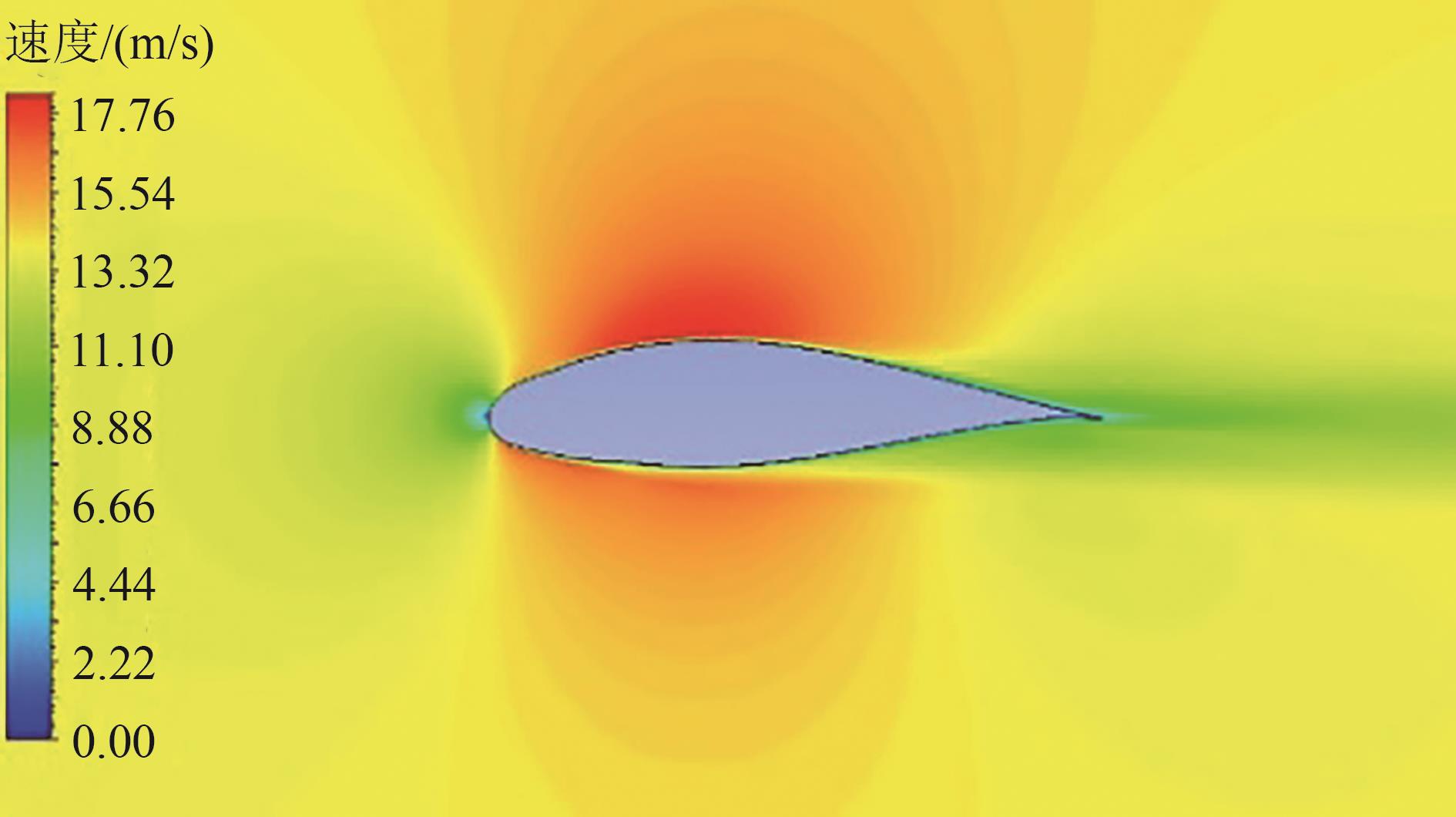
图1 空气流场模拟图
Fig. 1 Simulation diagram of airflow field
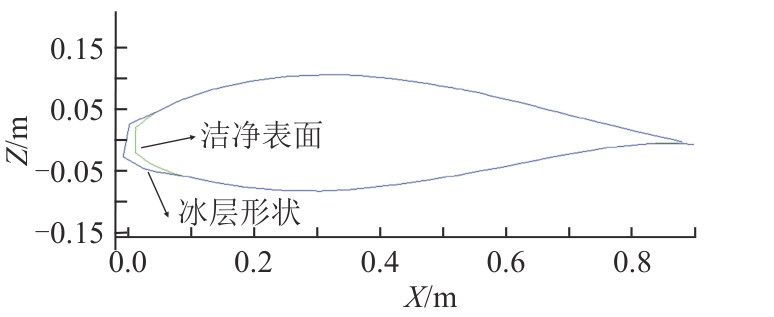
图2 覆冰形状示意图
Fig. 2 Schematic diagram of ice accretion shape
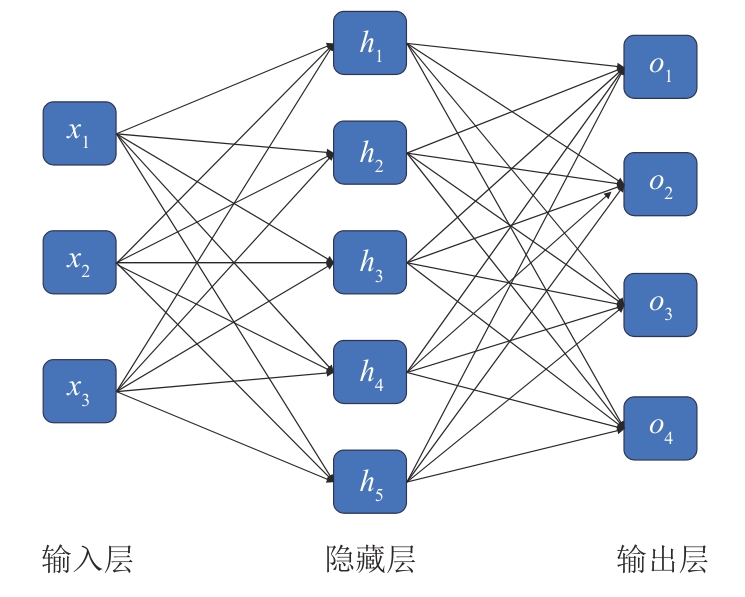
图3 含有隐藏层的MLP神经网络结构
Fig. 3 Structure of MLP neural network with one hidden layer
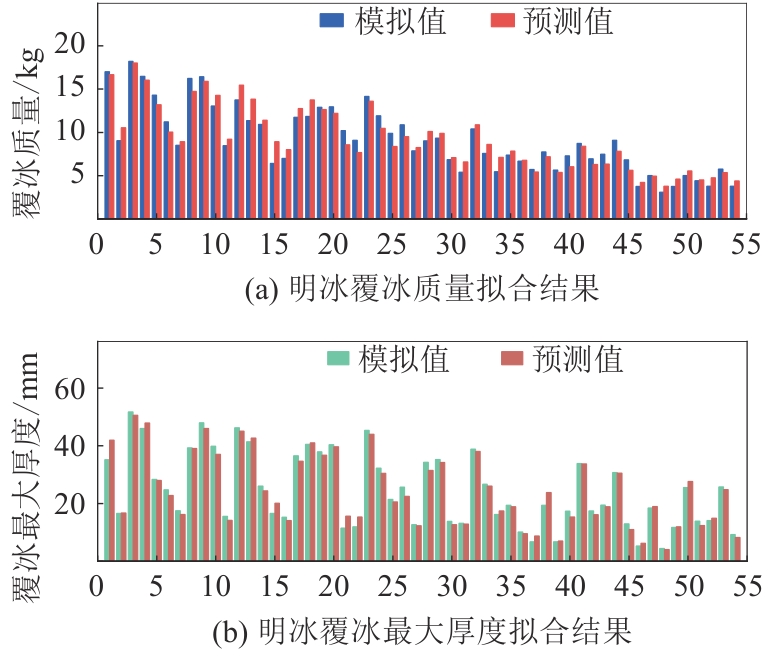
图4 明冰覆冰拟合结果(线性回归)
Fig. 4 Fitting results for glaze ice accretion (linear regression)
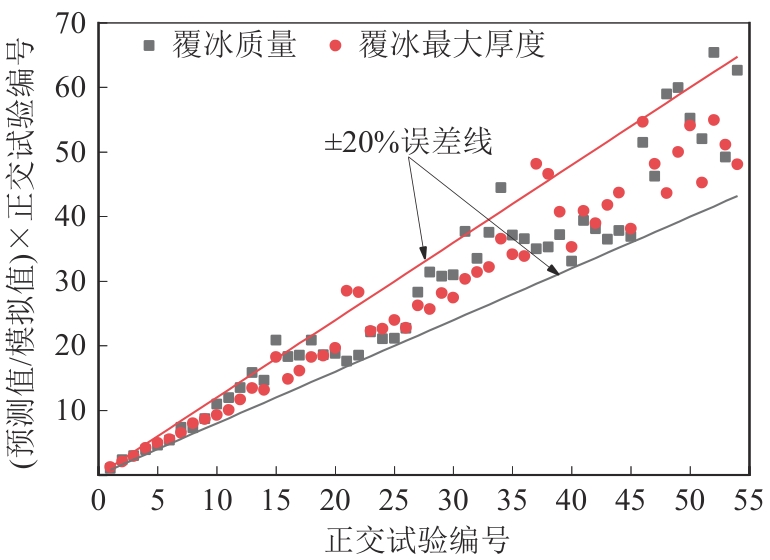
图5 明冰覆冰质量、覆冰最大厚度误差图(线性回归)
Fig. 5 Error plot of glaze ice accretion mass and maximum ice thickness (linear regression)
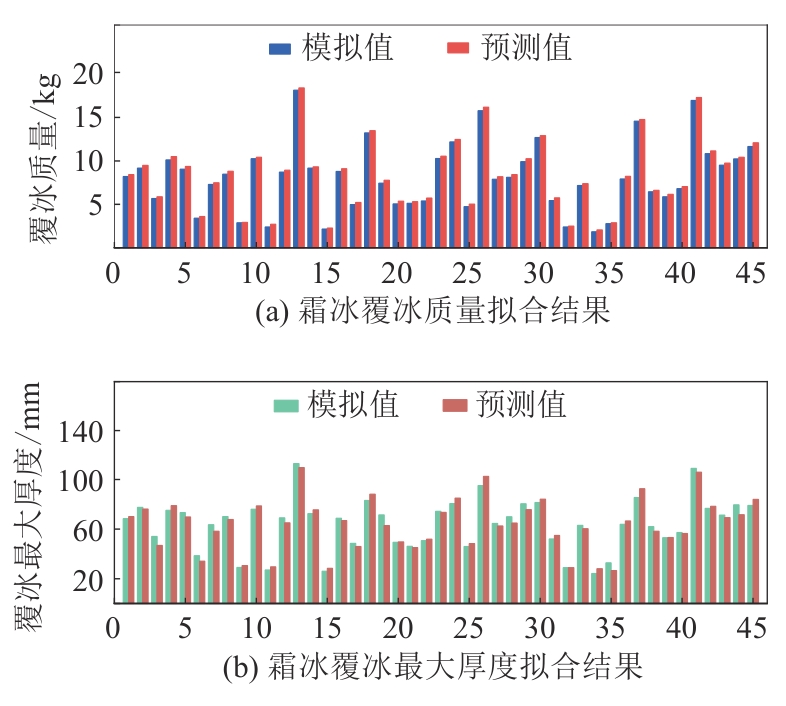
图6 霜冰覆冰拟合结果(线性回归)
Fig. 6 Fitting results for rime ice accretion (linear regression)
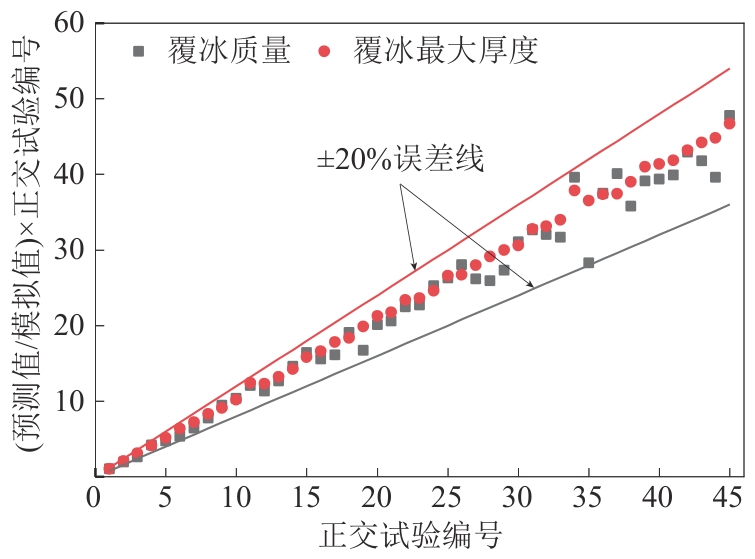
图7 霜冰覆冰质量、最大厚度误差图(线性回归)
Fig. 7 Error plot of rime ice accretion mass and maximum ice thickness (linear regression)
| 参数 | 平均相对误差/% | 最大相对误差/% | 均方根误差 |
|---|---|---|---|
| 明冰覆冰质量 | 11.01 | 30.82 | 1.06 kg |
| 明冰覆冰最大厚度 | 7.74 | 25.12 | 1.92 mm |
| 霜冰覆冰质量 | 3.77 | 12.62 | 0.27 kg |
| 霜冰覆冰最大厚度 | 5.57 | 19.24 | 3.92 mm |
表3 多元线性回归模型预测误差汇总
Tab. 3 Summary of prediction errors for the multiple linear regression model
| 参数 | 平均相对误差/% | 最大相对误差/% | 均方根误差 |
|---|---|---|---|
| 明冰覆冰质量 | 11.01 | 30.82 | 1.06 kg |
| 明冰覆冰最大厚度 | 7.74 | 25.12 | 1.92 mm |
| 霜冰覆冰质量 | 3.77 | 12.62 | 0.27 kg |
| 霜冰覆冰最大厚度 | 5.57 | 19.24 | 3.92 mm |
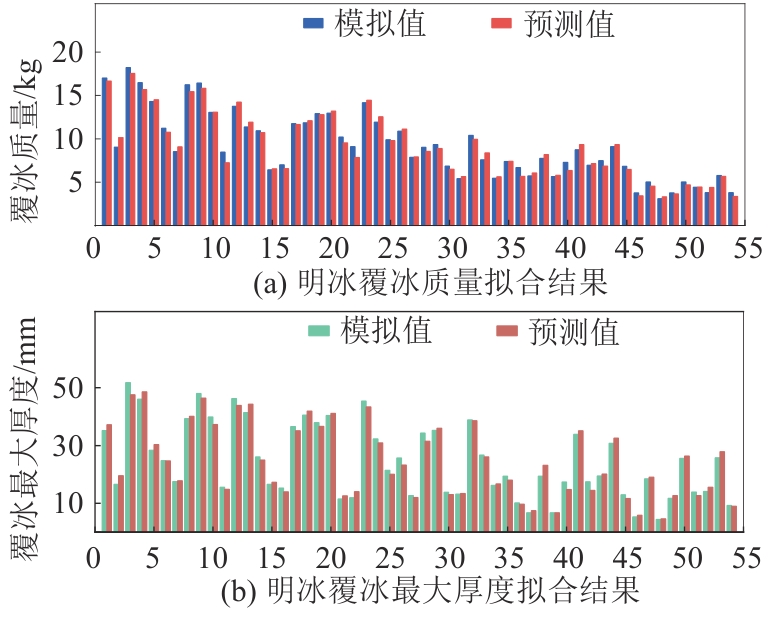
图8 明冰覆冰拟合结果(MLP)
Fig. 8 Fitting results for glaze ice accretion (MLP)
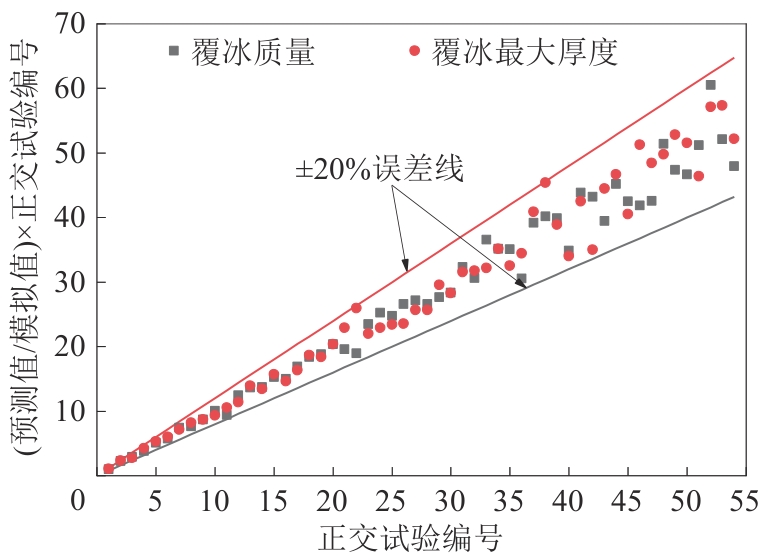
图9 明冰覆冰质量、覆冰最大厚度误差图(MLP)
Fig. 9 Error plot of glaze ice accretion mass and maximum ice thickness (MLP)
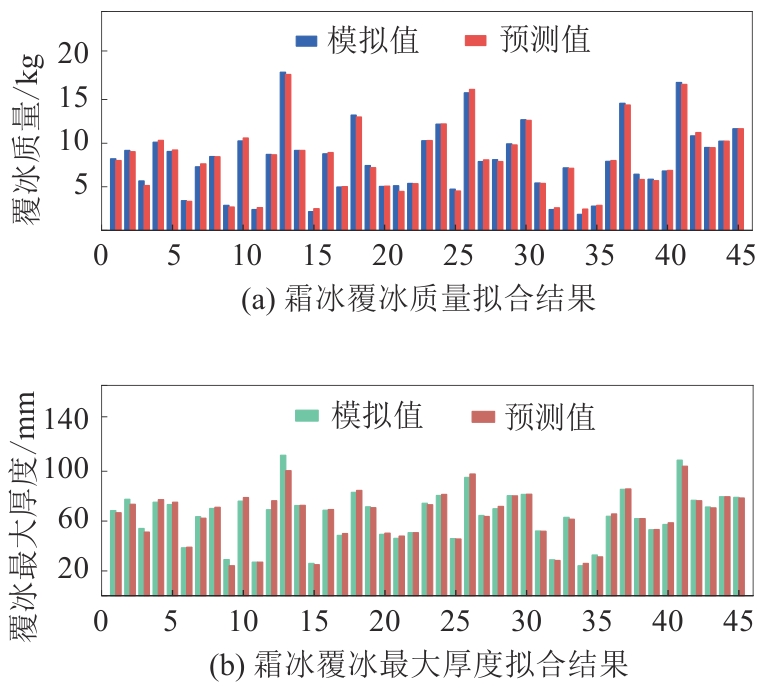
图10 霜冰覆冰拟合结果(MLP)
Fig. 10 Fitting results for rime ice accretion (MLP)
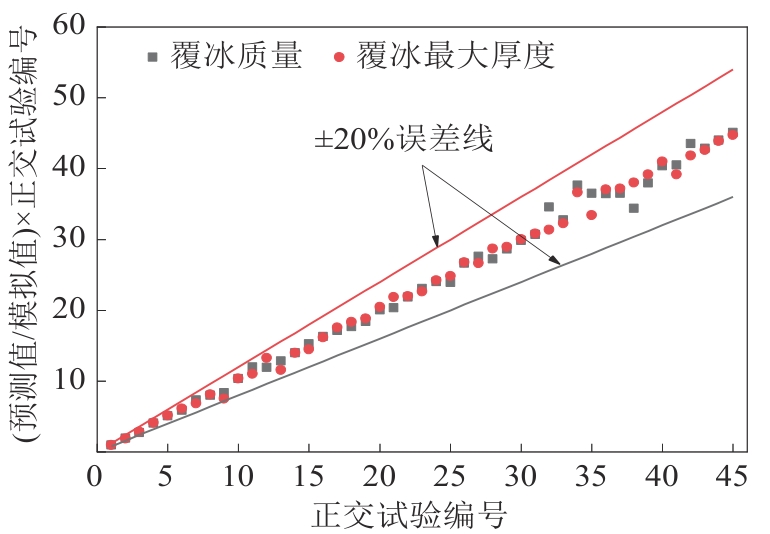
图11 霜冰覆冰质量、覆冰最大厚度误差图(MLP)
Fig. 11 Error plot of rime ice accretion mass and maximum ice thickness (MLP)
| 参数 | 平均相对误差/% | 最大相对误差/% | 均方根误差 |
|---|---|---|---|
| 明冰覆冰质量 | 5.29 | 14.52 | 0.52 kg |
| 明冰覆冰最大厚度 | 6.33 | 19.43 | 1.70 mm |
| 霜冰覆冰质量 | 2.62 | 10.74 | 0.21 kg |
| 霜冰覆冰最大厚度 | 2.27 | 12.36 | 2.75 mm |
表4 MLP神经网络模型预测误差汇总
Tab. 4 Summary of prediction errors for the MLP neural network model
| 参数 | 平均相对误差/% | 最大相对误差/% | 均方根误差 |
|---|---|---|---|
| 明冰覆冰质量 | 5.29 | 14.52 | 0.52 kg |
| 明冰覆冰最大厚度 | 6.33 | 19.43 | 1.70 mm |
| 霜冰覆冰质量 | 2.62 | 10.74 | 0.21 kg |
| 霜冰覆冰最大厚度 | 2.27 | 12.36 | 2.75 mm |
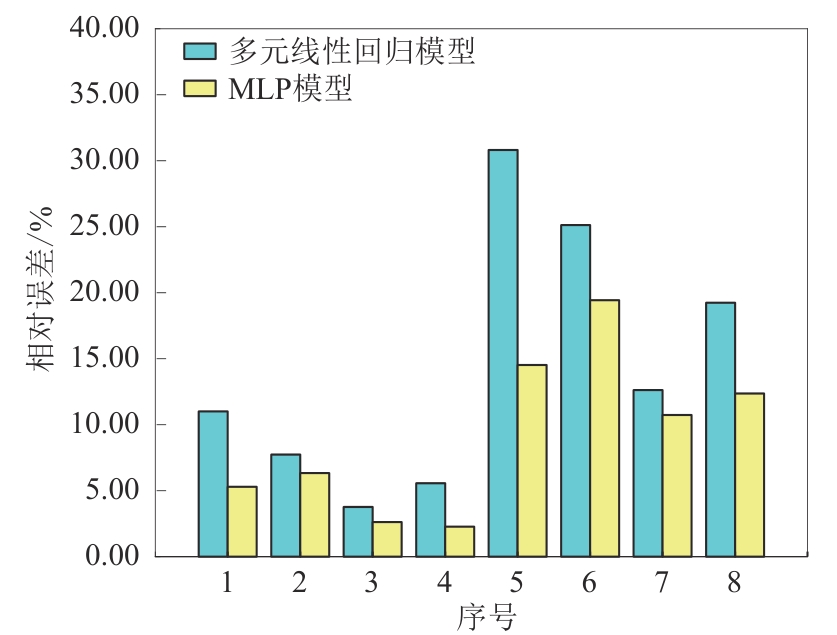
图12 相对误差对比图
Fig. 12 Comparison of relative error
| [1] | 胡琴,王欢,舒立春,等 .覆冰条件下风力发电机叶片防/除冰方法综述[J].电工技术学报,2024,39(17):5482-5496. |
| HU Q, WANG H, SHU L C,et al .Review of anti-/ de-icing methods for wind turbine blades under icing conditions[J].Transactions of China Electrotechnical Society,2024,39(17):5482-5496. | |
| [2] | 刘志超,王洪彬,沙浩,等 .我国风电利用技术现状及其前景分析[J].发电技术,2019,40(4):389-395. doi:10.12096/j.2096-4528.pgt.18249 |
| LIU Z C, WANG H B, SHA H,et al .Status and prospect analysis of wind power utilization technology in China[J].Power Generation Technology,2019,40(4):389-395. doi:10.12096/j.2096-4528.pgt.18249 | |
| [3] | 崔超,赵允涛,黄文慧,等 .机械通风直接空冷系统噪声预测与分析[J].发电技术,2018,39(5):443-448. |
| CUI C, ZHAO Y T, HUANG W H,et al .Noise prediction and analysis of mechanical draft direct dry cooling system[J].Power Generation Technology,2018,39(5):443-448. | |
| [4] | 韩爽,刘杉 .高空风力发电关键技术、现状及发展趋势[J].分布式能源,2024,9(1):1-9. |
| HAN S, LIU S .Key technologies,current status and development trends of high-altitude wind power generation[J].Distributed Energy,2024,9(1):1-9. | |
| [5] | 严新荣,张宁宁,马奎超,等 .我国海上风电发展现状与趋势综述[J].发电技术,2024,45(1):1-12. doi:10.12096/j.2096-4528.pgt.23093 |
| YAN X R, ZHANG N N, MA K C,et al .Overview of current situation and trend of offshore wind power development in China[J].Power Generation Technology,2024,45(1):1-12. doi:10.12096/j.2096-4528.pgt.23093 | |
| [6] | 刘忠德,周强,雷和林,等 .基于多传热模型数值仿真的风电机组叶片气热防除冰性能强化[J].电力科学与技术学报,2024,39(4):160-168. |
| LIU Z D, ZHOU Q, LEI H L,et al .Performance enhancement of gas heat prevention and deicing of wind turbine blades based on numerical simulation of multi-heat transfer model[J].Journal of Electric Power Science and Technology,2024,39(4):160-168. | |
| [7] | 阳薇,秦川,曾毓琳,等 .桂北低温冰冻天气对高山风力发电的影响分析[J].南方能源建设,2025,12(6):142-151. |
| YANG W, QIN C, ZENG Y L,et al .Analysis of the impact of low temperature and freezing weather in northern Guangxi on high-altitude wind power generation[J].Southern Energy Construction,2025,12(6):142-151. | |
| [8] | 胡蓓,吴永康,郭子君,等 .风力发电叶片裂缝监测技术综述[J].高压电器,2022,58(7):93-100. |
| HU B, WU Y K, GUO Z J,et al .Review of wind turbine blade crack monitoring technology[J].High Voltage Apparatus,2022,58(7):93-100. | |
| [9] | HABIBI H, EDWARDS G, SANNASSY C,et al .Modelling and empirical development of an anti/de-icing approach for wind turbine blades through superposition of different types of vibration[J].Cold Regions Science and Technology,2016,128:1-12. doi:10.1016/j.coldregions.2016.04.012 |
| [10] | 卓毅鑫,秦意茗,胡甲秋,等 .基于组合权重的多模式融合风机气温预测方法[J].南方电网技术,2023,17(2):111-117. |
| ZHUO Y X, QIN Y M, HU J Q,et al .Multi-mode fusion fan temperature prediction method based on combination weight[J].Southern Power System Technology,2023,17(2):111-117. | |
| [11] | 李宁波,闫涛,李乃鹏,等 .基于SCADA数据的风机叶片结冰检测方法[J].发电技术,2018,39(1):58-62. |
| LI N B, YAN T, LI N P,et al .Ice detection method by using SCADA data on wind turbine blades[J].Power Generation Technology,2018,39(1):58-62. | |
| [12] | 孔祥逸 .风力机叶片覆冰预测及气动性能影响分析[D].大连:大连理工大学,2022. |
| KONG X Y .Prediction of wind turbine blade ice cover and analysis of aerodynamic performance after ice cover[D].Dalian:Dalian University of Technology,2022. | |
| [13] | 汤伟,桑旬,刘家兵,等 .基于优化SVRM的输电线路短时期覆冰厚度预测模型研究[J].陕西科技大学学报,2023,41(4):151-157. |
| TANG W, SANG X, LIU J B,et al .Study on short-term ice thickness prediction model of transmission lines based on optimized SVRM[J].Journal of Shaanxi University of Science & Technology,2023,41(4):151-157. | |
| [14] | 潘浩,周仿荣,马仪,等 .输电线路覆冰情势与气象要素关联模型研究[J].高压电器,2023,59(12):75-82. |
| PAN H, ZHOU F R, MA Y,et al .Association model for icing situation with meteorological factors for transmission line[J].High Voltage Apparatus,2023,59(12):75-82. | |
| [15] | 朱显辉,于越,师楠,等 .BP神经网络的分层优化研究及其在风电功率预测中的应用[J].高压电器,2022,58(2):158-163. |
| ZHU X H, YU Y, SHI N,et al .Research on hierarchical optimization of BP neural network and its application in wind power prediction[J].High Voltage Apparatus,2022,58(2):158-163. | |
| [16] | 张海兵,吴海涛,胡琴,等 .直流电场强度对导线雨淞覆冰及其电晕损失的影响[J].高压电器,2022,58(8):275-279. |
| ZHANG H B, WU H T, HU Q,et al .Influence of DC electric field intensity on conductor glaze icing and its corona loss[J].High Voltage Apparatus,2022,58(8):275-279. | |
| [17] | 王绍龙 .水平轴风力机叶片结冰分布数值模拟与冰风洞试验研究[D].哈尔滨:东北农业大学,2017. |
| WANG S L .Numerical simulation and icing wind tunnel test study on icing distribution on blade of horizontal axis wind turbine[D].Haerbin:Northeast Agricultural University,2017. | |
| [18] | XIAO J, LI C, LIU B,et al .Prediction of wind turbine blade icing fault based on selective deep ensemble model[J].Knowledge-Based Systems,2022,242:108290. doi:10.1016/j.knosys.2022.108290 |
| [19] | 吕云龙,胡琴,胡紫园,等 .考虑样本不平衡条件下风机叶片覆冰诊断及其可解释性研究[J].电工技术学报,2025,40(11):3667-3679. |
| LÜ Y L, HU Q, HU Z Y,et al .Diagnosis and interpretability study of wind turbine blade icing under consideration of sample imbalance conditions[J].Transactions of China Electrotechnical Society,2025,40(11):3667-3679. | |
| [20] | 黄晟,凌吉莉,魏娟,等 .大规模风电机群服役质量调控方法研究综述[J].电工技术学报,2025,40(10):3274-3300. |
| HUANG S, LING J L, WEI J,et al .A review of regulation method of service quality of large-scale wind farm[J].Transactions of China Electrotechnical Society,2025,40(10):3274-3300. | |
| [21] | 熊昌全,何泽其,张宇宁,等 .基于Bi-LSTM和支持向量机的风机叶片短期覆冰状态预测模型[J].四川电力技术,2021,44(3):88-94. |
| XIONG C Q, HE Z Q, ZHANG Y N,et al .Short-term icing status prediction model of wind turbine blades based on Bi-LSTM and SVM models[J].Sichuan Electric Power Technology,2021,44(3):88-94. | |
| [22] | 于童,李英娜 .基于Attention-WOA-BiLSTM的输电塔线路等值覆冰厚度预测模型[J].数据通信,2023(1):48-54. |
| YU T, LI Y N .Prediction model of equivalent ice thickness on transmission tower lines based on attention-WOA-BiLSTM[J].Data Communication,2023(1):48-54. | |
| [23] | 张好雨 .基于SCADA数据的风机叶片覆冰故障检测与预测[D].北京:北京交通大学,2022. doi:10.1109/ccdc55256.2022.10033566 |
| ZHANG H Y .Detection and prediction of wind turbine blade icing fault based on SCADA data [D].Beijing:Beijing Jiaotong University,2022. doi:10.1109/ccdc55256.2022.10033566 | |
| [24] | 马飞宇,张春芝,李飞宇 .基于神经网络技术的风力机叶片覆冰预测方法[J].复合材料科学与工程,2022(11):96-101. |
| MA F Y, ZHANG C Z, LI F Y .Icing condition prediction of wind turbine blade based on neural network technology[J].Composites Science and Engineering,2022(11):96-101. | |
| [25] | WANG J, TANG Z, LU P .Ice detection and voice alarm of wind turbine blades based on belief network[J].International Journal of Speech Technology,2021,27(2):1-10. |
| [26] | ZHANG D, TIAN W, CHENG X,et al .FedBIP:a federated learning-based model for wind turbine blade icing prediction[J].IEEE Transactions on Instrumentation and Measurement,2023,72:3516011. doi:10.1109/tim.2023.3273675 |
| [27] | LI Y, HOU L, TANG M,et al .Prediction of wind turbine blades icing based on feature selection and 1D-CNN-SBiGRU[J].Multimedia Tools and Applications,2022,81(3):4365-4385. doi:10.1007/s11042-021-11700-7 |
| [28] | 杨子民,彭小圣,熊予涵,等 .计及邻近风电场信息与CNN-BiLSTM的短期风电功率预测[J].南方电网技术,2023,17(2):47-56. |
| YANG Z M, PENG X S, XIONG Y H,et al .Short-term wind power prediction based on information in neighboring wind farms and CNN-BiLSTM[J].Southern Power System Technology,2023,17(2):47-56. | |
| [29] | XU J, TAN W, LI T .Predicting fan blade icing by using particle swarm optimization and support vector machine algorithm[J].Computers & Electrical Engineering,2020,87:106751. doi:10.1016/j.compeleceng.2020.106751 |
| [30] | TAO C, TAO T, BAI X,et al .Wind turbine blade icing prediction using focal loss function and CNN-attention-GRU algorithm[J].Energies,2023,16(15):5621. doi:10.3390/en16155621 |
| [31] | LI S, PENG Y,BIN G .Prediction of wind turbine blades icing based on CJBM with imbalanced data[J].IEEE Sensors Journal,2023,23(17):19726-19736. doi:10.1109/jsen.2023.3296086 |
| [32] | PRYOR S C, LETSON F, SHEPHERD T,et al .Evaluation of WRF simulation of deep convection in the U.S.Southern Great Plains[J].Journal of Applied Meteorology and Climatology,62(1):41-62. doi:10.1175/jamc-d-22-0090.1 |
| [33] | 李亚光,李蒙 .基于深度小世界神经网络的风电机组异常检测[J].发电技术,2021,42(3):313-321. doi:10.12096/j.2096-4528.pgt.20091 |
| LI Y G, LI M .Anomaly detection of wind turbines based on deep small-world neural network[J].Power Generation Technology,2021,42(3):313-321. doi:10.12096/j.2096-4528.pgt.20091 | |
| [34] | MOAYEDI H, CANATALAY P J, AHMADI DEHRASHID A,et al .Multilayer perceptron and their comparison with two nature-inspired hybrid techniques of biogeography-based optimization (BBO) and backtracking search algorithm (BSA) for assessment of landslide susceptibility[J].Land,2023,12(1):242. doi:10.3390/land12010242 |
| [35] | 张驰,郭媛,黎明 .人工神经网络模型发展及应用综述[J].计算机工程与应用,2021,57(11):57-69. |
| ZHANG C, GUO Y, LI M .Review of development and application of artificial neural network models[J].Computer Engineering and Applications,2021,57(11):57-69. | |
| [36] | 徐曼,乔颖,鲁宗相 .短期风电功率预测误差综合评价方法[J].电力系统自动化,2011,35(12):20-26. |
| XU M, QIAO Y, LU Z X .A comprehensive error evaluation method for short-term wind power prediction[J].Automation of Electric Power Systems,2011,35(12):20-26. |
| [1] | 史宏思, 孙新伟, 王凯. 基于电化学阻抗谱的锂离子电池健康状态估计[J]. 发电技术, 2026, 47(1): 133-144. |
| [2] | 冯磊华, 聂超鹏, 郭奇峰, 杨锋, 何金奇, 毛玉成. 基于改进型鲸鱼算法优化长短期记忆神经网络的过热汽温预测研究[J]. 发电技术, 2025, 46(6): 1212-1222. |
| [3] | 曾稳根, 陈冬林, 唐明珠, 汪淑奇, 胡章茂. 基于双向长短期记忆网络和最小二乘支持向量机模型的SCR脱硝反应器进口截面NO x 浓度预测[J]. 发电技术, 2025, 46(5): 996-1004. |
| [4] | 莫基晟, 尹纯亚, 黄新民, 韩璐, 刘江山. 考虑有功无功协调恢复的风电场高电压穿越策略[J]. 发电技术, 2025, 46(4): 737-747. |
| [5] | 张鹏新, 高明明, 解沛然, 于浩洋, 张洪福, 黄中. 基于数据驱动的循环流化床机组深度调峰NO x 预测[J]. 发电技术, 2025, 46(3): 627-636. |
| [6] | 王玲芝, 张新波. 基于改进混合高斯模型的风速分布拟合与风机年发电量估算[J]. 发电技术, 2025, 46(1): 103-112. |
| [7] | 刘忠, 周泽华, 邹淑云, 刘圳, 乔帅程. 基于知识蒸馏-卷积神经网络的水轮机空化状态识别方法[J]. 发电技术, 2025, 46(1): 161-170. |
| [8] | 匡洪海, 郭茜. 基于多特征提取-卷积神经网络-长短期记忆网络的短期风电功率预测方法[J]. 发电技术, 2025, 46(1): 93-102. |
| [9] | 董建宁, 安吉振, 陈衡, 潘佩媛, 徐钢, 王修彦. 考虑天气影响的火电机组空冷系统性能预测方法[J]. 发电技术, 2024, 45(6): 1105-1113. |
| [10] | 易海, 吕宙安, 张伶俐, 陈希, 柳典, 黄雨薇, 韩星星, 许昌. 基于改进模糊C-均值聚类的陆上风电场集电线路回路划分与拓扑结构优化[J]. 发电技术, 2024, 45(4): 675-683. |
| [11] | 陈昱, 丁鸿, 崔勇, 朱里, 陈士俊, 凌秋阳, 徐勇生, 郑建. 变电设备温度态势感知及辅助决策系统方案研究[J]. 发电技术, 2024, 45(4): 744-752. |
| [12] | 周丹, 袁至, 李骥, 范玮. 考虑平抑未来时刻风电波动的混合储能系统超前模糊控制策略[J]. 发电技术, 2024, 45(3): 412-422. |
| [13] | 张小莲, 孙啊传, 郝思鹏, 许乐妍, 武启川. 风电场参与电网调频的多机协同控制策略[J]. 发电技术, 2024, 45(3): 448-457. |
| [14] | 刘洪波, 刘永发, 任阳, 孙黎, 刘珅诚. 高风电渗透率下考虑系统风电备用容量的储能配置[J]. 发电技术, 2024, 45(2): 260-272. |
| [15] | 邵宜祥, 刘剑, 胡丽萍, 过亮, 方渊, 李睿. 一种改进组合神经网络的超短期风速预测方法研究[J]. 发电技术, 2024, 45(2): 323-330. |
| 阅读次数 | ||||||
|
全文 |
|
|||||
|
摘要 |
|
|||||
