

Power Generation Technology ›› 2025, Vol. 46 ›› Issue (6): 1200-1211.DOI: 10.12096/j.2096-4528.pgt.25063
• Power Generation and Environmental Protection • Previous Articles
Songyang LIU1, Yunpeng BAI2, Zhidong CHEN2, Liang DING1, Chaojie SUN1, Yanqiang KONG2
Received:2025-06-25
Revised:2025-09-29
Published:2025-12-31
Online:2025-12-25
Contact:
Yanqiang KONG
Supported by:CLC Number:
Songyang LIU, Yunpeng BAI, Zhidong CHEN, Liang DING, Chaojie SUN, Yanqiang KONG. Study on Peak Shaving Characteristics of Nuclear Power Unit Based on Molten Salt Heat Storage[J]. Power Generation Technology, 2025, 46(6): 1200-1211.
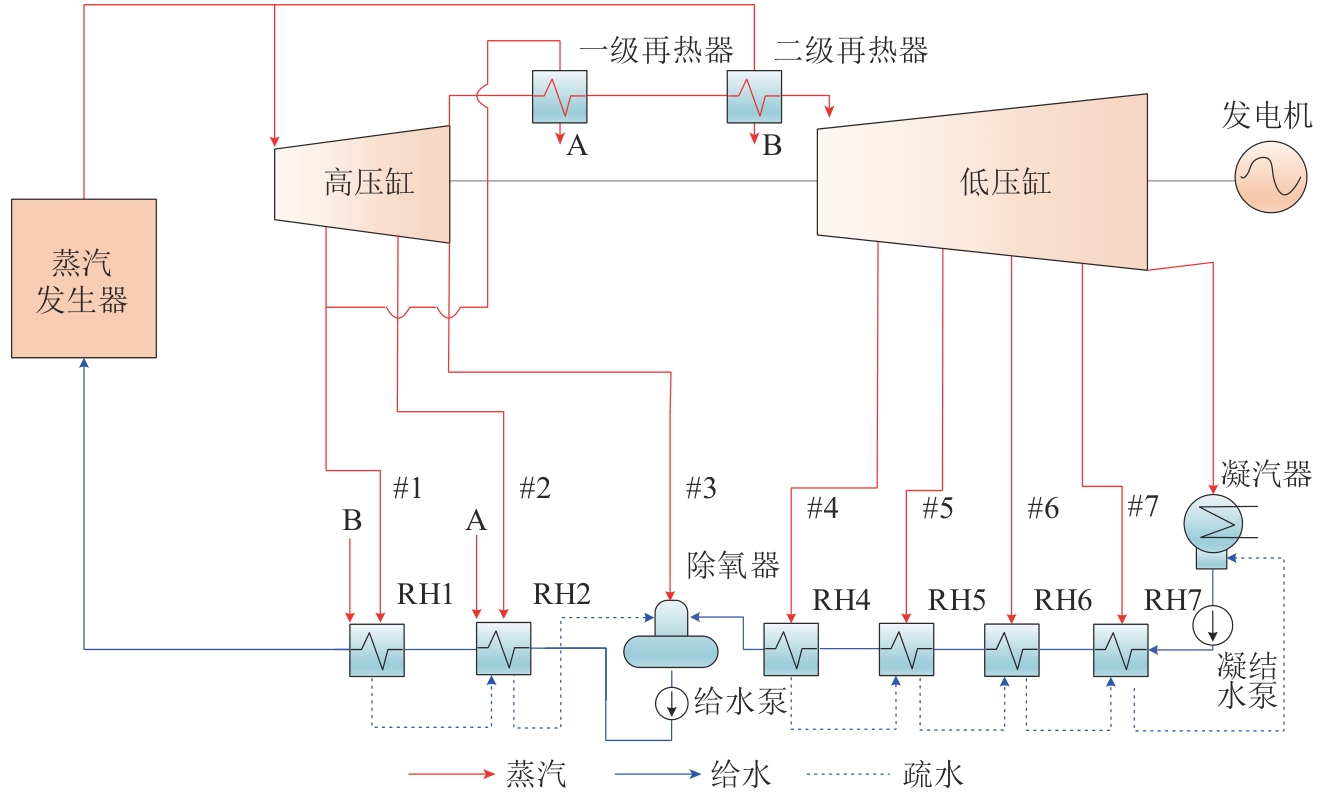
Fig. 1 Schematic diagram of conventional island in reference nuclear power unit
| 参数 | 数值 |
|---|---|
| 核能输入功率/MW | 3 191.16 |
| 主蒸汽温度/℃ | 282.0 |
| 主蒸汽压力/MPa | 6.615 |
| 再热蒸汽温度/℃ | 270.1 |
| 再热蒸汽压力/MPa | 0.99 |
| 给水温度/℃ | 226.0 |
| 排汽压力/kPa | 5.10 |
| 发电量/MW | 1 211.68 |
| 能量效率/% | 37.97 |
Tab. 1 Thermodynamic parameters of conventional island in nuclear power under design conditions
| 参数 | 数值 |
|---|---|
| 核能输入功率/MW | 3 191.16 |
| 主蒸汽温度/℃ | 282.0 |
| 主蒸汽压力/MPa | 6.615 |
| 再热蒸汽温度/℃ | 270.1 |
| 再热蒸汽压力/MPa | 0.99 |
| 给水温度/℃ | 226.0 |
| 排汽压力/kPa | 5.10 |
| 发电量/MW | 1 211.68 |
| 能量效率/% | 37.97 |
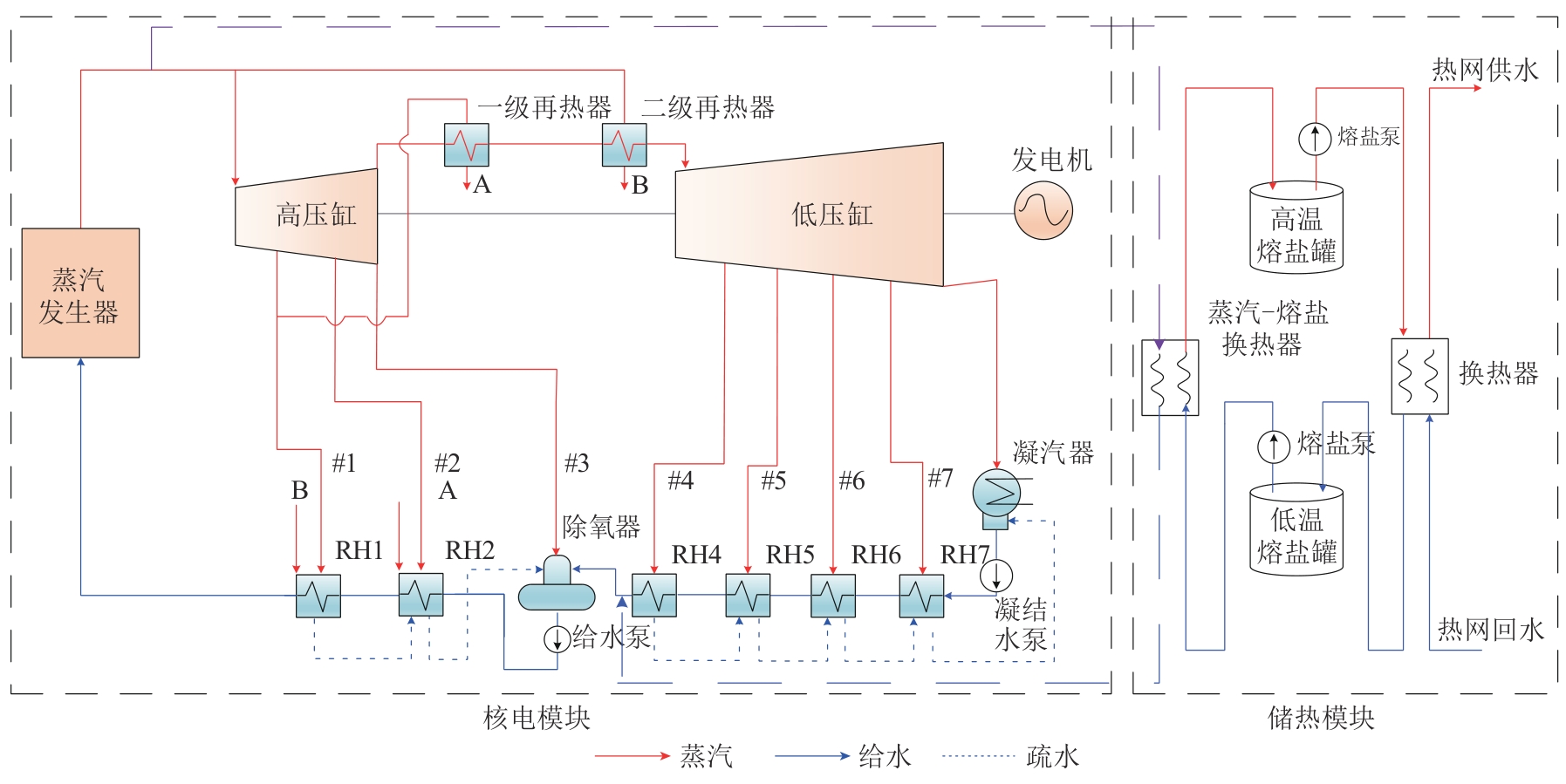
Fig. 2 Schematic diagram of main steam heating molten salt scheme
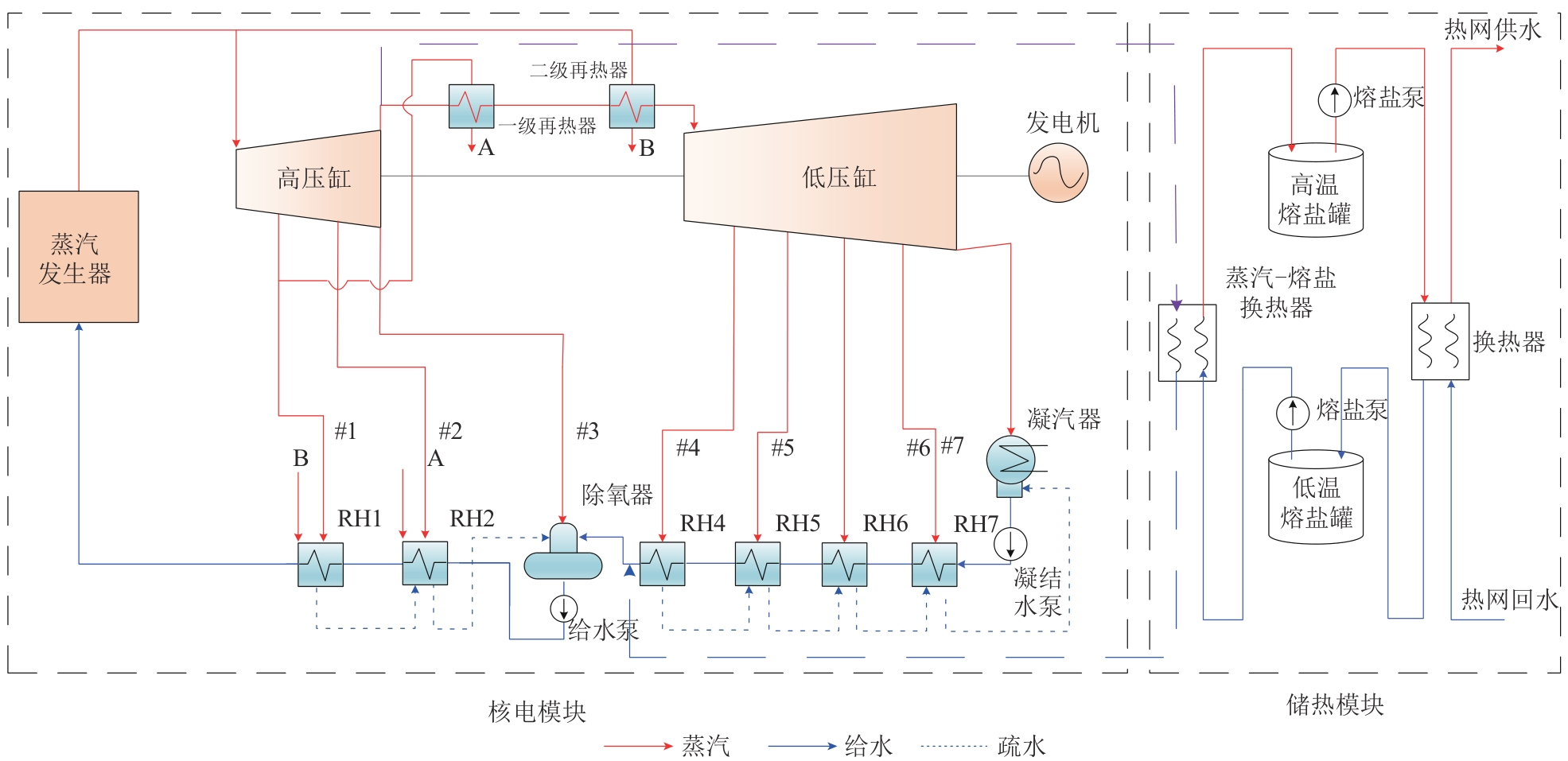
Fig. 3 Schematic diagram of high-pressure cylinder exhaust steam heating molten salt scheme
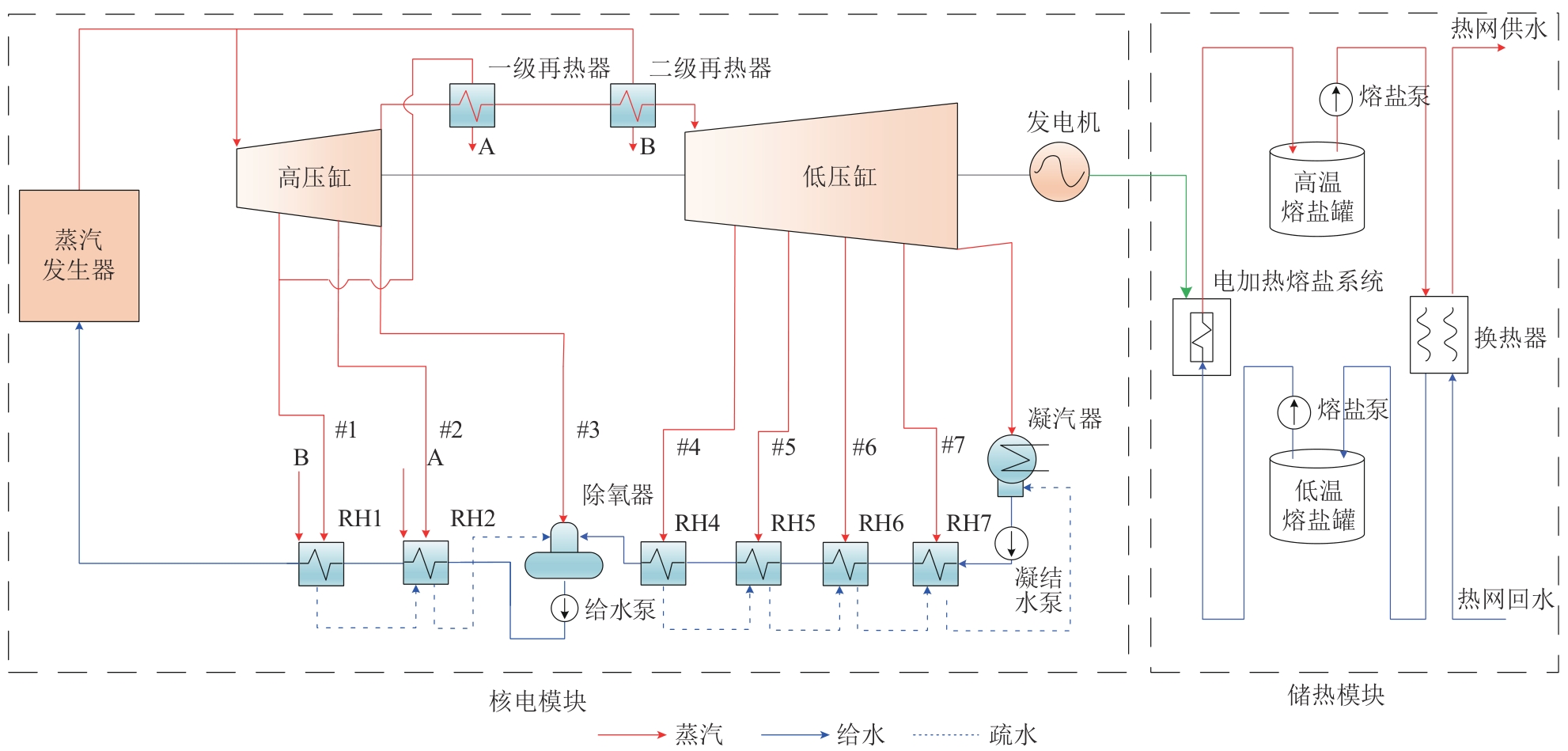
Fig. 4 Schematic diagram of electric heating molten salt scheme
| 参数 | 数值 | |
|---|---|---|
| 热网回水温度 | 40.0 | |
| 热网供水温度 | 130.0 | |
| 主蒸汽加热熔盐方案 | 高温熔盐温度 | 272.0 |
| 低温熔盐温度 | 150.0 | |
| 高压缸排汽加热熔盐方案 | 高温熔盐温度 | 172.0 |
| 低温熔盐温度 | 150.0 | |
| 电加热熔盐方案 | 高温熔盐温度 | 200.0/240.0 |
| 低温熔盐温度 | 150.0 | |
Tab. 2 Thermodynamic parameters of different coupled system schemes
| 参数 | 数值 | |
|---|---|---|
| 热网回水温度 | 40.0 | |
| 热网供水温度 | 130.0 | |
| 主蒸汽加热熔盐方案 | 高温熔盐温度 | 272.0 |
| 低温熔盐温度 | 150.0 | |
| 高压缸排汽加热熔盐方案 | 高温熔盐温度 | 172.0 |
| 低温熔盐温度 | 150.0 | |
| 电加热熔盐方案 | 高温熔盐温度 | 200.0/240.0 |
| 低温熔盐温度 | 150.0 | |
| 组成设备 | 软件组件 | 细节 |
|---|---|---|
| 蒸汽发生器 | 蒸汽发生器 | 蒸汽发生器以整体建模,不同工况下的主蒸汽流量设置为定值 |
| 汽轮机 | 汽轮机 | 指定各级的排汽焓值;各级组机械效率设定为99.80% |
| 泵 | 泵 | 等熵效率为83.0%;机械效率为99.8% |
| 发电机 | 发电机 | 发电机效率为99% |
| 加热器 | 给水加热器; 疏水冷却器; 除氧器 | 加热器由给水加热器(冷凝段)和疏水冷却器(疏水冷却段)组成,加热器3为除氧器。规定了每个加热器的上端温差和每个疏水冷却器的下端温差。不同加热器对应的抽汽压力损失范围为3%~5%;热损失忽略不计 |
| 再热器 | 通用换热器 | 指定热流体的入口和出口温度;指定冷流体的入口温度 |
| 凝汽器 | 冷凝器 | 指定冷却水的入口温度和压力;指定凝汽器的终端温差 |
| 高温熔盐罐/低温熔盐罐 | 直接存储 | 指定容器内温度 |
| 电加热装置 | 电锅炉 | 指定效率 |
Tab. 3 Modeling details of components in EBSILON software
| 组成设备 | 软件组件 | 细节 |
|---|---|---|
| 蒸汽发生器 | 蒸汽发生器 | 蒸汽发生器以整体建模,不同工况下的主蒸汽流量设置为定值 |
| 汽轮机 | 汽轮机 | 指定各级的排汽焓值;各级组机械效率设定为99.80% |
| 泵 | 泵 | 等熵效率为83.0%;机械效率为99.8% |
| 发电机 | 发电机 | 发电机效率为99% |
| 加热器 | 给水加热器; 疏水冷却器; 除氧器 | 加热器由给水加热器(冷凝段)和疏水冷却器(疏水冷却段)组成,加热器3为除氧器。规定了每个加热器的上端温差和每个疏水冷却器的下端温差。不同加热器对应的抽汽压力损失范围为3%~5%;热损失忽略不计 |
| 再热器 | 通用换热器 | 指定热流体的入口和出口温度;指定冷流体的入口温度 |
| 凝汽器 | 冷凝器 | 指定冷却水的入口温度和压力;指定凝汽器的终端温差 |
| 高温熔盐罐/低温熔盐罐 | 直接存储 | 指定容器内温度 |
| 电加热装置 | 电锅炉 | 指定效率 |
| 参数 | 设计值 | 模拟值 | 相对误差 |
|---|---|---|---|
| 发电机功率/MW | 1 212.88 | 1 211.68 | 0.09% |
| 主蒸汽流量/(kg/h) | 6 389 285 | 6 389 285 | 0% |
| 一级再热器进口蒸汽温度/℃ | 181.50 | 181.01 | 0.27% |
| 一级再热器进口蒸汽温度/℃ | 221.98 | 221.62 | 0.16% |
| 二级再热器出口温度/℃ | 270.85 | 270.11 | 0.27% |
Tab. 4 Comparison between design and simulated values of major thermodynamic parameters of nuclear power units
| 参数 | 设计值 | 模拟值 | 相对误差 |
|---|---|---|---|
| 发电机功率/MW | 1 212.88 | 1 211.68 | 0.09% |
| 主蒸汽流量/(kg/h) | 6 389 285 | 6 389 285 | 0% |
| 一级再热器进口蒸汽温度/℃ | 181.50 | 181.01 | 0.27% |
| 一级再热器进口蒸汽温度/℃ | 221.98 | 221.62 | 0.16% |
| 二级再热器出口温度/℃ | 270.85 | 270.11 | 0.27% |
| 参数 | 设计值 |
|---|---|
| 供暖热价/(元/GJ) | 45 |
| 熔盐储热成本/[元/(kW∙h)] | 450 |
| 电加热器成本/(元/kW) | 700 |
| 设备使用寿命/年 | 30 |
| 折现率/% | 6 |
| 系统年运行小时数/h | 7 000 |
| 年供暖总时长/h | 1 200 |
| 调峰补贴/[元/(kW∙h)] | 0.3 |
| 上网电价/[元/(kW∙h)] | 0.393 2 |
Tab. 5 Economic calculation data for heating schemes of coupled system
| 参数 | 设计值 |
|---|---|
| 供暖热价/(元/GJ) | 45 |
| 熔盐储热成本/[元/(kW∙h)] | 450 |
| 电加热器成本/(元/kW) | 700 |
| 设备使用寿命/年 | 30 |
| 折现率/% | 6 |
| 系统年运行小时数/h | 7 000 |
| 年供暖总时长/h | 1 200 |
| 调峰补贴/[元/(kW∙h)] | 0.3 |
| 上网电价/[元/(kW∙h)] | 0.393 2 |
| 参数 | 调峰幅度 | |||||
|---|---|---|---|---|---|---|
| 5% | 10% | 15% | 20% | 25% | ||
| 供热量/MW | 164.19 | 328.98 | 494.05 | 659.13 | 824.21 | |
| 高/低温熔盐温度/℃ | 271.99/150.00 | 271.99/150.00 | 271.99/150.00 | 271.99/150.00 | 271.99/150.00 | |
| 用于加热熔盐的主蒸汽 | 温度/℃ | 281.99 | 281.99 | 281.99 | 281.99 | 281.99 |
| 压力/MPa | 6.62 | 6.62 | 6.62 | 6.62 | 6.62 | |
| 流量/(t/h) | 281.91 | 564.86 | 848.31 | 1 131.76 | 1 415.21 | |
| 核电发电量/MW | 1 151.40 | 1 090.80 | 1 030.20 | 969.60 | 909.00 | |
| 能量效率/% | 41.23 | 44.49 | 47.76 | 51.04 | 54.31 | |
Tab. 6 Calculation results of main steam heating molten salt scheme
| 参数 | 调峰幅度 | |||||
|---|---|---|---|---|---|---|
| 5% | 10% | 15% | 20% | 25% | ||
| 供热量/MW | 164.19 | 328.98 | 494.05 | 659.13 | 824.21 | |
| 高/低温熔盐温度/℃ | 271.99/150.00 | 271.99/150.00 | 271.99/150.00 | 271.99/150.00 | 271.99/150.00 | |
| 用于加热熔盐的主蒸汽 | 温度/℃ | 281.99 | 281.99 | 281.99 | 281.99 | 281.99 |
| 压力/MPa | 6.62 | 6.62 | 6.62 | 6.62 | 6.62 | |
| 流量/(t/h) | 281.91 | 564.86 | 848.31 | 1 131.76 | 1 415.21 | |
| 核电发电量/MW | 1 151.40 | 1 090.80 | 1 030.20 | 969.60 | 909.00 | |
| 能量效率/% | 41.23 | 44.49 | 47.76 | 51.04 | 54.31 | |
| 参数 | 调峰幅度 | |||||
|---|---|---|---|---|---|---|
| 5% | 10% | 15% | 20% | 25% | ||
| 供热量/MW | 223.83 | 449.29 | 674.74 | 900.19 | 1 125.64 | |
| 高/低温熔盐温度/℃ | 171.98/150.00 | 171.98/150.00 | 171.98/150.00 | 171.98/150.00 | 171.98/150.00 | |
| 用于加热熔盐的高压缸排汽 | 温度/℃ | 181.98 | 181.98 | 181.98 | 181.98 | 181.98 |
| 压力/MPa | 1.05 | 1.05 | 1.05 | 1.05 | 1.05 | |
| 流量/(t/h) | 436.04 | 875.23 | 1 314.42 | 1 753.61 | 2 192.80 | |
| 核电发电量/MW | 1 151.40 | 1 090.80 | 1 030.20 | 969.60 | 909.00 | |
| 能量效率/% | 43.09 | 48.26 | 53.43 | 58.59 | 63.76 | |
Tab. 7 Calculation results of high-pressure cylinder exhaust steam heating molten salt scheme
| 参数 | 调峰幅度 | |||||
|---|---|---|---|---|---|---|
| 5% | 10% | 15% | 20% | 25% | ||
| 供热量/MW | 223.83 | 449.29 | 674.74 | 900.19 | 1 125.64 | |
| 高/低温熔盐温度/℃ | 171.98/150.00 | 171.98/150.00 | 171.98/150.00 | 171.98/150.00 | 171.98/150.00 | |
| 用于加热熔盐的高压缸排汽 | 温度/℃ | 181.98 | 181.98 | 181.98 | 181.98 | 181.98 |
| 压力/MPa | 1.05 | 1.05 | 1.05 | 1.05 | 1.05 | |
| 流量/(t/h) | 436.04 | 875.23 | 1 314.42 | 1 753.61 | 2 192.80 | |
| 核电发电量/MW | 1 151.40 | 1 090.80 | 1 030.20 | 969.60 | 909.00 | |
| 能量效率/% | 43.09 | 48.26 | 53.43 | 58.59 | 63.76 | |
| 参数 | 调峰幅度 | |||||
|---|---|---|---|---|---|---|
| 5% | 10% | 15% | 20% | 25% | ||
| 高温熔盐200 ℃ | 高/低温熔盐温度/℃ | 200.00/150.00 | 200.00/150.00 | 200.00/150.00 | 200.00/150.00 | 200.00/150.00 |
| 供热量/MW | 59.46 | 119.24 | 179.02 | 238.79 | 298.57 | |
| 电加热器耗电量/MW | 60.28 | 120.88 | 181.48 | 242.08 | 302.68 | |
| 发电量/MW | 1 151.40 | 1 090.80 | 1 030.20 | 969.60 | 909.00 | |
| 能量效率/% | 37.94 | 37.92 | 37.89 | 37.87 | 37.84 | |
| 高温熔盐240 ℃ | 高/低温熔盐温度/℃ | 240.00/150.00 | 240.00/150.00 | 240.00/150.00 | 240.00/150.00 | 240.00/150.00 |
| 供热量/MW | 59.29 | 118.90 | 178.50 | 238.11 | 297.72 | |
| 电加热器耗电量/MW | 60.28 | 120.88 | 181.48 | 242.08 | 302.68 | |
| 发电量/MW | 1 151.40 | 1 090.80 | 1 030.20 | 969.60 | 909.00 | |
| 能量效率/% | 37.93 | 37.91 | 37.88 | 37.85 | 37.81 | |
Tab. 8 Calculation results of electric heating molten salt scheme
| 参数 | 调峰幅度 | |||||
|---|---|---|---|---|---|---|
| 5% | 10% | 15% | 20% | 25% | ||
| 高温熔盐200 ℃ | 高/低温熔盐温度/℃ | 200.00/150.00 | 200.00/150.00 | 200.00/150.00 | 200.00/150.00 | 200.00/150.00 |
| 供热量/MW | 59.46 | 119.24 | 179.02 | 238.79 | 298.57 | |
| 电加热器耗电量/MW | 60.28 | 120.88 | 181.48 | 242.08 | 302.68 | |
| 发电量/MW | 1 151.40 | 1 090.80 | 1 030.20 | 969.60 | 909.00 | |
| 能量效率/% | 37.94 | 37.92 | 37.89 | 37.87 | 37.84 | |
| 高温熔盐240 ℃ | 高/低温熔盐温度/℃ | 240.00/150.00 | 240.00/150.00 | 240.00/150.00 | 240.00/150.00 | 240.00/150.00 |
| 供热量/MW | 59.29 | 118.90 | 178.50 | 238.11 | 297.72 | |
| 电加热器耗电量/MW | 60.28 | 120.88 | 181.48 | 242.08 | 302.68 | |
| 发电量/MW | 1 151.40 | 1 090.80 | 1 030.20 | 969.60 | 909.00 | |
| 能量效率/% | 37.93 | 37.91 | 37.88 | 37.85 | 37.81 | |
| 项目 | 调峰幅度 | ||||
|---|---|---|---|---|---|
| 5% | 10% | 15% | 20% | 25% | |
| 主蒸汽质量流量/(kg/s) | 78.31 | 156.91 | 235.64 | 314.38 | 393.11 |
| 主蒸汽净㶲输入/MW | 80.46 | 161.21 | 242.10 | 322.99 | 403.89 |
| 热网回水净㶲输出/MW | 38.35 | 76.84 | 115.40 | 153.97 | 192.53 |
| 㶲损失/MW | 42.11 | 84.37 | 126.7 | 169.02 | 211.36 |
| 㶲效率/% | 47.67 | 47.67 | 47.67 | 47.67 | 47.67 |
Tab. 9 Exergy analysis of main steam heating molten salt scheme
| 项目 | 调峰幅度 | ||||
|---|---|---|---|---|---|
| 5% | 10% | 15% | 20% | 25% | |
| 主蒸汽质量流量/(kg/s) | 78.31 | 156.91 | 235.64 | 314.38 | 393.11 |
| 主蒸汽净㶲输入/MW | 80.46 | 161.21 | 242.10 | 322.99 | 403.89 |
| 热网回水净㶲输出/MW | 38.35 | 76.84 | 115.40 | 153.97 | 192.53 |
| 㶲损失/MW | 42.11 | 84.37 | 126.7 | 169.02 | 211.36 |
| 㶲效率/% | 47.67 | 47.67 | 47.67 | 47.67 | 47.67 |
| 参数 | 调峰幅度 | ||||
|---|---|---|---|---|---|
| 5% | 10% | 15% | 20% | 25% | |
| 高压缸排汽质量流量/(kg/s) | 121.12 | 243.12 | 365.12 | 487.11 | 609.11 |
| 高压缸排汽净㶲输入/MW | 88.01 | 176.67 | 265.31 | 353.96 | 442.61 |
| 热网回水净㶲输出/MW | 52.28 | 104.95 | 157.61 | 210.27 | 262.94 |
| 㶲损失/MW | 35.73 | 71.72 | 107.7 | 143.69 | 179.67 |
| 㶲效率/% | 59.41 | 59.41 | 59.41 | 59.41 | 59.41 |
Tab. 10 Exergy analysis results of high-pressure cylinder exhaust steam heating molten salt scheme
| 参数 | 调峰幅度 | ||||
|---|---|---|---|---|---|
| 5% | 10% | 15% | 20% | 25% | |
| 高压缸排汽质量流量/(kg/s) | 121.12 | 243.12 | 365.12 | 487.11 | 609.11 |
| 高压缸排汽净㶲输入/MW | 88.01 | 176.67 | 265.31 | 353.96 | 442.61 |
| 热网回水净㶲输出/MW | 52.28 | 104.95 | 157.61 | 210.27 | 262.94 |
| 㶲损失/MW | 35.73 | 71.72 | 107.7 | 143.69 | 179.67 |
| 㶲效率/% | 59.41 | 59.41 | 59.41 | 59.41 | 59.41 |
| 项目 | 调峰幅度 | |||||
|---|---|---|---|---|---|---|
| 5% | 10% | 15% | 20% | 25% | ||
| 高温熔盐200 ℃ | 电加热器功率/MW | 60.28 | 120.88 | 181.48 | 242.08 | 302.68 |
| 热网回水净㶲输出/MW | 13.89 | 27.85 | 41.82 | 55.78 | 69.74 | |
| 㶲损失/MW | 46.39 | 93.03 | 139.66 | 186.3 | 232.94 | |
| 㶲效率/% | 23.04 | 23.04 | 23.04 | 23.04 | 23.04 | |
| 高温熔盐240 ℃ | 电加热器功率/MW | 60.28 | 120.88 | 181.48 | 242.08 | 302.68 |
| 热网回水净㶲输出/MW | 13.85 | 27.77 | 41.70 | 55.62 | 69.54 | |
| 㶲损失/MW | 46.43 | 93.11 | 139.78 | 186.46 | 233.14 | |
| 㶲效率/% | 22.98 | 22.98 | 22.98 | 22.98 | 22.98 | |
Tab. 11 Exergy analysis results of electric heating molten salt scheme
| 项目 | 调峰幅度 | |||||
|---|---|---|---|---|---|---|
| 5% | 10% | 15% | 20% | 25% | ||
| 高温熔盐200 ℃ | 电加热器功率/MW | 60.28 | 120.88 | 181.48 | 242.08 | 302.68 |
| 热网回水净㶲输出/MW | 13.89 | 27.85 | 41.82 | 55.78 | 69.74 | |
| 㶲损失/MW | 46.39 | 93.03 | 139.66 | 186.3 | 232.94 | |
| 㶲效率/% | 23.04 | 23.04 | 23.04 | 23.04 | 23.04 | |
| 高温熔盐240 ℃ | 电加热器功率/MW | 60.28 | 120.88 | 181.48 | 242.08 | 302.68 |
| 热网回水净㶲输出/MW | 13.85 | 27.77 | 41.70 | 55.62 | 69.54 | |
| 㶲损失/MW | 46.43 | 93.11 | 139.78 | 186.46 | 233.14 | |
| 㶲效率/% | 22.98 | 22.98 | 22.98 | 22.98 | 22.98 | |
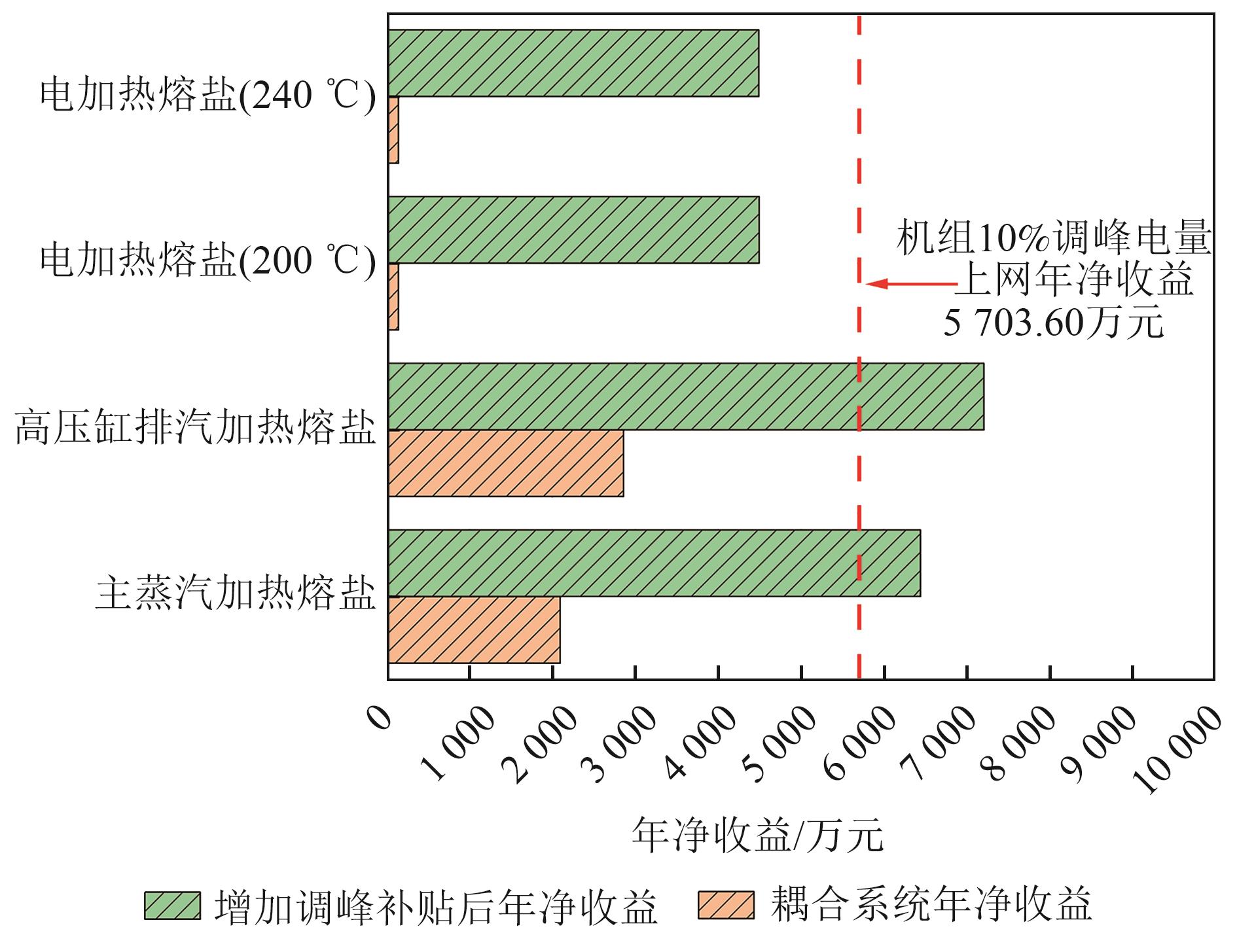
Fig. 5 Comparison of economic performance among different schemes
| [1] | 国家能源局 .可再生能源装机实现两大突破[EB/OL].(2024-10-30)[2025-04-15].. doi:10.1097/00152193-200512000-00027 |
| National Energy Administration .Renewable energy installed capacity achieved two major breakthroughs[EB/OL].(2024-10-30)[2025-04-15].. doi:10.1097/00152193-200512000-00027 | |
| [2] | 张思海,李超然,万广亮,等 .330 MW循环流化床锅炉深度调峰技术[J].发电技术,2024,45(2):199-206. |
| ZHANG S H, LI C R, WAN G L,et al .Deep peak shaving technology for 330 MW circulating fluidized bed boiler[J].Power Generation Technology,2024,45(2):199-206. | |
| [3] | 李军徽,安晨宇,李翠萍,等 .计及调峰市场交易的储能-新能源-火电多目标优化调度[J].电工技术学报,2023,38(23):6391-6406. |
| LI J H, AN C Y, LI C P,et al .Multi-objective optimization scheduling method considering peak regulating market transactions for energy storage-new energy-thermal power[J].Transactions of China Electrotechnical Society,2023,38(23):6391-6406. | |
| [4] | 胡迎迎,李强,张琳娜,等 .基于模糊层次分析法- TOPSIS的多元化储能典型场景适用性评估[J].电测与仪表,2024,61(6):126-132. doi:10.1016/s0306-9877(03)00144-0 |
| HU Y Y, LI Q, ZHANG L N,et al .Applicability evaluation of diversified energy storage typical scenarios based on fuzzy analytic hierarchy process-TOPSIS[J].Electrical Measurement & Instrumentation,2024,61(6):126-132. doi:10.1016/s0306-9877(03)00144-0 | |
| [5] | 陈灵,黄兴华,张功林,等 .考虑削峰填谷的分布式电源集群协同控制方法[J].智慧电力,2023,51(4):8-15. doi:10.3969/j.issn.1673-7598.2023.04.002 |
| CHEN L, HUANG X H, ZHANG G L,et al .Distributed generations clusters collaborative control method considering peak load shifting[J].Smart Power,2023,51(4):8-15. doi:10.3969/j.issn.1673-7598.2023.04.002 | |
| [6] | 王海洋,荣健 .碳达峰、碳中和目标下中国核能发展路径分析[J].中国电力,2021,54(6):86-94. |
| WANG H Y, RONG J .Analysis on China’s nuclear energy development path under the goal of peaking carbon emissions and achieving carbon neutrality[J].Electric Power,2021,54(6):86-94. | |
| [7] | 吴祖胜,彭翠玲 .核电厂风冷冷水机组框架结构的力学分析与评定[J].发电技术,2018,39(5):483-486. |
| WU Z S, PENG C L .Mechanical analysis and evaluation of fram structure of air-cooled chiller unit for nuclear power plant[J].Power Generation Technology,2018,39(5):483-486. | |
| [8] | 王文兴 .热电联产核电机组与熔盐储热集成的性能评估和优化调度[D].济南:山东大学,2024. |
| WANG W X .Performance evaluation and optimal scheduling of combined heat and power nuclear power units integrated with molten salt thermal storage[D].Jinan:Shandong University,2024. | |
| [9] | 段立强,王婧,庞力平,等 .二次再热机组高效灵活发电创新理论与方法[J].中国电力,2019,52(5):1-12. |
| DUAN L Q, WANG J, PANG L P,et al .Innovative theory and methods for high-efficiency and flexible power generation of ultra-supercritical double-reheat coal-fired power generation unit[J].Electric Power,2019,52(5):1-12. | |
| [10] | 张宇恒,宋晓辉,杨荣贵,等 .基于再热蒸汽抽汽-熔盐储热的火电系统分析[J].动力工程学报,2024,44(3):447-454. |
| ZHANG Y H, SONG X H, YANG R G,et al .Analysis of thermal power system based on reheat steam extraction and molten salt heat storage[J].Journal of Chinese Society of Power Engineering,2024,44(3):447-454. | |
| [11] | 李峻,祝培旺,王辉,等 .基于高温熔盐储热的火电机组灵活性改造技术及其应用前景分析[J].南方能源建设,2021,8(3):63-70. |
| LI J, ZHU P W, WANG H,et al .Flexible modification technology and application prospect of thermal power unit based on high temperature molten salt heat storage[J].Southern Energy Construction,2021,8(3):63-70. | |
| [12] | 庞力平,张世刚,段立强 .高温熔盐储能提高二次再热机组灵活性研究[J].中国电机工程学报,2021,41(8):2682-2691. doi:10.13334/j.0258-8013.pcsee.200771 |
| PANG L P, ZHANG S G, DUAN L Q .Flexibility improvement study on the double reheat power generation unit with a high temperature molten salt thermal energy storage[J].Proceedings of the CSEE,2021,41(8):2682-2691. doi:10.13334/j.0258-8013.pcsee.200771 | |
| [13] | 彭家辉,倪永中,王元良,等 .基于熔盐储热的燃煤机组调峰可行性分析[J].热力发电,2024,53(1):99-106. |
| PENG J H, NI Y Z, WANG Y L,et al .Feasibility analysis of peak shaving for coal-fired units based on molten salt heat storage[J].Thermal Power Generation,2024,53(1):99-106. | |
| [14] | 邹小刚,刘明,肖海丰,等 .火电机组耦合熔盐储热深度调峰系统设计及性能分析[J].热力发电,2023,52(2):146-153. |
| ZOU X G, LIU M, XIAO H F,et al .Design and performance analysis of deep peak shaving system of thermal power units coupled with molten salt heat storage[J].Thermal Power Generation,2023,52(2):146-153. | |
| [15] | 张显荣,徐玉杰,杨立军,等 .多类型火电-储热耦合系统性能分析与比较[J].储能科学与技术,2021,10(5):1565-1578. |
| ZHANG X R, XU Y J, YANG L J,et al .Performance analysis and comparison of multi-type thermal power-thermal storage coupling system[J].Energy Storage Science and Technology,2021,10(5):1565-1578. | |
| [16] | 刘金恺,鹿院卫,魏海姣,等 .熔盐储热辅助燃煤机组调峰系统设计及性能对比[J].热力发电,2023,52(2):111-118. |
| LIU J K, LU Y W, WEI H J,et al .Design and performance comparison of peak shaving system of coal-fired unit aided by molten salt heat storage[J].Thermal Power Generation,2023,52(2):111-118. | |
| [17] | 任景,程松,高敏,等 .集成熔盐储热燃煤发电系统的灵活性与能耗特性分析[J].热能动力工程,2024,39(2):145-153. |
| REN J, CHENG S, GAO M,et al .Analysis of flexibility and energy consumption characteristics of coal-fired power system integrated with molten salt thermal storage[J].Journal of Engineering for Thermal Energy and Power,2024,39(2):145-153. | |
| [18] | 苗林,刘明,张可臻,等 .集成电制热熔盐储热的燃煤发电系统热力性能研究[J].工程热物理学报,2023,44(11):2999-3007. |
| MIAO L, LIU M, ZHANG K Z,et al .Thermodynamic analysis on the coal-fired power plant integrated with power-to-heat molten salt thermal energy storage system[J].Journal of Engineering Thermophysics,2023,44(11):2999-3007. | |
| [19] | 王辉,李峻,祝培旺,等 .应用于火电机组深度调峰的百兆瓦级熔盐储能技术[J].储能科学与技术,2021,10(5):1760-1767. |
| WANG H, LI J, ZHU P W,et al .100 MW molten salt energy storage technology applied to deep peak shaving of thermal power units[J].Energy Storage Science and Technology,2021,10(5):1760-1767. | |
| [20] | CHEN Z D, HOU Y C, LIU M Y,et al .Thermodynamic and economic analyses of sewage sludge resource utilization systems integrating drying,incineration,and power generation processes[J].Applied Energy,2022,327:120093. doi:10.1016/j.apenergy.2022.120093 |
| [21] | XU C, LI X S, XIN T T,et al .A thermodynamic analysis and economic assessment of a modified de-carbonization coal-fired power plant incorporating a supercritical CO2 power cycle and an absorption heat transformer[J].Energy,2019,179:30-45. doi:10.1016/j.energy.2019.05.017 |
| [22] | WANG G, DONG B Y, CHEN Z S .Design and behaviour estimate of a novel concentrated solar-driven power and desalination system using S-CO2 Brayton cycle and MSF technology[J].Renewable Energy,2021,176:555-564. doi:10.1016/j.renene.2021.05.091 |
| [23] | CHEN H, WU Y Y, XU S,et al .Thermodynamic and economic evaluation of a novel heat supply design using low-pressure feedwater in a cogeneration plant[J].Applied Thermal Engineering,2020,166:114672. doi:10.1016/j.applthermaleng.2019.114672 |
| [24] | CHEN H, YAO X H, LI J,et al .Thermodynamic analysis of a novel combined heat and power system incorporating a CO2 heat pump cycle for enhancing flexibility[J].Applied Thermal Engineering,2019,161:114160. doi:10.1016/j.applthermaleng.2019.114160 |
| [25] | LI S, JIN H G, GAO L,et al .Techno-economic performance and cost reduction potential for the substitute/synthetic natural gas and power cogeneration plant with CO2 capture[J].Energy Conversion and Management,2014,85:875-887. doi:10.1016/j.enconman.2013.12.071 |
| Viewed | ||||||
|
Full text |
|
|||||
|
Abstract |
|
|||||
