

Power Generation Technology ›› 2025, Vol. 46 ›› Issue (6): 1074-1084.DOI: 10.12096/j.2096-4528.pgt.24208
• Distributed Energy • Previous Articles
Zongbo ZHAN1, Jiping REN1, Liping DING1, Zhaolong SUN1, Heng DING2, Yue CAO2
Received:2024-09-14
Revised:2024-12-26
Published:2025-12-31
Online:2025-12-25
Contact:
Yue CAO
Supported by:CLC Number:
Zongbo ZHAN, Jiping REN, Liping DING, Zhaolong SUN, Heng DING, Yue CAO. Research on Modeling and Rapid Load Change Control Strategy for High Back- Pressure Extraction-Condensing Combined Heat and Power System[J]. Power Generation Technology, 2025, 46(6): 1074-1084.
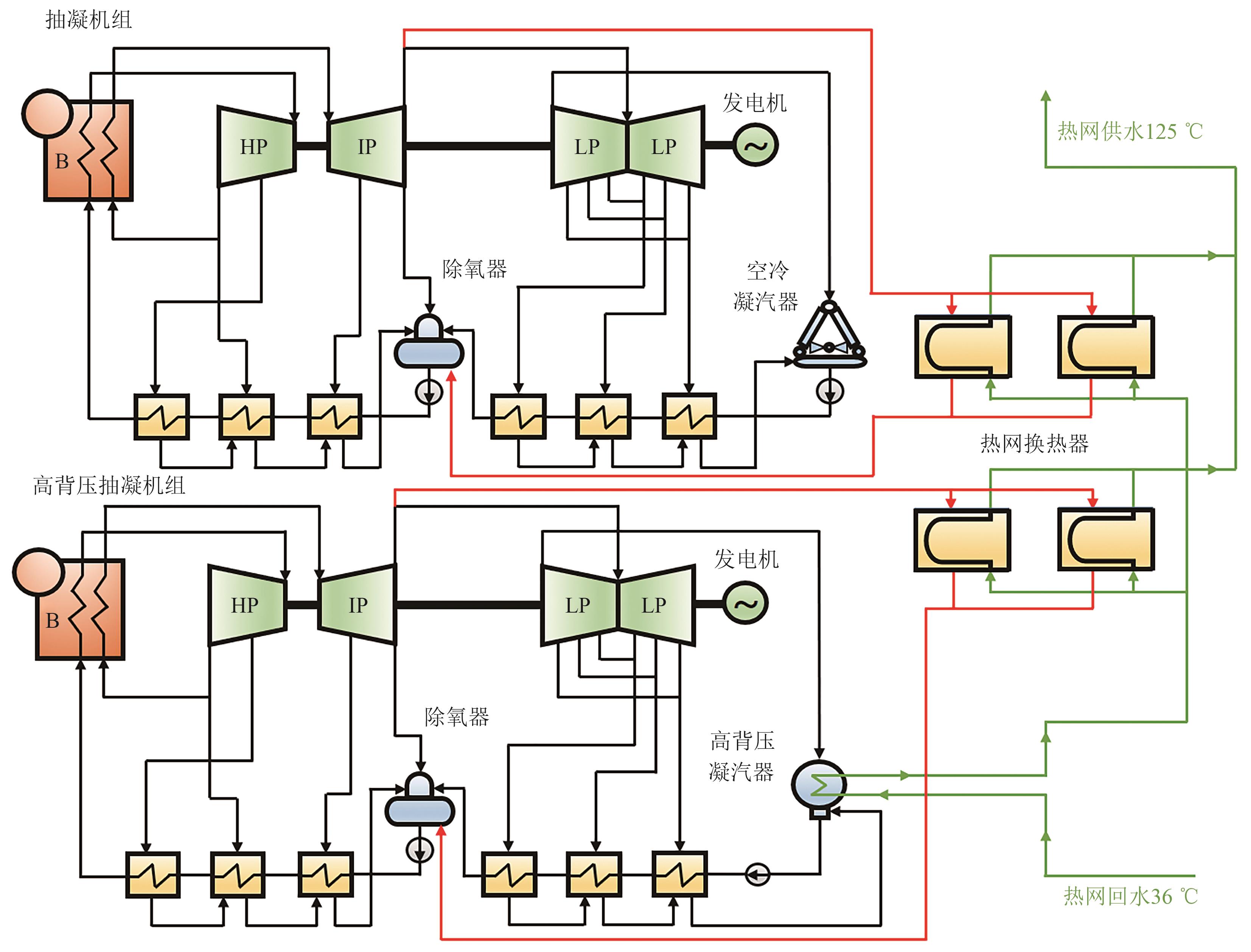
Fig. 1 Diagram of high back-pressure extraction-condensing combined heat and power system
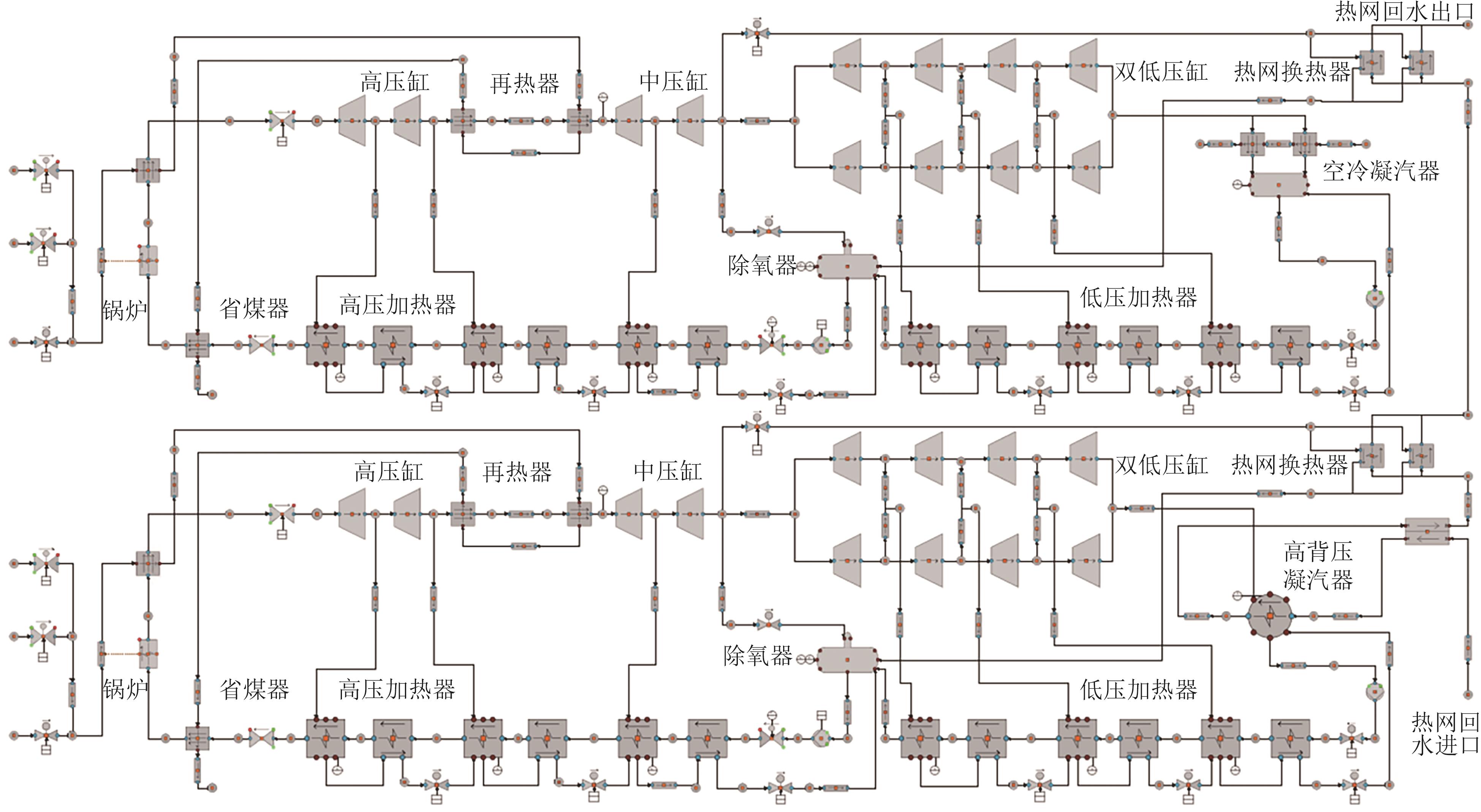
Fig. 2 Overall model of high back-pressure extraction-condensing combined heat and power system
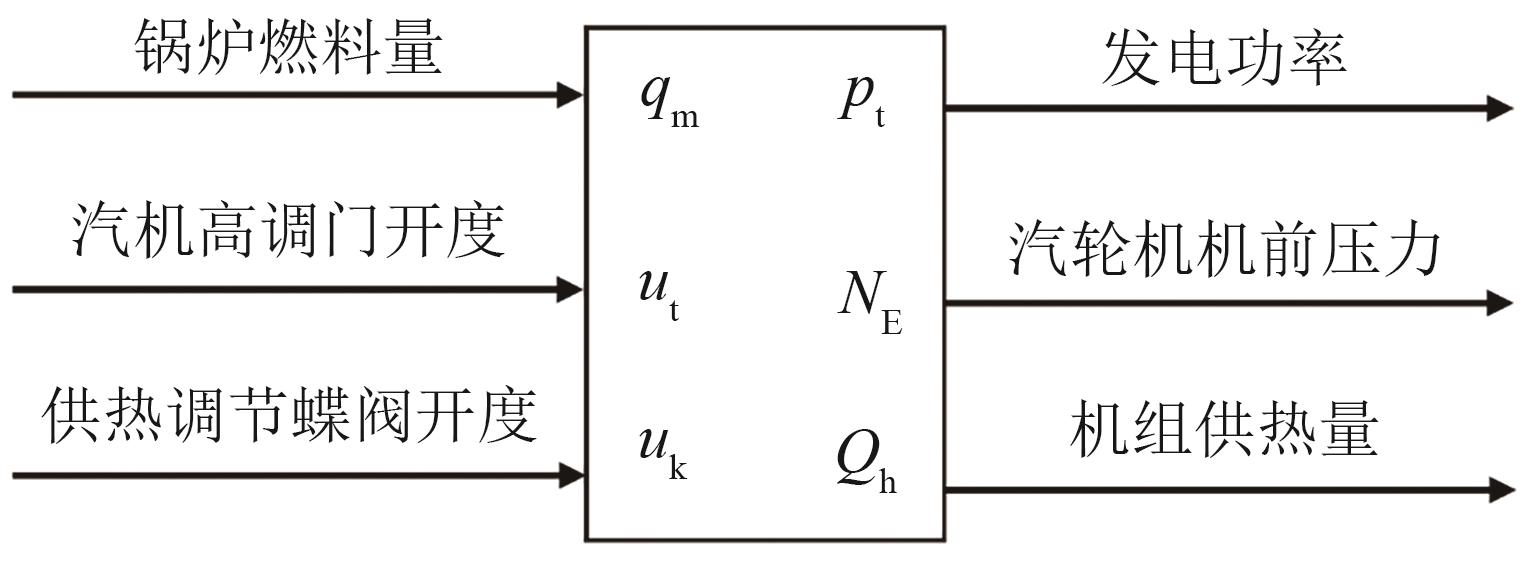
Fig. 3 Input and output variables of heating unit
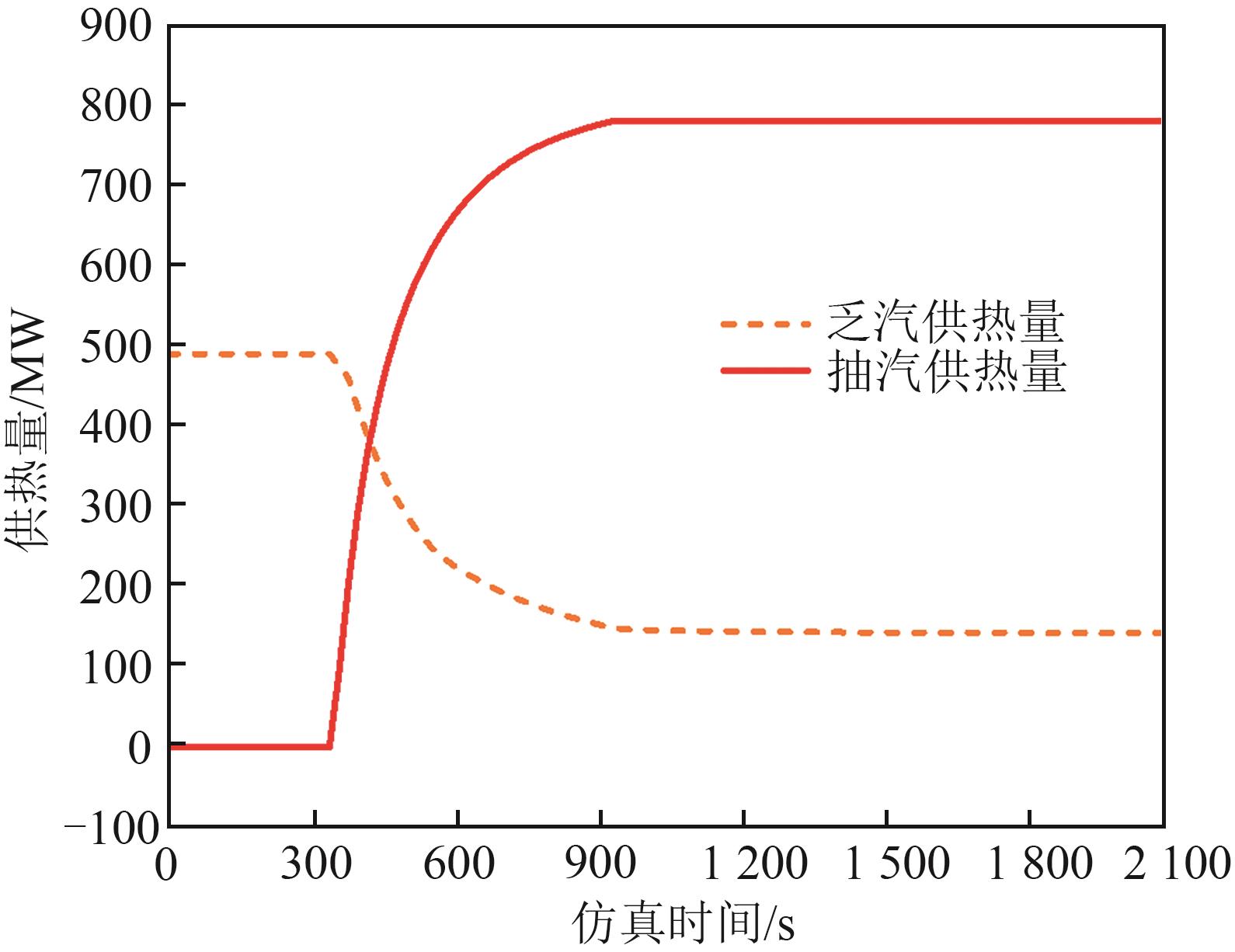
Fig. 4 Time variation curves of related parameters during EV adjustment under THA condition in high back-pressure unit

Fig. 5 Time variation curves of mechanical power output of turbine cylinders during EV regulation under THA condition
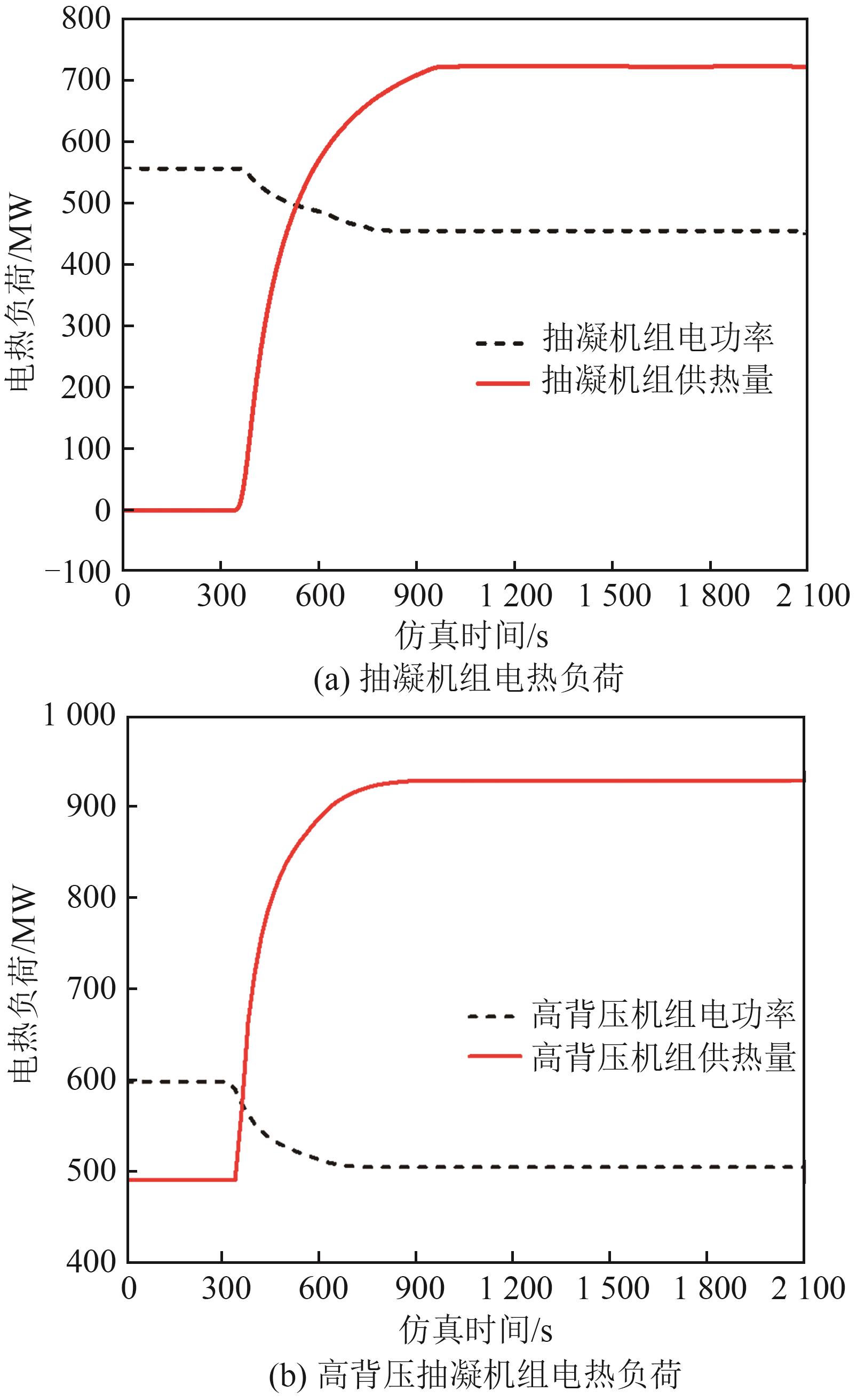
Fig. 6 Time variation curves of electric power and heat supply during EV regulation in extraction-condensing unit
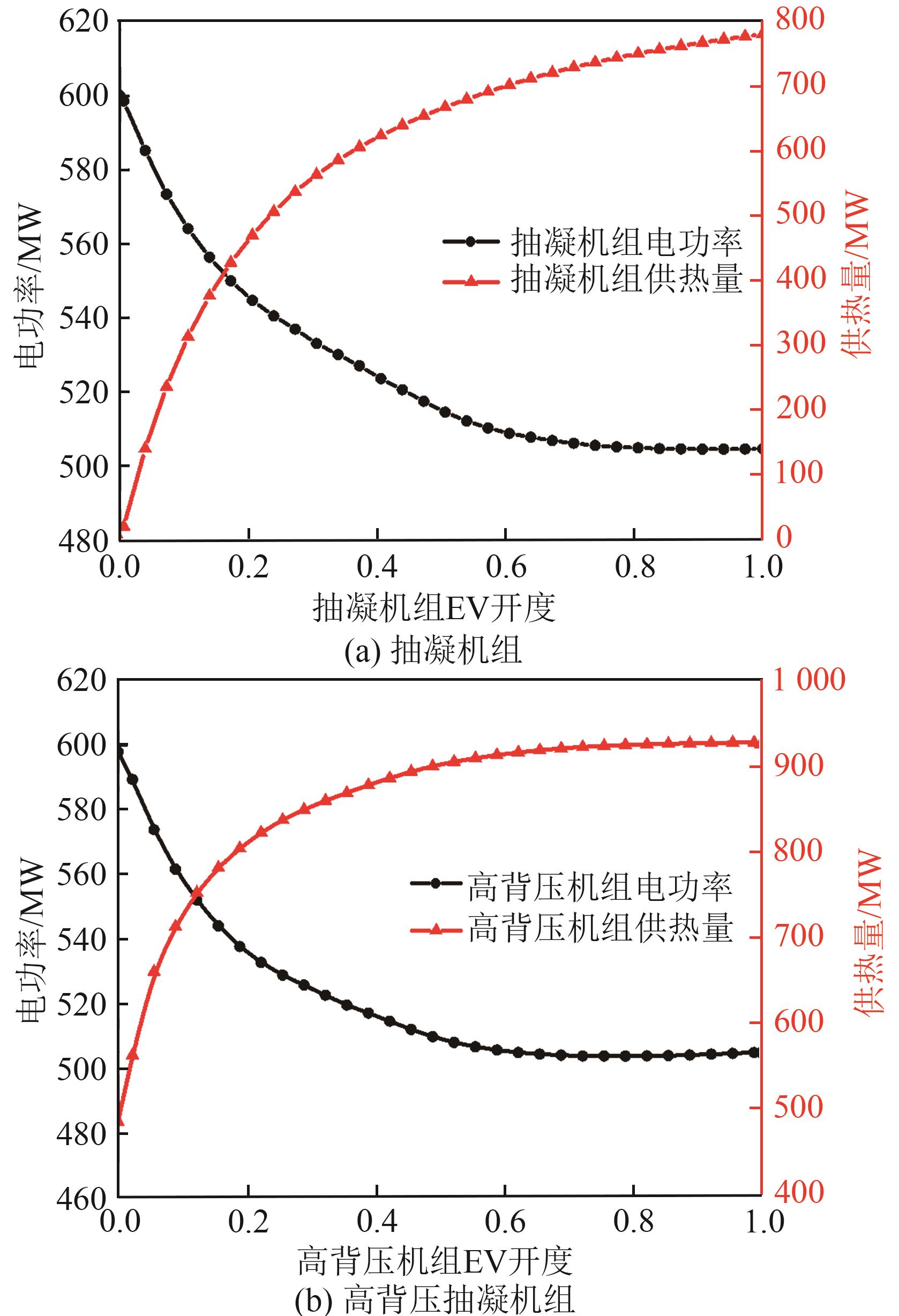
Fig. 7 Relationship between electrical and thermal loads and EV opening under THA condition
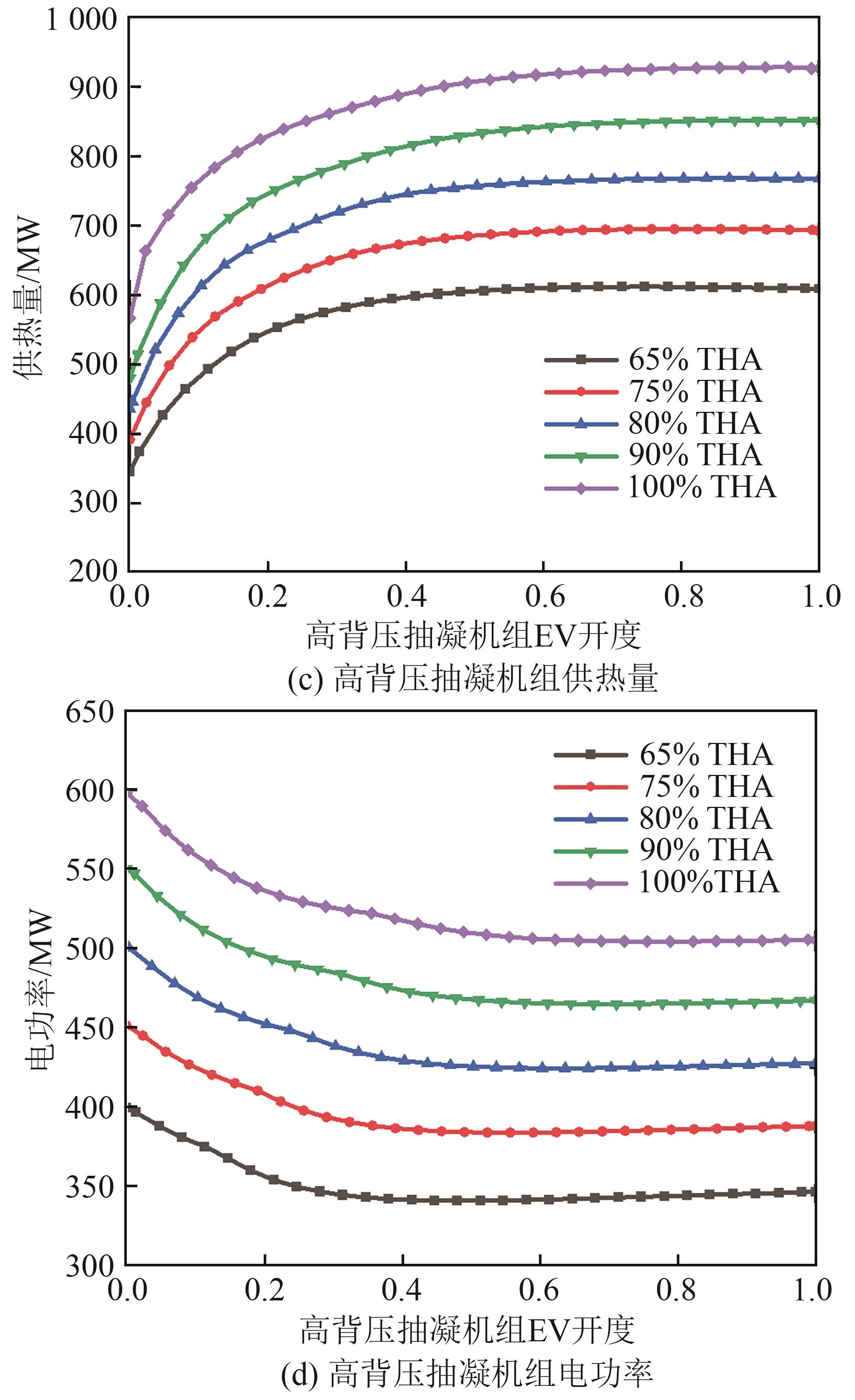
Fig. 8 Relationship between variations of relevant parameters and EV opening under different operating conditions
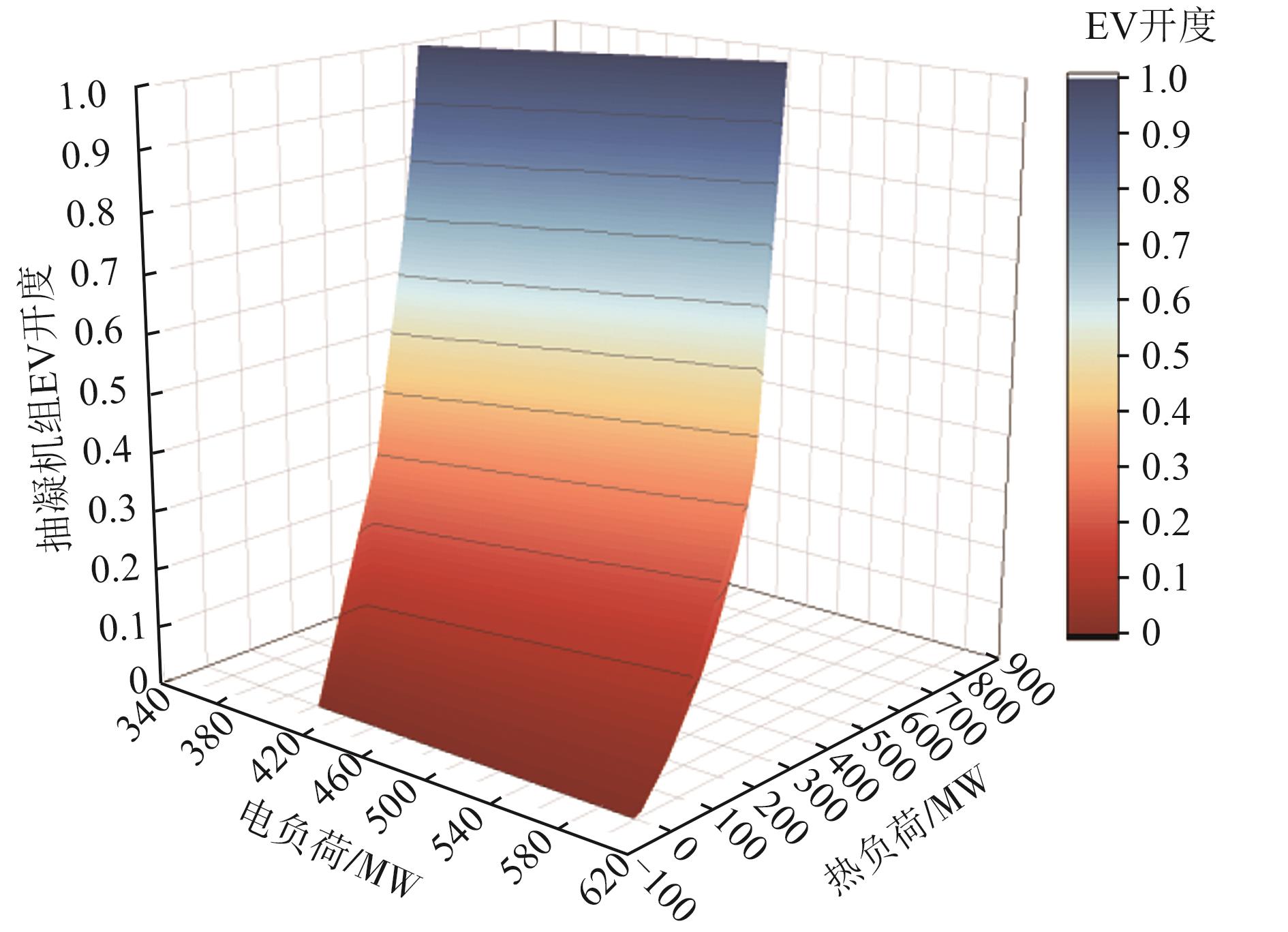
Fig. 9 Fitting surface of relationship between electrical and thermal loads and EV opening in extraction-condensing unit
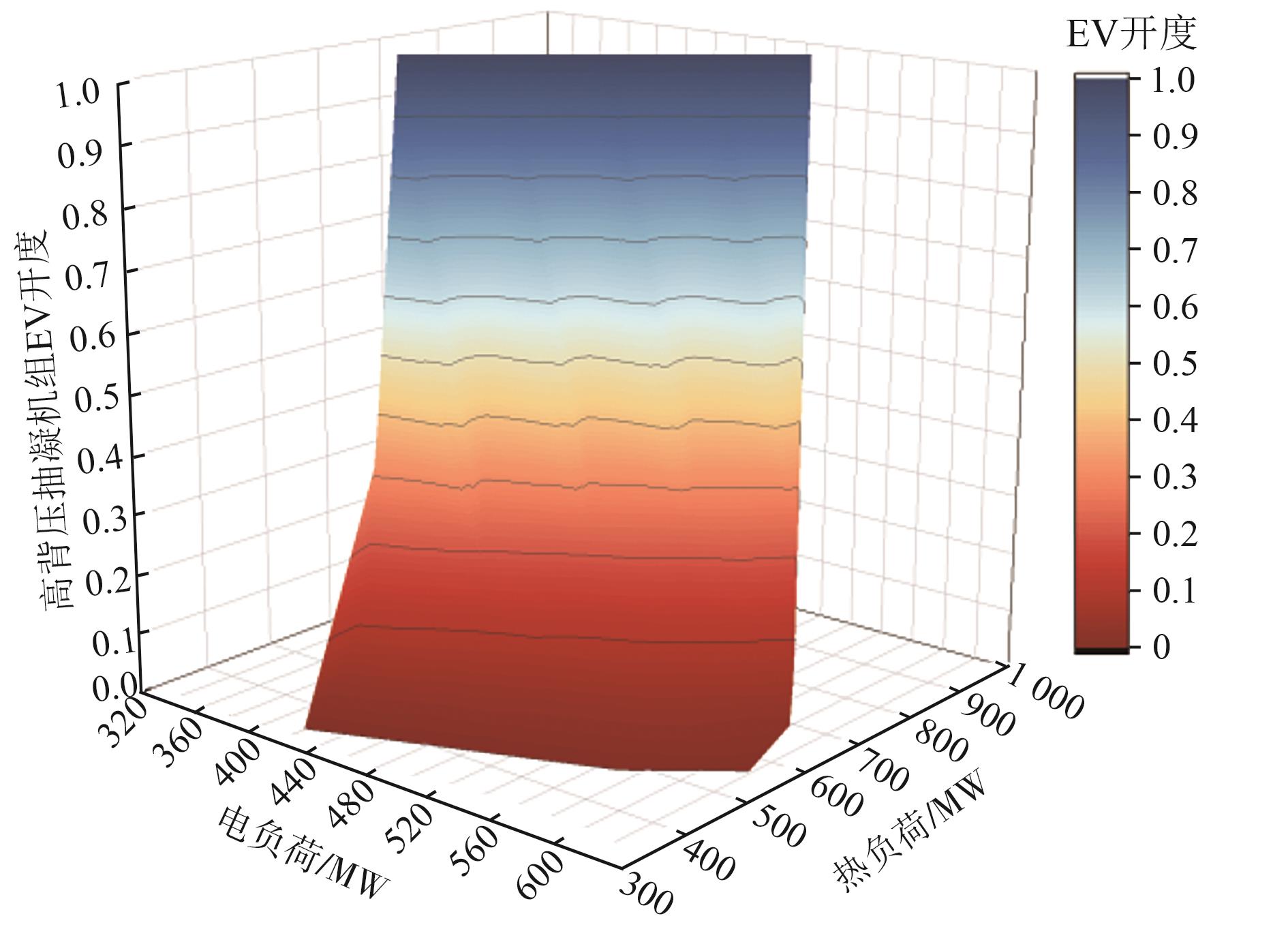
Fig. 10 Fitting surface of relationship between electrical and thermal loads and EV opening in high back-pressure unit
| 系数 | 高背压抽凝机组拟合值(j=1) | 抽凝机组拟合值(j=2) |
|---|---|---|
| z0 | -1.619 | 1.233 |
| a | 8.085×10⁻³ | -1.691×10⁻² |
| b | 5.523×10⁻³ | 6.417×10⁻³ |
| c | -1.157×10⁻⁵ | 7.915×10⁻⁵ |
| d | -2.876×10⁻⁵ | -7.074×10⁻⁵ |
| e | 7.816×10⁻⁶ | 1.942×10⁻⁵ |
| f | 3.877×10⁻⁹ | -1.338×10⁻⁷ |
| g | 3.911×10⁻⁸ | 2.008×10⁻⁷ |
| h | -2.269×10⁻⁸ | -1.095×10⁻⁷ |
| i | 5.054×10⁻⁹ | 1.952×10⁻⁸ |
Tab. 1 Fitting coefficients of heat consumption characteristic surfaces of each unit
| 系数 | 高背压抽凝机组拟合值(j=1) | 抽凝机组拟合值(j=2) |
|---|---|---|
| z0 | -1.619 | 1.233 |
| a | 8.085×10⁻³ | -1.691×10⁻² |
| b | 5.523×10⁻³ | 6.417×10⁻³ |
| c | -1.157×10⁻⁵ | 7.915×10⁻⁵ |
| d | -2.876×10⁻⁵ | -7.074×10⁻⁵ |
| e | 7.816×10⁻⁶ | 1.942×10⁻⁵ |
| f | 3.877×10⁻⁹ | -1.338×10⁻⁷ |
| g | 3.911×10⁻⁸ | 2.008×10⁻⁷ |
| h | -2.269×10⁻⁸ | -1.095×10⁻⁷ |
| i | 5.054×10⁻⁹ | 1.952×10⁻⁸ |
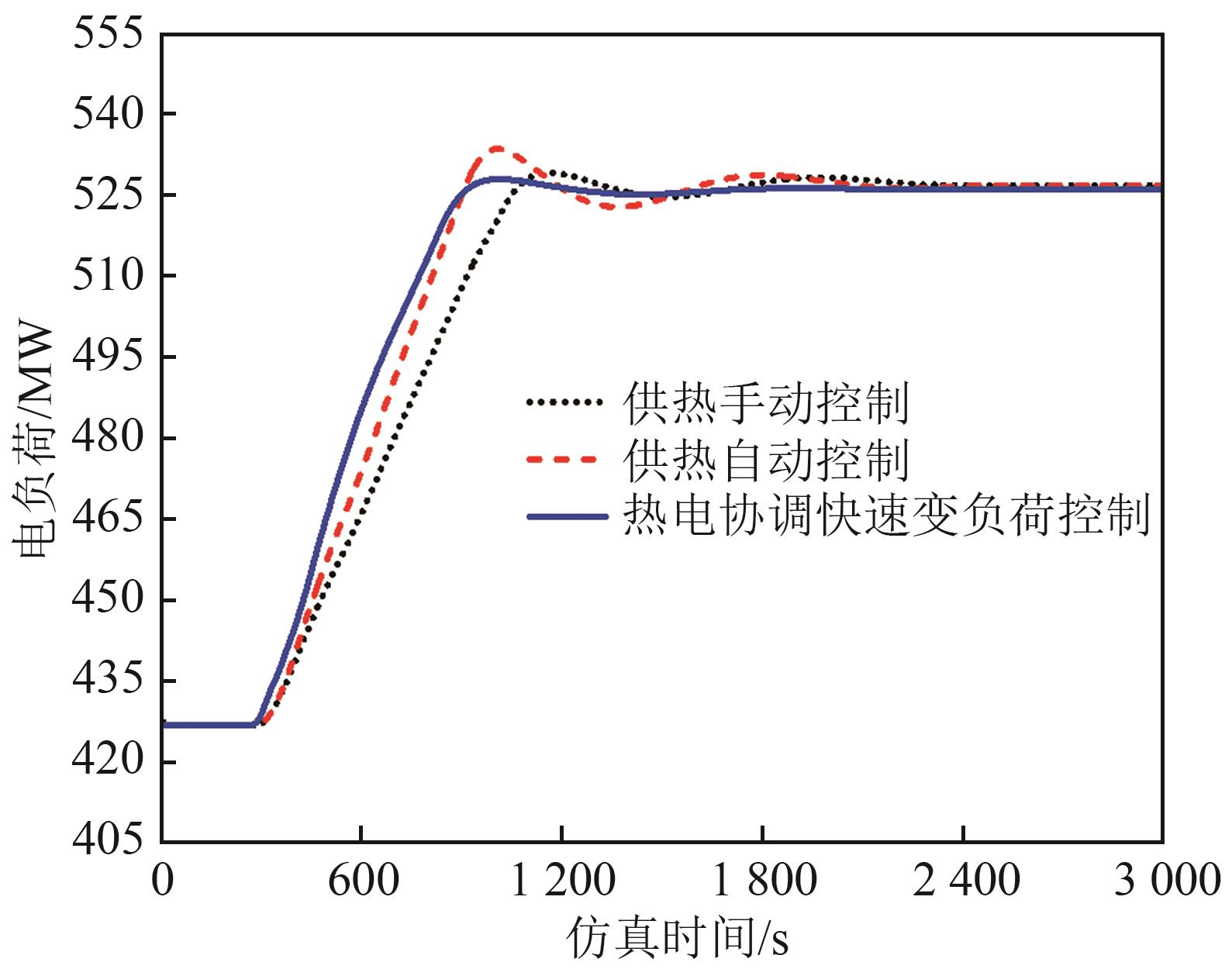
Fig. 11 Comparison of electrical load response curves under three control strategies
| [1] | 刘洪波,刘珅诚,盖雪扬,等 .高比例新能源接入的主动配电网规划综述[J].发电技术,2024,45(1):151-161. doi:10.12096/j.2096-4528.pgt.22106 |
| LIU H B, LIU S C, GAI X Y,et al .Overview of active distribution network planning with high proportion of new energy access[J].Power Generation Technology,2024,45(1):151-161. doi:10.12096/j.2096-4528.pgt.22106 | |
| [2] | 李令宇,程浩忠,张衡,等 .含高比例新能源电力系统的低碳电源规划方法[J].电测与仪表,2025,62(7):30-37. |
| LI L Y, CHENG H Z, ZHANG H,et al .Low-carbon power planning method for power system with high proportion of renewable energy[J].Electrical Measurement & Instrumentation,2025,62(7):30-37. | |
| [3] | 于晓军,刘志远,王洪炳,等 .考虑新能源并网影响的零序过电压解列策略[J].电测与仪表,2024,61(6):111-117. |
| YU X J, LIU Z Y, WANG H B,et al .Zero-sequence overvoltage splitting strategy considering the impact of new energy grid connection[J].Electrical Measurement & Instrumentation,2024,61(6):111-117. | |
| [4] | 杨金洲,李业成,熊鸿韬,等 .新能源接入的受端电网暂态电压失稳高风险故障快速筛选[J].电工技术学报,2024,39(21):6746-6758. |
| YANG J Z, LI Y C, XONG H T,et al .A fast screening method for the high-risk faults with transient voltage instability in receiving-end power grids interconnected with new energy[J].Transactions of China Electrotechnical Society,2024,39(21):6746-6758. | |
| [5] | 马燕峰,程有深,赵书强,等 .双馈风电场并网引起火电机组多模态次同步谐振机理分析[J].电工技术学报,2025,40(5):1395-1410. |
| MA Y F, CHENG Y S, ZHAO S Q,et al .Mechanism analysis of multi-mode ssr of thermal power unit caused by doubly fed wind farm integration[J].Transactions of China Electrotechnical Society,2025,40(5):1395-1410. | |
| [6] | 周一凡,胡伟,闵勇,等 .热电联产参与电网调峰补偿定价与利益分配方法[J].中国电机工程学报,2019,39(18):5325-5335. |
| ZHOU Y F, HU W, MIN Y,et al .Peak regulation compensation price decision for combined heat and power unit and profit allocation method[J].Proceedings of the CSEE,2019,39(18):5325-5335. | |
| [7] | 周昊,陈振寰,张佳凯,等 .富氧/水-氧条件下准东煤熔融特性研究[J].发电技术,2019,40(3):208-212. |
| ZHOU H, CHEN Z H, ZHANG J K,et al .Study on melting characteristics of zhundong coal under Oxygen-rich/H2O-O2 Conditions[J].Power Generation Technology,2019,40(3):208-212. | |
| [8] | 陈晓利,高继录,郑飞,等 .多种深度调峰模式对火电机组性能影响分析[J].热能动力工程,2020,35(12):26-30. |
| CHEN X L, GAO J L, ZHENG F,et al .Comparative analysis of various deep peak regulation modes for thermal power units[J].Journal of Engineering for Thermal Energy and Power,2020,35(12):26-30. | |
| [9] | 中国可再生能源学会风能专业委员会 .2023年中国风电吊装容量统计简报[J].风能,2024(5):52-67. |
| Wind Energy Professional Committee of China Renewable Energy Society .Statistical briefing on hoisting capacity of chinoiserie power in 2022[J].Wind Energy,2024(5):52-67. | |
| [10] | ZHAI L M, CHEN Y S, LI Z W,et al .Study on the adaptability of extracting steam and heat return pipe system of heating unit[J].Energy and Environment Research,2021,11(2):65-71. doi:10.5539/eer.v11n2p71 |
| [11] | 马良玉,成蕾,彭钢,等 .基于神经网络预测模型和凝结水节流的超超临界机组协调系统智能优化控制[J].动力工程学报,2017,37(8):640-648. |
| MA L Y, CHENG L, PENG G,et al .Intelligent control optimization for the coordinated system of an ultra-supercritical power unit based on neural network prediction models and condensate throttling[J].Journal of Chinese Society of Power Engineering,2017,37(8):640-648. | |
| [12] | 邓拓宇 .供热机组储能特性分析与快速变负荷控制[D].北京:华北电力大学,2016. |
| DENG T Y .Analysis of energy storage characteristics of heating unit and rapid load change control[D].Beijing:North China Electric Power University,2016. | |
| [13] | MA L, GE Z, ZHANG F,et al .A novel super high back pressure cascade heating scheme with multiple large-scale turbine units[J].Energy,2020,201:117469. doi:10.1016/j.energy.2020.117469 |
| [14] | HEDEGAARD K, MÜNSTER M .Influence of individual heat pumps on wind power integration-Energy system investments and operation[J].Energy Conversion and Management,2013,75:673-684. doi:10.1016/j.enconman.2013.08.015 |
| [15] | 张云鹏,金晶,高新勇,等 .配置蓄热装置对热电机组运行经济性的影响分析[J].热能动力工程,2022,37(8):143-149. |
| ZHANG Y P, JIN J, GAO X Y,et al .Analysis of the influence of heat storage device on the operation economy of thermal power unit[J].Journal of Engineering for Thermal Energy and Power,2022,37(8):143-149. | |
| [16] | ZHAO Y, WANG C, LIU M,et al .Improving operational flexibility by regulating extraction steam of high-pressure heaters on a 660 MW supercritical coal-fired power plant:a dynamic simulation[J].Applied Energy,2018,212:1295-1309. doi:10.1016/j.apenergy.2018.01.017 |
| [17] | 胡勇 .基于汽轮机蓄能特性的大型火电机组快速变负荷控制研究[D].北京:华北电力大学,2015. |
| HU Y .Research on fast load changing control of large thermal power units based on energy storage characteristics of steam turbine[D].Beijing:North China Electric Power University,2015. | |
| [18] | 卫丹靖 .供热机组建模及快速变负荷控制[D].北京:华北电力大学,2017. doi:10.17775/cseejpes.2017.0012 |
| WEI D J .Modeling of heating unit and rapid variable load control[D].Beijing:North China Electric Power University,2017. doi:10.17775/cseejpes.2017.0012 | |
| [19] | 刘鑫屏,田亮,王琪,等 .供热机组发电负荷-机前压力-抽汽压力简化非线性动态模型[J].动力工程学报,2014,34(2):115-121. |
| LIU X P, TIAN L, WANG Q,et al .Simplified nonlinear dynamic model of generating load-throttle pressure-extraction pressure for heating units[J].Journal of Chinese Society of Power Engineering,2014,34(2):115-121. | |
| [20] | 邓拓宇,田亮,刘吉臻 .供热机组负荷指令多尺度前馈协调控制方案[J].热力发电,2016,45(3):48-53. |
| DENG T Y, TIAN L, LIU J Z .Multi-scale feedforward coordinated control scheme for load command of heat supply units[J].Thermal Power Generation,2016,45(3):48-53. | |
| [21] | 邓拓宇,田亮,刘吉臻 .利用热网储能提高供热机组调频调峰能力的控制方法[J].中国电机工程学报,2015,35(14):3626-3633. |
| DENG T Y, TIAN L, LIU J Z .A control method of heat supply units for improving frequency control and peak load regulation ability with thermal storage in heat supply net[J].Proceedings of the CSEE,2015,35(14):3626-3633. |
| [1] | Haoran MA, Zhi YUAN, Weiqing WANG, Ji LI. Research on Economic Scheduling of Active Distribution Networks With Inclusion of Data Center and Energy Storage [J]. Power Generation Technology, 2025, 46(4): 748-757. |
| [2] | Yong SUN, Zihang GAO, Zeyin HOU, Dexin LI, Yao WANG, Haifeng ZHANG, Shuai LU. Gas Network Aggregate Modeling and Identification Method for Integrated Energy System Operation [J]. Power Generation Technology, 2025, 46(2): 274-283. |
| [3] | Haibin YU, Yuchen ZHANG, Yangyang LIU, Zengjie LU, Jinde WENG. Optimal Dispatching Bidding Strategy of Multi-Agent Virtual Power Plant Participating in Electricity Market Under Carbon Trading Mechanism [J]. Power Generation Technology, 2023, 44(5): 634-644. |
| [4] | Zhichao LIU,Hongbin WANG,Hao SHA,Jinshu YANG,Shengxian CAO. Status and Prospect Analysis of Wind Power Utilization Technology in China [J]. Power Generation Technology, 2019, 40(4): 389-395. |
| [5] | Dongsheng YANG,Daohao WANG,Bowen ZHOU,Qiyu CHEn,Zhile YANG,Guoyi XU,Mingjian CUI. Key Technologies and Application Prospects of Ubiquitous Power Internet of Things [J]. Power Generation Technology, 2019, 40(2): 107-114. |
| [6] | Liangyu MA,Qianqian LI,Fan LI. Coordinated System Intelligent Optimization for an Ultra-Supercritical Power Unit Based on Improved Simplex Method and Condensate Throttling [J]. Power Generation Technology, 2018, 39(6): 512-519. |
| Viewed | ||||||
|
Full text |
|
|||||
|
Abstract |
|
|||||
