

Power Generation Technology ›› 2026, Vol. 47 ›› Issue (2): 336-344.DOI: 10.12096/j.2096-4528.pgt.260211
• New Power System • Previous Articles
Liye SONG1, Fanyu MENG1, Yulin CHEN2, Xinping SONG1
Received:2025-04-19
Revised:2025-06-18
Published:2026-04-30
Online:2026-04-21
Supported by:CLC Number:
Liye SONG, Fanyu MENG, Yulin CHEN, Xinping SONG. Multi-User Short-Term Load Prediction Method Based on Frequency-Domain Enhanced Transformer[J]. Power Generation Technology, 2026, 47(2): 336-344.
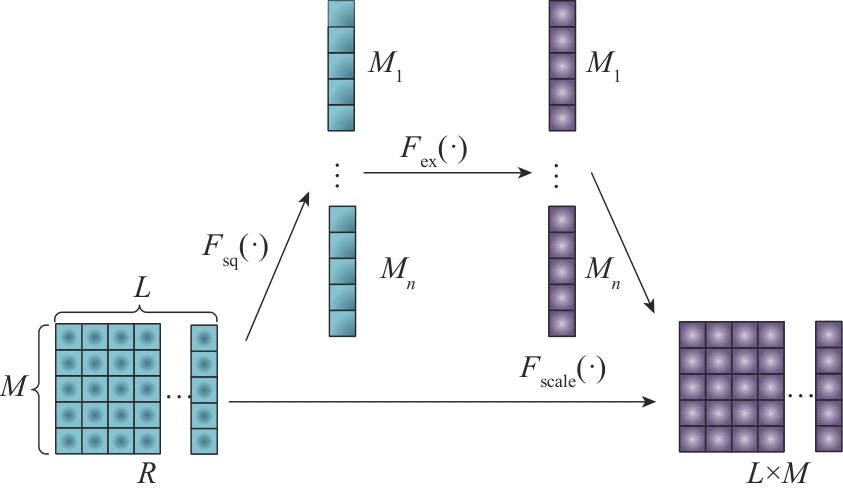
Fig. 1 SENet principle structure
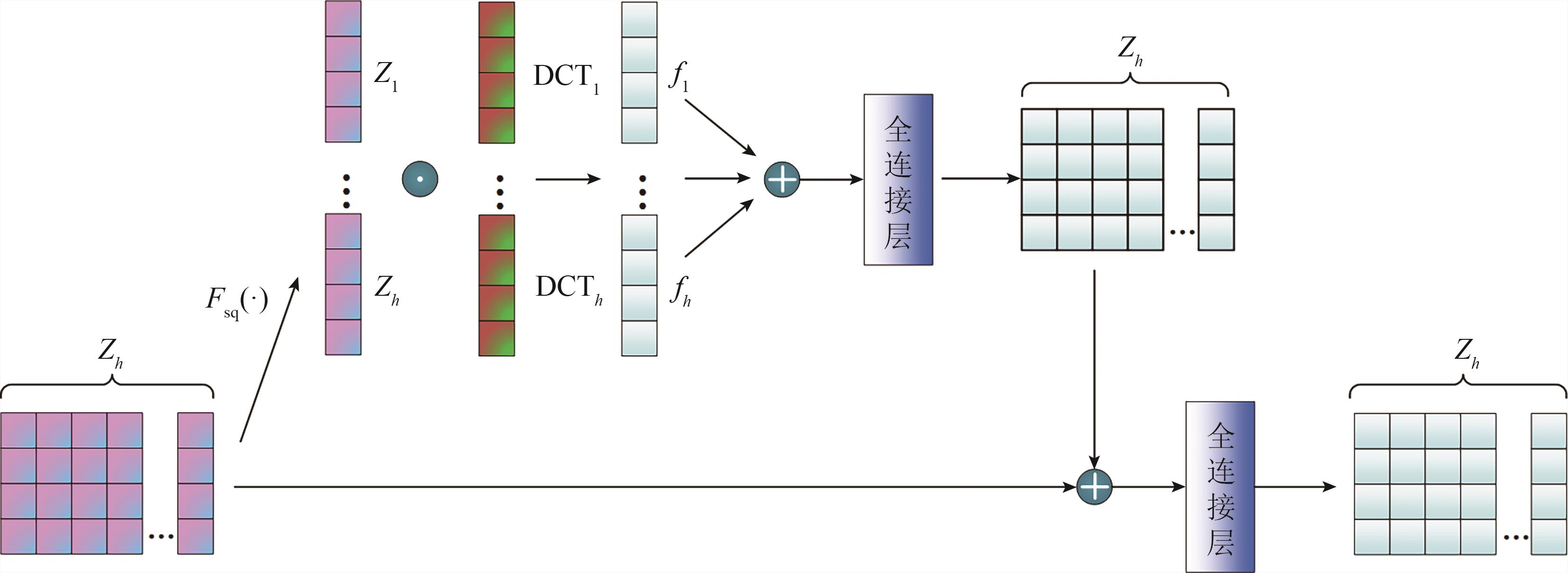
Fig. 2 Structure of frequency-domain enhanced channel attention mechanism
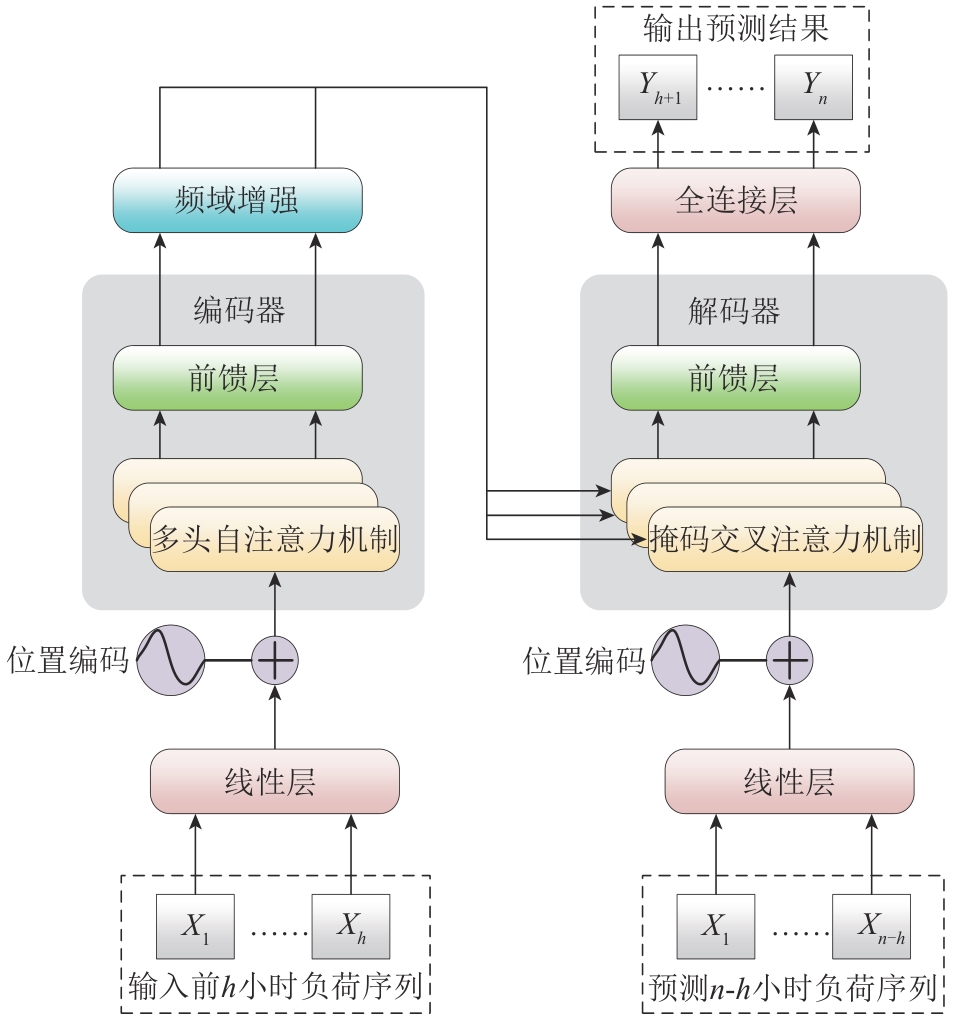
Fig. 3 Framework of load prediction model for Transformer-based multi-load time series with frequency-domain enhancement
| 模型 | MSE/MW2 | MAE/MW | ||
|---|---|---|---|---|
| 24 h | 96 h | 24 h | 96 h | |
| ARIMA | 0.363 | 0.395 | 0.399 | 0.407 |
| LSTM | 0.237 | 0.268 | 0.263 | 0.283 |
| MLP | 0.101 | 0.139 | 0.199 | 0.236 |
| PatchTST | 0.109 | 0.142 | 0.248 | 0.263 |
| Transformer | 0.116 | 0.149 | 0.256 | 0.289 |
| 本文方法 | 0.105 | 0.117 | 0.203 | 0.223 |
Tab.1 Performance comparison of different prediction models
| 模型 | MSE/MW2 | MAE/MW | ||
|---|---|---|---|---|
| 24 h | 96 h | 24 h | 96 h | |
| ARIMA | 0.363 | 0.395 | 0.399 | 0.407 |
| LSTM | 0.237 | 0.268 | 0.263 | 0.283 |
| MLP | 0.101 | 0.139 | 0.199 | 0.236 |
| PatchTST | 0.109 | 0.142 | 0.248 | 0.263 |
| Transformer | 0.116 | 0.149 | 0.256 | 0.289 |
| 本文方法 | 0.105 | 0.117 | 0.203 | 0.223 |
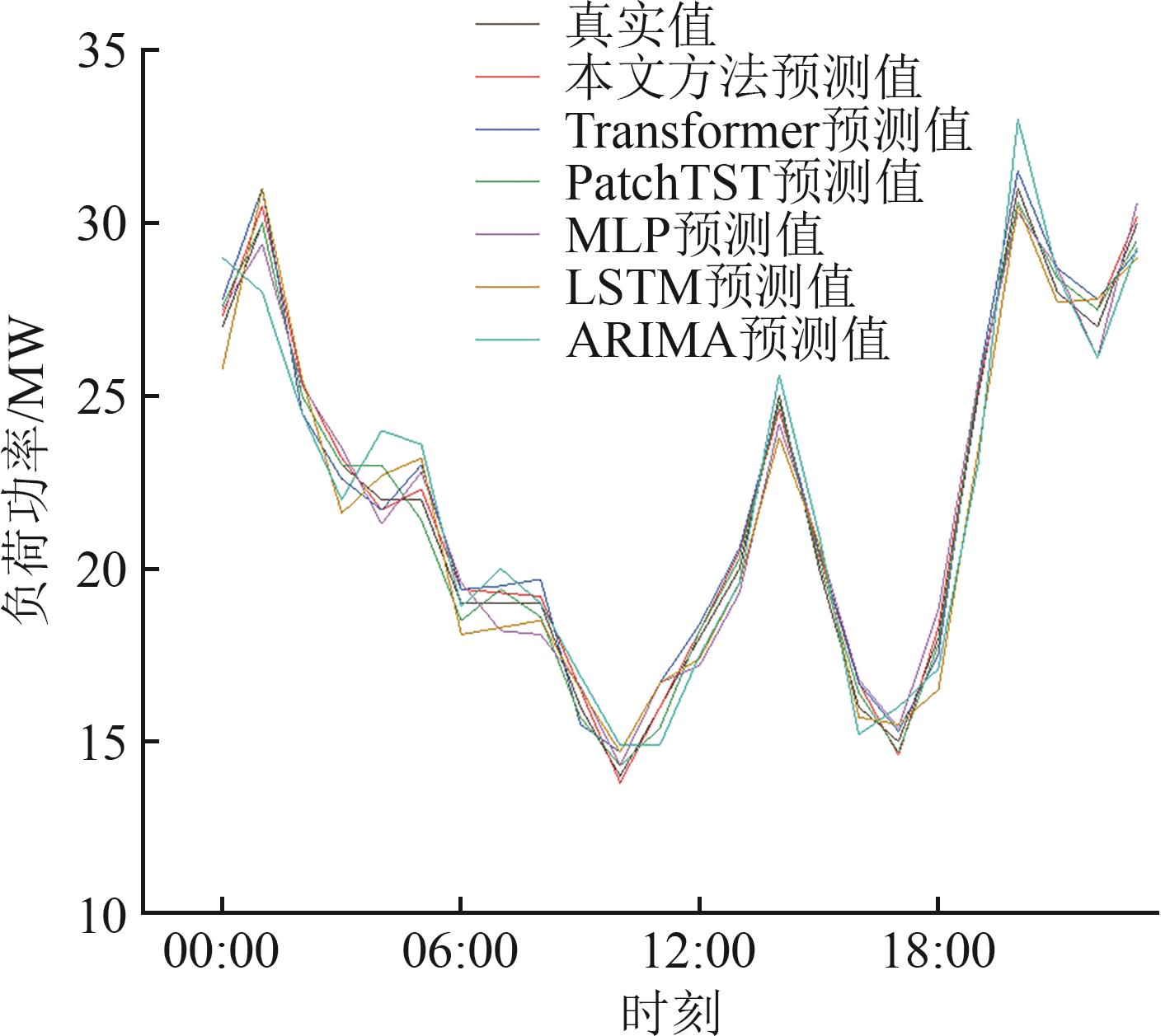
Fig. 4 Comparison of predicted results of different methods with actual load
| 预测模型 | MSE/MW2 | MAE/MW |
|---|---|---|
| LSTM | 0.109 | 0.207 |
| MLP | 0.113 | 0.225 |
| PatchTST | 0.095 | 0.190 |
| Transformer | 0.093 | 0.184 |
| 本文方法 | 0.085 | 0.171 |
Tab. 2 Performance comparison of different prediction models for multi-user data
| 预测模型 | MSE/MW2 | MAE/MW |
|---|---|---|
| LSTM | 0.109 | 0.207 |
| MLP | 0.113 | 0.225 |
| PatchTST | 0.095 | 0.190 |
| Transformer | 0.093 | 0.184 |
| 本文方法 | 0.085 | 0.171 |
| [1] | 程志友,余国晓,丁柏宏 .采用改进温湿度变量策略的夏季短期负荷预测方法[J].电力系统保护与控制,2020,48(1):48-54. doi:10.19783/j.cnki.pspc.190205 |
| CHENG Z Y, YU G X, DING B H .Summer short-term load forecasting method based on improved temperature and humidity variable strategy[J].Power System Protection and Control,2020,48(1):48-54. doi:10.19783/j.cnki.pspc.190205 | |
| [2] | 刘义艳,李国良,代杰 .基于VMD-TCN-BiLSTM-Attention的短期电力负荷预测[J].智慧电力,2025,53(10):87-94. |
| LIU Y Y, LI G L, DAI J .Short-term power load forecasting based on VMD-TCN-BiLSTM-attention[J].Smart Power,2025,53(10):87-94. | |
| [3] | 李科,潘庭龙,许德智 .基于MSCNN-BiGRU-Attention的短期电力负荷预测[J].中国电力,2025,58(6):10-18. doi:10.11930/j.issn.1004-9649.202406098 |
| LI K, PAN T L, XU D Z .Short-term power load forecasting based on MSCNN-BiGRU-attention[J].Electric Power,2025,58(6):10-18. doi:10.11930/j.issn.1004-9649.202406098 | |
| [4] | 冉启武,张宇航 .基于模态分解及GRU-XGBoost短期电力负荷预测[J].电网与清洁能源,2024,40(4):18-27. |
| RAN Q W, ZHANG Y H .Short-term power load forecasting based on modal decomposition and GRU-XGBoost[J].Power System and Clean Energy,2024,40(4):18-27. | |
| [5] | 申洪涛,李飞,史轮,等 .基于气象数据降维与混合深度学习的短期电力负荷预测[J].电力建设,2024,45(1):13-21. |
| SHEN H T, LI F, SHI L,et al .Short-term power load forecasting based on reduction of meteorological data dimensionality and hybrid deep learning[J].Electric Power Construction,2024,45(1):13-21. | |
| [6] | 刘璐瑶,陈志刚,沈欣炜,等 .基于EMD-MLP组合模型的用电负荷日前预测[J].南方能源建设,2024,11(1):143-156. doi:10.16516/j.ceec.2024.1.15 |
| LIU L Y, CHEN Z G, SHEN X W,et al .Day-ahead forecast of electrical load based on EMD-MLP combination model[J].Southern Energy Construction,2024,11(1):143-156. doi:10.16516/j.ceec.2024.1.15 | |
| [7] | 张明泽,栾文鹏,艾欣,等 .基于边缘计算的台区短期负荷预测方法[J].电测与仪表,2024,61(4):93-99. |
| ZHANG M Z, LUAN W P, AI X,et al .Short-term substation load forecasting method based on edge computing[J].Electrical Measurement & Instrumentation,2024,61(4):93-99. | |
| [8] | 许青,张龄之,梁琛,等 .基于联合时序场景和改进TCN的高比例新能源电网负荷预测[J].广东电力,2024,37(1):1-7. doi:10.3969/j.issn.1007-290X.2024.01.001 |
| XU Q, ZHANG L Z, LIANG C,et al .Short-term load forecasting for power system with high proportion new energy based on joint sequential scenario and improved TCN[J].Guangdong Electric Power,2024,37(1):1-7. doi:10.3969/j.issn.1007-290X.2024.01.001 | |
| [9] | 张远航,寇鹏,梅铭洋,等 .电压敏感型负荷参与频率响应的分层模型预测控制策略[J].电工技术学报,2026,41(1):127-141. |
| ZHANG Y H, KOU P, MEI M Y,et al .Control of voltage-dependent loads for grid frequency response based on hierarchical model predictive control[J].Transactions of China Electrotechnical Society,2026,41(1):127-141. | |
| [10] | 刘洪波,刘珅诚,盖雪扬,等 .高比例新能源接入的主动配电网规划综述[J].发电技术,2024,45(1):151-161. doi:10.12096/j.2096-4528.pgt.22106 |
| LIU H B, LIU S C, GAI X Y,et al .Overview of active distribution network planning with high proportion of new energy access[J].Power Generation Technology,2024,45(1):151-161. doi:10.12096/j.2096-4528.pgt.22106 | |
| [11] | 李永飞,张耀,林帆,等 .基于气候特征分析及改进XGBoost算法的中长期光伏电站发电量预测方法[J].电力系统保护与控制,2024,52(11):84-92. |
| LI Y F, ZHANG Y, LIN F,et al .Medium-and long-term power generation forecast based on climate characterisation and an improved XGBoost algorithm for photovoltaic power plants[J].Power System Protection and Control,2024,52(11):84-92. | |
| [12] | 范杏蕊,李元诚 .基于改进Autoformer模型的短期电力负荷预测[J].电力自动化设备,2024,44(4):171-177. doi:10.16081/j.epae.202305011 |
| FAN X R, LI Y C .Short-term power load forecasting based on improved Autoformer model[J].Electric Power Automation Equipment,2024,44(4):171-177. doi:10.16081/j.epae.202305011 | |
| [13] | 陈德启 .基于浮动车数据的信号交叉口运行态势推演与配时优化方法[D].北京:北京交通大学,2021. |
| CHEN D Q .Research on deduction of signalized intersections operation state and timing optimization method based on floating car data[D].Beijing:Beijing Jiaotong University,2021. | |
| [14] | 史佳琪,张建华 .基于多模型融合Stacking集成学习方式的负荷预测方法[J].中国电机工程学报,2019,39(14):4032-4042. doi:10.13334/j.0258-8013.pcsee.181510 |
| SHI J Q, ZHANG J H .Load forecasting based on multi-model by stacking ensemble learning[J].Proceedings of the CSEE,2019,39(14):4032-4042. doi:10.13334/j.0258-8013.pcsee.181510 | |
| [15] | 付小标,侯嘉琪,李宝聚,等 .一种二模态天气分型方法及其在光伏功率概率预测的应用[J].发电技术,2024,45(2):299-311. doi:10.12096/j.2096-4528.pgt.23017 |
| FU X B, HOU J Q, LI B J,et al .A two-modal weather classification method and its application in photovoltaic power probability prediction[J].Power Generation Technology,2024,45(2):299-311. doi:10.12096/j.2096-4528.pgt.23017 | |
| [16] | 王丹,薛激光,旋璇,等 .考虑相似日优选的EPGA-BPNN短期光伏功率预测[J].供用电,2024,41(5):80-87. |
| WANG D, XUE J G, XUAN X,et al .Short-term PV power prediction of EPGA-BPNN considering similar day preferences[J].Distribution & Utilization,2024,41(5):80-87. | |
| [17] | 郑婉婷,肖浩,裴玮 .基于NGBoost和改进权重优化的区域分布式光伏概率功率预测[J].供用电,2024,41(7):19-28. |
| ZHENG W T, XIAO H, PEI W .Probabilistic power forecasting for regional distributed photovoltaic systems using NGBoost and enhanced weight optimization[J].Distribution & Utilization,2024,41(7):19-28. | |
| [18] | 张宇帆,艾芊,林琳,等 .基于深度长短时记忆网络的区域级超短期负荷预测方法[J].电网技术,2019,43(6):1884-1892. doi:10.13335/j.1000-3673.pst.2018.2101 |
| ZHANG Y F, AI Q, LIN L,et al .A very short-term load forecasting method based on deep LSTM RNN at zone level[J].Power System Technology,2019,43(6):1884-1892. doi:10.13335/j.1000-3673.pst.2018.2101 | |
| [19] | 杨茂,张书天,王勃 .基于因果正则化极限学习机的风电功率短期预测方法[J].电力系统保护与控制,2024,52(11):127-136. |
| YANG M, ZHANG S T, WANG B .Short-term wind power forecasting method based on a causal regularized extreme learning machine[J].Power System Protection and Control,2024,52(11):127-136. | |
| [20] | 陈纬楠,胡志坚,岳菁鹏,等 .基于长短期记忆网络和LightGBM组合模型的短期负荷预测[J].电力系统自动化,2021,45(4):91-97. doi:10.7500/AEPS20200312005 |
| CHEN W N, HU Z J, YUE J P,et al .Short-term load prediction based on combined model of long short-term memory network and light gradient boosting machine[J].Automation of Electric Power Systems,2021,45(4):91-97. doi:10.7500/AEPS20200312005 | |
| [21] | 张丽,李世情,艾恒涛,等 .基于改进Q学习算法和组合模型的超短期电力负荷预测[J].电力系统保护与控制,2024,52(9):143-153. |
| ZHANG L, LI S Q, AI H T,et al .Ultra-short-term power load forecasting based on an improved Q-learning algorithm and combination model[J].Power System Protection and Control,2024,52(9):143-153. | |
| [22] | RAFI S H, MASOOD N A, DEEBA S R .An effective short-term load forecasting methodology using convolutional long short term memory network[C]//2020 11th International Conference on Electrical and Computer Engineering (ICECE).Dhaka,Bangladesh:IEEE,2021:278-281. |
| [23] | 吕海灿,王伟峰,赵兵,等 .基于Wide&Deep-LSTM模型的短期台区负荷预测[J].电网技术,2020,44(2):428-436. |
| LÜ H C, WANG W F, ZHAO B,et al .Short-term substation load forecast based on wide & deep-LSTM model[J].Power System Technology,2020,44(2):428-436. | |
| [24] | 刘友波,吴浩,刘挺坚,等 .集成经验模态分解与深度学习的用户侧净负荷预测算法[J].电力系统自动化,2021,45(24):57-64. doi:10.7500/AEPS20210517007 |
| LIU Y B, WU H, LIU T J,et al .User-side net load forecasting method integrating empirical mode decomposition and deep learning[J].Automation of Electric Power Systems,2021,45(24):57-64. doi:10.7500/AEPS20210517007 | |
| [25] | 吴浩,齐放,张曦,等 .基于小波包分解与最小二乘支持向量机的用户侧净负荷预测[J].现代电力,2023,40(2):192-200. |
| WU H, QI F, ZHANG X,et al .User-side net load forecasting based on wavelet packet decomposition and least squares support vector machine[J].Modern Electric Power,2023,40(2):192-200. | |
| [26] | 伍乙杰,黄文灏,赖仕达,等 .基于随机森林和双向长短期记忆网络的超短期负荷预测研究[J].电气自动化,2022,44(5):35-37. doi:10.3969/j.issn.1000-3886.2022.05.011 |
| WU Y J, HUANG W H, LAI S D,et al .Research on ultra-short-term load forecasting based on Random forest and bidirectional long-short-term memory network[J].Electrical Automation,2022,44(5):35-37. doi:10.3969/j.issn.1000-3886.2022.05.011 | |
| [27] | 周念成,廖建权,王强钢,等 .深度学习在智能电网中的应用现状分析与展望[J].电力系统自动化,2019,43(4):180-191. |
| ZHOU N C, LIAO J Q, WANG Q G,et al .Analysis and prospect of deep learning application in smart grid[J].Automation of Electric Power Systems,2019,43(4):180-191. | |
| [28] | 赵兵,王增平,纪维佳,等 .基于注意力机制的CNN-GRU短期电力负荷预测方法[J].电网技术,2019,43(12):4370-4376. |
| ZHAO B, WANG Z P, JI W J,et al .A short-term power load forecasting method based on attention mechanism of CNN-GRU[J].Power System Technology,2019,43(12):4370-4376. | |
| [29] | LIAO H Y, RADHAKRISHNAN K K .Short-term load forecasting with temporal fusion transformers for power distribution networks[C]//2022 IEEE Sustainable Power and Energy Conference (iSPEC).Perth,Australia:IEEE,2023:1-5. doi:10.1109/ispec54162.2022.10033079 |
| [30] | 封钰,宋佑斌,金晟,等 .基于随机森林算法和粗糙集理论的改进型深度学习短期负荷预测模型[J].发电技术,2023,44(6):889-895. doi:10.12096/j.2096-4528.pgt.23013 |
| FENG Y, SONG Y B, JIN S,et al .Improved deep learning model for forecasting short-term load based on random forest algorithm and rough set theory[J].Power Generation Technology,2023,44(6):889-895. doi:10.12096/j.2096-4528.pgt.23013 | |
| [31] | HUA Q, FAN Z, MU W,et al .A short-term power load forecasting method using CNN-GRU with an attention mechanism[J].Energies,2024,18(1):106. doi:10.3390/en18010106 |
| [32] | 韩肖清,李廷钧,张东霞,等 .双碳目标下的新型电力系统规划新问题及关键技术[J].高电压技术,2021,47(9):3036-3046. doi:10.13336/j.1003-6520.hve.20210809 |
| HAN X Q, LI T J, ZHANG D X,et al .New issues and key technologies of new power system planning under double carbon goals[J].High Voltage Engineering,2021,47(9):3036-3046. doi:10.13336/j.1003-6520.hve.20210809 | |
| [33] | 张超然,裘杭萍,孙毅,等 .基于预训练模型的机器阅读理解研究综述[J].计算机工程与应用,2020,56(11):17-25. doi:10.3778/j.issn.1002-8331.2001-0285 |
| ZHANG C R, QIU H P, SUN Y,et al .Review of machine reading comprehension based on pre-training language model[J].Computer Engineering and Applications,2020,56(11):17-25. doi:10.3778/j.issn.1002-8331.2001-0285 | |
| [34] | 李云松,张智晟 .基于GRU-TGTransformer的综合能源系统多元负荷短期预测[J].电力系统保护与控制,2023,51(15):33-41. |
| LI Y S, ZHANG Z S .Multi load short-term forecasting of an integrated energy system based on a GRU-TGTransformer[J].Power System Protection and Control,2023,51(15):33-41. | |
| [35] | 孟伟,俞斌,白隆,等 .基于STGCN-Transformer的短期电力净负荷预测[J].中国测试,2025,51(6):160-169. |
| MENG W, YU B, BAI L,et al .Short-term electricity net load forecasting based on STGCN-Transformer[J].China Measurement & Test,2025,51(6):160-169. | |
| [36] | 刘伟,蔡东升,冯付勇,等 .基于DCT-CNN-GRU的短期电力负荷预测研究[J].电测与仪表,2026,63(2):138-147. |
| LIU W, CAI D S, FENG F Y,et al .Research on short-term electric load forecasting based on DCT-CNN-GRU[J].Electrical Measurement & Instrumentation,2026,63(2):138-147. |
| Viewed | ||||||
|
Full text |
|
|||||
|
Abstract |
|
|||||
