

Power Generation Technology ›› 2025, Vol. 46 ›› Issue (3): 508-520.DOI: 10.12096/j.2096-4528.pgt.24227
• Application of AI in New Power System • Previous Articles
Zhengyi YAN, Kang ZHAO, Kai WANG
Received:2024-10-22
Revised:2025-01-19
Published:2025-06-30
Online:2025-06-16
Contact:
Kai WANG
Supported by:CLC Number:
Zhengyi YAN, Kang ZHAO, Kai WANG. Review of Application on Optimization Strategies for New-Type Power System Based on Reinforcement Learning[J]. Power Generation Technology, 2025, 46(3): 508-520.
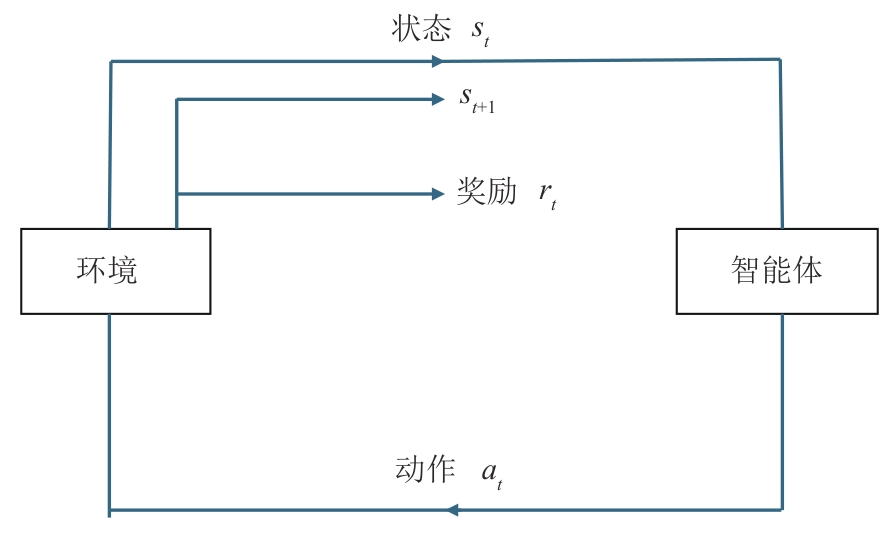
Fig.1 Schematic diagram of MDP process
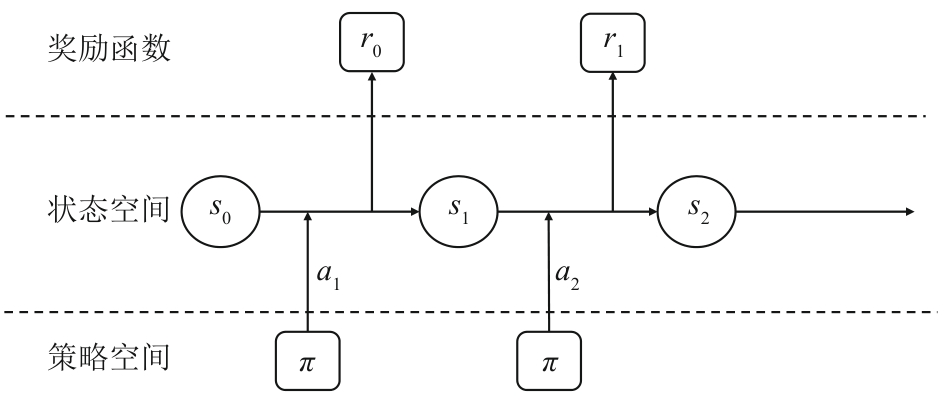
Fig.2 Schematic diagram of MDP iterative information
| 来源 | 解决问题 | 系统形式 | 求解算法 | 优化目标 |
|---|---|---|---|---|
| 文献[ | 能源交易 | 风电 | Rainbow | 提高收敛速度,减少所需采样次数,提高平均收益 |
| 文献[ | 微电网 | MATD3 | 降低微电网的运行成本 | |
| 文献[ | 微电网 | DA-MAPPO | 降低微电网的峰值负荷,同时降低各用户的用电成本 | |
| 文献[ | 火电 | MADDPG | 提高市场的整体效率,最佳化整体碳排放收益率 | |
| 文献[ | 电力市场 | DDPG | 降低市场风险溢价 | |
| 文献[ | 多目标经济调度 | 热-电耦合 | 孪生延迟DDPG/多目标奖励函数 | 大幅降低优化时间,提高鲁棒性 |
| 文献[ | 需求响应 | 智能电网 | Q-learning | 减少总能耗,提高买卖双方收益 |
| 文献[ | 用户侧 | PPO2 | 提高收敛性和数据利用率 | |
| 文献[ | 电压控制 | 配电网 | MATD3PG | 降低网损 |
| 文献[ | 配电网 | hyper Q-network | 最小化长期预期电压偏差 | |
| 文献[ | 频率控制 | 光伏-微电网 | Q-learning | 具有更好的频率调控作用 |
| 文献[ | 孤岛微电网 | Q-learning | 具有较好的调频效果与适应性 | |
| 文献[ | 能量管理 | 微电网 | DQN | 高负载率(高于50%) |
Tab. 1 Applications of reinforcement learning algorithms in new-type power system
| 来源 | 解决问题 | 系统形式 | 求解算法 | 优化目标 |
|---|---|---|---|---|
| 文献[ | 能源交易 | 风电 | Rainbow | 提高收敛速度,减少所需采样次数,提高平均收益 |
| 文献[ | 微电网 | MATD3 | 降低微电网的运行成本 | |
| 文献[ | 微电网 | DA-MAPPO | 降低微电网的峰值负荷,同时降低各用户的用电成本 | |
| 文献[ | 火电 | MADDPG | 提高市场的整体效率,最佳化整体碳排放收益率 | |
| 文献[ | 电力市场 | DDPG | 降低市场风险溢价 | |
| 文献[ | 多目标经济调度 | 热-电耦合 | 孪生延迟DDPG/多目标奖励函数 | 大幅降低优化时间,提高鲁棒性 |
| 文献[ | 需求响应 | 智能电网 | Q-learning | 减少总能耗,提高买卖双方收益 |
| 文献[ | 用户侧 | PPO2 | 提高收敛性和数据利用率 | |
| 文献[ | 电压控制 | 配电网 | MATD3PG | 降低网损 |
| 文献[ | 配电网 | hyper Q-network | 最小化长期预期电压偏差 | |
| 文献[ | 频率控制 | 光伏-微电网 | Q-learning | 具有更好的频率调控作用 |
| 文献[ | 孤岛微电网 | Q-learning | 具有较好的调频效果与适应性 | |
| 文献[ | 能量管理 | 微电网 | DQN | 高负载率(高于50%) |
| 代表性算法 | DQN | A-C | DDPG | Rainbow | MADDPG |
|---|---|---|---|---|---|
| 特点 | 具有高维输入空间的决策能力,但可能会出现Q值过高的梯度爆炸情况 | 适用于处理连续动作空间和大型状态空间;能够处理部分可观测环境 | 适用于连续动作空间问题;训练时相比离散动作空间算法收敛稳定性更好;环境探索能力弱;超参数复杂 | 集成了改进的强化学习、优先经验回放、DDQN、分布式Q函数等多种技术 | 解决多智能体环境下的协作与竞争问题;集中式训练;分布式执行 |
| 架构优化改进方向 | 优先级经验回放机制、DDQN、多步学习等 | 采用更复杂的拓扑结构,或者引入注意力机制 | 引入噪声增加探索能力;策略延迟更新;使用自适应学习率算法调整步长 | 在网络上引入注意力机制,将算法扩展到多任务学习或迁移学习场景 | 多层次策略;自适应混合策略;分层式经验回放等 |
| 应用场景 | 智能电网管理、经济调度、新能源并网优化运行 | 电力市场交易、能源管理、智能电网控制 | 电能调度、电动车充电管理、电池储能系统的充放电控制 | 电力设备维护、电力系统规划 | 智能电网调度、安全态势感知等 |
| 相关文献 | 文献[ | 文献[ | 文献[ | 文献[ | 文献[ |
Tab. 2 Algorithm characteristics and related analysis
| 代表性算法 | DQN | A-C | DDPG | Rainbow | MADDPG |
|---|---|---|---|---|---|
| 特点 | 具有高维输入空间的决策能力,但可能会出现Q值过高的梯度爆炸情况 | 适用于处理连续动作空间和大型状态空间;能够处理部分可观测环境 | 适用于连续动作空间问题;训练时相比离散动作空间算法收敛稳定性更好;环境探索能力弱;超参数复杂 | 集成了改进的强化学习、优先经验回放、DDQN、分布式Q函数等多种技术 | 解决多智能体环境下的协作与竞争问题;集中式训练;分布式执行 |
| 架构优化改进方向 | 优先级经验回放机制、DDQN、多步学习等 | 采用更复杂的拓扑结构,或者引入注意力机制 | 引入噪声增加探索能力;策略延迟更新;使用自适应学习率算法调整步长 | 在网络上引入注意力机制,将算法扩展到多任务学习或迁移学习场景 | 多层次策略;自适应混合策略;分层式经验回放等 |
| 应用场景 | 智能电网管理、经济调度、新能源并网优化运行 | 电力市场交易、能源管理、智能电网控制 | 电能调度、电动车充电管理、电池储能系统的充放电控制 | 电力设备维护、电力系统规划 | 智能电网调度、安全态势感知等 |
| 相关文献 | 文献[ | 文献[ | 文献[ | 文献[ | 文献[ |
| 1 | 许洪华,邵桂萍,鄂春良,等 .我国未来能源系统及能源转型现实路径研究[J].发电技术,2023,44(4):484-491. doi:10.12096/j.2096-4528.pgt.23002 |
| XU H H, SHAO G P, E C L,et al .Research on China’s future energy system and the realistic path of energy transformation[J].Power Generation Technology,2023,44(4):484-491. doi:10.12096/j.2096-4528.pgt.23002 | |
| 2 | 马晓伟,王文倬,薛晨,等 .西北新型电力系统先行示范体系探究[J].电网与清洁能源,2024,40(1):1-7. |
| MA X W, WANG W Z, XUE C,et al .Research on the leading demonstration system of new-type power system in northwest China[J].Power System and Clean Energy,2024,40(1):1-7. | |
| 3 | 周翔,王继业,陈盛,等 .基于深度强化学习的微网优化运行综述[J].全球能源互联网,2023,6(3):240-257. |
| ZHOU X, WANG J Y, CHEN S,et al .Review of microgrid optimization operation based on deep reinforcement learning[J].Journal of Global Energy Interconnection,2023,6(3):240-257. | |
| 4 | 冯斌,胡轶婕,黄刚,等 .基于深度强化学习的新型电力系统调度优化方法综述[J].电力系统自动化,2023,47(17):187-199. |
| FENG B, HU Y J, HUANG G,et al .Review on optimization methods for new power system dispatch based on deep reinforcement learning[J].Automation of Electric Power Systems,2023,47(17):187-199. | |
| 5 | 彭道刚,税纪钧,王丹豪,等 .“双碳”背景下虚拟电厂研究综述[J].发电技术,2023,44(5):602-615. |
| PENG D G, SHUI J J, WANG D H,et al .Review of virtual power plant under the background of “dual carbon”[J].Power Generation Technology,2023,44(5):602-615. | |
| 6 | 吕小红,刘维,刘克恒,等 .虚拟电厂供需侧双层协调自适应鲁棒优化调度[J].全球能源互联网,2024,7(4):431-442. |
| LYU X H, LIU W, LIU K H,et al .Two-layer coordinated adaptive robust optimal scheduling on supply and demand side of virtual power plant[J].Journal of Global Energy Interconnection,2024,7(4):431-442. | |
| 7 | 吴垠,牛文娟,诸晓骏 .考虑不同场景的虚拟电厂建模与优化分析[J].电测与仪表,2024,61(11):40-45. |
| WU Y, NIU W J, ZHU X J .Modeling and optimization analysis of virtual power plantconsidering different scenarios[J].Electrical Measurement & Instrumentation,2024,61(11):40-45. | |
| 8 | 张艺,刘蕊 .考虑不确定性风险的虚拟电厂优化调度模型研究[J].智慧电力,2024,52(8):9-18. |
| ZHANG Y, LIU R .Virtual power plant optimal scheduling model considering uncertain risks[J].Smart Power,2024,52(8):9-18. | |
| 9 | 于艾清,濮梦燕,王育飞,等 .基于改进鲸鱼算法的分布式电源规划方法[J].电测与仪表,2024,61(8):63-69. |
| YU A Q, PU M Y, WANG Y F,et al .Planning method for distributed generation based on improved WOA[J].Electrical Measurement & Instrumentation,2024,61(8):63-69. | |
| 10 | 凡鹏飞,李宝琴,侯江伟,等 .配电网分布式电源经济可承载力评估[J].中国电力,2024,57(7):196-202. |
| FAN P F, LI B Q, HOU J W,et al .Economic capacity assessment of renewables in distribution networks[J].Electric Power,2024,57(7):196-202. | |
| 11 | 王辉,王勇,张晓滨,等 .构网型分布式电源渗透率高的微电网潮流计算及优化控制[J].电网与清洁能源,2024,40(4):35-43. |
| WANG H, WANG Y, ZHANG X B,et al .Power flow calculation and optimization control of the microgrid with high penetration of grid-forming distributed generators[J].Power System and Clean Energy,2024,40(4):35-43. | |
| 12 | 李杰,王杰,梁文腾,等 .含逆变型分布式电源的负荷模型构建及参数辨识方法[J].南方能源建设,2024,11(6):164-173. |
| LI J, WANG J, LIANG W T,et al .Load model construction and parameter identification method of inverter-interfaced distributed generator[J].Southern Energy Construction,2024,11(6):164-173. | |
| 13 | 冯弋舟,吴志,李新煜,等 .光-蓄-储混合储能系统灵活性提升与容量规划[J].电力工程技术,2024,43(5):27-36. |
| FENG Y Z, WU Z, LI X Y,et al .Capacity optimization and flexibility enhancement of photovoltaic-battery-pumped hybrid storage system[J].Electric Power Engineering Technology,2024,43(5):27-36. | |
| 14 | 孙婉玉,蒋天茁,付强,等 .谷电储能供暖系统优化设计方法[J].电力科技与环保,2024,40(3):286-295. |
| SUN W Y, JIANG T Z, FU Q,et al .Optimization design method of valley power energy storage heating system[J].Electric Power Technology and Environmental Protection,2024,40(3):286-295. | |
| 15 | 王育飞,张新宇,张文韬,等 .考虑调频死区的电池储能系统自适应频率控制策略[J].智慧电力,2024,52(8):33-41. |
| WANG Y F, ZHANG X Y, ZHANG W T,et al .Adaptive frequency control strategy of battery energy storage system considering frequency regulation dead band[J].Smart Power,2024,52(8):33-41. | |
| 16 | 史宏思,孙新伟,王凯 .基于电化学阻抗谱的锂离子电池健康状态估计[J/OL].发电技术,2024:1-15.(2024-07-19)[2024-08-22].. |
| SHI H S, SUN X W, WANG K .Estimation of health state of lithium ion battery based on electrochemical impedance spectroscopy[J/OL].China Industrial Economics,2024:1-15.(2024-07-19)[2024-08-22].. | |
| 17 | 张效伟,衣振晓,王凯 .基于改进自适应蜜獾优化算法优化时间卷积网络的车载锂离子电池健康状态估计[J/OL].发电技术,2024:1-13.(2024-07-22)[2024-08-22].. |
| ZHANG X W, YI Z X, WANG K .Health state estimation of vehicle-mounted lithium-ion battery based on improved adaptive honey badger optimization algorithm to optimize time convolution network[J/OL].China Industrial Economics,2024:1-13.(2024-07-22)[2024-08-22].. | |
| 18 | 黄河,王燕,姜念,等 .考虑用户诉求差异的居民可控负荷资源优化控制[J].发电技术,2023,44(6):896-908. |
| HUANG H, WANG Y, JIANG N,et al .Optimal control of residents’ controllable load resources considering different demands of users[J].Power Generation Technology,2023,44(6):896-908. | |
| 19 | 何云华,程宇航,袁晓冬,等 .面向V2G调度的可信联邦学习方法[J].分布式能源,2024,9(6):65-74. |
| HE Y H, CHENG Y H, YUAN X D,et al .Trustworthy federated learning approach for V2G scheduling[J].Distributed Energy,2024,9(6):65-74. | |
| 20 | 马继洋,蔡永翔,唐巍,等 .考虑电动汽车参与韧性提升的配电网状态平滑切换控制策略[J].电力建设,2024,45(5):29-36. |
| MA J Y, CAI Y X, TANG W,et al .Enhancing distribution network resilience:electric vehicle integration in seamless state switching strategy[J].Electric Power Construction,2024,45(5):29-36. | |
| 21 | 朱永胜,常稳,武东亚,等 .考虑充放储一体站与电动汽车互动的主从博弈优化调度策略[J].电力系统保护与控制,2024,52(7):157-167. |
| ZHU Y S, CHANG W, WU D Y,et al .A Stackelberg game optimization scheduling strategy considering the interaction between a charging-discharging-storage integrated station and an electric vehicle[J].Power System Protection and Control,2024,52(7):157-167. | |
| 22 | 吕志鹏,宋振浩,李立生,等 .含电动汽车的工业园区综合能源系统优化调度[J].中国电力,2024,57(4):25-31. |
| LV Z P, SONG Z H, LI L S,et al .Optimization scheduling of integrated energy system scheduling in industrial park containing electric vehicles[J].Electric Power,2024,57(4):25-31. | |
| 23 | 高源,王凯 .新能源汽车电驱逆变器故障锁存保护电路研究[J].青岛大学学报(工程技术版),2023,38(4):105-110. |
| GAO Y, WANG K .Study on electric vehicle inverter system fault latch and protection circuit[J].Journal of Qingdao University (Engineering & Technology Edition),2023,38(4):105-110. | |
| 24 | PERERA A T D, KAMALARUBAN P .Applications of reinforcement learning in energy systems[J].Renewable and Sustainable Energy Reviews,2021,137:110618. doi:10.1016/j.rser.2020.110618 |
| 25 | CHEN X, QU G N, TANG Y J,et al .Reinforcement learning for selective key applications in power systems:recent advances and future challenges[J].IEEE Transactions on Smart Grid,2022,13(4):2935-2958. doi:10.1109/tsg.2022.3154718 |
| 26 | 尚玉朝,刘春豪,王凯 .基于融合优化算法的超级电容器健康状态预测模型[J/OL].发电技术,1-11[2025-02-19].. doi:10.2139/ssrn.5114211 |
| SHANG Y Z, LIU C H, WANG K,et al .A state of health prediction model for supercapacitors based on an integrated optimization algorithm[J/OL].Power Generation Technology,1-11[2025-02-19].. doi:10.2139/ssrn.5114211 | |
| 27 | ZHANG Z D, ZHANG D X, QIU R C .Deep reinforcement learning for power system applications:an overview[J].CSEE Journal of Power and Energy Systems,2020,6(1):213-225. |
| 28 | VÁZQUEZ-CANTELI J R, NAGY Z .Reinforcement learning for demand response:a review of algorithms and modeling techniques[J].Applied Energy,2019,235:1072-1089. doi:10.1016/j.apenergy.2018.11.002 |
| 29 | JORDEHI A R .Optimisation of demand response in electric power systems:a review[J].Renewable and Sustainable Energy Reviews,2019,103:308-319. doi:10.1016/j.rser.2018.12.054 |
| 30 | YANG J J, YANG M, WANG M X,et al .A deep reinforcement learning method for managing wind farm uncertainties through energy storage system control and external reserve purchasing[J].International Journal of Electrical Power & Energy Systems,2020,119:105928. doi:10.1016/j.ijepes.2020.105928 |
| 31 | CHEN T Y, BU S R, LIU X,et al .Peer-to-peer energy trading and energy conversion in interconnected multi-energy microgrids using multi-agent deep reinforcement learning[J].IEEE Transactions on Smart Grid,2022,13(1):715-727. doi:10.1109/tsg.2021.3124465 |
| 32 | 韦贵熙,刘香港,池明,等 .基于多智能体强化学习的微电网能源交易[J].控制工程,2023,30(12):2274-2279. |
| WEI G X, LIU X G, CHI M,et al .Energy trading in microgrid via multi-agent reinforcement learning[J].Control Engineering of China,2023,30(12):2274-2279. | |
| 33 | 张兴平,王腾,张馨月,等 .基于多智能体深度确定策略梯度算法的火力发电商竞价策略[J].中国电力,2024,57(11):161-172. |
| ZHANG X P, WANG T, ZHANG X Y,et al .Bidding strategy for thermal power generation companies based on multi-agent deep deterministic policy gradient algorithm[J].Electric Power,2024,57(11):161-172. | |
| 34 | 许丹,胡晓静,胡斐,等 .基于深度强化学习的电力市场量价组合竞价策略[J].电网技术,2024,48(8):3278-3286. |
| XU D, HU X J, HU F,et al .Strategic bidding of price-quantity pairs in electricity market based on deep reinforcement learning[J].Power System Technology,2024,48(8):3278-3286. | |
| 35 | 陈思畏,李建军,邹信迅,等 .基于孪生延迟DDPG强化学习的电-热耦合系统低碳经济调度[J].现代电力,2025,42(2):314-321. |
| CHEN S W, LI J J, ZOU X X,et al .Low-carbon economic dispatch of electro-thermal coupling system based on DDPG reinforcement learning with twin delays[J].China Industrial Economics,2025,42(2):314-321. | |
| 36 | LU R Z, HONG S H, ZHANG X F .A dynamic pricing demand response algorithm for smart grid:Reinforcement learning approach[J].Applied Energy,2018,220:220-230. doi:10.1016/j.apenergy.2018.03.072 |
| 37 | 李锦辉,吴毓峰,余涛,等 .数据孤岛下基于联邦学习的用户电价响应刻画及其应用[J].电力系统保护与控制,2024,52(6):164-176. |
| LI J H, WU Y F, YU T,et al .Characterization of user price response behavior and its application based on federated learning considering a data island[J].Power System Protection and Control,2024,52(6):164-176. | |
| 38 | 陈潇潇,周云海,张泰源,等 .基于深度强化学习的有源配电网实时电压控制策略[J].三峡大学学报(自然科学版),2024,46(1):76-84. |
| CHEN X X, ZHOU Y H, ZHANG T Y,et al .Strategy of real-time voltage control in active distribution network based on deep reinforcement learning[J].Journal of China Three Gorges University (Natural Sciences),2024,46(1):76-84. | |
| 39 | YANG Q L, WANG G, SADEGHI A,et al .Two-timescale voltage control in distribution grids using deep reinforcement learning[J].IEEE Transactions on Smart Grid,2020,11(3):2313-2323. doi:10.1109/tsg.2019.2951769 |
| 40 | 张华强,牟晨东,赵玫,等 .基于强化学习的多光储虚拟同步机频率协调控制策略[J].电气传动,2021,51(19):36-42. |
| ZHANG H Q, MU C D, ZHAO M,et al .Frequency coordination control strategy of multiple photovoltaic-battery virtual synchronous generators based on reinforcement learning[J].Electric Drive,2021,51(19):36-42. | |
| 41 | 姚建华,胡晟,王冠,等 .基于强化学习的孤岛微电网多源协调频率控制方法[J].电力建设,2020,41(9):69-75. |
| YAO J H, HU S, WANG G,et al .Multi-source coordinated frequency control method based on reinforcement learning for island microgrid[J].Electric Power Construction,2020,41(9):69-75. | |
| 42 | 刘俊峰,陈剑龙,王晓生,等 .基于深度强化学习的微能源网能量管理与优化策略研究[J].电网技术,2020,44(10):3794-3803. |
| LIU J F, CHEN J L, WANG X S,et al .Energy management and optimization of multi-energy grid based on deep reinforcement learning[J].Power System Technology,2020,44(10):3794-3803. | |
| 43 | ZHAO H, ZHAO J H, QIU J,et al .Cooperative wind farm control with deep reinforcement learning and knowledge-assisted learning[J].IEEE Transactions on Industrial Informatics,2020,16(11):6912-6921. doi:10.1109/tii.2020.2974037 |
| 44 | LI Y, WANG R N, LI Y Z,et al .Wind power forecasting considering data privacy protection:a federated deep reinforcement learning approach[J].Applied Energy,2023,329:120291. doi:10.1016/j.apenergy.2022.120291 |
| 45 | KANG D J, KANG D, HWANGBO S,et al .Optimal planning of hybrid energy storage systems using curtailed renewable energy through deep reinforcement learning[J].Energy,2023,284:128623. doi:10.1016/j.energy.2023.128623 |
| 46 | 徐钰涵,季天瑶,李梦诗 .基于深度强化学习的微电网日前日内协调优化调度[J].南方电网技术,2024,18(9):106-116. |
| XU Y H, JI T Y, LI M S .Day-ahead and intra-day coordinated optimal scheduling of microgrid based on deep reinforcement learning[J].Southern Power System Technology,2024,18(9):106-116. | |
| 47 | 冯文韬,李龙胜,曾愚,等 .基于深度强化学习的微电网源-荷低碳调度优化研究[J].四川电力技术,2023,46(6):75-82. |
| FENG W T, LI L S, ZENG Y,et al .Research on source-load low-carbon optimal dispatching for microgrid based on deep reinforcement learning[J].Sichuan Electric Power Technology,2023,46(6):75-82. | |
| 48 | 李文武,马浩云,贺中豪,等 .基于n步Q-learning算法的风电抽水蓄能联合系统日随机优化调度研究[J].水电能源科学,2022,40(1):206-210. |
| LI W W, MA H Y, HE Z H,et al .Research on daily stochastic optimal scheduling of wind power pumped storage system based on n-step Q-learning algorithm[J].Water Resources and Power,2022,40(1):206-210. | |
| 49 | DUAN J J, SHI D, DIAO R S,et al .Deep-reinforcement-learning-based autonomous voltage control for power grid operations[J].IEEE Transactions on Power Systems,2020,35(1):814-817. doi:10.1109/tpwrs.2019.2941134 |
| 50 | 张涛,郝正航,徐玉韬,等 .基于多智能体强化学习的两阶段电压控制策略[J].南方电网技术,2024,18(12):77-86. |
| ZHANG T, HAO Z H, XU Y T,et al .Two-stage voltage control strategy based on multi-agent reinforcement learning[J].Southern Power System Technology,2024,18(12):77-86. | |
| 51 | 韩保军,高强,代飞,等 .基于协同奖励函数多目标强化学习的智能频率控制策略研究[J].电力科学与技术学报,2023,38(2):18-29. |
| HAN B J, GAO Q, DAI F,et al .Intelligent frequency control strategy based on multi-objective reinforcement learning of cooperative reward function[J].Journal of Electric Power Science and Technology,2023,38(2):18-29. | |
| 52 | HUANG R, LI Y C, WANG X .Attention-aware deep reinforcement learning for detecting false data injection attacks in smart grids[J].International Journal of Electrical Power & Energy Systems,2023,147:108815. doi:10.1016/j.ijepes.2022.108815 |
| 53 | 郭创新,刘祝平,刘永刚,等 .基于图神经网络和强化学习的电网风险态势感知[J].电网与清洁能源,2023,39(12):41-49. |
| GUO C X, LIU Z P, LIU Y G,et al .GNN and RL based power system risk situation perception[J].Power System and Clean Energy,2023,39(12):41-49. | |
| 54 | LEI W X, WEN H, WU J S,et al .MADDPG-based security situational awareness for smart grid with intelligent edge[J].Applied Sciences,2021,11(7):3101. doi:10.3390/app11073101 |
| 55 | 易仕琪,孔政敏,王帅,等 .基于泛化强化学习的变电站巡检机器人路径规划研究[J].广东电力,2023,36(11):114-121. |
| YI S Q, KONG Z M, WANG S,et al .Study on substation inspection robot path planning based on generalization reinforcement learning[J].Guangdong Electric Power,2023,36(11):114-121. | |
| 56 | 倪爽,崔承刚,杨宁,等 .基于深度强化学习的配电网多时间尺度在线无功优化[J].电力系统自动化,2021,45(10):77-85. |
| NI S, CUI C G, YANG N,et al .Multi-time-scale online optimization for reactive power of distribution network based on deep reinforcement learning[J].Automation of Electric Power Systems,2021,45(10):77-85. | |
| 57 | 张超,赵冬梅,季宇,等 .基于改进深度Q网络的虚拟电厂实时优化调度[J].中国电力,2024,57(1):91-100. |
| ZHANG C, ZHAO D M, JI Y,et al .Real time optimal dispatch of virtual power plant based on improved deep Q network[J].Electric Power,2024,57(1):91-100. | |
| 58 | 吴润泽,霍金鑫,郭昊博 .基于DQN的电力协同计算与缓存的任务卸载策略[J].电力建设,2024,45(8):149-158. |
| WU R Z, HUO J X, GUO H B .DQN-based task offloading strategy for power co-computing and caching[J].Electric Power Construction,2024,45(8):149-158. | |
| 59 | 张一凡 .基于深度学习的水风光短期随机优化调度研究[J].水电与新能源,2024,38(3):34-37. |
| ZHANG Y F .Short-term stochastic optimization scheduling of hydro-wind-solar power system based on deep learning[J].Hydropower and New Energy,2024,38(3):34-37. | |
| 60 | XIE J, SUN W .Distributional deep reinforcement learning-based emergency frequency control[J].IEEE Transactions on Power Systems,2022,37(4):2720-2730. doi:10.1109/tpwrs.2021.3130413 |
| 61 | 马庆,邓长虹 .基于单/多智能体简化强化学习的电力系统无功电压控制[J].电工技术学报,2024,39(5):1300-1312. |
| MA Q, DENG C H .Single/multi agent simplified deep reinforcement learning based volt-var control of power system[J].Transactions of China Electrotechnical Society,2024,39(5):1300-1312. | |
| 62 | YUAN Y X, DEHGHANPOUR K, WANG Z Y,et al .A joint distribution system state estimation framework via deep actor-critic learning method[J].IEEE Transactions on Power Systems,2023,38(1):796-806. doi:10.1109/tpwrs.2022.3155649 |
| 63 | YU Q S, WANG X Y, LV D P,et al .Data fusion and situation awareness for smart grid and power communication network based on tensor computing and deep reinforcement learning[J].Electronics,2023,12(12):2606. doi:10.3390/electronics12122606 |
| 64 | 陈明昊,孙毅,谢志远 .基于双层深度强化学习的园区综合能源系统多时间尺度优化管理[J].电工技术学报,2023,38(7):1864-1881. |
| CHEN M H, SUN Y, XIE Z Y .The multi-time-scale management optimization method for park integrated energy system based on the bi-layer deep reinforcement learning[J].Transactions of China Electrotechnical Society,2023,38(7):1864-1881. | |
| 65 | 梁煜东,陈峦,张国洲,等 .基于深度强化学习的多能互补发电系统负荷频率控制策略[J].电工技术学报,2022,37(7):1768-1779. |
| LIANG Y D, CHEN L, ZHANG G Z,et al .Load frequency control strategy of hybrid power generation system:a deep reinforcement learning-based approach[J].Transactions of China Electrotechnical Society,2022,37(7):1768-1779. | |
| 66 | 刘建行,刘方 .基于深度强化学习的梯级水蓄风光互补系统优化调度策略研究[J].广东电力,2024,37(5):10-22. |
| LIU J H, LIU F .Research on optimized dispatching strategy of cascade hydropower-pumping-storage-wind-photovoltaic multi-energy complementary system based on deep reinforcement learning[J].Guangdong Electric Power,2024,37(5):10-22. | |
| 67 | 于一潇,杨佳峻,杨明,等 .基于深度强化学习的风电场储能系统预测决策一体化调度[J].电力系统自动化,2021,45(1):132-140. |
| YU Y X, YANG J J, YANG M,et al .Prediction and decision integrated scheduling of energy storage system in wind farm based on deep reinforcement learning[J].Automation of Electric Power Systems,2021,45(1):132-140. |
| [1] | Yixuan CHEN, Jiayang WANG, Yingjun ZHUO, Siyu LU, Baorong ZHOU. Review of Artificial Intelligence Applications in Accelerating Operational Simulation of Power Systems [J]. Power Generation Technology, 2025, 46(3): 467-481. |
| [2] | Haoran XU, Jinyun ZHANG, Xin MA, Wenqiang LEI, Jieming CAO. Applications and Prospects of Graph Retrieval-Augmented Generation Technology Based on Large Language Models in the Nuclear Power Field [J]. Power Generation Technology, 2025, 46(3): 454-466. |
| [3] | Zuhan ZHANG, Dunnan LIU, Hang FAN, Liuqing YANG, Yunjie DUAN, Yun LI, Zhenyu MA. Review of Power System Prediction Technologies Based on Large Language Models [J]. Power Generation Technology, 2025, 46(3): 438-453. |
| [4] | Jun ZHANG, Tianjiao PU, Wenzhong GAO, Youbo LIU, Wei PEI, Peidong XU, Tianlu GAO, Yuyang BAI. Key Technologies and Application Prospects of Intelligent Computing in Power Systems [J]. Power Generation Technology, 2025, 46(3): 421-437. |
| [5] | Jilin LEI, Linxing YU, Yu BIE, Zhibo XU, Yuhan XIAO. Review of Energy Management Systems for Islanded Microgrids [J]. Power Generation Technology, 2025, 46(2): 370-385. |
| [6] | Lin LIU, Dalong WANG, Xiao QI, Zhenbo ZHOU, Huanxin LIN, Chuanwei CAI. Study on Double Phase-Locked Loop on the Synthetic Inertia Control of Offshore Wind Farm Frequency Regulation [J]. Power Generation Technology, 2024, 45(2): 282-290. |
| [7] | Bofei WANG, Haozhe XIAO, Guohao LI, Wenheng XIU, Yunhao MO, Mingjie ZHU, Zhen WU. A Review of Energy Management Strategy for Hydrogen-Electricity Hybrid Power System Based on Control Target [J]. Power Generation Technology, 2023, 44(4): 452-464. |
| [8] | Hui ZHU,Hongfang LÜ,Xiaoming YANG. Multi-objective Optimization Scheduling of Microgrid Based on Multi-agent System [J]. Power Generation Technology, 2019, 40(6): 527-534. |
| [9] | Guodong ZHANG,Kai LIU. Analysis of Microgrid Energy Management Under the Background of Energy Internet [J]. Power Generation Technology, 2019, 40(1): 17-21. |
| [10] | Shengzhe ZHOU,Qiang CUI,Maoyuan ZHANG,Guoting XIA,Kai WANG. Study on the Management of Fuel Cell Vehicle Energy System Using Hybrid Fuzzy Logic Controller [J]. Power Generation Technology, 2018, 39(6): 554-560. |
| Viewed | ||||||
|
Full text |
|
|||||
|
Abstract |
|
|||||
