

Power Generation Technology ›› 2025, Vol. 46 ›› Issue (6): 1059-1073.DOI: 10.12096/j.2096-4528.pgt.24270
• Distributed Energy •
Zhikang WANG1,2,3, Ruqi ZHANG2,3, Shaoke YUAN2,3, Dongjiang HAN2,3, Jun SUI2,3
Received:2024-12-16
Revised:2025-03-12
Published:2025-12-31
Online:2025-12-25
Contact:
Dongjiang HAN
Supported by:CLC Number:
Zhikang WANG, Ruqi ZHANG, Shaoke YUAN, Dongjiang HAN, Jun SUI. Research Progress on Organic Rankine Cycle-Vapor Compression Cycle Systems[J]. Power Generation Technology, 2025, 46(6): 1059-1073.
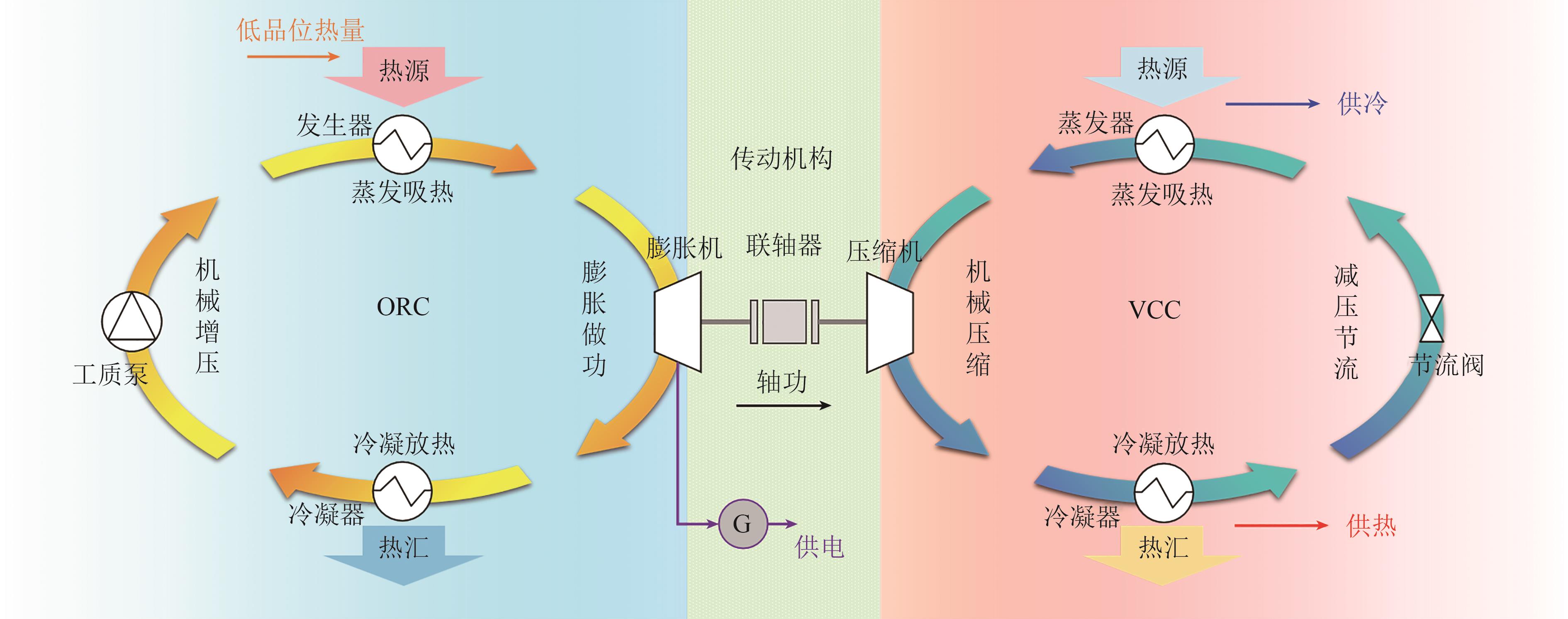
Fig. 1 Working principle of ORC-VCC
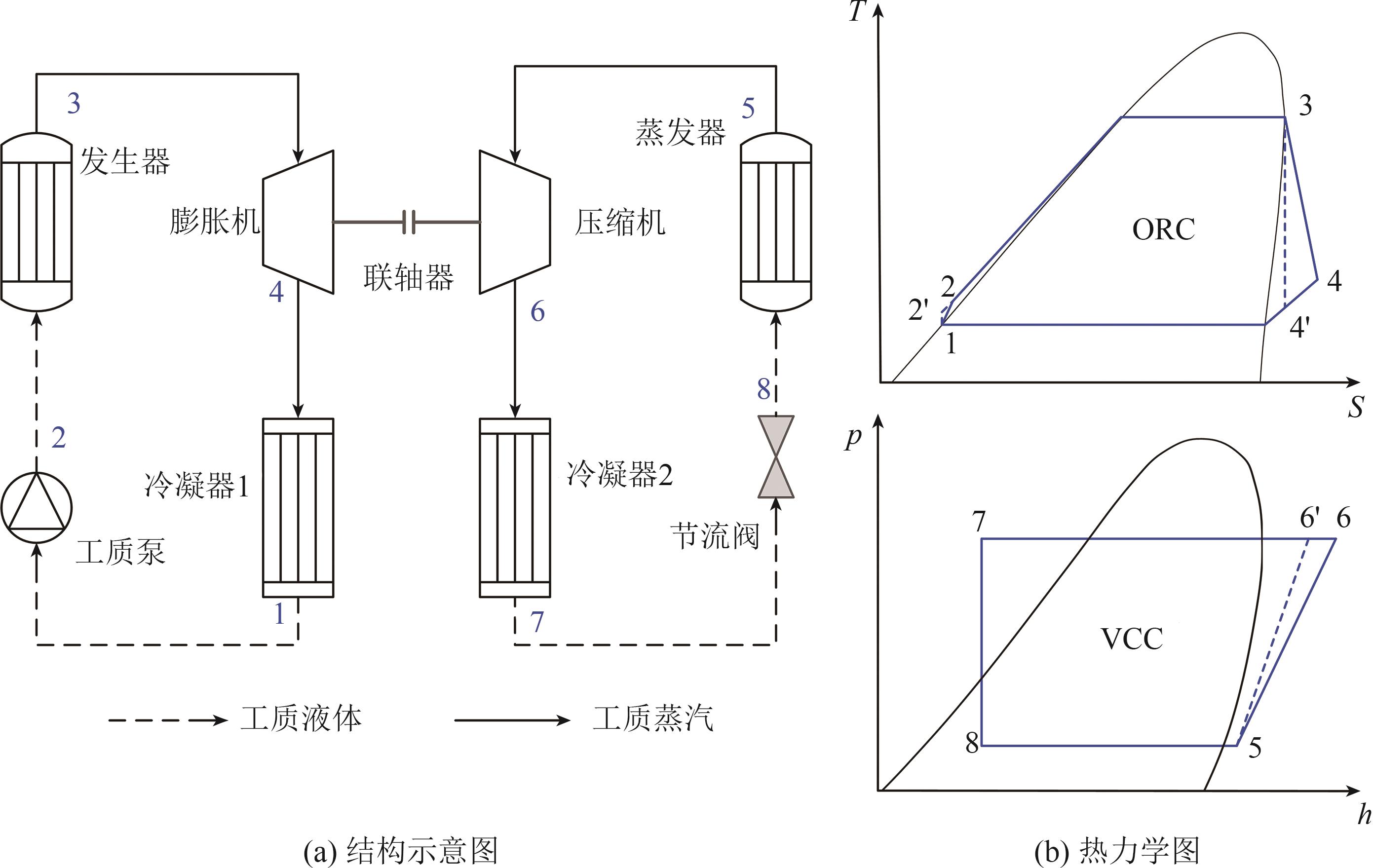
Fig. 2 Structural schematic diagram and thermodynamic diagram of basic configuration
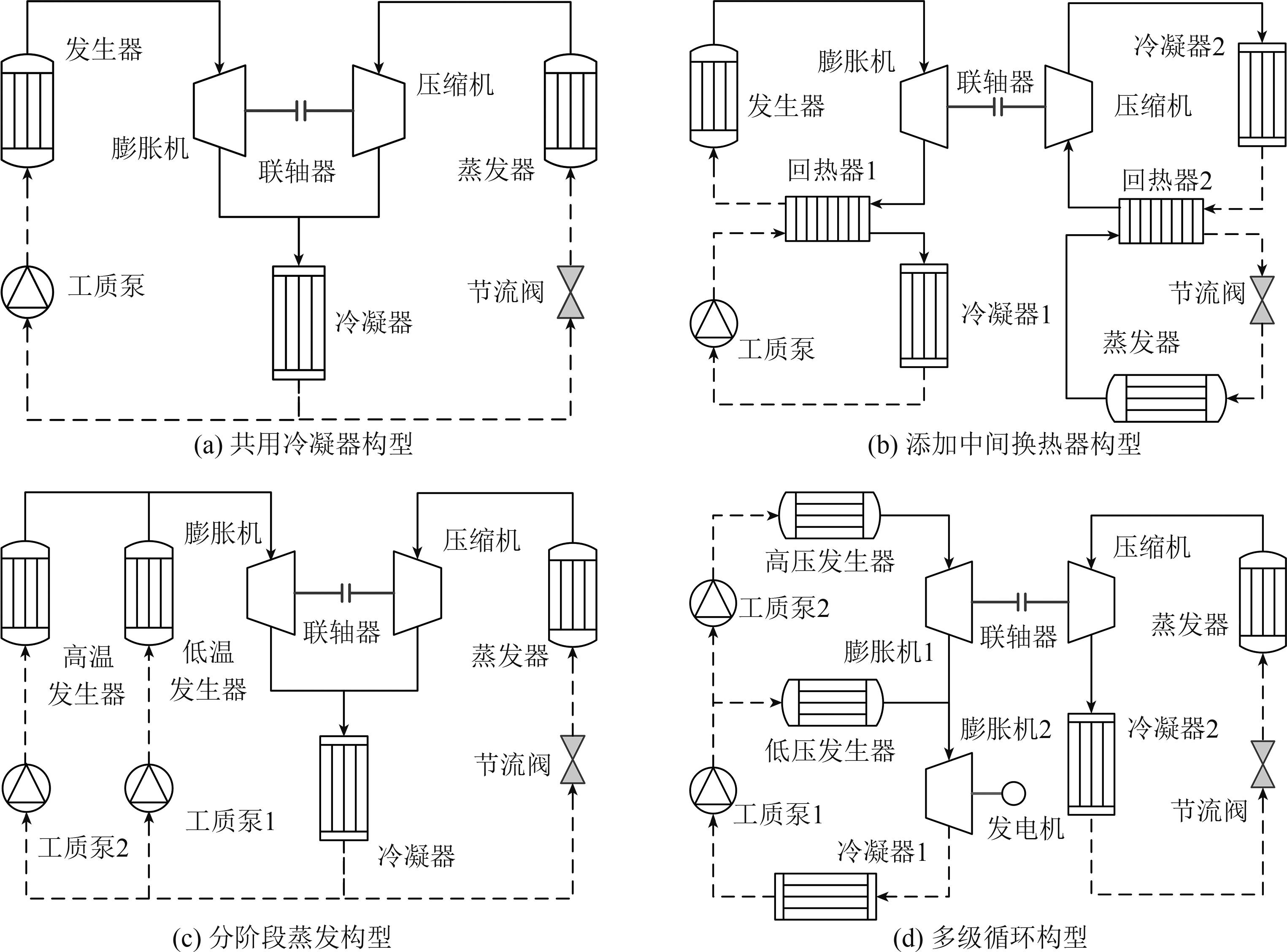
Fig. 3 Typical configurations of ORC-VCC systems
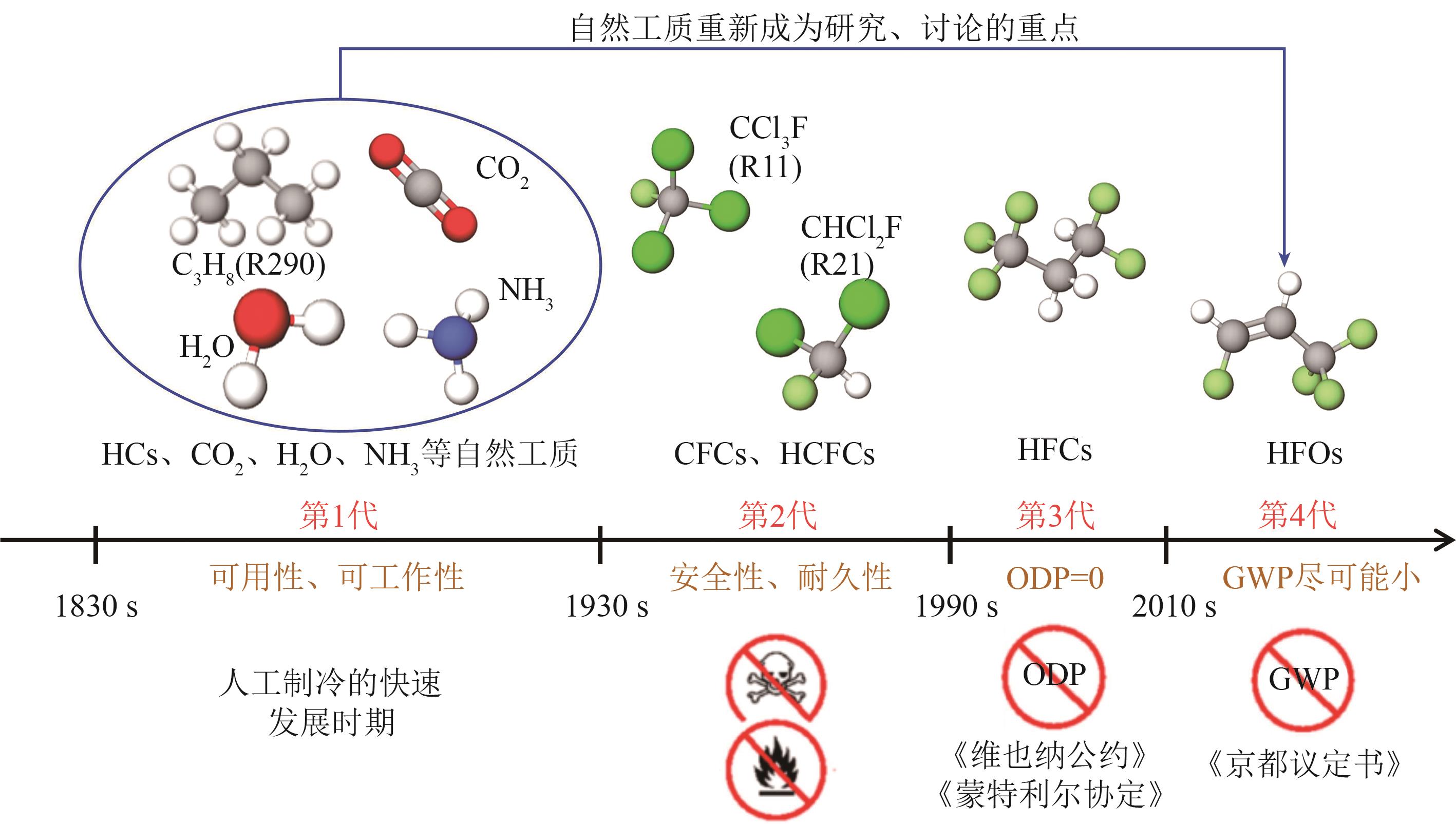
Fig. 4 Development history of working fluids
| 工质 | 工质种类 | 参考文献 |
|---|---|---|
| R1234ze(E) | HFO | [ |
| R1234yf | HFO | [ |
| R1224yd(Z) | HFO | [ |
| R1233zd(E) | HFO | [ |
| R602 | HC | [ |
| R601 | HC | [ |
Tab. 1 Relevant studies on use of novel and natural working fluids
| 工质 | 工质种类 | 参考文献 |
|---|---|---|
| R1234ze(E) | HFO | [ |
| R1234yf | HFO | [ |
| R1224yd(Z) | HFO | [ |
| R1233zd(E) | HFO | [ |
| R602 | HC | [ |
| R601 | HC | [ |
| 类型 | 工质 | 临界温度/℃ | ODP | GWP | 安全等级 |
|---|---|---|---|---|---|
| HFC | R134a | 101.1 | 0 | 1 300 | A1 |
| R152a | 113.3 | 0 | 138 | A2 | |
| R245fa | 154 | 0 | 858 | B1 | |
| HFO | R1234yf | 94.7 | 0 | <1 | A2L |
| R1234ze(E) | 109.4 | 0 | <1 | A2L | |
| R1234ze(Z) | 150.1 | 0 | <1 | A2L | |
| R1336mzz(Z) | 171.3 | 0 | 2 | A1 | |
| HCFO | R1224yd(Z) | 155.5 | ≈0 | <1 | A1 |
| R1233zd(Z) | 166.5 | ≈0 | 1 | A1 | |
| HC | R600 | 152 | 0 | 4 | A3 |
| R600a | 134.7 | 0 | 3 | A3 | |
| R601 | 196.6 | 0 | 5 | A3 | |
| R601a | 187.8 | 0 | 4 | A3 |
Tab. 2 Typical working fluids and their related parameters
| 类型 | 工质 | 临界温度/℃ | ODP | GWP | 安全等级 |
|---|---|---|---|---|---|
| HFC | R134a | 101.1 | 0 | 1 300 | A1 |
| R152a | 113.3 | 0 | 138 | A2 | |
| R245fa | 154 | 0 | 858 | B1 | |
| HFO | R1234yf | 94.7 | 0 | <1 | A2L |
| R1234ze(E) | 109.4 | 0 | <1 | A2L | |
| R1234ze(Z) | 150.1 | 0 | <1 | A2L | |
| R1336mzz(Z) | 171.3 | 0 | 2 | A1 | |
| HCFO | R1224yd(Z) | 155.5 | ≈0 | <1 | A1 |
| R1233zd(Z) | 166.5 | ≈0 | 1 | A1 | |
| HC | R600 | 152 | 0 | 4 | A3 |
| R600a | 134.7 | 0 | 3 | A3 | |
| R601 | 196.6 | 0 | 5 | A3 | |
| R601a | 187.8 | 0 | 4 | A3 |
| 序号 | HFO | HCFO | HC |
|---|---|---|---|
| 1 | R1336mzz(Z) | R1233zd(Z) | R600 |
| 2 | R1234ze(Z) | R1224yd(Z) | R601 |
Tab. 3 Working fluids suitable for high-temperature heat pumps
| 序号 | HFO | HCFO | HC |
|---|---|---|---|
| 1 | R1336mzz(Z) | R1233zd(Z) | R600 |
| 2 | R1234ze(Z) | R1224yd(Z) | R601 |
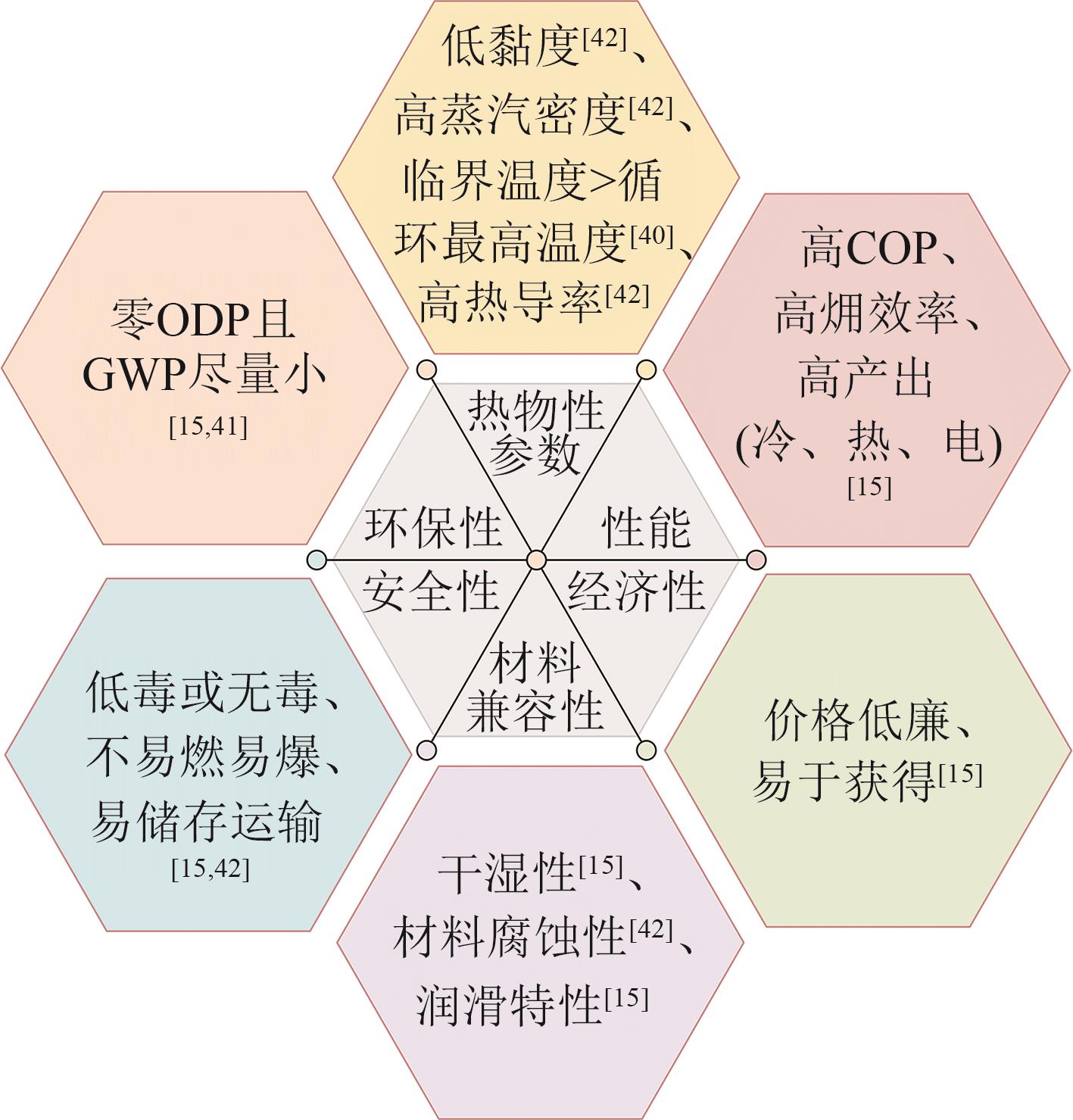
Fig. 5 Screening principles of working fluids

Fig. 6 Comparison of thermodynamic processes between pure and non-azeotropic working fluids in ORC
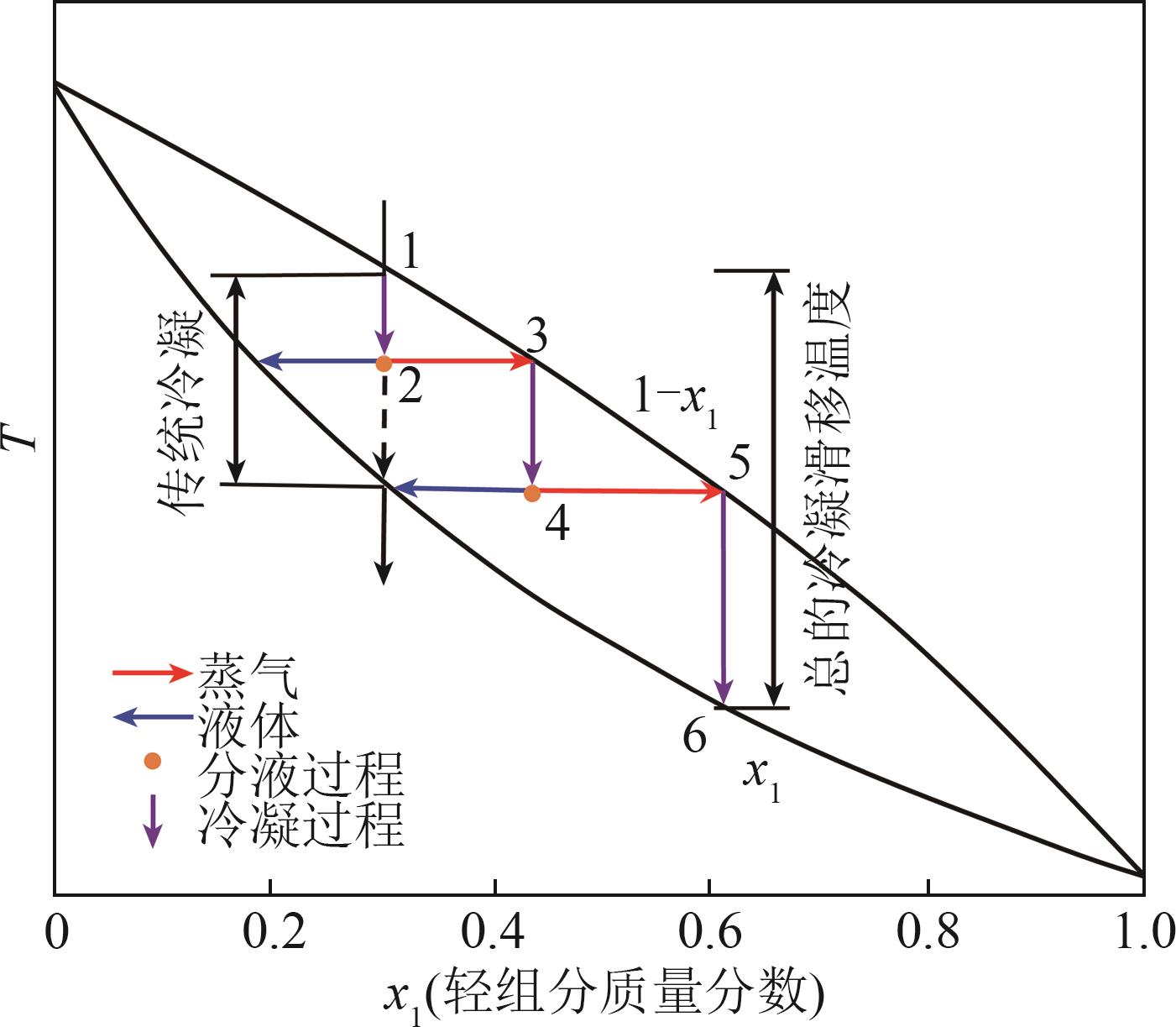
Fig. 7 Schematic diagram of liquid separation and condensation process
| 序号 | 系统描述 | PB | 参考文献 |
|---|---|---|---|
| 1 | 双蒸发器ORC-VCR系统 | 5.8年 | [ |
| 2 | ORC-VCC微型多联产系统 | 7年 | [ |
| 3 | ORC-VCR车辆空调系统 | 769 h | [ |
| 4 | ORC-VCR空气压缩空分系统 | 3.1年 | [ |
| 5 | ORC-VCR汽车能源系统 | 7 520 h | [ |
| 6 | 太阳能ORC-VCC三联产系统 | 8.5年 | [ |
Tab. 4 Payback periods of relevant studies
| 序号 | 系统描述 | PB | 参考文献 |
|---|---|---|---|
| 1 | 双蒸发器ORC-VCR系统 | 5.8年 | [ |
| 2 | ORC-VCC微型多联产系统 | 7年 | [ |
| 3 | ORC-VCR车辆空调系统 | 769 h | [ |
| 4 | ORC-VCR空气压缩空分系统 | 3.1年 | [ |
| 5 | ORC-VCR汽车能源系统 | 7 520 h | [ |
| 6 | 太阳能ORC-VCC三联产系统 | 8.5年 | [ |
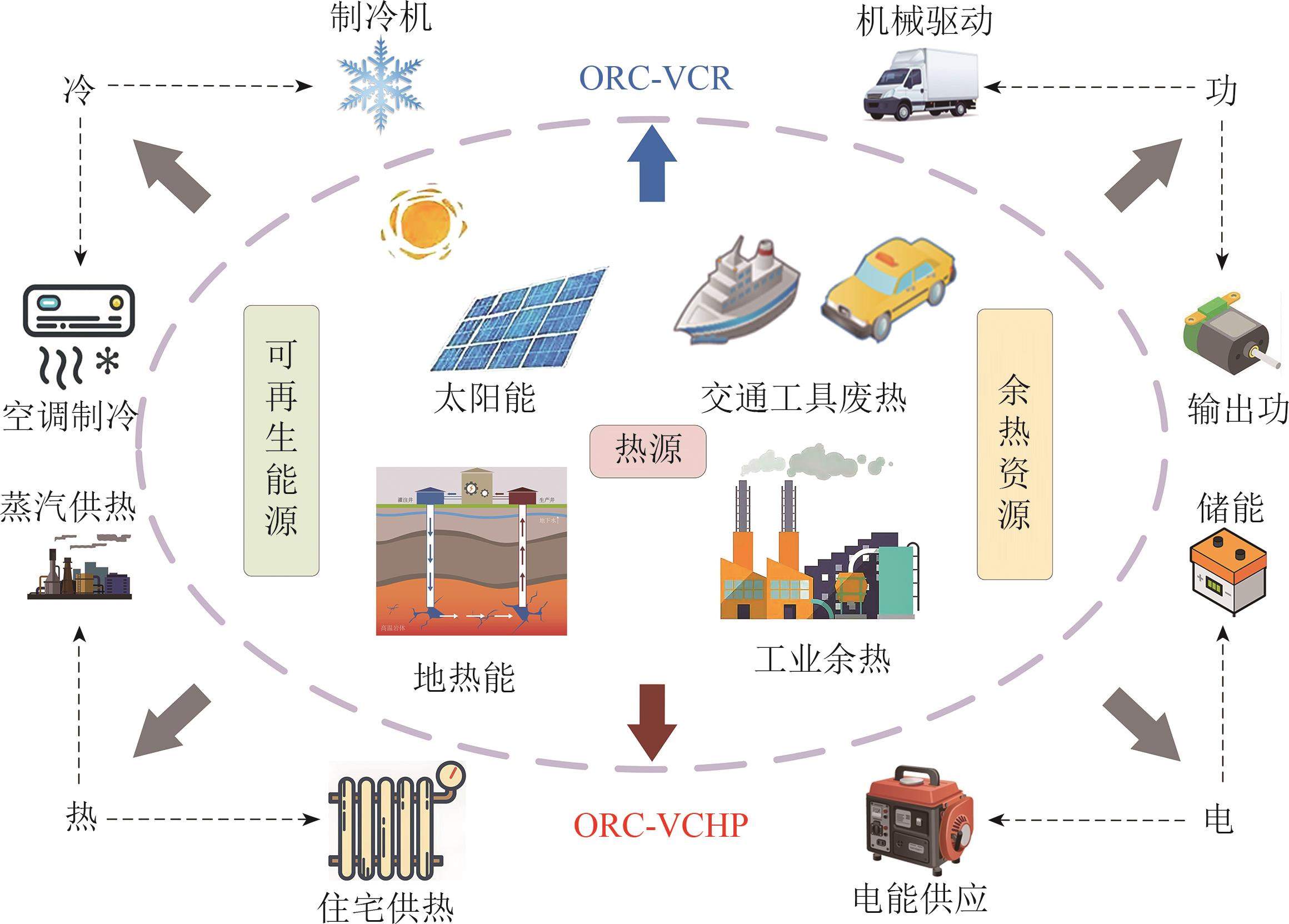
Fig. 8 Application directions of ORC-VCC systems

Fig. 9 Application cases of ORC-VCC integrated with other systems
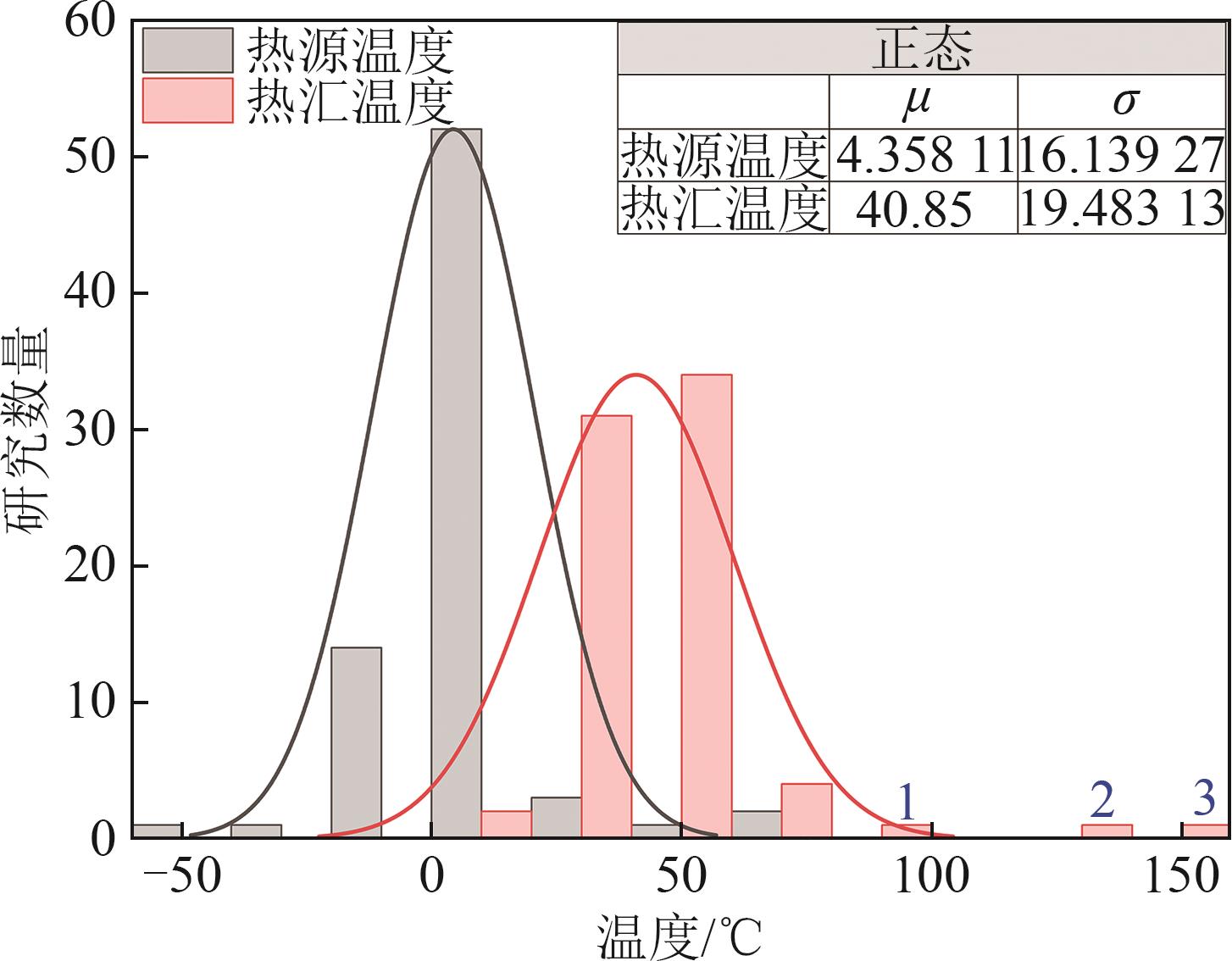
Fig. 10 Temperature distribution of heat source and heat sink in VCC subsystem
| [1] | 李家桐,谢宁,王承民,等.基于CHP机组碳排放分析的综合能源系统低碳调度优化方法[J].智慧电力,2024,52(6):31-37. |
| LI J T, XIE N, WANG C M,et al .Low-carbon dispatch optimization method for integrated energy system based on carbon emission analysis of CHP units[J].Smart Power,2024,52(6):31-37. | |
| [2] | 兰天楷,孙华东,王琦,等 .考虑分布式新能源的有源综合负荷模型[J].电工技术学报,2024,39(23):7365-7378. doi:10.1109/tpwrs.2023.3250648 |
| LAN T K, SUN H D, WANG Q,et al .Active synthesis load model considering distributed renewable energy source[J].Transactions of China Electrotechnical Society,2024,39(23):7365-7378. doi:10.1109/tpwrs.2023.3250648 | |
| [3] | 邵宜祥,刘剑,胡丽萍,等 .一种改进组合神经网络的超短期风速预测方法研究[J].发电技术,2024,45(2):323-330. |
| SHAO Y X, LIU J, HU L P,et al .Research on an ultra-short-term wind speed prediction method based on improved combined neural networks[J].Power Generation Technology,2024,45(2):323-330. | |
| [4] | 张海涛,李文娟,李雪峰,等 .基于变分模态分解和时间注意力机制TCN网络的光伏发电功率预测[J].电测与仪表,2024,61(12):156-163. |
| ZHANG H T, LI E J, LI X F,et al .Photovoltaic power forecasting based on TPA-TCN model and variational modal decomposition[J].Electrical Merasurement & Instrumentation,2024,61(12):156-163. | |
| [5] | XU Z Y, WANG R Z, YANG C .Perspectives for low-temperature waste heat recovery[J].Energy,2019,176:1037-1043. doi:10.1016/j.energy.2019.04.001 |
| [6] | HUR S, KIM S, KIM H S,et al .Low-grade waste heat recovery scenarios:pyroelectric,thermomagnetic,and thermogalvanic thermal energy harvesting[J].Nano Energy,2023,114:108596. doi:10.1016/j.nanoen.2023.108596 |
| [7] | YAN H Z, ZHANG C, SHAO Z,et al .The underestimated role of the heat pump in achieving China’s goal of carbon neutrality by 2060[J].Engineering,2023,23:13-18. doi:10.1016/j.eng.2022.08.015 |
| [8] | HAMID K, SAJJAD U, AHRENS M U,et al .Potential evaluation of integrated high temperature heat pumps: a review of recent advances[J].Applied Thermal Engineering,2023,230:120720. doi:10.1016/j.applthermaleng.2023.120720 |
| [9] | SEO J H, KANG S, KIM K,et al .Compact heat pipe heat exchanger for waste heat recovery within a low- temperature range[J].International Communications in Heat and Mass Transfer,2024,155:107550. doi:10.1016/j.icheatmasstransfer.2024.107550 |
| [10] | LI J, PENG X Y, YANG Z,et al .Design,improvements and applications of dual-pressure evaporation organic Rankine cycles:a review[J].Applied Energy,2022,311:118609. doi:10.1016/j.apenergy.2022.118609 |
| [11] | SILVA-ROMERO J C, BELMAN-FLORES J M, ACEVES S M .A review of small-scale vapor compression refrigeration technologies[J].Applied Sciences,2024,14(7):3069. doi:10.3390/app14073069 |
| [12] | GRUBER S, ROLA K, URBANCL D,et al .Recent advances in ejector-enhanced vapor compression heat pump and refrigeration systems-a review[J].Energies,2024,17(16):4043-4051. doi:10.3390/en17164043 |
| [13] | MOUNIER V, MENDOZA L C, SCHIFFMANN J. Thermo-economic optimization of an ORC driven heat pump based on small scale turbomachinery and comparison with absorption heat pumps[J]. International Journal of Refrigeration,2017,81:96-110. doi:10.1016/j.ijrefrig.2017.05.021 |
| [14] | ANEKE M, AGNEW B, UNDERWOOD C,et al. Thermodynamic analysis of alternative refrigeration cycles driven from waste heat in a food processing application[J].International Journal of Refrigeration,2012,35(5):1349-1358. doi:10.1016/j.ijrefrig.2012.04.008 |
| [15] | 王英洁 .低温余热驱动的有机朗肯耦合蒸汽压缩制冷循环系统性能模拟[D].大连:大连理工大学,2019. |
| WANG Y J .Performance analysis of organic Rankine cycle coupled with vapor compression refrigeration cycle system driven by low-grade waste heat[D]. Dalian:Dalian University of Technology,2019. | |
| [16] | 马国远,房磊,许树学,等 .不同工质有机朗肯-蒸汽压缩复合式热泵系统的能效特性比较[J].北京工业大学学报,2016,42(2):296-301. |
| MA G Y, FANG L, XU S X,et al .Comparison study of energy ratio of ORC compound with vapor compression heat pump system using different working fluid[J].Journal of Beijing University of Technology, 2016,42(2):296-301. | |
| [17] | ZHAR R, ALLOUHI A, GHODBANE M,et al. Parametric analysis and multi-objective optimization of a combined organic Rankine cycle and vapor compression cycle[J].Sustainable Energy Technologies and Assessments,2021,47:101401. doi:10.1016/j.seta.2021.101401 |
| [18] | 黄成达,马国远,许树学,等 .有机朗肯-蒸汽压缩复合式热泵系统性能研究[J].低温与超导,2017,45(1):74-79. |
| HUANG C D, MA G Y, XU S X,et al .Characteristic study on ORC-vapour compression compound heat pump system[J].Cryogenics and Superconductivity, 2017,45(1):74-79. | |
| [19] | ZHENG N, WEI J J, ZHAO L .Analysis of a solar Rankine cycle powered refrigerator with zeotropic mixtures[J].Solar Energy,2018,162:57-66. doi:10.1016/j.solener.2018.01.011 |
| [20] | PEKTEZEL O, ACAR H I .Energy and exergy analysis of combined organic Rankine cycle-single and dual evaporator vapor compression refrigeration cycle[J].Applied Sciences,2019,9(23):5028-5035. doi:10.3390/app9235028 |
| [21] | WANG Z Q, ZHOU Q Y, XIA X X,et al .Performance comparison and analysis of a combined power and cooling system based on organic Rankine cycle[J].Journal of Central South University,2017,24:353-359. doi:10.1007/s11771-017-3437-5 |
| [22] | SHERWANI A F .Thermodynamic analysis of hybrid heat source driven organic Rankine cycle integrated flash tank vapor-compression refrigeration system[J].International Journal of Refrigeration,2021,129:267-277. doi:10.1016/j.ijrefrig.2021.05.006 |
| [23] | SALIM M S, KIM M H .Multi-objective thermos- economic optimization of a combined organic Rankine cycle and vapour compression refrigeration cycle[J].Energy Conversion and Management,2019,199:112054. doi:10.1016/j.enconman.2019.112054 |
| [24] | 张霞玲,张美琼,王燕,等 .法律法规引导下制冷剂的替代趋势[J].润滑油,2019,34(3):1-6. |
| ZHANG X L, ZHANG M Q, WANG Y,et al .The alternative trend of refrigerant guided by laws and regulations[J].Lubricating Oil,2019,34(3):1-6. | |
| [25] | MCLINDEN M O, HUBER M L .Evolution of refrigerants[J].Journal of Chemical & Engineering Data,2020,65(9):4176-4193. doi:10.1021/acs.jced.0c00338 |
| [26] | 黄志华 .制冷剂的可持续发展与未来[J].冷藏技术,2020,43(4):1-5. |
| HUANG Z H .Sustainable development and future of refrigerants[J].Journal of Refrigeration Technology,2020,43(4):1-5. | |
| [27] | PRIGMORE D, BARBER R .Cooling with the sun’s heat design considerations and test data for a Rankine cycle prototype[J].Solar Energy,1975,17(3):185-192. doi:10.1016/0038-092x(75)90058-4 |
| [28] | GRAUBERGER A, YOUNG D, BANDHAUER T. Off-design performance of an organic Rankine-vapor compression cooling cycle using R1234ze(E)[J]. Applied Energy,2022,321:119421. doi:10.1016/j.apenergy.2022.119421 |
| [29] | AKTEMUR C, HACIPASAOGLU G .Assessment of an integrated organic Rankine cycle (ORC)-vapor compression refrigeration (VCR) system using the energy, conventional exergy,and advanced exergy analysis[J].Heat Transfer Research,2021,52(15):168-175. doi:10.1615/heattransres.2021037536 |
| [30] | BAO J J, ZHANG L, SONG C X,et al .Comparative study of combined organic Rankine cycle and vapor compression cycle for refrigeration:Single fluid or dual fluid[J].Sustainable Energy Technologies and Assessments,2020,37:100595. doi:10.1016/j.seta.2019.100595 |
| [31] | TABAN D, APOSTOL V, GROSU L,et al. Exergoeconomic analysis of a mechanical compression refrigeration unit run by an ORC[J].Entropy,2023,25(11):1531-1539. doi:10.3390/e25111531 |
| [32] | NASIR M T, EKWONU M C, ESFAHANI J A,et al. Integrated vapor compression chiller with bottoming organic Rankine cycle and onsite low-grade renewable energy[J].Energies,2021,14(19):6401-6410. doi:10.3390/en14196401 |
| [33] | LI T L, WANG J Y, JIN F Y,et al .Techno- economic and environmental performance of a novel poly-generation system under different energy-supply scenarios and temperature and humidity independent control[J].Case Studies in Thermal Engineering,2023,50:103447. doi:10.1016/j.csite.2023.103447 |
| [34] | ASHWNI G, SHERWANI A F, TIWARI D,et al. Sensitivity analysis and multi-objective optimization of organic Rankine cycle integrated with vapor compression refrigeration system[J].Energy Sources, Part A:Recovery,Utilization,and Environmental Effects,2021:1-13. doi:10.1016/j.ijrefrig.2021.02.005 |
| [35] | SHERWANI A F .Analysis of solar energy driven organic Rankine cycle-vapor compression refrigeration system[J].Thermal Science and Engineering Progress,2022,35:101477. doi:10.1016/j.tsep.2022.101477 |
| [36] | LI T L, LI X L, GAO H Y,et al .Thermodynamic performance of geothermal energy cascade utilization for combined heating and power based on organic Rankine cycle and vapor compression cycle [J]. Energies,2022,15(19):7294-7302. doi:10.3390/en15197294 |
| [37] | XIA X X, LIU Z P, WANG Z Q,et al .Multi-layer performance optimization based on operation parameter-working fluid-heat source for the ORC-VCR system[J].Energy,2023,272:127103. doi:10.1016/j.energy.2023.127103 |
| [38] | SALEH B, ALY A A, ALOGLA A F,et al .Performance investigation of organic Rankine-vapor compression refrigeration integrated system activated by renewable energy[J].Mechanics & Industry,2019,20(2):206-214. doi:10.1051/meca/2019023 |
| [39] | ARPAGAUS C, BLESS F, UHLMANN M,et al .High temperature heat pumps:market overview,state of the art,research status,refrigerants,and application potentials[J].Energy,2018,152:985-1010. doi:10.1016/j.energy.2018.03.166 |
| [40] | DEVOTTA S, PENDYALA V R .Thermodynamic screening of some HFCs and HFEs for high-temperature heat pumps as alternatives to CFC114[J].International Journal of Refrigeration,1994,17(5):338-342. doi:10.1016/0140-7007(94)90064-7 |
| [41] | 董益秀,王如竹 .高温热泵的循环,工质研究及应用展望[J].化工学报,2023,74(1):133-144. |
| DONG Y X, WANG R Z .High temperature heat pump:cycle configurations,working fluids and application potentials[J].CIESC Journal,2023,74(1):133-144. | |
| [42] | KHATOON S, ALMEFREJI N M A, KIM M H .Thermodynamic study of a combined power and refrigeration system for low-grade heat energy source[J].Energies,2021,14(2):410-419. doi:10.3390/en14020410 |
| [43] | 李健,杨震,段远源 .中低温热能驱动的非共沸工质有机Rankine循环[J].清华大学学报(自然科学版),2022,62(4):693-703. |
| LI J, YANG Z, DUAN Y Y .Organic Rankine cycles using zeotropic mixtures driven by low-to-medium temperature thermal energy[J].Journal of Tsinghua University (Science and Technology),2022,62(4):693-703. | |
| [44] | MIAO Z, ZHANG K, WANG M X,et al. Thermodynamic selection criteria of zeotropic mixtures for subcritical organic Rankine cycle[J].Energy,2019,167:484-497. doi:10.1016/j.energy.2018.11.002 |
| [45] | XIA X X, ZHANG H L, WANG Z Q,et al. Performance comparison of two ORC-VCR system configurations using pure/mixture working fluids based on multi-objective optimization[J].Applied Thermal Engineering,2024,255:124027. doi:10.1016/j.applthermaleng.2024.124027 |
| [46] | 黄仁龙,钟天明,王亚阁 .组分调控非共沸有机朗肯循环研究进展[J].新能源进展,2023,11(3):273-279. |
| HUANG R L, ZHONG T M, WANG Y G .Research progress of composition-adjustable zeotropic organic Rankine cycle[J].Advances in New and Renewable Energy,2023,11(3):273-279. | |
| [47] | GOYAL A, RAWAT P, SHERWANI A F,et al .Advanced exergy,economic,and environmental evaluation of an organic Rankine cycle driven dual evaporators vapor-compression refrigeration system using organic fluids[J].International Journal of Refrige ration,2023,150:170-184. doi:10.1016/j.ijrefrig.2023.02.002 |
| [48] | KARELLAS S, BRAIMAKIS K .Energy-exergy analysis and economic investigation of a cogeneration and trigeneration ORC-VCC hybrid system utilizing biomass fuel and solar power[J].Energy Conversion and Management,2016,107:103-113. doi:10.1016/j.enconman.2015.06.080 |
| [49] | YUE C, TONG L, ZHANG S .Thermal and economic analysis on vehicle energy supplying system based on waste heat recovery organic Rankine cycle[J].Applied Energy,2019,248:241-255. doi:10.1016/j.apenergy.2019.04.081 |
| [50] | ZHOU X, ZHANG H, RONG Y,et al .Comparative study for air compression heat recovery based on organic Rankine cycle (ORC) in cryogenic air separation units[J].Energy,2022,255:124514. doi:10.1016/j.energy.2022.124514 |
| [51] | YUE C, YOU F Q, HUANG Y .Thermal and economic analysis of an energy system of an ORC coupled with vehicle air conditioning[J].International Journal of Refrigeration,2016,64:152-167. doi:10.1016/j.ijrefrig.2016.01.005 |
| [52] | BELLOS E, TZIVANIDIS C .Parametric analysis of a solar-driven trigeneration system with an organic Rankine cycle and a vapor compression cycle[J].Energy and Built Environment,2021,2(3):278-289. doi:10.1016/j.enbenv.2020.08.004 |
| [53] | SHERWANI A F, TIWARI D .Exergy,economic and environmental analysis of organic Rankine cycle based vapor compression refrigeration system[J].International Journal of Refrigeration,2021,126:259-271. doi:10.1016/j.ijrefrig.2021.02.005 |
| [54] | SONG J, OLYMPIOS A, MERSCH M,et al .Integrated organic rankine cycle (ORC) and heat pump (HP) systems for domestic heating[C]//34th International Conference on Efficiency,Costs,Optimization,Simulation and Environmental Impact of Energy Systems (ECOS 2021).Taormina,Italy:IEEE,2021:1280-1291. doi:10.52202/062738-0143 |
| [55] | ALSHAMMARI S, KADAM S T, YU Z .Assessment of single rotor expander-compressor device in combined organic Rankine cycle (ORC) and vapor compression refrigeration cycle (VCR)[J].Energy,2023,282:128763. doi:10.1016/j.energy.2023.128763 |
| [56] | KIM M H .Energy and exergy analysis of solar organic Rankine cycle coupled with vapor compression refrigeration cycle[J].Energies,2022,15(15):5603. doi:10.3390/en15155603 |
| [57] | HU B, GUO J J, YANG Y,et al .Performance analysis and working fluid selection of organic Rankine steam compression air conditioning driven by ship waste heat[J].Energy Reports,2022,8:194-202. doi:10.1016/j.egyr.2022.01.094 |
| [58] | NASIR M T, EKWONU M C, PARK Y,et al. Assessment of a district trigeneration biomass powered double organic Rankine cycle as primed mover and supported cooling[J].Energies,2021,14(4):1-24. doi:10.3390/en14041030 |
| [59] | MEIBODI S S, LOVERIDGE F .The future role of energy geostructures in fifth generation district heating and cooling networks[J].Energy,2022,240:122481. doi:10.1016/j.energy.2021.122481 |
| [60] | KUTLU C, ERDINC M T, LI J,et al .A study on heat storage sizing and flow control for a domestic scale solar-powered organic Rankine cycle-vapour compression refrigeration system[J].Renewable Energy,2019,143:301-312. doi:10.1016/j.renene.2019.05.017 |
| [61] | 张留淦,周颖驰,孙文兵,等 .利用 ORC-VCR 回收压缩热的预冷式 CAES 系统性能分析[J].储能科学与技术,2024,13(2):611-618. |
| ZHANG L G, ZHOU Y C, SUN W B,et al. Performance analysis of pre-cooled CAES system driven by low-temperature waste heat using ORC-VCR to recover compression heat[J].Energy Storage Science and Technology,2024,13(2):611-618. | |
| [62] | TAUSEEF NASIR M, EKWONU M C, PARK Y,et al. Assessment of a district trigeneration biomass powered double organic Rankine cycle as primed mover and supported cooling[J].Energies,2021,14(4):1030-1037. doi:10.3390/en14041030 |
| [63] | MENG N, LI T, WANG J,et al .Synergetic cascade-evaporation mechanism of a novel building distributed energy supply system with cogeneration and temperature and humidity independent control characteristics[J].Energy Conversion and Management,2020,209:112620. doi:10.1016/j.enconman.2020.112620 |
| [64] | CHEN L, YUE H, WANG J,et al .Thermodynamic analysis of a hybrid energy system coupling solar organic Rankine cycle and ground source heat pump: Exploring heat cascade utilization[J].Energy,2023,284:129228. doi:10.1016/j.energy.2023.129228 |
| [65] | ZHOU X, RONG Y, FANG S,et al .Thermodynamic analysis of an organic Rankine-vapor compression cycle (ORVC) assisted air compression system for cryogenic air separation units[J].Applied Thermal Engineering,2021,189:116678. doi:10.1016/j.applthermaleng.2021.116678 |
| [66] | KAŞKA Ö, YILMAZ C,BOR O,et al .The performance assessment of a combined organic Rankine-vapor compression refrigeration cycle aided hydrogen liquefaction[J].International Journal of Hydrogen Energy,2018,43(44):20192-20202. doi:10.1016/j.ijhydene.2018.07.092 |
| [67] | MOHAMMED R H, IBRAHIM M M, ABU-HEIBA A. Exergoeconomic and multi-objective optimization analyses of an organic Rankine cycle integrated with multi-effect desalination for electricity,cooling,heating power,and freshwater production[J].Energy Conversion and Management,2021,231:113826. doi:10.1016/j.enconman.2021.113826 |
| [68] | NELLISSEN P, WOLF S .Heat pumps in non-domestic applications in Europe:potential for an energy revolution[J].Emerson Climate Technologies,2015,56:356-361. |
| [1] | Shimeng LU, Jianlin SUN, Fanjie ZENG, Xiaojie LIN, Junzhan WU, Tianyi MA, Wei ZHONG, Likun XIE, Wei XIE. Research Progress on Comprehensive Utilization Technologies of Zero-Carbon Geothermal Energy [J]. Power Generation Technology, 2025, 46(5): 909-922. |
| [2] | Xiao LONG, Jinbin ZHANG, Lingte CHEN. Prospects for Future Energy Technologies [J]. Power Generation Technology, 2025, 46(4): 651-693. |
| [3] | Zonglong LUO, Shilin LIU. Optimal Operation of Residential Microgrids Based on a Robust Model Using Information Gap Decision Theory [J]. Power Generation Technology, 2025, 46(4): 705-714. |
| [4] | Jie WANG, Lijun XU, Xiaozhu LI, Xiaochao FAN, GULIZHATI∙Hailati, Weiqing WANG. Coordinated Optimization of Intelligent Soft Open Points and Multiple Types of Shared Energy Storage in Distribution Networks Considering Flexibility Deficiency Risk [J]. Power Generation Technology, 2025, 46(4): 758-767. |
| [5] | Mingwei REN, Cong SHAO, Kai SHI, Peifeng XU, Yuxin SUN. Dynamic Power Decoupling Control of Virtual Synchronous Generator Based on Improved Virtual Impedance [J]. Power Generation Technology, 2025, 46(4): 797-806. |
| [6] | Jun ZHANG, Tianjiao PU, Wenzhong GAO, Youbo LIU, Wei PEI, Peidong XU, Tianlu GAO, Yuyang BAI. Key Technologies and Application Prospects of Intelligent Computing in Power Systems [J]. Power Generation Technology, 2025, 46(3): 421-437. |
| [7] | Zuhan ZHANG, Dunnan LIU, Hang FAN, Liuqing YANG, Yunjie DUAN, Yun LI, Zhenyu MA. Review of Power System Prediction Technologies Based on Large Language Models [J]. Power Generation Technology, 2025, 46(3): 438-453. |
| [8] | Bo YANG, Zijian ZHANG. Analysis of Key Technologies and Development Prospects for Renewable Energy-Powered Water Electrolysis for Hydrogen Production Based on Artificial Intelligence [J]. Power Generation Technology, 2025, 46(3): 482-495. |
| [9] | Sucheng LIU, Li LUAN, Long LI, Tao HONG, Xiaodong LIU. Research on Large-Signal Stability Assessment Methods of DC Microgrids Based on Artificial Intelligence [J]. Power Generation Technology, 2025, 46(3): 496-507. |
| [10] | Yicai WANG, Xin YU, Dunxi YU. Research Progress on Utilization of Arundo Donax L. Combustion [J]. Power Generation Technology, 2025, 46(3): 570-578. |
| [11] | Langbo HOU, Hao SUN, Heng CHEN, Yue GAO. Optimization Scheduling of Integrated Energy Systems in Communities Based on Demand Response and Stackelberg Game [J]. Power Generation Technology, 2025, 46(2): 219-230. |
| [12] | Kui WANG, Meng YU, Haijing ZHANG, Yan LI, Zhe LIU, Junhong GUO. Multi-Time Scale Optimization Strategy for New Distribution System Oriented to Photovoltaic Consumption and Low Carbon Demand Response of Ice Storage Air Conditioning Groups [J]. Power Generation Technology, 2025, 46(2): 284-295. |
| [13] | Lidong ZHANG, Zhixiang YANG, Wenfeng LI, Jiangzhe FENG, Bo ZHANG, Huaihui REN, Zhe CHEN, Zhaoxin WANG. Numerical Simulation Study on Effect of Deflectors on Aerodynamic Characteristics of Horizontal Axis Wind Turbines [J]. Power Generation Technology, 2025, 46(2): 336-343. |
| [14] | Jilin LEI, Linxing YU, Yu BIE, Zhibo XU, Yuhan XIAO. Review of Energy Management Systems for Islanded Microgrids [J]. Power Generation Technology, 2025, 46(2): 370-385. |
| [15] | Shanying HU, Yong JIN, Zhenye ZHANG. Developing New Quality Productive Forces to Achieve Carbon Neutrality [J]. Power Generation Technology, 2025, 46(1): 1-8. |
| Viewed | ||||||
|
Full text |
|
|||||
|
Abstract |
|
|||||
