

Power Generation Technology ›› 2025, Vol. 46 ›› Issue (6): 1133-1143.DOI: 10.12096/j.2096-4528.pgt.25195
• Energy Storage • Previous Articles
Feng CHEN1,2, Xiaomin LU3, Bing SHEN4, Junpeng WANG2
Received:2025-04-29
Revised:2025-06-06
Published:2025-12-31
Online:2025-12-25
Supported by:CLC Number:
Feng CHEN, Xiaomin LU, Bing SHEN, Junpeng WANG. Bi-Level Planning Model for Distributed Energy Storage Based on Accommodation-Supply Security Game[J]. Power Generation Technology, 2025, 46(6): 1133-1143.
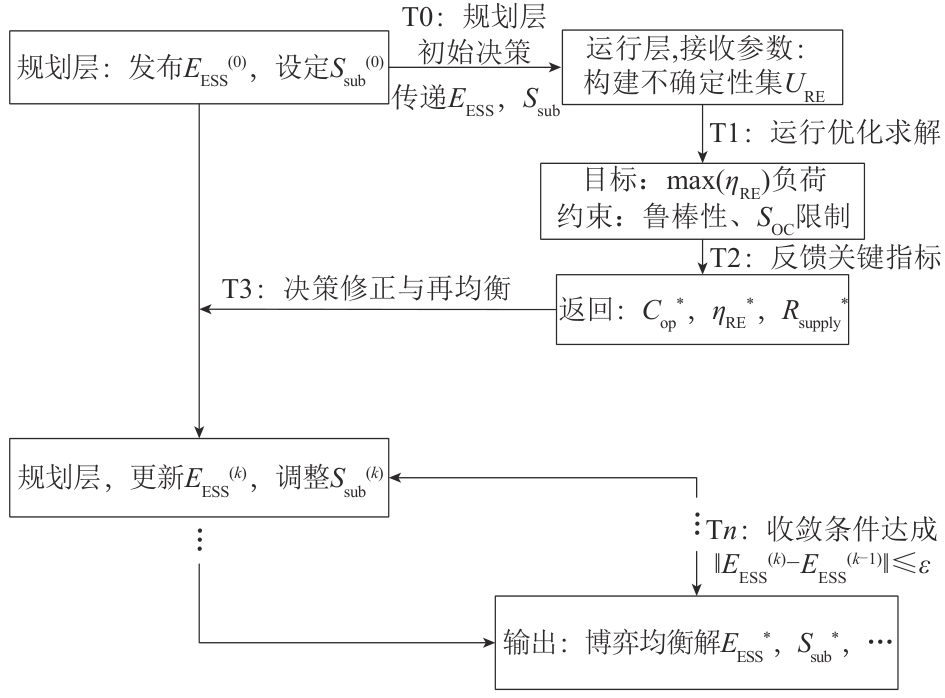
Fig. 1 Dynamic process of “prioritized planning-operation response”
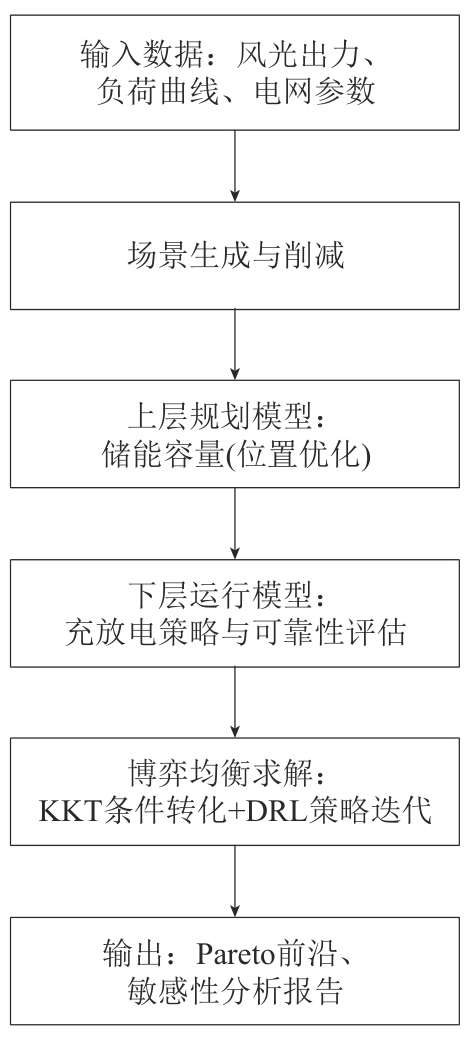
Fig. 2 Flowchart of model construction and solution algorithm
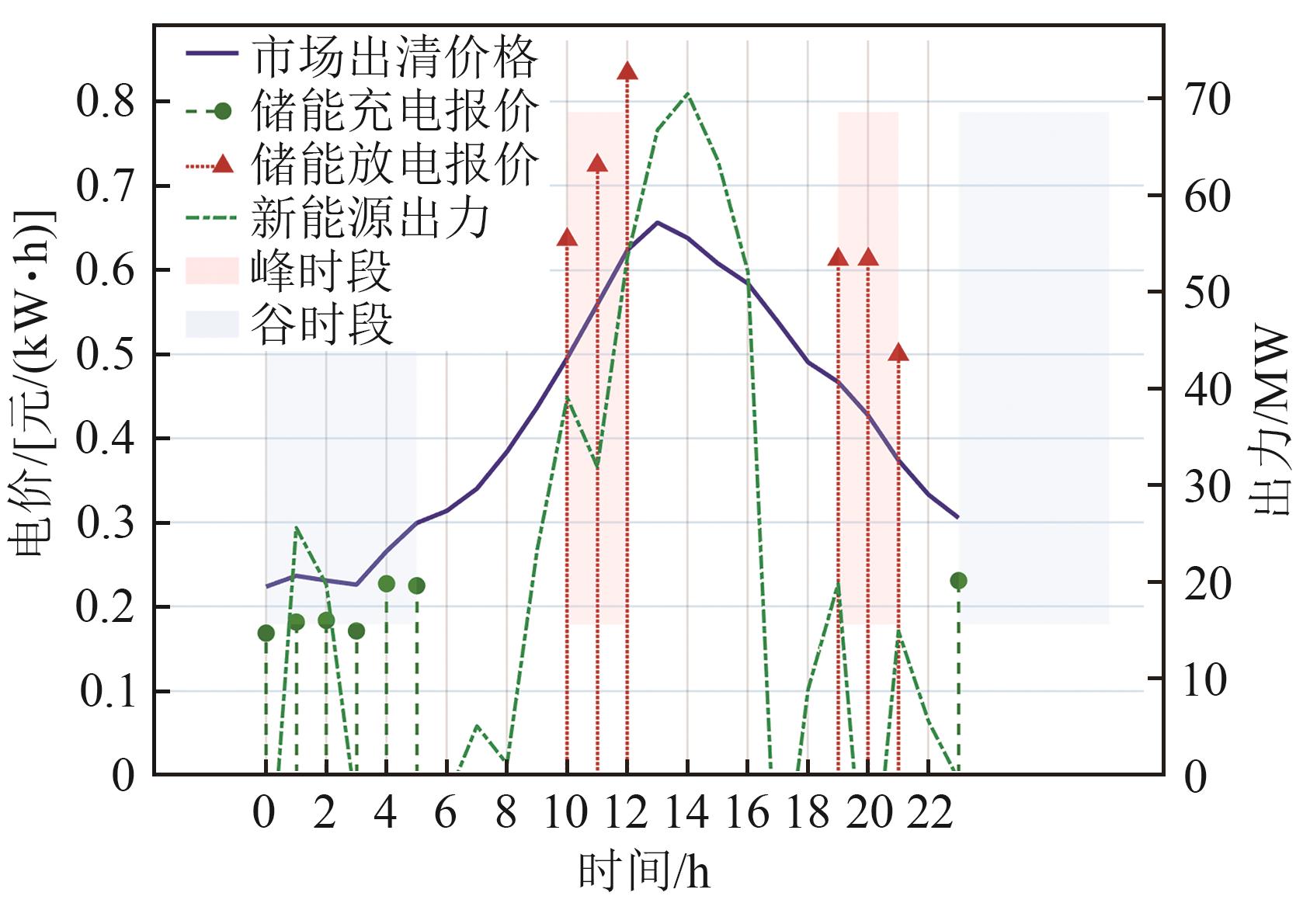
Fig. 3 Time-series comparison between market clearing price and energy storage bidding price
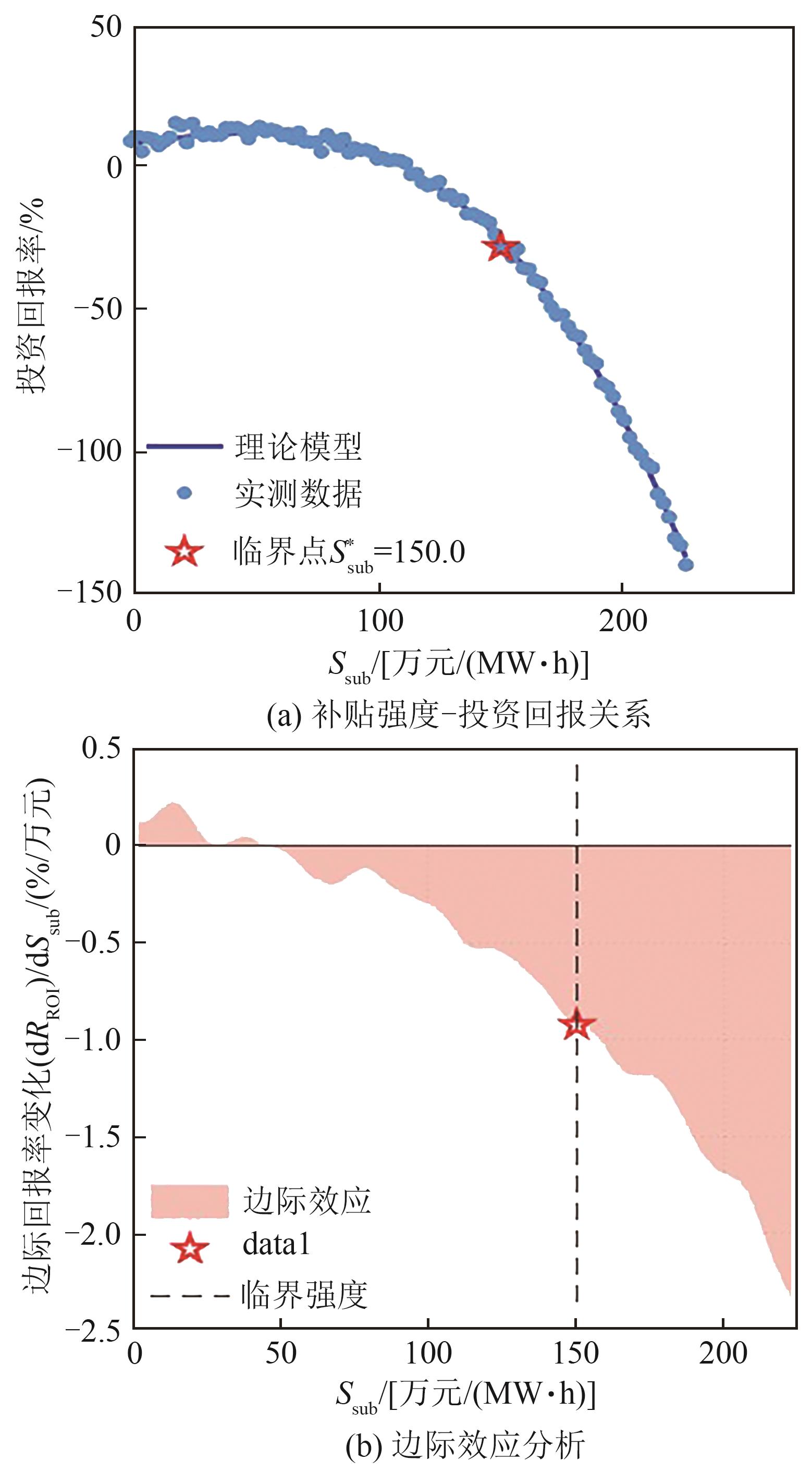
Fig. 4 Logistic curve of subsidy intensity and return on investment
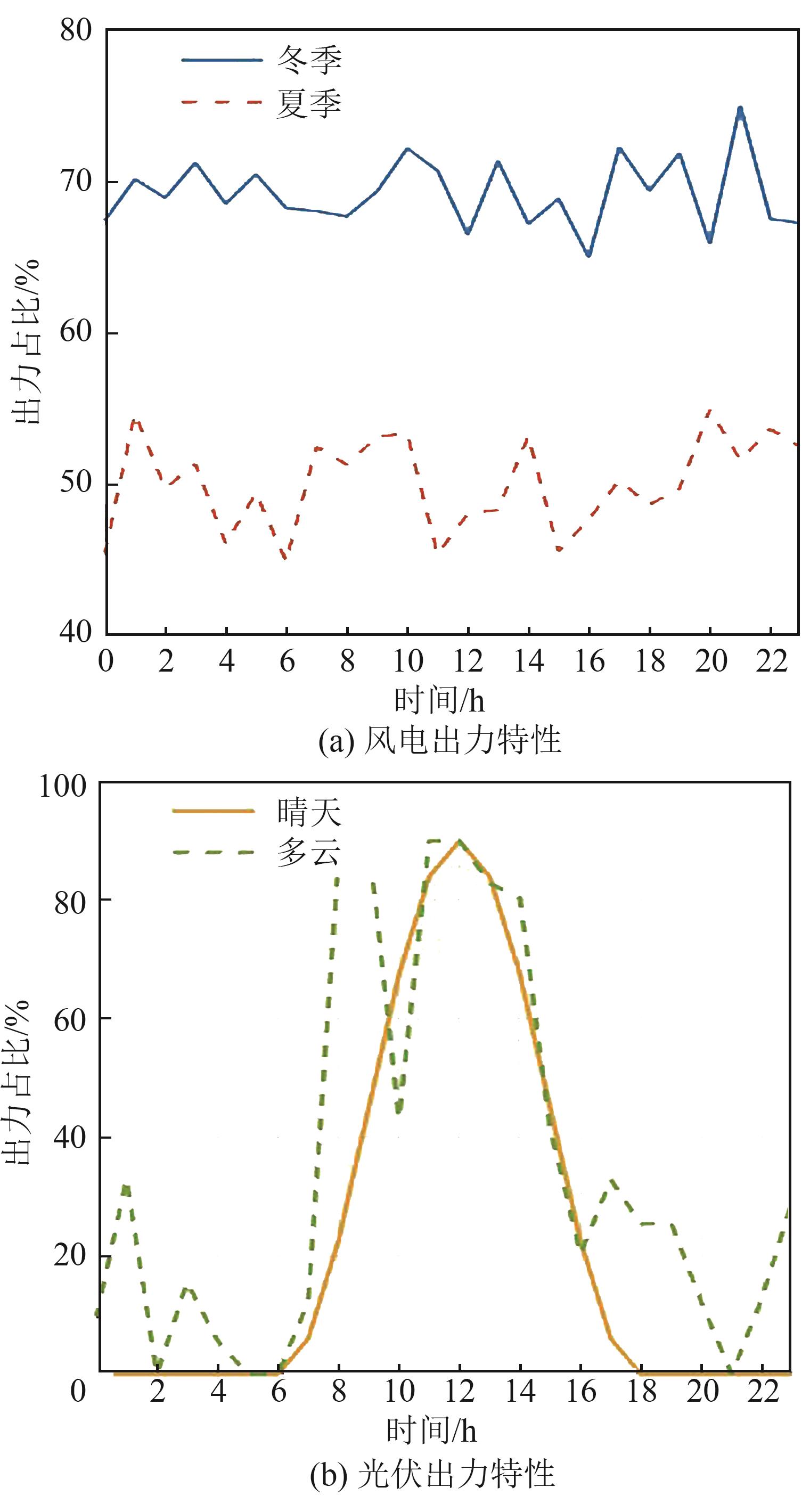
Fig. 5 Output characteristic curves of wind and solar power
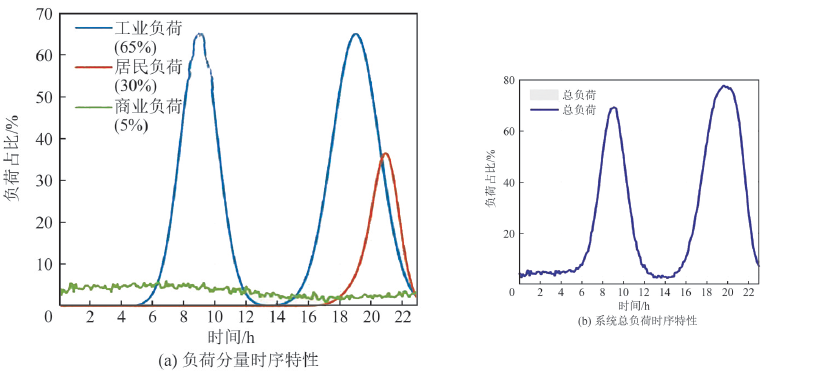
Fig. 6 Load time-series characteristic curves
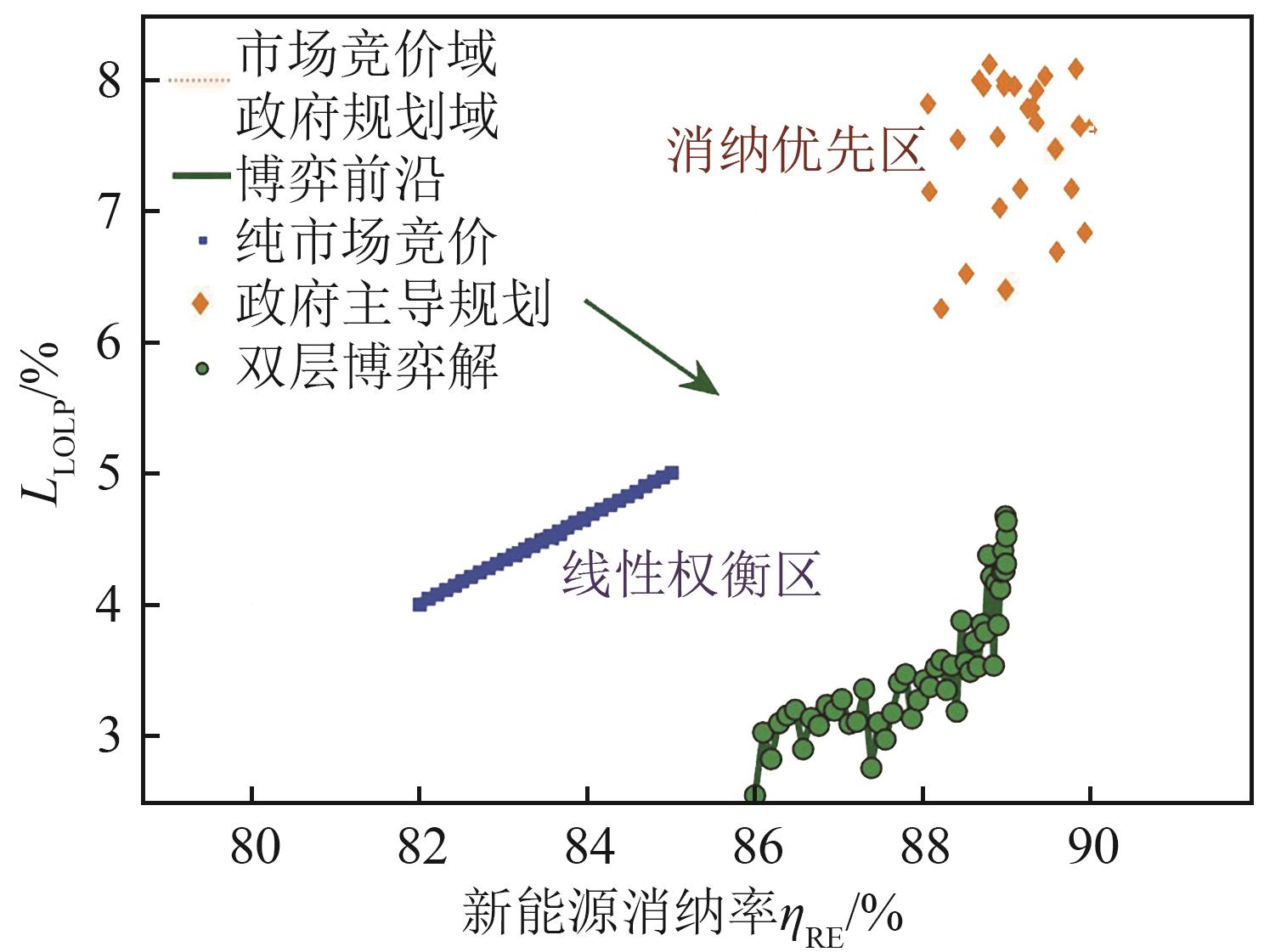
Fig. 7 Trade-off curves of accommodation rate and reliability under different game strategies
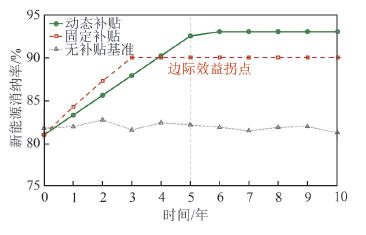
Fig. 8 Differences in effectiveness between dynamic mechanisms and conventional subsidies
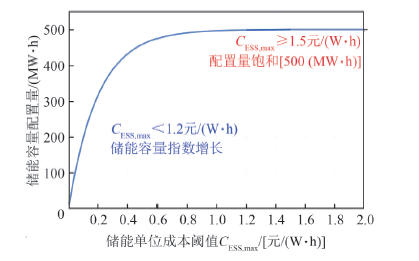
Fig. 9 Sensitivity range of CESS, max
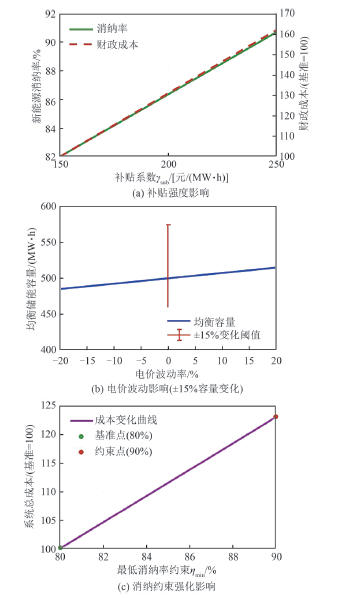
Fig. 10 Influence of policy parameter variations on game equilibrium
| [1] | 邬东格,常馨月,薛屹洵,等 .基于动态碳熵的主动配电网低碳能量管理策略[J/OL].上海交通大学学报,2025:1-20. . |
| WU D G, CHANG X Y, XUE Y X,et al .Low-carbon energy management strategy for active distribution networks based on dynamic carbon entropy[J/OL].Journal of Shanghai Jiao Tong University,2025:1-20. . | |
| [2] | 黄兴华,范元亮,张功林,等.含分布式光伏中低压配电网多时间尺度协同无功优化策略[J].智慧电力,2024,52(11):8-15. |
| HUANG X H, FAN Y L, ZHANG G L,et al .Multi-time scale collaborative reactive power optimization strategy for medium and low voltage distribution networks with PV[J].Smart Power,2024,52(11):8-15. | |
| [3] | 佟曦,侯朗博,孙昊,等.高比例光伏和电动汽车接入配电网的无功优化[J].智慧电力,2023,51(10):31-37. |
| TONG X, HOU L B, SUN H,et al .Reactive power optimization of distribution networks with high proportion of PV and EVs[J].Smart Power,2023,51(10):31-37. | |
| [4] | 李明扬,张智.基于强化学习的含分布式风-光-储虚拟电厂优化调度[J].智慧电力,2024,52(8):50-56. |
| LI M Y, ZHANG Z .Optimal dispatch of distributed wind-solar-storage virtual power plants based on reinforcement learning[J].Smart Power,2024,52(8):50-56. | |
| [5] | 王朋,张迪,张勇军,等 .新型电力系统数智化关键技术应用研究与展望[J].电力系统保护与控制,2025,53(6):175-187. |
| WANG P, ZHANG D, ZHANG Y J,et al .Research and prospects for key digital-intelligent technology applications in new power systems[J].Power System Protection and Control,2025,53(6):175-187. | |
| [6] | 单思珂,刘含笑,刘美玲,等 .我国火电行业碳足迹评估综述[J].发电技术,2024,45(4):575-589. |
| SHAN S K, LIU H X, LIU M L,et al .Review of carbon footprint for thermal power industry in China[J].Power Generation Technology,2024,45(4):575-589. | |
| [7] | 王辉,梁凌,李乃慧,等 .考虑交通流量预测的光-氢-电耦合系统规划[J].现代电力,2024,41(6):1100-1108. |
| WANG H, LIANG L, LI N H,et al .Photovoltaics-hydrogen-electricity coupling system planning considering traffic flow prediction[J].Modern Electric Power,2024,41(6):1100-1108. | |
| [8] | 郭晓雅,郑李西,李庚达,等 .大型水光互补电站的光伏捆绑容量规划[J].中国农村水利水电,2023(12):273-279. |
| GUO X Y, ZHENG L X, LI G D,et al .Optimal sizing of photovoltaic power generation for integration into a large hydropower plant[J].China Rural Water and Hydropower,2023(12):273-279. | |
| [9] | 余本东,樊苗苗,颜承初 .基于运维视角的低碳建筑实现路径及关键技术[J].南京工业大学学报(自然科学版),2023,45(5):467-477. |
| YU B D, FAN M M, YAN C C .Low-carbon implementation path and key technologies based on building operation and maintenance perspective[J].Journal of Nanjing Tech University (Natural Science Edition),2023,45(5):467-477. | |
| [10] | 郝俊红,郭俣,王星策,等 .有限信息下典型用能行业能效碳效诊断研究进展[J].中国电机工程学报,2023,43(S1):174-197. |
| HAO J H, GUO Y, WANG X C,et al .Research progress on energy efficiency and carbon efficiency diagnosis of typical energy-using industries under limited information[J].Proceedings of the CSEE,2023,43(S1):174-197. | |
| [11] | 李军徽,董福财,郭琦,等 .考虑调峰特性的抽水蓄能电站综合效能量化评估[J].全球能源互联网,2024,7(5):567-578. |
| LI J H, DONG F C, GUO Q,et al .Quantitative assessment of the integrated efficiency of pumped storage power stations considering peak shifting characteristics[J].Journal of Global Energy Interconnection,2024,7(5):567-578. | |
| [12] | 张贝贝 .基于Simulink的集中型馈线自动化控制策略仿真系统设计[J].东北电力技术,2024,45(9):41-45. |
| ZHANG B B .Design of centralized feeder automation control strategy simulation system based on Simulink[J].Northeast Electric Power Technology,2024,45(9):41-45. | |
| [13] | 杨馥源,田雪沁,余潜跃,等 .面向电网互动的绿电转氨单元变工况特性和互动能力评估研究[J].中国电机工程学报,2024,44(S1):180-190. |
| YANG F Y, TIAN X Q, YU Q Y,et al .Study on off-design characteristics and interactive capability evaluation of green power to ammonia conversion unit for power grid interaction[J].Proceedings of the CSEE,2024,44(S1):180-190. | |
| [14] | 易俊,孙浩然,林伟芳,等 .电力系统碳排放核算标准对比分析[J].电网技术,2025,49(3):920-933. |
| YI J, SUN H R, LIN W F,et al .Comparative analysis of carbon emission accounting standards for power systems[J].Power System Technology,2025,49(3):920-933. | |
| [15] | 董军,章静,张瑞松,等 .“双碳” 战略背景下不锈钢复合钢板结构减碳前景分析[J].南京工业大学学报(自然科学版),2024,46(4):378-386. |
| DONG J, ZHANG J, ZHANG R S,et al .Analysis of carbon emission reduction prospects for stainless-clad bimetallic steel structures under the carbon peak and carbon neutrality goals[J].Journal of Nanjing Tech University (Natural Science Edition),2024,46(4):378-386. | |
| [16] | 辛曦,欧阳森,黄祎,等 .考虑储能容量衰减的多保供电型微网最优经济配置及可靠性评估[J].电力建设,2024,45(10):100-113. |
| XIN X, OUYANG S, HUANG Y,et al .Optimal economic configuration and reliability evaluation of multiple power supply ensuring microgrid considering energy storage capacity attenuation[J].Electric Power Construction,2024,45(10):100-113. | |
| [17] | 朱润泽,王德军,张佑,等 .数字化转型下新能源场站智能管控平台研建[J].科技和产业,2023,23(15):203-210. |
| ZHU R Z, WANG D J, ZHANG Y,et al .Research on the construction of intelligent monitoring platform for new energy stations under digital transformation[J].Science Technology and Industry,2023,23(15):203-210. | |
| [18] | 李雅丹,邓大为,吴振田,等 .新型电力系统生产设备智能化管理平台建设关键技术与应用[J].全球能源互联网,2023,6(4):437-444. |
| LI Y D, DENG D W, WU Z T,et al .Key technologies and applications of intelligent management platform construction for production equipment in new power system[J].Journal of Global Energy Interconnection,2023,6(4):437-444. | |
| [19] | 魏震波,李银江,张雯雯,等 .基于改进Myerson值法的云储能双层优化运营模型[J].中国电力,2023,56(7):198-206. |
| WEI Z B, LI Y J, ZHANG W W,et al .Two-layer optimization operation model of cloud energy storage based on improved myerson value method[J].Electric Power,2023,56(7):198-206. | |
| [20] | 张晓瑞,纪陵,范仲鸣 .基于云边融合的新一代配电物联运维技术研究[J].综合智慧能源,2022,44(12):25-32. |
| ZHANG X R, JI L, FAN Z M .Research on the new power distribution IoT operation and maintenance technology based on cloud-edge collaboration[J].Integrated Intelligent Energy,2022,44(12):25-32. | |
| [21] | 张冲,荣娜 .基于改进粒子群算法的新能源侧储能容量配置[J].电网与清洁能源,2022,38(10):98-105. |
| ZHANG C, RONG N .Energy storage capacity allocation of renewable energy side based on improved particle swarm optimization[J].Power System and Clean Energy,2022,38(10):98-105. | |
| [22] | 马钊,张恒旭,赵浩然,等 .双碳目标下配用电系统的新使命和新挑战[J].中国电机工程学报,2022,42(19):6931-6945. |
| MA Z, ZHANG H X, ZHAO H R,et al .New mission and challenge of power distribution and consumption system under dual-carbon target[J].Proceedings of the CSEE,2022,42(19):6931-6945. | |
| [23] | 肖伟栋,刘耀,蒋纯冰,等 .面向源荷互动的建筑-电网数据共享现状与展望[J].暖通空调,2023,53(12):76-85. |
| XIAO W D, LIU Y, JIANG C B,et al .Current status and prospects of data sharing between buildings and power grids for source-load interaction[J].Heating Ventilating & Air Conditioning,2023,53(12):76-85. | |
| [24] | 许丹莉,朱文,彭超逸,等 .基于云边协同的虚拟电厂调度系统设计[J].电力信息与通信技术,2023,21(7):44-50. |
| XU D L, ZHU W, PENG C Y,et al .Design of cloud edge collaborative dispatching system for virtual power plant[J].Electric Power Information and Communication Technology,2023,21(7):44-50. | |
| [25] | 陈曦,司恒斌,张良,等 .基于图神经网络的电-热联合能源系统优化调度研究[J].智慧电力,2023,51(7):67-73. |
| CHEN X, SI H B, ZHANG L,et al .Optimal scheduling of electricity-thermal combined energy system based on graph neural network[J].Smart Power,2023,51(7):67-73. | |
| [26] | 栗峰,丁杰,周才期,等 .新型电力系统下分布式光伏规模化并网运行关键技术探讨[J].电网技术,2024,48(1):184-199. |
| LI F, DING J, ZHOU C Q,et al .Key technologies of large-scale grid-connected operation of distributed photovoltaic under new-type power system[J].Power System Technology,2024,48(1):184-199. |
| [1] | Zhong LIU, Yanming HUANG, Guangming ZHU, Shuyun ZOU. Optimal Capacity Configuration Method for Multi-Microgrid System Utilizing Wind-Solar-Electric-Hydrogen Hybrid Energy Storage [J]. Power Generation Technology, 2025, 46(2): 240-251. |
| [2] | Yan WANG, Xiuyuan YANG, Jianfeng XU, Siqi BU, Zhiqiang XU. Control Strategy of Civil Controllable Load Participating in Demand Response [J]. Power Generation Technology, 2020, 41(6): 638-649. |
| [3] | Zhe MI,Jinfang ZHANG,Jun LIU,Qiuli ZHAO,Fuqiang ZHANG. Decomposition Algorithm of Source-grid-load Contribution for Promoting Renewable Energy Accommodation [J]. Power Generation Technology, 2019, 40(6): 509-515. |
| Viewed | ||||||
|
Full text |
|
|||||
|
Abstract |
|
|||||
