碳达峰、碳中和背景下“十四五”时期发电技术趋势分析
1
2022
... 在我国能源结构调整和“双碳”目标推进背景下,核电已成为能源转型的重要力量[1-5].然而,约66%的核反应堆热能以温排水形式排入海洋,造成热污染并威胁海洋生态安全.党的十九届四中全会提出“实行最严格的生态环境保护制度”;2019年生态环境部发布的《核动力厂取排水环境影响评价指南(试行)》规范了温排水影响评价及工程设计;2023年出台的《温排水节约集约用海标准》进一步明确了降低排海热负荷的具体要求.这些政策措施凸显出开发低品位余热利用技术、提升核电经济性与环保水平的紧迫性与必要性. ...
Analysis of power generation technology trend in 14th Five-Year Plan under the background of carbon peak and carbon neutrality
1
2022
... 在我国能源结构调整和“双碳”目标推进背景下,核电已成为能源转型的重要力量[1-5].然而,约66%的核反应堆热能以温排水形式排入海洋,造成热污染并威胁海洋生态安全.党的十九届四中全会提出“实行最严格的生态环境保护制度”;2019年生态环境部发布的《核动力厂取排水环境影响评价指南(试行)》规范了温排水影响评价及工程设计;2023年出台的《温排水节约集约用海标准》进一步明确了降低排海热负荷的具体要求.这些政策措施凸显出开发低品位余热利用技术、提升核电经济性与环保水平的紧迫性与必要性. ...
考虑核电灵活参与调峰的多源联合运行低碳经济调度
0
2024
A multi-source combined operation low carbon economy dispatch considering flexible participation of nuclear power in peaking
0
2024
基于多尺度时间窗口的核电运行数据关联性分析方法研究
0
2023
Research on correlation analysis method for nuclear power operation data based on multi-scale time window
0
2023
基于系统动力学模型的电力系统等效惯量时空演变趋势研究
0
2024
Analysis of spatiotemporal evolution trend of equivalent inertia in power system based on system dynamics model
0
2024
计及核电风险量化的多源互补调峰调度方法
1
2024
... 在我国能源结构调整和“双碳”目标推进背景下,核电已成为能源转型的重要力量[1-5].然而,约66%的核反应堆热能以温排水形式排入海洋,造成热污染并威胁海洋生态安全.党的十九届四中全会提出“实行最严格的生态环境保护制度”;2019年生态环境部发布的《核动力厂取排水环境影响评价指南(试行)》规范了温排水影响评价及工程设计;2023年出台的《温排水节约集约用海标准》进一步明确了降低排海热负荷的具体要求.这些政策措施凸显出开发低品位余热利用技术、提升核电经济性与环保水平的紧迫性与必要性. ...
Multi source complementary peak shaving scheduling method considering nuclear power risk quantification
1
2024
... 在我国能源结构调整和“双碳”目标推进背景下,核电已成为能源转型的重要力量[1-5].然而,约66%的核反应堆热能以温排水形式排入海洋,造成热污染并威胁海洋生态安全.党的十九届四中全会提出“实行最严格的生态环境保护制度”;2019年生态环境部发布的《核动力厂取排水环境影响评价指南(试行)》规范了温排水影响评价及工程设计;2023年出台的《温排水节约集约用海标准》进一步明确了降低排海热负荷的具体要求.这些政策措施凸显出开发低品位余热利用技术、提升核电经济性与环保水平的紧迫性与必要性. ...
中国核电站冷却水“热污染”调查
1
2016
... 然而,当前对核电厂各种低品位热源特点及其利用方式的对比总结相关文献较少.低品位余热发电技术[6]可将余热转化为电能,是提高核电经济性和降低温排水排海热负荷的重要途径.目前已有学者对核电厂余热发电的可行性开展了研究,如Srivastava等[7]分析了有机朗肯循环(organic Rankine cycle,ORC)在印度核电站的应用,Gabbar等[8]研究了热电发电技术在加拿大重水堆和压水堆的应用,Zhang等[9]提出热管与热电发电相结合的方法.这些研究证实了核电厂余热回收的潜力,但多集中于单一余热源与单一发电技术,对多种低品位余热源的能量特性及综合发电技术的研究仍显不足. ...
Investigation on “thermal pollution” of cooling water in China nuclear power station
1
2016
... 然而,当前对核电厂各种低品位热源特点及其利用方式的对比总结相关文献较少.低品位余热发电技术[6]可将余热转化为电能,是提高核电经济性和降低温排水排海热负荷的重要途径.目前已有学者对核电厂余热发电的可行性开展了研究,如Srivastava等[7]分析了有机朗肯循环(organic Rankine cycle,ORC)在印度核电站的应用,Gabbar等[8]研究了热电发电技术在加拿大重水堆和压水堆的应用,Zhang等[9]提出热管与热电发电相结合的方法.这些研究证实了核电厂余热回收的潜力,但多集中于单一余热源与单一发电技术,对多种低品位余热源的能量特性及综合发电技术的研究仍显不足. ...
Thermo-economic feasibility study to utilize ORC technology for waste heat recovery from Indian nuclear power plants
1
2024
... 然而,当前对核电厂各种低品位热源特点及其利用方式的对比总结相关文献较少.低品位余热发电技术[6]可将余热转化为电能,是提高核电经济性和降低温排水排海热负荷的重要途径.目前已有学者对核电厂余热发电的可行性开展了研究,如Srivastava等[7]分析了有机朗肯循环(organic Rankine cycle,ORC)在印度核电站的应用,Gabbar等[8]研究了热电发电技术在加拿大重水堆和压水堆的应用,Zhang等[9]提出热管与热电发电相结合的方法.这些研究证实了核电厂余热回收的潜力,但多集中于单一余热源与单一发电技术,对多种低品位余热源的能量特性及综合发电技术的研究仍显不足. ...
Evaluation and optimization of thermoelectric generator network for waste heat utilization in nuclear power plants and non-nuclear energy applications
1
2017
... 然而,当前对核电厂各种低品位热源特点及其利用方式的对比总结相关文献较少.低品位余热发电技术[6]可将余热转化为电能,是提高核电经济性和降低温排水排海热负荷的重要途径.目前已有学者对核电厂余热发电的可行性开展了研究,如Srivastava等[7]分析了有机朗肯循环(organic Rankine cycle,ORC)在印度核电站的应用,Gabbar等[8]研究了热电发电技术在加拿大重水堆和压水堆的应用,Zhang等[9]提出热管与热电发电相结合的方法.这些研究证实了核电厂余热回收的潜力,但多集中于单一余热源与单一发电技术,对多种低品位余热源的能量特性及综合发电技术的研究仍显不足. ...
Investigations on thermoelectric characteristic of heat pipe thermoelectric generator waste heat utilization device in nuclear power system
1
2023
... 然而,当前对核电厂各种低品位热源特点及其利用方式的对比总结相关文献较少.低品位余热发电技术[6]可将余热转化为电能,是提高核电经济性和降低温排水排海热负荷的重要途径.目前已有学者对核电厂余热发电的可行性开展了研究,如Srivastava等[7]分析了有机朗肯循环(organic Rankine cycle,ORC)在印度核电站的应用,Gabbar等[8]研究了热电发电技术在加拿大重水堆和压水堆的应用,Zhang等[9]提出热管与热电发电相结合的方法.这些研究证实了核电厂余热回收的潜力,但多集中于单一余热源与单一发电技术,对多种低品位余热源的能量特性及综合发电技术的研究仍显不足. ...
我国滨海核电厂温排水及液态流出物排放研究进展
1
2024
... 以中核集团福清核电站为例,核电厂低品位余热主要来自二回路低压缸乏汽、凝结饱和水[10]及三回路温排水,如表1所示.低品位余热主要分布在二回路与三回路,虽然温度仅为29.6~96.7 ℃,但流量可达79.50~60 624.55 kg/s,呈现出典型的“量大品低”特征,热能回收难度较大. ...
Research progress on thermal discharge and liquid effluent from coastal nuclear power plants in China
1
2024
... 以中核集团福清核电站为例,核电厂低品位余热主要来自二回路低压缸乏汽、凝结饱和水[10]及三回路温排水,如表1所示.低品位余热主要分布在二回路与三回路,虽然温度仅为29.6~96.7 ℃,但流量可达79.50~60 624.55 kg/s,呈现出典型的“量大品低”特征,热能回收难度较大. ...
?在综合能源系统中的理论、模型、应用综述及展望
1
2024
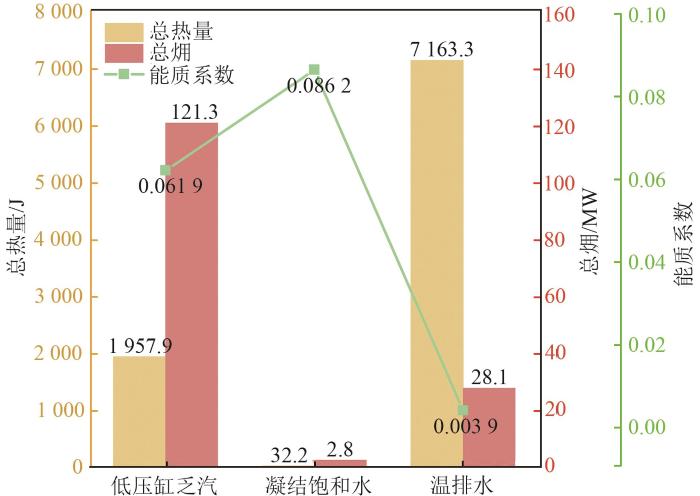
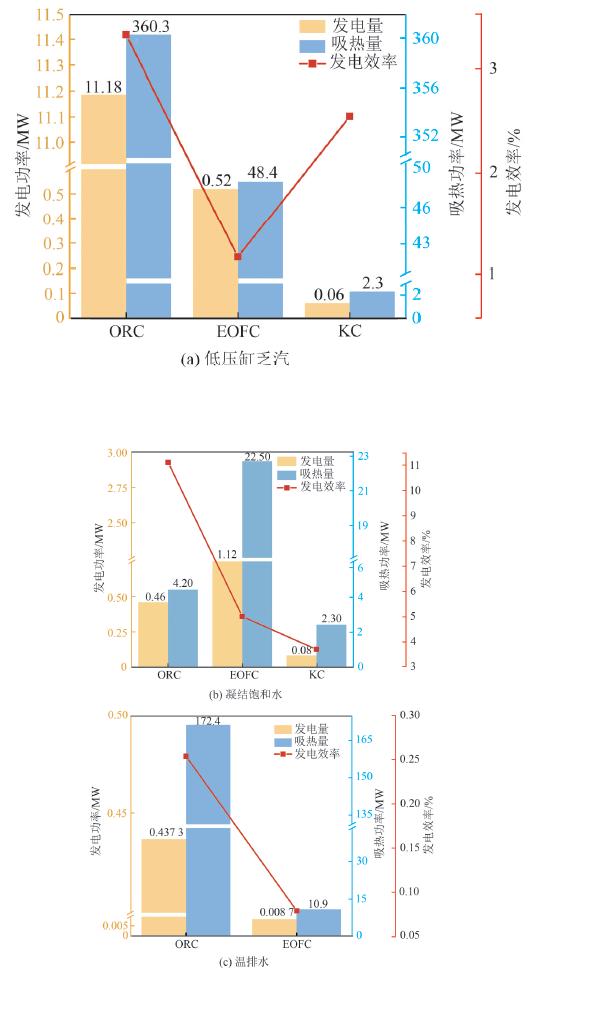
... 采用能质系数(总㶲与总热量的比值)[11]衡量余热品质,可知不同来源低品位余热的可利用潜力存在明显差异(如图1所示):低压缸乏汽的能质系数为0.061 9;尽管凝结饱和水总热量最小,但能质系数最高(0.086 2),具备较好的回收潜力;温排水热量最大(7 163.3 J),但能质系数极低,回收难度较大.因此,迫切需要进一步探索适合核电厂低品位余热的有效利用方式. ...
Review and prospect of exergy in theory,modelling,and applications of integrated energy systems
1
2024
... 采用能质系数(总㶲与总热量的比值)[11]衡量余热品质,可知不同来源低品位余热的可利用潜力存在明显差异(如图1所示):低压缸乏汽的能质系数为0.061 9;尽管凝结饱和水总热量最小,但能质系数最高(0.086 2),具备较好的回收潜力;温排水热量最大(7 163.3 J),但能质系数极低,回收难度较大.因此,迫切需要进一步探索适合核电厂低品位余热的有效利用方式. ...
核电厂温排水余热综合利用方案设计的初步研究
2
2012
... 为推动核能综合利用并缓解温排水带来的不利影响,国内外核电厂采用了农业种植[12]、水产养殖[13-15]、市政与工业供热[16-28]、海水淡化[29-31]等方式对低品位余热进行消纳. ...
... Applicable waste heat sources and advantages and disadvantages of different waste heat utilization methods
Tab. 2| 余热利用方式 | 适用的余热源 | 优点 | 缺点 |
|---|
| 农业种植[12]、水产养殖[13-15] | 二回路低压缸乏汽和三回路温排水 | 排海热负荷低、经济性好、环境污染小 | 所需的温室面积与水产养殖面积极大,难以消纳全部的低品位余热 |
| 市政与工业供热[16-28] | 二回路低压缸乏汽、凝结饱和水、三回路温排水 | 可满足大量供热需求,环保效益好 | 供热管路布置范围远、热损耗高、输送成本高;受供热端需求影响大,季节性明显 |
| 海水淡化[29-31] | 二回路凝结饱和水 | 可实现水电联产,缓解核电机组远程取淡水、用淡水压力 | 淡化成本高、设备寿命短,淡化后废弃物处理难度大 |
由表2可以看出,直接热利用方式普遍存在占地面积大、季节性强、消耗量有限、额外耗能多等弊端.相比之下,余热发电技术通过热电转化不仅有效提高了核电厂的能源综合利用效率,还可全年持续稳定运行,这降低了排海热负荷,减轻了对海洋生态环境的热污染,因此成为核电厂低品位余热资源消纳的首选方案. ...
Preliminary study on the design of comprehensive utilization scheme of waste heat in thermal discharge of nuclear power plant
2
2012
... 为推动核能综合利用并缓解温排水带来的不利影响,国内外核电厂采用了农业种植[12]、水产养殖[13-15]、市政与工业供热[16-28]、海水淡化[29-31]等方式对低品位余热进行消纳. ...
... Applicable waste heat sources and advantages and disadvantages of different waste heat utilization methods
Tab. 2| 余热利用方式 | 适用的余热源 | 优点 | 缺点 |
|---|
| 农业种植[12]、水产养殖[13-15] | 二回路低压缸乏汽和三回路温排水 | 排海热负荷低、经济性好、环境污染小 | 所需的温室面积与水产养殖面积极大,难以消纳全部的低品位余热 |
| 市政与工业供热[16-28] | 二回路低压缸乏汽、凝结饱和水、三回路温排水 | 可满足大量供热需求,环保效益好 | 供热管路布置范围远、热损耗高、输送成本高;受供热端需求影响大,季节性明显 |
| 海水淡化[29-31] | 二回路凝结饱和水 | 可实现水电联产,缓解核电机组远程取淡水、用淡水压力 | 淡化成本高、设备寿命短,淡化后废弃物处理难度大 |
由表2可以看出,直接热利用方式普遍存在占地面积大、季节性强、消耗量有限、额外耗能多等弊端.相比之下,余热发电技术通过热电转化不仅有效提高了核电厂的能源综合利用效率,还可全年持续稳定运行,这降低了排海热负荷,减轻了对海洋生态环境的热污染,因此成为核电厂低品位余热资源消纳的首选方案. ...
日本核电站温排水的渔业利用
3
1987
... 为推动核能综合利用并缓解温排水带来的不利影响,国内外核电厂采用了农业种植[12]、水产养殖[13-15]、市政与工业供热[16-28]、海水淡化[29-31]等方式对低品位余热进行消纳. ...
... 在农业种植与水产养殖方面,日本利用核电厂温排水进行商业养殖,显著提升了渔业产量[13].在市政与工业供热方面,清华大学1989年成功研发5 MW低温核供热试验堆,开创了我国低温核供热技术领域的先河[29];山东烟台的“暖核一号”工程在政府支持下,供热面积从一期的70万m2上升到三期的630万m2,惠及20余万人,每年替代原煤23万t,减排二氧化碳42万t,成为国内首个跨区域核能供暖项目[17-19];瑞士贝兹瑙核电厂采取热电联产技术进行区域供热,每年节省燃油约1.2万t,减排二氧化碳约4.5万t[25].在海水淡化方面,清华大学以低温核供热技术为基础在摩洛哥首次实现低温核供热堆与海水淡化技术的耦合,建成核能海水淡化厂[30];日本迄今为止,已有近10个核能海水淡化耦合装置,可实现市政管网的大面积供水[31].表2为上述余热利用方式适用的余热源及其优缺点. ...
... Applicable waste heat sources and advantages and disadvantages of different waste heat utilization methods
Tab. 2| 余热利用方式 | 适用的余热源 | 优点 | 缺点 |
|---|
| 农业种植[12]、水产养殖[13-15] | 二回路低压缸乏汽和三回路温排水 | 排海热负荷低、经济性好、环境污染小 | 所需的温室面积与水产养殖面积极大,难以消纳全部的低品位余热 |
| 市政与工业供热[16-28] | 二回路低压缸乏汽、凝结饱和水、三回路温排水 | 可满足大量供热需求,环保效益好 | 供热管路布置范围远、热损耗高、输送成本高;受供热端需求影响大,季节性明显 |
| 海水淡化[29-31] | 二回路凝结饱和水 | 可实现水电联产,缓解核电机组远程取淡水、用淡水压力 | 淡化成本高、设备寿命短,淡化后废弃物处理难度大 |
由表2可以看出,直接热利用方式普遍存在占地面积大、季节性强、消耗量有限、额外耗能多等弊端.相比之下,余热发电技术通过热电转化不仅有效提高了核电厂的能源综合利用效率,还可全年持续稳定运行,这降低了排海热负荷,减轻了对海洋生态环境的热污染,因此成为核电厂低品位余热资源消纳的首选方案. ...
Fishery utilization of warm drainage water from nuclear power plants in Japan
3
1987
... 为推动核能综合利用并缓解温排水带来的不利影响,国内外核电厂采用了农业种植[12]、水产养殖[13-15]、市政与工业供热[16-28]、海水淡化[29-31]等方式对低品位余热进行消纳. ...
... 在农业种植与水产养殖方面,日本利用核电厂温排水进行商业养殖,显著提升了渔业产量[13].在市政与工业供热方面,清华大学1989年成功研发5 MW低温核供热试验堆,开创了我国低温核供热技术领域的先河[29];山东烟台的“暖核一号”工程在政府支持下,供热面积从一期的70万m2上升到三期的630万m2,惠及20余万人,每年替代原煤23万t,减排二氧化碳42万t,成为国内首个跨区域核能供暖项目[17-19];瑞士贝兹瑙核电厂采取热电联产技术进行区域供热,每年节省燃油约1.2万t,减排二氧化碳约4.5万t[25].在海水淡化方面,清华大学以低温核供热技术为基础在摩洛哥首次实现低温核供热堆与海水淡化技术的耦合,建成核能海水淡化厂[30];日本迄今为止,已有近10个核能海水淡化耦合装置,可实现市政管网的大面积供水[31].表2为上述余热利用方式适用的余热源及其优缺点. ...
... Applicable waste heat sources and advantages and disadvantages of different waste heat utilization methods
Tab. 2| 余热利用方式 | 适用的余热源 | 优点 | 缺点 |
|---|
| 农业种植[12]、水产养殖[13-15] | 二回路低压缸乏汽和三回路温排水 | 排海热负荷低、经济性好、环境污染小 | 所需的温室面积与水产养殖面积极大,难以消纳全部的低品位余热 |
| 市政与工业供热[16-28] | 二回路低压缸乏汽、凝结饱和水、三回路温排水 | 可满足大量供热需求,环保效益好 | 供热管路布置范围远、热损耗高、输送成本高;受供热端需求影响大,季节性明显 |
| 海水淡化[29-31] | 二回路凝结饱和水 | 可实现水电联产,缓解核电机组远程取淡水、用淡水压力 | 淡化成本高、设备寿命短,淡化后废弃物处理难度大 |
由表2可以看出,直接热利用方式普遍存在占地面积大、季节性强、消耗量有限、额外耗能多等弊端.相比之下,余热发电技术通过热电转化不仅有效提高了核电厂的能源综合利用效率,还可全年持续稳定运行,这降低了排海热负荷,减轻了对海洋生态环境的热污染,因此成为核电厂低品位余热资源消纳的首选方案. ...
Preliminary study on the utilization of cooling water waste heat in nuclear power plants
0
2009
国家级水产原良种场风采——青岛罗非鱼良种场简介
2
... 为推动核能综合利用并缓解温排水带来的不利影响,国内外核电厂采用了农业种植[12]、水产养殖[13-15]、市政与工业供热[16-28]、海水淡化[29-31]等方式对低品位余热进行消纳. ...
... Applicable waste heat sources and advantages and disadvantages of different waste heat utilization methods
Tab. 2| 余热利用方式 | 适用的余热源 | 优点 | 缺点 |
|---|
| 农业种植[12]、水产养殖[13-15] | 二回路低压缸乏汽和三回路温排水 | 排海热负荷低、经济性好、环境污染小 | 所需的温室面积与水产养殖面积极大,难以消纳全部的低品位余热 |
| 市政与工业供热[16-28] | 二回路低压缸乏汽、凝结饱和水、三回路温排水 | 可满足大量供热需求,环保效益好 | 供热管路布置范围远、热损耗高、输送成本高;受供热端需求影响大,季节性明显 |
| 海水淡化[29-31] | 二回路凝结饱和水 | 可实现水电联产,缓解核电机组远程取淡水、用淡水压力 | 淡化成本高、设备寿命短,淡化后废弃物处理难度大 |
由表2可以看出,直接热利用方式普遍存在占地面积大、季节性强、消耗量有限、额外耗能多等弊端.相比之下,余热发电技术通过热电转化不仅有效提高了核电厂的能源综合利用效率,还可全年持续稳定运行,这降低了排海热负荷,减轻了对海洋生态环境的热污染,因此成为核电厂低品位余热资源消纳的首选方案. ...
Showcase of national-level aquatic seed production farms:introduction to Qingdao Tilapia Seed Farm
2
... 为推动核能综合利用并缓解温排水带来的不利影响,国内外核电厂采用了农业种植[12]、水产养殖[13-15]、市政与工业供热[16-28]、海水淡化[29-31]等方式对低品位余热进行消纳. ...
... Applicable waste heat sources and advantages and disadvantages of different waste heat utilization methods
Tab. 2| 余热利用方式 | 适用的余热源 | 优点 | 缺点 |
|---|
| 农业种植[12]、水产养殖[13-15] | 二回路低压缸乏汽和三回路温排水 | 排海热负荷低、经济性好、环境污染小 | 所需的温室面积与水产养殖面积极大,难以消纳全部的低品位余热 |
| 市政与工业供热[16-28] | 二回路低压缸乏汽、凝结饱和水、三回路温排水 | 可满足大量供热需求,环保效益好 | 供热管路布置范围远、热损耗高、输送成本高;受供热端需求影响大,季节性明显 |
| 海水淡化[29-31] | 二回路凝结饱和水 | 可实现水电联产,缓解核电机组远程取淡水、用淡水压力 | 淡化成本高、设备寿命短,淡化后废弃物处理难度大 |
由表2可以看出,直接热利用方式普遍存在占地面积大、季节性强、消耗量有限、额外耗能多等弊端.相比之下,余热发电技术通过热电转化不仅有效提高了核电厂的能源综合利用效率,还可全年持续稳定运行,这降低了排海热负荷,减轻了对海洋生态环境的热污染,因此成为核电厂低品位余热资源消纳的首选方案. ...
核能供热基本原理
2
... 为推动核能综合利用并缓解温排水带来的不利影响,国内外核电厂采用了农业种植[12]、水产养殖[13-15]、市政与工业供热[16-28]、海水淡化[29-31]等方式对低品位余热进行消纳. ...
... Applicable waste heat sources and advantages and disadvantages of different waste heat utilization methods
Tab. 2| 余热利用方式 | 适用的余热源 | 优点 | 缺点 |
|---|
| 农业种植[12]、水产养殖[13-15] | 二回路低压缸乏汽和三回路温排水 | 排海热负荷低、经济性好、环境污染小 | 所需的温室面积与水产养殖面积极大,难以消纳全部的低品位余热 |
| 市政与工业供热[16-28] | 二回路低压缸乏汽、凝结饱和水、三回路温排水 | 可满足大量供热需求,环保效益好 | 供热管路布置范围远、热损耗高、输送成本高;受供热端需求影响大,季节性明显 |
| 海水淡化[29-31] | 二回路凝结饱和水 | 可实现水电联产,缓解核电机组远程取淡水、用淡水压力 | 淡化成本高、设备寿命短,淡化后废弃物处理难度大 |
由表2可以看出,直接热利用方式普遍存在占地面积大、季节性强、消耗量有限、额外耗能多等弊端.相比之下,余热发电技术通过热电转化不仅有效提高了核电厂的能源综合利用效率,还可全年持续稳定运行,这降低了排海热负荷,减轻了对海洋生态环境的热污染,因此成为核电厂低品位余热资源消纳的首选方案. ...
Basic principles of nuclear heating
2
... 为推动核能综合利用并缓解温排水带来的不利影响,国内外核电厂采用了农业种植[12]、水产养殖[13-15]、市政与工业供热[16-28]、海水淡化[29-31]等方式对低品位余热进行消纳. ...
... Applicable waste heat sources and advantages and disadvantages of different waste heat utilization methods
Tab. 2| 余热利用方式 | 适用的余热源 | 优点 | 缺点 |
|---|
| 农业种植[12]、水产养殖[13-15] | 二回路低压缸乏汽和三回路温排水 | 排海热负荷低、经济性好、环境污染小 | 所需的温室面积与水产养殖面积极大,难以消纳全部的低品位余热 |
| 市政与工业供热[16-28] | 二回路低压缸乏汽、凝结饱和水、三回路温排水 | 可满足大量供热需求,环保效益好 | 供热管路布置范围远、热损耗高、输送成本高;受供热端需求影响大,季节性明显 |
| 海水淡化[29-31] | 二回路凝结饱和水 | 可实现水电联产,缓解核电机组远程取淡水、用淡水压力 | 淡化成本高、设备寿命短,淡化后废弃物处理难度大 |
由表2可以看出,直接热利用方式普遍存在占地面积大、季节性强、消耗量有限、额外耗能多等弊端.相比之下,余热发电技术通过热电转化不仅有效提高了核电厂的能源综合利用效率,还可全年持续稳定运行,这降低了排海热负荷,减轻了对海洋生态环境的热污染,因此成为核电厂低品位余热资源消纳的首选方案. ...
记者蹲点“硬核”供暖又一年
1
... 在农业种植与水产养殖方面,日本利用核电厂温排水进行商业养殖,显著提升了渔业产量[13].在市政与工业供热方面,清华大学1989年成功研发5 MW低温核供热试验堆,开创了我国低温核供热技术领域的先河[29];山东烟台的“暖核一号”工程在政府支持下,供热面积从一期的70万m2上升到三期的630万m2,惠及20余万人,每年替代原煤23万t,减排二氧化碳42万t,成为国内首个跨区域核能供暖项目[17-19];瑞士贝兹瑙核电厂采取热电联产技术进行区域供热,每年节省燃油约1.2万t,减排二氧化碳约4.5万t[25].在海水淡化方面,清华大学以低温核供热技术为基础在摩洛哥首次实现低温核供热堆与海水淡化技术的耦合,建成核能海水淡化厂[30];日本迄今为止,已有近10个核能海水淡化耦合装置,可实现市政管网的大面积供水[31].表2为上述余热利用方式适用的余热源及其优缺点. ...
Journalists on-site:another year of “hardcore” heating
1
... 在农业种植与水产养殖方面,日本利用核电厂温排水进行商业养殖,显著提升了渔业产量[13].在市政与工业供热方面,清华大学1989年成功研发5 MW低温核供热试验堆,开创了我国低温核供热技术领域的先河[29];山东烟台的“暖核一号”工程在政府支持下,供热面积从一期的70万m2上升到三期的630万m2,惠及20余万人,每年替代原煤23万t,减排二氧化碳42万t,成为国内首个跨区域核能供暖项目[17-19];瑞士贝兹瑙核电厂采取热电联产技术进行区域供热,每年节省燃油约1.2万t,减排二氧化碳约4.5万t[25].在海水淡化方面,清华大学以低温核供热技术为基础在摩洛哥首次实现低温核供热堆与海水淡化技术的耦合,建成核能海水淡化厂[30];日本迄今为止,已有近10个核能海水淡化耦合装置,可实现市政管网的大面积供水[31].表2为上述余热利用方式适用的余热源及其优缺点. ...
Haiyang→Rushan!China’s first cross-prefecture-level nuclear heating project put into operation
0
一城供热,两市同暖!我国首个跨地级市核能供热工程在海阳投远
1
... 在农业种植与水产养殖方面,日本利用核电厂温排水进行商业养殖,显著提升了渔业产量[13].在市政与工业供热方面,清华大学1989年成功研发5 MW低温核供热试验堆,开创了我国低温核供热技术领域的先河[29];山东烟台的“暖核一号”工程在政府支持下,供热面积从一期的70万m2上升到三期的630万m2,惠及20余万人,每年替代原煤23万t,减排二氧化碳42万t,成为国内首个跨区域核能供暖项目[17-19];瑞士贝兹瑙核电厂采取热电联产技术进行区域供热,每年节省燃油约1.2万t,减排二氧化碳约4.5万t[25].在海水淡化方面,清华大学以低温核供热技术为基础在摩洛哥首次实现低温核供热堆与海水淡化技术的耦合,建成核能海水淡化厂[30];日本迄今为止,已有近10个核能海水淡化耦合装置,可实现市政管网的大面积供水[31].表2为上述余热利用方式适用的余热源及其优缺点. ...
One city heats,two cities warm!China’s first cross-prefecture-level nuclear heating project put into operation in Haiyang
1
... 在农业种植与水产养殖方面,日本利用核电厂温排水进行商业养殖,显著提升了渔业产量[13].在市政与工业供热方面,清华大学1989年成功研发5 MW低温核供热试验堆,开创了我国低温核供热技术领域的先河[29];山东烟台的“暖核一号”工程在政府支持下,供热面积从一期的70万m2上升到三期的630万m2,惠及20余万人,每年替代原煤23万t,减排二氧化碳42万t,成为国内首个跨区域核能供暖项目[17-19];瑞士贝兹瑙核电厂采取热电联产技术进行区域供热,每年节省燃油约1.2万t,减排二氧化碳约4.5万t[25].在海水淡化方面,清华大学以低温核供热技术为基础在摩洛哥首次实现低温核供热堆与海水淡化技术的耦合,建成核能海水淡化厂[30];日本迄今为止,已有近10个核能海水淡化耦合装置,可实现市政管网的大面积供水[31].表2为上述余热利用方式适用的余热源及其优缺点. ...
零碳供暖背后的硬“核”力量 走近全国最大核能供热项目“暖核一号”
0
The “hardcore” power behind zero-carbon heating: approaching the nation’s largest nuclear heating project “Warm Core No.1
0
突破3000亿!红沿河核电站助力东北地区打好蓝天保卫战
0
Exceeding 300 billion! Hongyanhe Nuclear Power Station helps Northeast China fight the battle for blue skies
0
Northeast China’s first nuclear heating project officially begins operation
0
东北地区首个!辽宁红沿河核电站核能供暖项目正式供热
0
Northeast China’s first!Liaoning Hongyanhe Nuclear Power Station’s nuclear heating project officially begins operation
0
China’s first nuclear heating demonstration project in the south officially put into operation
0
Beznau Power Plant Axpo
1
... 在农业种植与水产养殖方面,日本利用核电厂温排水进行商业养殖,显著提升了渔业产量[13].在市政与工业供热方面,清华大学1989年成功研发5 MW低温核供热试验堆,开创了我国低温核供热技术领域的先河[29];山东烟台的“暖核一号”工程在政府支持下,供热面积从一期的70万m2上升到三期的630万m2,惠及20余万人,每年替代原煤23万t,减排二氧化碳42万t,成为国内首个跨区域核能供暖项目[17-19];瑞士贝兹瑙核电厂采取热电联产技术进行区域供热,每年节省燃油约1.2万t,减排二氧化碳约4.5万t[25].在海水淡化方面,清华大学以低温核供热技术为基础在摩洛哥首次实现低温核供热堆与海水淡化技术的耦合,建成核能海水淡化厂[30];日本迄今为止,已有近10个核能海水淡化耦合装置,可实现市政管网的大面积供水[31].表2为上述余热利用方式适用的余热源及其优缺点. ...
District heating supply from nuclear power plants
0
Russia’s floating NPP supplies heat to second Pevek district
0
核电站温排水现状研究
2
... 为推动核能综合利用并缓解温排水带来的不利影响,国内外核电厂采用了农业种植[12]、水产养殖[13-15]、市政与工业供热[16-28]、海水淡化[29-31]等方式对低品位余热进行消纳. ...
... Applicable waste heat sources and advantages and disadvantages of different waste heat utilization methods
Tab. 2| 余热利用方式 | 适用的余热源 | 优点 | 缺点 |
|---|
| 农业种植[12]、水产养殖[13-15] | 二回路低压缸乏汽和三回路温排水 | 排海热负荷低、经济性好、环境污染小 | 所需的温室面积与水产养殖面积极大,难以消纳全部的低品位余热 |
| 市政与工业供热[16-28] | 二回路低压缸乏汽、凝结饱和水、三回路温排水 | 可满足大量供热需求,环保效益好 | 供热管路布置范围远、热损耗高、输送成本高;受供热端需求影响大,季节性明显 |
| 海水淡化[29-31] | 二回路凝结饱和水 | 可实现水电联产,缓解核电机组远程取淡水、用淡水压力 | 淡化成本高、设备寿命短,淡化后废弃物处理难度大 |
由表2可以看出,直接热利用方式普遍存在占地面积大、季节性强、消耗量有限、额外耗能多等弊端.相比之下,余热发电技术通过热电转化不仅有效提高了核电厂的能源综合利用效率,还可全年持续稳定运行,这降低了排海热负荷,减轻了对海洋生态环境的热污染,因此成为核电厂低品位余热资源消纳的首选方案. ...
Study on the present situation of thermal drainage in nuclear power plant
2
... 为推动核能综合利用并缓解温排水带来的不利影响,国内外核电厂采用了农业种植[12]、水产养殖[13-15]、市政与工业供热[16-28]、海水淡化[29-31]等方式对低品位余热进行消纳. ...
... Applicable waste heat sources and advantages and disadvantages of different waste heat utilization methods
Tab. 2| 余热利用方式 | 适用的余热源 | 优点 | 缺点 |
|---|
| 农业种植[12]、水产养殖[13-15] | 二回路低压缸乏汽和三回路温排水 | 排海热负荷低、经济性好、环境污染小 | 所需的温室面积与水产养殖面积极大,难以消纳全部的低品位余热 |
| 市政与工业供热[16-28] | 二回路低压缸乏汽、凝结饱和水、三回路温排水 | 可满足大量供热需求,环保效益好 | 供热管路布置范围远、热损耗高、输送成本高;受供热端需求影响大,季节性明显 |
| 海水淡化[29-31] | 二回路凝结饱和水 | 可实现水电联产,缓解核电机组远程取淡水、用淡水压力 | 淡化成本高、设备寿命短,淡化后废弃物处理难度大 |
由表2可以看出,直接热利用方式普遍存在占地面积大、季节性强、消耗量有限、额外耗能多等弊端.相比之下,余热发电技术通过热电转化不仅有效提高了核电厂的能源综合利用效率,还可全年持续稳定运行,这降低了排海热负荷,减轻了对海洋生态环境的热污染,因此成为核电厂低品位余热资源消纳的首选方案. ...
高温多效蒸馏及在核能海水淡化方面的应用
3
2005
... 为推动核能综合利用并缓解温排水带来的不利影响,国内外核电厂采用了农业种植[12]、水产养殖[13-15]、市政与工业供热[16-28]、海水淡化[29-31]等方式对低品位余热进行消纳. ...
... 在农业种植与水产养殖方面,日本利用核电厂温排水进行商业养殖,显著提升了渔业产量[13].在市政与工业供热方面,清华大学1989年成功研发5 MW低温核供热试验堆,开创了我国低温核供热技术领域的先河[29];山东烟台的“暖核一号”工程在政府支持下,供热面积从一期的70万m2上升到三期的630万m2,惠及20余万人,每年替代原煤23万t,减排二氧化碳42万t,成为国内首个跨区域核能供暖项目[17-19];瑞士贝兹瑙核电厂采取热电联产技术进行区域供热,每年节省燃油约1.2万t,减排二氧化碳约4.5万t[25].在海水淡化方面,清华大学以低温核供热技术为基础在摩洛哥首次实现低温核供热堆与海水淡化技术的耦合,建成核能海水淡化厂[30];日本迄今为止,已有近10个核能海水淡化耦合装置,可实现市政管网的大面积供水[31].表2为上述余热利用方式适用的余热源及其优缺点. ...
... Applicable waste heat sources and advantages and disadvantages of different waste heat utilization methods
Tab. 2| 余热利用方式 | 适用的余热源 | 优点 | 缺点 |
|---|
| 农业种植[12]、水产养殖[13-15] | 二回路低压缸乏汽和三回路温排水 | 排海热负荷低、经济性好、环境污染小 | 所需的温室面积与水产养殖面积极大,难以消纳全部的低品位余热 |
| 市政与工业供热[16-28] | 二回路低压缸乏汽、凝结饱和水、三回路温排水 | 可满足大量供热需求,环保效益好 | 供热管路布置范围远、热损耗高、输送成本高;受供热端需求影响大,季节性明显 |
| 海水淡化[29-31] | 二回路凝结饱和水 | 可实现水电联产,缓解核电机组远程取淡水、用淡水压力 | 淡化成本高、设备寿命短,淡化后废弃物处理难度大 |
由表2可以看出,直接热利用方式普遍存在占地面积大、季节性强、消耗量有限、额外耗能多等弊端.相比之下,余热发电技术通过热电转化不仅有效提高了核电厂的能源综合利用效率,还可全年持续稳定运行,这降低了排海热负荷,减轻了对海洋生态环境的热污染,因此成为核电厂低品位余热资源消纳的首选方案. ...
Technology of high temperature vte-med and progress in nuclear desalination research in China
3
2005
... 为推动核能综合利用并缓解温排水带来的不利影响,国内外核电厂采用了农业种植[12]、水产养殖[13-15]、市政与工业供热[16-28]、海水淡化[29-31]等方式对低品位余热进行消纳. ...
... 在农业种植与水产养殖方面,日本利用核电厂温排水进行商业养殖,显著提升了渔业产量[13].在市政与工业供热方面,清华大学1989年成功研发5 MW低温核供热试验堆,开创了我国低温核供热技术领域的先河[29];山东烟台的“暖核一号”工程在政府支持下,供热面积从一期的70万m2上升到三期的630万m2,惠及20余万人,每年替代原煤23万t,减排二氧化碳42万t,成为国内首个跨区域核能供暖项目[17-19];瑞士贝兹瑙核电厂采取热电联产技术进行区域供热,每年节省燃油约1.2万t,减排二氧化碳约4.5万t[25].在海水淡化方面,清华大学以低温核供热技术为基础在摩洛哥首次实现低温核供热堆与海水淡化技术的耦合,建成核能海水淡化厂[30];日本迄今为止,已有近10个核能海水淡化耦合装置,可实现市政管网的大面积供水[31].表2为上述余热利用方式适用的余热源及其优缺点. ...
... Applicable waste heat sources and advantages and disadvantages of different waste heat utilization methods
Tab. 2| 余热利用方式 | 适用的余热源 | 优点 | 缺点 |
|---|
| 农业种植[12]、水产养殖[13-15] | 二回路低压缸乏汽和三回路温排水 | 排海热负荷低、经济性好、环境污染小 | 所需的温室面积与水产养殖面积极大,难以消纳全部的低品位余热 |
| 市政与工业供热[16-28] | 二回路低压缸乏汽、凝结饱和水、三回路温排水 | 可满足大量供热需求,环保效益好 | 供热管路布置范围远、热损耗高、输送成本高;受供热端需求影响大,季节性明显 |
| 海水淡化[29-31] | 二回路凝结饱和水 | 可实现水电联产,缓解核电机组远程取淡水、用淡水压力 | 淡化成本高、设备寿命短,淡化后废弃物处理难度大 |
由表2可以看出,直接热利用方式普遍存在占地面积大、季节性强、消耗量有限、额外耗能多等弊端.相比之下,余热发电技术通过热电转化不仅有效提高了核电厂的能源综合利用效率,还可全年持续稳定运行,这降低了排海热负荷,减轻了对海洋生态环境的热污染,因此成为核电厂低品位余热资源消纳的首选方案. ...
摩洛哥坦坦地区核能海水淡化示范项目
1
2000
... 在农业种植与水产养殖方面,日本利用核电厂温排水进行商业养殖,显著提升了渔业产量[13].在市政与工业供热方面,清华大学1989年成功研发5 MW低温核供热试验堆,开创了我国低温核供热技术领域的先河[29];山东烟台的“暖核一号”工程在政府支持下,供热面积从一期的70万m2上升到三期的630万m2,惠及20余万人,每年替代原煤23万t,减排二氧化碳42万t,成为国内首个跨区域核能供暖项目[17-19];瑞士贝兹瑙核电厂采取热电联产技术进行区域供热,每年节省燃油约1.2万t,减排二氧化碳约4.5万t[25].在海水淡化方面,清华大学以低温核供热技术为基础在摩洛哥首次实现低温核供热堆与海水淡化技术的耦合,建成核能海水淡化厂[30];日本迄今为止,已有近10个核能海水淡化耦合装置,可实现市政管网的大面积供水[31].表2为上述余热利用方式适用的余热源及其优缺点. ...
Project of a nuclear desalination demonstration plant for Tan Tan Morocco
1
2000
... 在农业种植与水产养殖方面,日本利用核电厂温排水进行商业养殖,显著提升了渔业产量[13].在市政与工业供热方面,清华大学1989年成功研发5 MW低温核供热试验堆,开创了我国低温核供热技术领域的先河[29];山东烟台的“暖核一号”工程在政府支持下,供热面积从一期的70万m2上升到三期的630万m2,惠及20余万人,每年替代原煤23万t,减排二氧化碳42万t,成为国内首个跨区域核能供暖项目[17-19];瑞士贝兹瑙核电厂采取热电联产技术进行区域供热,每年节省燃油约1.2万t,减排二氧化碳约4.5万t[25].在海水淡化方面,清华大学以低温核供热技术为基础在摩洛哥首次实现低温核供热堆与海水淡化技术的耦合,建成核能海水淡化厂[30];日本迄今为止,已有近10个核能海水淡化耦合装置,可实现市政管网的大面积供水[31].表2为上述余热利用方式适用的余热源及其优缺点. ...
海水淡化技术在国内外核电站的应用
3
2018
... 为推动核能综合利用并缓解温排水带来的不利影响,国内外核电厂采用了农业种植[12]、水产养殖[13-15]、市政与工业供热[16-28]、海水淡化[29-31]等方式对低品位余热进行消纳. ...
... 在农业种植与水产养殖方面,日本利用核电厂温排水进行商业养殖,显著提升了渔业产量[13].在市政与工业供热方面,清华大学1989年成功研发5 MW低温核供热试验堆,开创了我国低温核供热技术领域的先河[29];山东烟台的“暖核一号”工程在政府支持下,供热面积从一期的70万m2上升到三期的630万m2,惠及20余万人,每年替代原煤23万t,减排二氧化碳42万t,成为国内首个跨区域核能供暖项目[17-19];瑞士贝兹瑙核电厂采取热电联产技术进行区域供热,每年节省燃油约1.2万t,减排二氧化碳约4.5万t[25].在海水淡化方面,清华大学以低温核供热技术为基础在摩洛哥首次实现低温核供热堆与海水淡化技术的耦合,建成核能海水淡化厂[30];日本迄今为止,已有近10个核能海水淡化耦合装置,可实现市政管网的大面积供水[31].表2为上述余热利用方式适用的余热源及其优缺点. ...
... Applicable waste heat sources and advantages and disadvantages of different waste heat utilization methods
Tab. 2| 余热利用方式 | 适用的余热源 | 优点 | 缺点 |
|---|
| 农业种植[12]、水产养殖[13-15] | 二回路低压缸乏汽和三回路温排水 | 排海热负荷低、经济性好、环境污染小 | 所需的温室面积与水产养殖面积极大,难以消纳全部的低品位余热 |
| 市政与工业供热[16-28] | 二回路低压缸乏汽、凝结饱和水、三回路温排水 | 可满足大量供热需求,环保效益好 | 供热管路布置范围远、热损耗高、输送成本高;受供热端需求影响大,季节性明显 |
| 海水淡化[29-31] | 二回路凝结饱和水 | 可实现水电联产,缓解核电机组远程取淡水、用淡水压力 | 淡化成本高、设备寿命短,淡化后废弃物处理难度大 |
由表2可以看出,直接热利用方式普遍存在占地面积大、季节性强、消耗量有限、额外耗能多等弊端.相比之下,余热发电技术通过热电转化不仅有效提高了核电厂的能源综合利用效率,还可全年持续稳定运行,这降低了排海热负荷,减轻了对海洋生态环境的热污染,因此成为核电厂低品位余热资源消纳的首选方案. ...
Application of seawater desalination technology in nuclear power plant
3
2018
... 为推动核能综合利用并缓解温排水带来的不利影响,国内外核电厂采用了农业种植[12]、水产养殖[13-15]、市政与工业供热[16-28]、海水淡化[29-31]等方式对低品位余热进行消纳. ...
... 在农业种植与水产养殖方面,日本利用核电厂温排水进行商业养殖,显著提升了渔业产量[13].在市政与工业供热方面,清华大学1989年成功研发5 MW低温核供热试验堆,开创了我国低温核供热技术领域的先河[29];山东烟台的“暖核一号”工程在政府支持下,供热面积从一期的70万m2上升到三期的630万m2,惠及20余万人,每年替代原煤23万t,减排二氧化碳42万t,成为国内首个跨区域核能供暖项目[17-19];瑞士贝兹瑙核电厂采取热电联产技术进行区域供热,每年节省燃油约1.2万t,减排二氧化碳约4.5万t[25].在海水淡化方面,清华大学以低温核供热技术为基础在摩洛哥首次实现低温核供热堆与海水淡化技术的耦合,建成核能海水淡化厂[30];日本迄今为止,已有近10个核能海水淡化耦合装置,可实现市政管网的大面积供水[31].表2为上述余热利用方式适用的余热源及其优缺点. ...
... Applicable waste heat sources and advantages and disadvantages of different waste heat utilization methods
Tab. 2| 余热利用方式 | 适用的余热源 | 优点 | 缺点 |
|---|
| 农业种植[12]、水产养殖[13-15] | 二回路低压缸乏汽和三回路温排水 | 排海热负荷低、经济性好、环境污染小 | 所需的温室面积与水产养殖面积极大,难以消纳全部的低品位余热 |
| 市政与工业供热[16-28] | 二回路低压缸乏汽、凝结饱和水、三回路温排水 | 可满足大量供热需求,环保效益好 | 供热管路布置范围远、热损耗高、输送成本高;受供热端需求影响大,季节性明显 |
| 海水淡化[29-31] | 二回路凝结饱和水 | 可实现水电联产,缓解核电机组远程取淡水、用淡水压力 | 淡化成本高、设备寿命短,淡化后废弃物处理难度大 |
由表2可以看出,直接热利用方式普遍存在占地面积大、季节性强、消耗量有限、额外耗能多等弊端.相比之下,余热发电技术通过热电转化不仅有效提高了核电厂的能源综合利用效率,还可全年持续稳定运行,这降低了排海热负荷,减轻了对海洋生态环境的热污染,因此成为核电厂低品位余热资源消纳的首选方案. ...
地热发电技术及其关键影响因素综述
1
2022
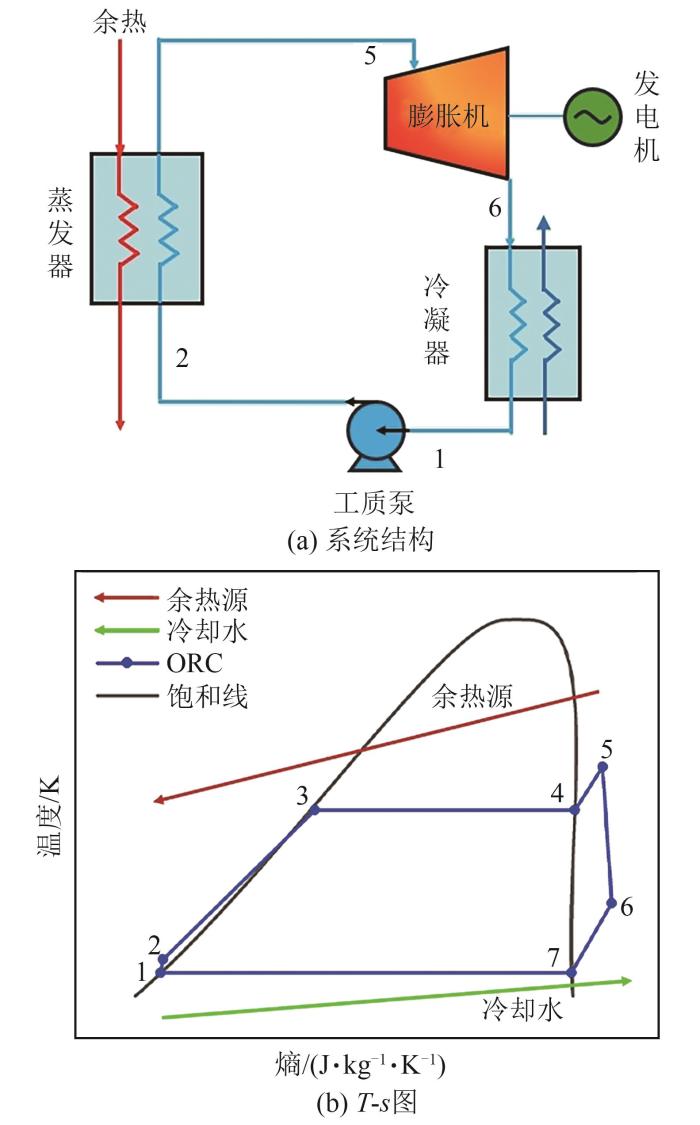
... 目前,ORC系统的研究与应用主要集中于中低温可再生能源(如地热[32-36]、太阳能[37-39]、生物质能[40-42])与工业余热[43-45]领域.ORC技术成熟度高,在实际运行中展现了系统简单、稳定可靠、适用热源温度低、装机容量范围宽等优点.ORC基于朗肯循环原理,利用有机工质低沸点特点,在中低温热源条件下产生较高的蒸气压力并推动膨胀机对外做功,实现低品位热能的发电利用.简单ORC系统结构及其温-熵(T-s)图如图2所示. ...
Review of geothermal power generation technologies and key influencing factors
1
2022
... 目前,ORC系统的研究与应用主要集中于中低温可再生能源(如地热[32-36]、太阳能[37-39]、生物质能[40-42])与工业余热[43-45]领域.ORC技术成熟度高,在实际运行中展现了系统简单、稳定可靠、适用热源温度低、装机容量范围宽等优点.ORC基于朗肯循环原理,利用有机工质低沸点特点,在中低温热源条件下产生较高的蒸气压力并推动膨胀机对外做功,实现低品位热能的发电利用.简单ORC系统结构及其温-熵(T-s)图如图2所示. ...
过冷度对地热发电非共沸工质有机朗肯循环热力性能的影响
0
2020
Effect of subcooling on thermal performance of organic Rankine cycle with zeotropic mixture in geothermal power generation
0
2020
Investigation of an integrated system combining an organic Rankine cycle and absorption chiller driven by geothermal energy:energy,exergy,and economic analyses and optimization
0
2020
Performance analyses of geothermal organic Rankine cycles with selected hydrocarbon working fluids
0
2013
Comparative thermoeconomic analysis of geothermal energy recovery via super/transcritical CO2 and subcritical organic Rankine cycles
1
2022
... 目前,ORC系统的研究与应用主要集中于中低温可再生能源(如地热[32-36]、太阳能[37-39]、生物质能[40-42])与工业余热[43-45]领域.ORC技术成熟度高,在实际运行中展现了系统简单、稳定可靠、适用热源温度低、装机容量范围宽等优点.ORC基于朗肯循环原理,利用有机工质低沸点特点,在中低温热源条件下产生较高的蒸气压力并推动膨胀机对外做功,实现低品位热能的发电利用.简单ORC系统结构及其温-熵(T-s)图如图2所示. ...
不同太阳能热源下混合工质ORC系统性能分析
1
2018
... 目前,ORC系统的研究与应用主要集中于中低温可再生能源(如地热[32-36]、太阳能[37-39]、生物质能[40-42])与工业余热[43-45]领域.ORC技术成熟度高,在实际运行中展现了系统简单、稳定可靠、适用热源温度低、装机容量范围宽等优点.ORC基于朗肯循环原理,利用有机工质低沸点特点,在中低温热源条件下产生较高的蒸气压力并推动膨胀机对外做功,实现低品位热能的发电利用.简单ORC系统结构及其温-熵(T-s)图如图2所示. ...
Performance analysis of ORC system for non-zeotropic mixtures under different solar energy sources
1
2018
... 目前,ORC系统的研究与应用主要集中于中低温可再生能源(如地热[32-36]、太阳能[37-39]、生物质能[40-42])与工业余热[43-45]领域.ORC技术成熟度高,在实际运行中展现了系统简单、稳定可靠、适用热源温度低、装机容量范围宽等优点.ORC基于朗肯循环原理,利用有机工质低沸点特点,在中低温热源条件下产生较高的蒸气压力并推动膨胀机对外做功,实现低品位热能的发电利用.简单ORC系统结构及其温-熵(T-s)图如图2所示. ...
太阳能有机朗肯循环低温热发电关键因素分析
0
2009
Analysis of key factors in low-temperature solar-thermal-electric power generation with organic Rankine cycle
0
2009
Exergo-economic assessment and sensitivity analysis of a solar-driven combined cooling,heating and power system with organic Rankine cycle and absorption heat pump
1
2021
... 目前,ORC系统的研究与应用主要集中于中低温可再生能源(如地热[32-36]、太阳能[37-39]、生物质能[40-42])与工业余热[43-45]领域.ORC技术成熟度高,在实际运行中展现了系统简单、稳定可靠、适用热源温度低、装机容量范围宽等优点.ORC基于朗肯循环原理,利用有机工质低沸点特点,在中低温热源条件下产生较高的蒸气压力并推动膨胀机对外做功,实现低品位热能的发电利用.简单ORC系统结构及其温-熵(T-s)图如图2所示. ...
Exergetic and integrated exergoeconomic assessments of a hybrid solar-biomass organic Rankine cycle cogeneration plant
1
2020
... 目前,ORC系统的研究与应用主要集中于中低温可再生能源(如地热[32-36]、太阳能[37-39]、生物质能[40-42])与工业余热[43-45]领域.ORC技术成熟度高,在实际运行中展现了系统简单、稳定可靠、适用热源温度低、装机容量范围宽等优点.ORC基于朗肯循环原理,利用有机工质低沸点特点,在中低温热源条件下产生较高的蒸气压力并推动膨胀机对外做功,实现低品位热能的发电利用.简单ORC系统结构及其温-熵(T-s)图如图2所示. ...
Performance assessment and optimization of a biomass-based solid oxide fuel cell and micro gas turbine system integrated with an organic Rankine cycle
0
2020
Multi-criteria optimization of a biomass-fired proton exchange membrane fuel cell integrated with organic Rankine cycle/thermoelectric generator using different gasification agents
1
2020
... 目前,ORC系统的研究与应用主要集中于中低温可再生能源(如地热[32-36]、太阳能[37-39]、生物质能[40-42])与工业余热[43-45]领域.ORC技术成熟度高,在实际运行中展现了系统简单、稳定可靠、适用热源温度低、装机容量范围宽等优点.ORC基于朗肯循环原理,利用有机工质低沸点特点,在中低温热源条件下产生较高的蒸气压力并推动膨胀机对外做功,实现低品位热能的发电利用.简单ORC系统结构及其温-熵(T-s)图如图2所示. ...
Working fluid selection of organic Rankine cycle for low-temperature industrial waste heat utilization
1
2016
... 目前,ORC系统的研究与应用主要集中于中低温可再生能源(如地热[32-36]、太阳能[37-39]、生物质能[40-42])与工业余热[43-45]领域.ORC技术成熟度高,在实际运行中展现了系统简单、稳定可靠、适用热源温度低、装机容量范围宽等优点.ORC基于朗肯循环原理,利用有机工质低沸点特点,在中低温热源条件下产生较高的蒸气压力并推动膨胀机对外做功,实现低品位热能的发电利用.简单ORC系统结构及其温-熵(T-s)图如图2所示. ...
Optimal choice of working fluids of organic Rankine cycle for industrial waste heat recovery
0
2018
中低温工业余热ORC回收装置的工质发展与应用
1
2012
... 目前,ORC系统的研究与应用主要集中于中低温可再生能源(如地热[32-36]、太阳能[37-39]、生物质能[40-42])与工业余热[43-45]领域.ORC技术成熟度高,在实际运行中展现了系统简单、稳定可靠、适用热源温度低、装机容量范围宽等优点.ORC基于朗肯循环原理,利用有机工质低沸点特点,在中低温热源条件下产生较高的蒸气压力并推动膨胀机对外做功,实现低品位热能的发电利用.简单ORC系统结构及其温-熵(T-s)图如图2所示. ...
Advances in research and application of working fluids for ORC waste heat recovery apparatus
1
2012
... 目前,ORC系统的研究与应用主要集中于中低温可再生能源(如地热[32-36]、太阳能[37-39]、生物质能[40-42])与工业余热[43-45]领域.ORC技术成熟度高,在实际运行中展现了系统简单、稳定可靠、适用热源温度低、装机容量范围宽等优点.ORC基于朗肯循环原理,利用有机工质低沸点特点,在中低温热源条件下产生较高的蒸气压力并推动膨胀机对外做功,实现低品位热能的发电利用.简单ORC系统结构及其温-熵(T-s)图如图2所示. ...
Comparison of the organic flash cycle (OFC) to other advanced vapor cycles for intermediate and high temperature waste heat reclamation and solar thermal energy
1
2012
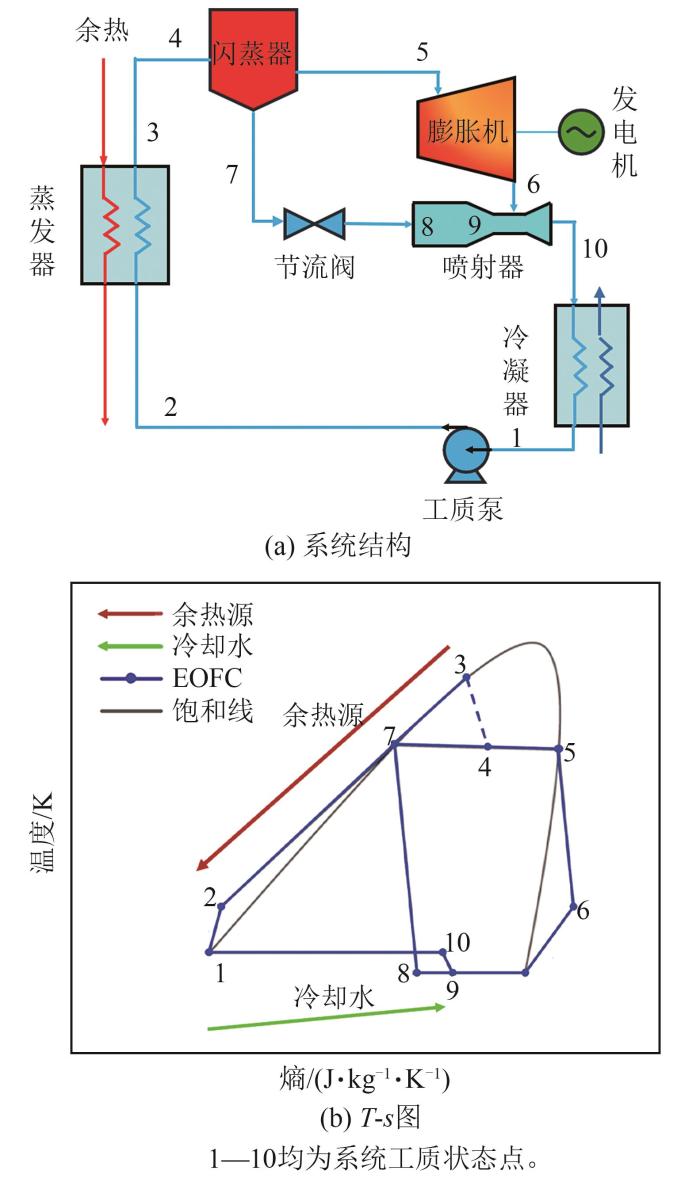
... 相较于有机朗肯循环而言,有机闪蒸循环(organic flash cycle,OFC)通过闪蒸技术有效提升了热源与循环之间的匹配度,避免了蒸发器内等温相变吸热过程带来的大量㶲损[46-51].传统OFC中的低压节流装置存在闪蒸后液态工质未被有效利用等问题[48],将其替换为喷射器后,形成的喷射器有机闪蒸循环(ejector organic flash cycle,EOFC)不仅可以有效利用闪蒸后的饱和液,还得到了更低的膨胀机排气压力[52].简单EOFC系统结构及其T-s图如图3所示. ...
Performance assessment of a low grade waste heat driven organic flash cycle (OFC) with ejector
0
2018
Assessment of different configurations of solar energy driven organic flash cycles (OFCs) via exergy and exergoeconomic methodologies
1
2018
... 相较于有机朗肯循环而言,有机闪蒸循环(organic flash cycle,OFC)通过闪蒸技术有效提升了热源与循环之间的匹配度,避免了蒸发器内等温相变吸热过程带来的大量㶲损[46-51].传统OFC中的低压节流装置存在闪蒸后液态工质未被有效利用等问题[48],将其替换为喷射器后,形成的喷射器有机闪蒸循环(ejector organic flash cycle,EOFC)不仅可以有效利用闪蒸后的饱和液,还得到了更低的膨胀机排气压力[52].简单EOFC系统结构及其T-s图如图3所示. ...
Technical and economic analysis of organic flash regenerative cycles (OFRCs) for low temperature waste heat recovery
0
2017
Analysis and assessment of a novel organic flash Rankine cycle (OFRC) system for low-temperature heat recovery
0
2022
Increased power production through enhancements to the organic flash cycle (OFC)
1
2012
... 相较于有机朗肯循环而言,有机闪蒸循环(organic flash cycle,OFC)通过闪蒸技术有效提升了热源与循环之间的匹配度,避免了蒸发器内等温相变吸热过程带来的大量㶲损[46-51].传统OFC中的低压节流装置存在闪蒸后液态工质未被有效利用等问题[48],将其替换为喷射器后,形成的喷射器有机闪蒸循环(ejector organic flash cycle,EOFC)不仅可以有效利用闪蒸后的饱和液,还得到了更低的膨胀机排气压力[52].简单EOFC系统结构及其T-s图如图3所示. ...
Synergetic mechanism of organic Rankine flash cycle with ejector for geothermal power generation enhancement
1
2022
... 相较于有机朗肯循环而言,有机闪蒸循环(organic flash cycle,OFC)通过闪蒸技术有效提升了热源与循环之间的匹配度,避免了蒸发器内等温相变吸热过程带来的大量㶲损[46-51].传统OFC中的低压节流装置存在闪蒸后液态工质未被有效利用等问题[48],将其替换为喷射器后,形成的喷射器有机闪蒸循环(ejector organic flash cycle,EOFC)不仅可以有效利用闪蒸后的饱和液,还得到了更低的膨胀机排气压力[52].简单EOFC系统结构及其T-s图如图3所示. ...
基于朗肯循环和卡琳娜循环的中低温余热动力循环分析
2
2015
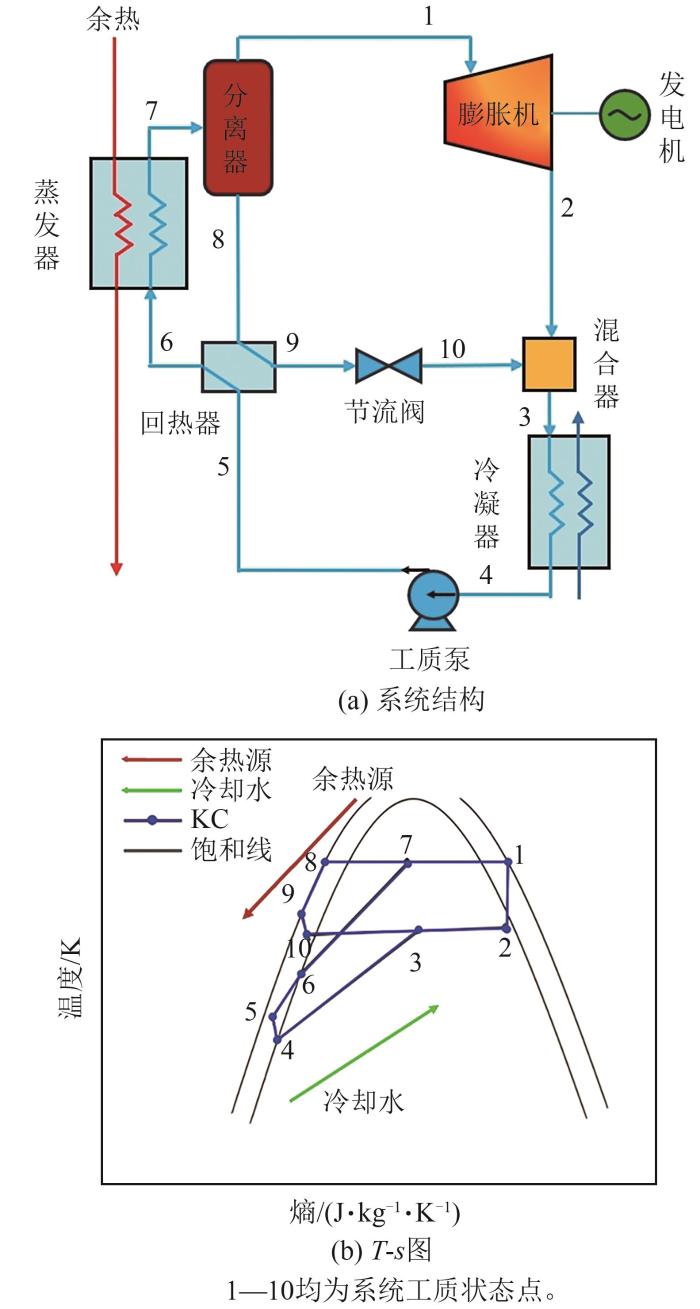
... 简单卡琳娜循环(Kalina cycle,KC)系统结构及其T-s图如图4所示.KC是一种以氨水混合物为工质的低品位热能发电技术[53].氨水混合物经工质泵加压后进入蒸发器,吸收来自低品位热源的热量后蒸发,并在分离器中分离为富氨蒸气和贫氨溶液.富氨蒸气进入膨胀机膨胀做功,实现热能向机械能的转化.贫氨溶液则通过回热器加热泵出氨水混合物,提高系统热效率.随后,贫氨溶液经过节流阀降压,与膨胀后的蒸气在混合器中重新混合,并最终冷凝后回流至工质泵,完成循环.该循环通过氨水混合物的变温吸热特性,提高了与热源的热匹配性,降低了换热过程中的㶲损,增强了低品位热能的利用效率[53]. ...
... [53]. ...
Power cycle analysis for mid-low temperature waste heat resource based on rankin cycle and kalina cycle
2
2015
... 简单卡琳娜循环(Kalina cycle,KC)系统结构及其T-s图如图4所示.KC是一种以氨水混合物为工质的低品位热能发电技术[53].氨水混合物经工质泵加压后进入蒸发器,吸收来自低品位热源的热量后蒸发,并在分离器中分离为富氨蒸气和贫氨溶液.富氨蒸气进入膨胀机膨胀做功,实现热能向机械能的转化.贫氨溶液则通过回热器加热泵出氨水混合物,提高系统热效率.随后,贫氨溶液经过节流阀降压,与膨胀后的蒸气在混合器中重新混合,并最终冷凝后回流至工质泵,完成循环.该循环通过氨水混合物的变温吸热特性,提高了与热源的热匹配性,降低了换热过程中的㶲损,增强了低品位热能的利用效率[53]. ...
... [53]. ...
不同工质对有机朗肯循环低温余热发电系统性能的影响研究
1
2022
... 采用MATLAB软件进行系统建模,选用R123作为ORC与EOFC工质,KC工质为氨水混合物,工质热物理性质来自REFPROP 10.0软件[54],核电厂冷却海水的热物理性质来源于《福清厂址有关的设计参数》和TEOS-10海水热物理性质查询工具包.系统功率设备的效率[55]如表3所示,换热过程的夹点温差设定为2 ℃(换热器两端与内部的夹点温差均考虑在内). ...
Influence of different working fluids on performance of organic Rankine cycle low temperature waste heat power generation system
1
2022
... 采用MATLAB软件进行系统建模,选用R123作为ORC与EOFC工质,KC工质为氨水混合物,工质热物理性质来自REFPROP 10.0软件[54],核电厂冷却海水的热物理性质来源于《福清厂址有关的设计参数》和TEOS-10海水热物理性质查询工具包.系统功率设备的效率[55]如表3所示,换热过程的夹点温差设定为2 ℃(换热器两端与内部的夹点温差均考虑在内). ...
Influences of climatic environment on the geothermal power generation potential
1
2022
... 采用MATLAB软件进行系统建模,选用R123作为ORC与EOFC工质,KC工质为氨水混合物,工质热物理性质来自REFPROP 10.0软件[54],核电厂冷却海水的热物理性质来源于《福清厂址有关的设计参数》和TEOS-10海水热物理性质查询工具包.系统功率设备的效率[55]如表3所示,换热过程的夹点温差设定为2 ℃(换热器两端与内部的夹点温差均考虑在内). ...
1
2009
... 式中:Cbasic为设备的基础成本;FB为考虑材料、压力和温度等影响因素的成本修正因子[56]. ...
2023 CEPCI annual average value decreases from previous year:Chemical Engineering Page 1
1
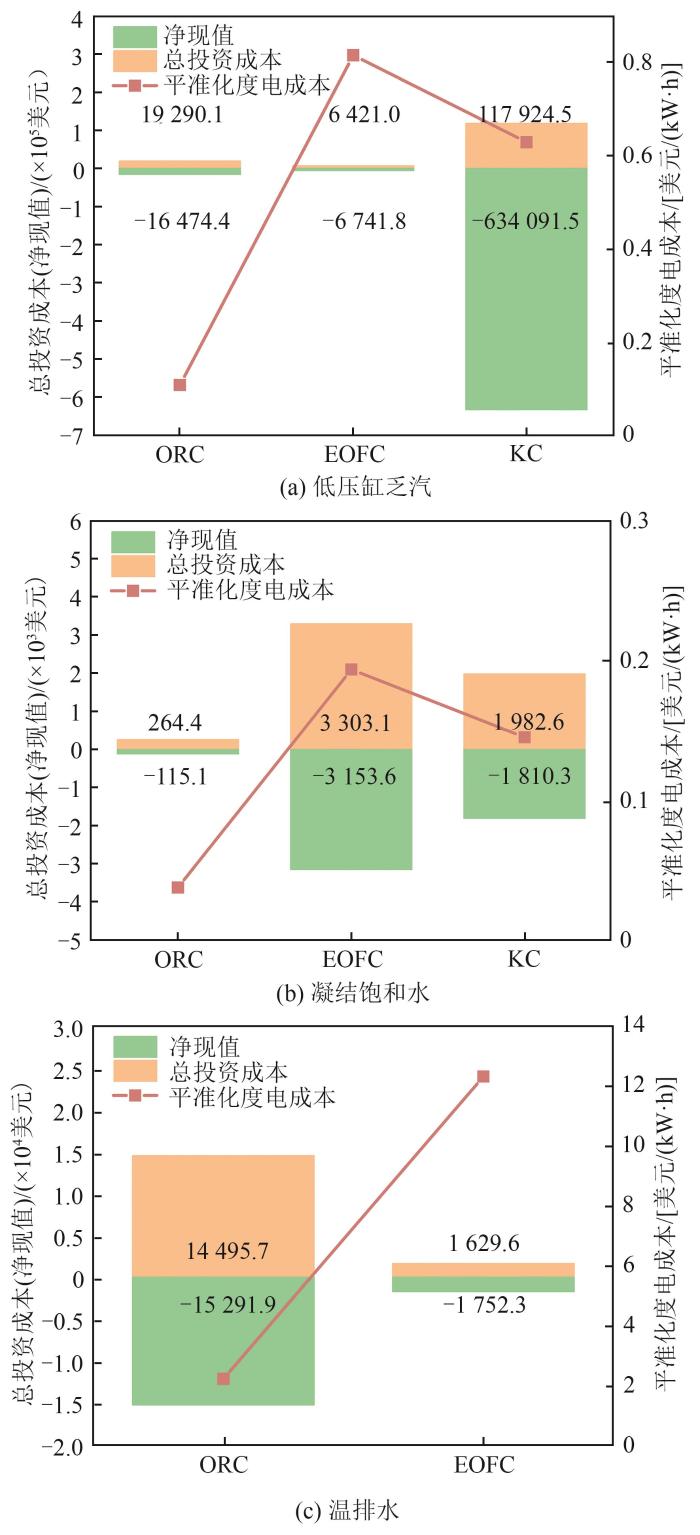
... 式中:为系统功率设备总成本;a=1.18,为考虑除功率设备外其他设备的成本修正系数;=397,=797.9[57],分别为2021、2023年的化工成本指数,用于度量化工工程项目成本变化. ...